

Spotting During Ovulation: What Is Normal, What Is Not, and When to Seek Care

Ovulation spotting is usually light and lasts from a few hours to 1 to 2 days. A small hormonal shift around ovulation can cause mild pink, red, or brown discharge.
Key Takeaways
- Ovulation spotting is usually light and lasts from a few hours to 1 to 2 days.
- A small hormonal shift around ovulation can cause mild pink, red, or brown discharge.
- Heavy bleeding, strong pelvic pain, bad-smelling discharge, fever, or bleeding after sex is not typical ovulation spotting.
- Pregnancy, infections, polyps, fibroids, thyroid conditions, and other gynecologic issues can also cause mid-cycle bleeding.
- Tracking the timing, color, amount, and associated symptoms can help a doctor identify the cause.
Spotting during ovulation is usually light, short-lived bleeding or pink-brown discharge that happens around the middle of the menstrual cycle. In many cases it is normal, but bleeding that is heavy, painful, frequent, or unexpected should be assessed by a qualified doctor.
Overview: Is Spotting During Ovulation Normal?
Spotting during ovulation can be normal for some women. It usually appears as a very small amount of pink, red, or brown discharge around the middle of the menstrual cycle, often close to the time an ovary releases an egg. When it is truly related to ovulation, it is typically light, brief, and not accompanied by severe symptoms.
This type of bleeding is different from a menstrual period. A period tends to be heavier, lasts longer, and follows a more predictable pattern. Ovulation spotting often only stains underwear or appears when wiping, rather than creating a steady flow.
Not everyone notices ovulation spotting, and many women never have it. Others may experience it occasionally rather than every cycle. Because many other conditions can also cause bleeding between periods, the timing and associated symptoms matter when deciding whether the bleeding is likely to be harmless or whether it deserves medical attention.
What Ovulation Spotting Usually Looks Like
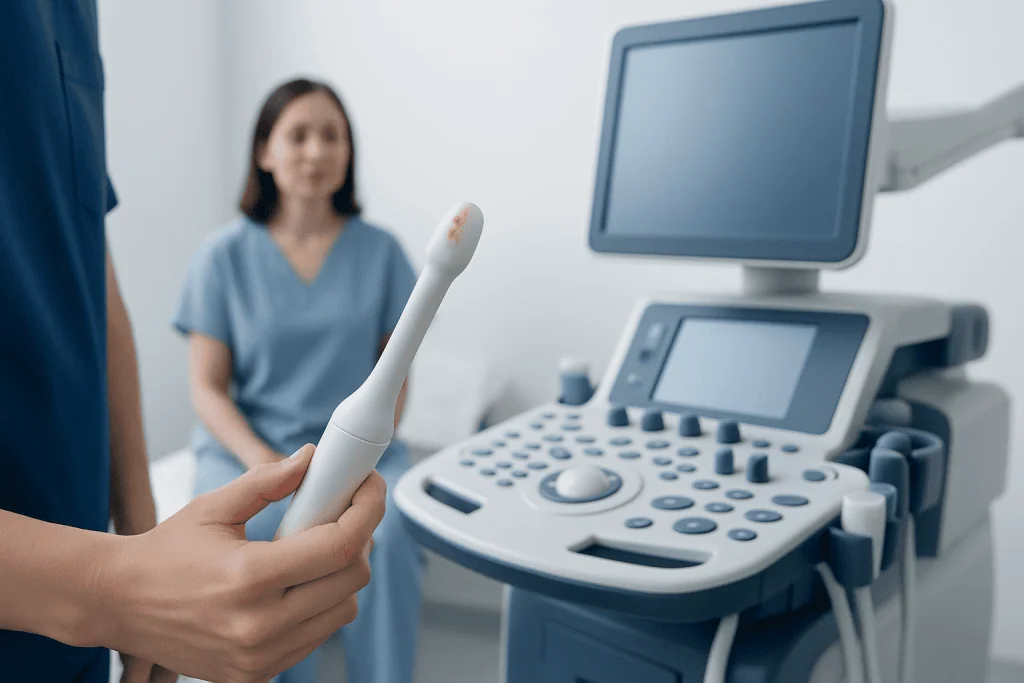
Typical ovulation spotting is light. It may be just a few drops of blood mixed with cervical mucus, making the discharge look pinkish, rust-colored, or brown. Brown discharge often means a small amount of older blood is leaving the body slowly.
The timing is one of the main clues. Ovulation usually happens about halfway through the cycle, although cycle length varies from person to person. In someone with regular cycles, spotting that appears around the midpoint and stops quickly may fit with ovulation.
Some women also notice mild one-sided pelvic discomfort, often called mittelschmerz, around the same time. This can happen when the ovary releases an egg. Mild cramping or a sense of pelvic awareness can occur, but intense pain is not considered typical.
- Usually very light, not enough to soak pads or tampons
- Often lasts a few hours to 1 or 2 days
- May look pink, light red, or brown
- Often occurs around mid-cycle
- May happen with mild cramping or increased clear cervical mucus
Why It Happens: Causes and Risk Factors

The most likely explanation for spotting during ovulation is a temporary hormonal shift. Estrogen levels change around the time of ovulation, and this brief change can trigger a small amount of bleeding from the uterine lining. In some cases, the release of the egg itself may also contribute to minor pelvic discomfort and light spotting.
However, not all mid-cycle bleeding is caused by ovulation. Stress, recent changes in body weight, intense exercise, hormonal contraception, and the months around puberty or perimenopause can all affect bleeding patterns. Emergency contraception and some fertility medications may also lead to temporary spotting.
Other possible causes include vaginal or cervical irritation, sexually transmitted infections, polyps, fibroids, thyroid disorders, endometriosis, and ovarian cysts. Bleeding can also occur in early pregnancy, including implantation bleeding, although not all early pregnancy bleeding is harmless. Because the causes overlap, recurrent or unclear bleeding should not automatically be assumed to be due to ovulation alone.
A person may be more likely to notice spotting if cycles are naturally variable, if there has been a recent start or stop of hormonal medication, or if there is an underlying gynecologic condition such as uterine fibroids. A clinician can help distinguish a normal pattern from one that needs further investigation.
What Is Not Typical and What Else It Could Mean
Bleeding that is heavier than light spotting is not typical for ovulation. If blood flow resembles a period, lasts more than 2 days, or returns frequently between periods, another cause should be considered. Spotting that occurs at random points in the cycle rather than around the expected time of ovulation may also need evaluation.
Symptoms that suggest a non-ovulation cause include strong pelvic pain, pain during sex, unusual vaginal odor, itching, burning, fever, or dizziness. These features can point toward infection, inflammation, a cervical problem, or another pelvic condition rather than a normal cycle variation.
Pregnancy-related bleeding is another important possibility. Light bleeding can happen in early pregnancy, but bleeding with one-sided pain, shoulder pain, fainting, or increasing cramps needs urgent assessment because it may signal a serious problem such as ectopic pregnancy. Women who could be pregnant should consider a pregnancy test and medical advice if bleeding occurs unexpectedly.
Bleeding after sex, after menopause, or while pregnant should always be discussed with a doctor. Although many causes are treatable and not serious, these patterns are not considered normal ovulation spotting and deserve proper evaluation.
How Doctors Evaluate Mid-Cycle Spotting
Evaluation starts with a careful history. A doctor will often ask when the spotting happens, how long it lasts, how heavy it is, what color it is, and whether it comes with pain, discharge, missed periods, or other symptoms. Menstrual tracking, whether on paper or in an app, can be very helpful.
A physical and pelvic examination may be recommended depending on age, symptoms, and sexual history. The aim is to identify signs of cervical irritation, infection, vaginal causes of bleeding, or structural conditions such as polyps. Pregnancy testing is commonly considered when appropriate.
Additional tests may include laboratory tests, cervical screening when indicated, and pelvic imaging such as pelvic ultrasound to look for fibroids, cysts, or other structural causes. Some women may need hormone-related evaluation or referral for gynecologic assessment if bleeding is recurrent or unexplained. The right workup depends on the person, their age, and their broader health history.
Treatment Options and Practical Self-Care
If spotting is clearly linked to ovulation, is very light, and no concerning features are present, treatment may not be needed. Reassurance and observation are often enough. Tracking cycles for a few months can help confirm whether the bleeding consistently matches the ovulation window.
When spotting has another cause, treatment depends on the diagnosis. Infections may need targeted medication, hormone-related causes may be managed with changes in contraceptive methods or other hormonal treatment, and structural issues such as polyps, fibroids, or persistent cysts may need follow-up or procedures. If symptoms suggest a broader reproductive health concern, a doctor may discuss further fertility evaluation and reproductive planning when relevant to the patient’s goals.
Self-care measures can include using a panty liner for comfort, staying hydrated, and recording bleeding days, pain, and cycle dates. It is best to avoid self-diagnosing repeated bleeding as ovulation without proper review, especially if the pattern changes.
Near the end of the evaluation process, some women benefit from multidisciplinary care, particularly if symptoms overlap with pain, cycle irregularity, or fertility concerns. Acibadem International’s multidisciplinary specialists in JCI-accredited hospitals diagnose and treat gynecologic conditions for international patients when expert assessment is needed.
When to Seek Medical Care
A woman should seek medical care if spotting becomes heavy, lasts longer than 1 to 2 days, happens repeatedly over several cycles, or appears at unexpected times in the cycle. Medical review is also important if bleeding happens after sex, after menopause, or during pregnancy.
Prompt care is recommended when spotting is accompanied by severe pelvic pain, fainting, weakness, fever, bad-smelling discharge, or signs of anemia such as unusual fatigue or shortness of breath. These features are not typical of simple ovulation spotting.
If there is any chance of pregnancy, especially with one-sided pain or increasing cramps, urgent evaluation is appropriate. Early assessment helps rule out more serious causes and often provides reassurance when the bleeding turns out to be benign.
Frequently asked questions
How long does spotting during ovulation usually last?
Ovulation spotting is usually brief and often lasts only a few hours to 1 or 2 days. If bleeding continues longer, becomes heavier, or keeps recurring, it is wise to speak with a doctor.
What color is normal ovulation spotting?
Normal ovulation spotting may look pink, light red, or brown. Brown discharge often reflects a small amount of older blood mixing with cervical mucus.
Can ovulation spotting be mistaken for implantation bleeding?
Yes. Both can be light and brief, so timing matters. Ovulation spotting usually happens around the middle of the cycle, while implantation bleeding would occur later, after ovulation, if pregnancy has occurred.
Is pain normal with spotting during ovulation?
Mild cramping or a brief one-sided pelvic ache can occur around ovulation. Severe, worsening, or persistent pain is not typical and should be assessed by a healthcare professional.
Should someone worry if ovulation spotting happens every month?
Not always, because some women have a consistent pattern that is still benign. Even so, monthly mid-cycle bleeding is worth mentioning to a doctor, especially if it is a new pattern or comes with other symptoms.
Can birth control cause spotting that looks like ovulation spotting?
Yes. Hormonal contraception can cause breakthrough bleeding, especially when starting, stopping, or changing methods. This bleeding is not the same as natural ovulation spotting and may need review if it persists.
References
- American College of Obstetricians and Gynecologists
- National Health Service
- Mayo Clinic
- Office on Women's Health
- Merck Manual Consumer Version
This article is for general information only and is not a substitute for professional medical advice. Please consult a qualified doctor about your individual situation.
IVF & fertility treatment in Turkey — success rates and costs
JCI-accredited · board-certified surgeons · reply within 24h
Add us as a Preferred Source to see more of our trusted health content across Google Search, AI Overviews and Discover.
Check your numbers in seconds
BMI, calories, due date, blood pressure and 30+ more clinical calculators — free, instant, doctor-reviewed ranges.

More from the Health Library


Related Specialists

Dr. Mustafa Engin Çakmakçı
Otorhinolaryngology
Dr. Mehmet Murat Çuhadaroğlu
Nuclear Medicine
Dt. Selen Burçak Şimşek
Oral & Dental Health
Assoc. Prof. Dr. Fatma Ölmez
Gynecology & Obstetrics