Stasis Ulcer Venous: A Complete Medical Overview

A stasis ulcer venous is most often linked to chronic venous insufficiency in the lower legs. Common signs include a shallow wound near the ankle, swelling, skin discoloration, aching, and fluid drainage.
Key Takeaways
- A stasis ulcer venous is most often linked to chronic venous insufficiency in the lower legs.
- Common signs include a shallow wound near the ankle, swelling, skin discoloration, aching, and fluid drainage.
- Compression therapy is a main part of treatment, but it should be used after proper medical assessment.
- Ulcers heal best when both the wound and the vein circulation problem are treated together.
- Early medical care can reduce the risk of infection, recurrence, and long-term skin damage.
Stasis ulcer venous refers to an open sore, usually near the ankle or lower leg, caused by long-term problems with blood flow in the veins. These ulcers often heal slowly, but with proper diagnosis, compression therapy, wound care, and treatment of the underlying vein problem, many people improve significantly.
Overview: What Stasis Ulcer Venous Means
Stasis ulcer venous is a type of chronic wound that develops when the veins in the lower leg do not return blood effectively back to the heart. This poor circulation increases pressure inside the leg veins, allowing fluid and blood cells to leak into surrounding tissues. Over time, the skin becomes inflamed, fragile, and more likely to break down into an ulcer.
These ulcers usually appear on the lower leg, especially around the inner ankle, though they may affect other nearby areas. They can be painful or only mildly uncomfortable, and they often heal slowly without targeted treatment. The condition is not simply a surface skin problem; it is usually a sign of an underlying vein disorder that needs evaluation.
A useful way to understand venous ulcers is to see them as the end result of long-standing venous hypertension. In other words, the wound forms because the local tissue has been under stress for a long time. This is why treatment often includes both wound care and management of venous insufficiency or other circulation problems.
Signs and Symptoms to Recognize
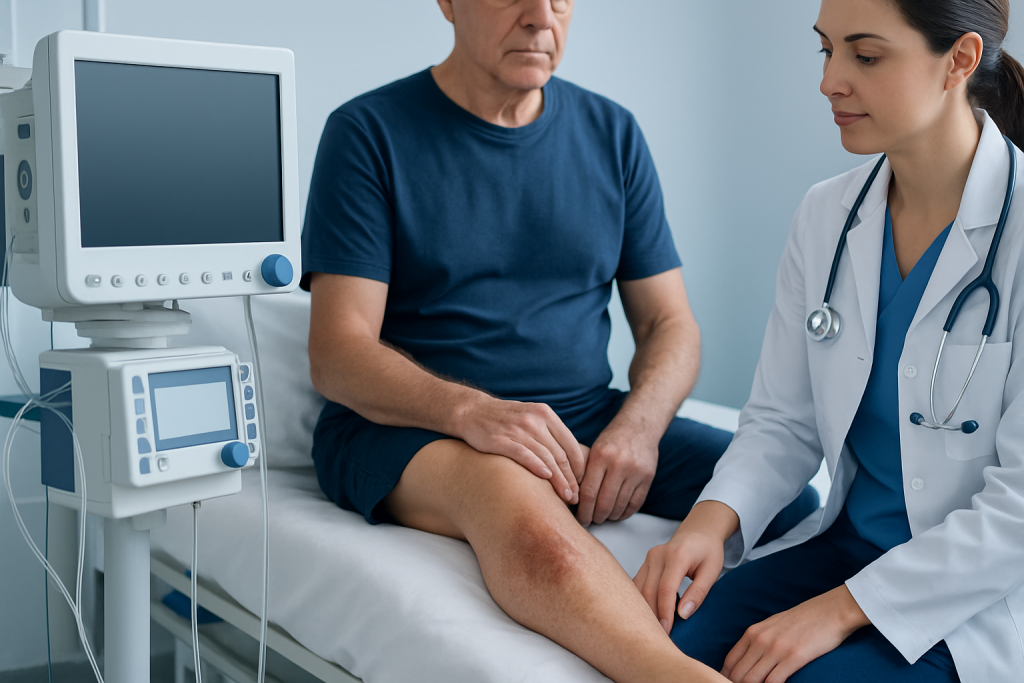
The most common symptom is an open sore on the lower leg that does not heal within a reasonable time. The ulcer may look shallow with irregular edges, and its base may appear red, yellow, or moist. Some ulcers drain clear or slightly blood-tinged fluid, and the surrounding skin can become irritated.
Many people also notice symptoms before the ulcer appears. These may include leg swelling, a feeling of heaviness, aching after standing, itching, visible varicose veins, or skin that becomes darker or firmer around the ankle. Skin changes such as redness, scaling, or a tight, shiny appearance can suggest ongoing venous disease.
Common features of stasis ulcer venous may include:
- Swelling in one or both lower legs
- Brown, purple, or reddish skin discoloration near the ankles
- A shallow wound that heals slowly
- Tenderness, burning, or aching around the ulcer
- Fluid leakage or crusting
- Skin thickening or hardening over time
If redness spreads quickly, pain becomes more intense, or there is fever or foul-smelling drainage, infection may be present and prompt assessment is important.
Why It Happens: Causes and Risk Factors
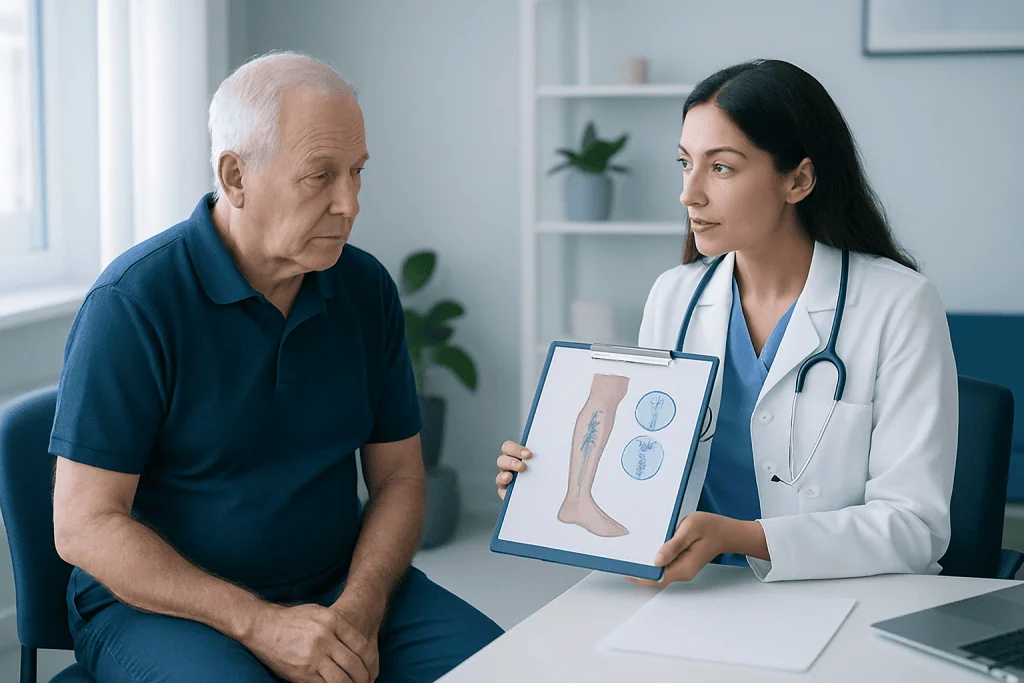
The main cause of stasis ulcer venous is chronic venous insufficiency. In healthy veins, one-way valves help move blood upward from the legs. When these valves weaken or become damaged, blood can pool in the lower legs. This raises venous pressure and gradually harms the skin and tissue.
Several factors can make venous ulcers more likely. A previous deep vein thrombosis, long-standing varicose veins, reduced mobility, obesity, and increasing age can all contribute. Jobs or routines that involve prolonged standing or sitting may also worsen venous pressure in the legs.
Other conditions can affect healing or raise risk, including diabetes, heart failure, smoking, poor nutrition, and a history of leg injury. Not every lower-leg ulcer is venous, however. Doctors may also consider arterial disease, pressure injury, neuropathic ulcers, inflammatory skin conditions, or other causes such as varicose veins associated with chronic circulation changes.
How Doctors Diagnose a Venous Stasis Ulcer
Diagnosis begins with a careful medical history and physical examination. A doctor usually looks at the ulcer’s location, depth, drainage, surrounding skin, and signs of swelling or visible vein disease. They also ask about prior leg ulcers, blood clots, surgery, mobility, and symptoms that may point to arterial disease or infection.
Because compression is often central to treatment, checking blood flow is important before it is started or intensified. This may include a pulse exam and an ankle-brachial index, a simple comparison of blood pressure at the ankle and arm that helps assess arterial circulation. This step matters because a leg ulcer caused partly by poor arterial flow may need a different approach.
Imaging is often used to understand the vein problem more clearly. A venous duplex ultrasound can show valve failure, reflux, or blockage in the leg veins and helps guide treatment planning. In some cases, wound swabs, blood tests, or a biopsy may be considered if the ulcer looks unusual, fails to heal, or raises concern for another diagnosis.
Treatment Options and Healing Approach
Treatment usually combines wound management with therapies that reduce venous pressure. Compression bandages or stockings are a cornerstone of care because they help move fluid out of the leg and support blood flow upward. However, compression should be selected by a healthcare professional after circulation has been assessed.
Local wound care is tailored to the ulcer’s size, drainage, and tissue condition. This may include gentle cleansing, dressings that maintain an appropriate moisture balance, and debridement when dead tissue needs to be removed to support healing. Infection is treated when clearly present, but antibiotics are not routinely needed for every venous ulcer.
Many patients also benefit from addressing the underlying vein abnormality. Depending on the findings, doctors may recommend procedures used in varicose vein treatment to reduce reflux in damaged veins and lower the chance of recurrence. Some people may also need specialist wound support, leg elevation plans, exercise guidance, pain management, or treatment for related conditions that delay healing.
If an ulcer is large, long-standing, or resistant to standard care, advanced wound therapies may be considered in selected cases. The exact plan depends on the person’s circulation, overall health, skin condition, and how the wound responds over time.
Self-care, Daily Habits, and Preventing Recurrence
Even after a venous ulcer heals, the skin remains vulnerable unless the circulation problem is managed. Daily habits can make a meaningful difference. Leg elevation above heart level when resting may help reduce swelling, and regular walking can activate the calf muscles, which act like a pump to move blood through the veins.
Compression garments are often recommended after healing to help prevent another ulcer. It is important to wear them as advised, replace them when they lose elasticity, and report discomfort or skin changes to a clinician. Moisturizing the lower legs, protecting the skin from injury, and treating eczema or itching early may also help maintain skin integrity.
General health habits support healing as well:
- Stay physically active within personal limits
- Avoid standing or sitting still for long periods
- Maintain a weight range recommended by a doctor
- Stop smoking if applicable
- Follow care instructions for dressings and skin care
- Manage long-term conditions such as diabetes or heart disease
Prevention is usually most effective when lifestyle measures are combined with follow-up for the underlying venous disease rather than focusing on the wound alone.
When to Seek Medical Care
Medical assessment is important for any lower-leg wound that does not begin to improve, especially if it has been present for more than a short time or keeps coming back. Professional evaluation helps confirm whether the ulcer is venous and whether there are other circulation issues affecting treatment choices.
Urgent care is appropriate if there is rapidly increasing redness, warmth, swelling, severe pain, pus, bad odor, fever, or sudden worsening of the wound. These signs may suggest infection or another complication that should not be managed at home alone.
People should also seek care if they have diabetes, known artery disease, a history of blood clots, or a wound that becomes black, very painful, or unusually pale. In these situations, prompt evaluation can help protect tissue and guide safe treatment. Near the end of the care pathway, some patients may be referred for vascular assessment or cardiovascular surgery expertise if complex circulation problems are involved. Acibadem International’s multidisciplinary specialists and JCI-accredited hospitals diagnose and treat venous ulcers and related vascular conditions for international patients.
Frequently asked questions
Is stasis ulcer venous the same as a regular skin wound?
No. A venous stasis ulcer is usually related to long-term problems in the leg veins, so it is more than a simple surface injury. It often needs treatment for both the wound itself and the underlying circulation problem.
Where do venous stasis ulcers usually appear?
They most often develop on the lower leg, especially near the inner ankle. This area is particularly affected by increased venous pressure and swelling over time.
Can a stasis ulcer venous heal on its own?
Some small ulcers may improve, but many heal slowly or return if the vein problem is not addressed. Medical care can speed healing, reduce discomfort, and lower the risk of recurrence.
Are compression stockings always safe to use?
Compression is very helpful for many venous ulcers, but it should not be started without proper assessment in some cases. A doctor may first check arterial blood flow to make sure compression is safe and appropriate.
How long does healing usually take?
Healing time varies widely depending on ulcer size, duration, infection, circulation, and overall health. Some ulcers improve within weeks, while others need longer-term care and follow-up.
Do venous ulcers come back after healing?
They can recur, especially if swelling and venous insufficiency are not managed over time. Ongoing compression, skin care, activity, and follow-up can help reduce the chance of another ulcer.
References
- World Health Organization
- Society for Vascular Surgery
- National Institute for Health and Care Excellence
- Wound, Ostomy and Continence Nurses Society
- American Academy of Dermatology
This article is for general information only and is not a substitute for professional medical advice. Please consult a qualified doctor about your individual situation.
Persistent digestive symptoms? Get evaluated in Turkey
JCI-accredited · board-certified surgeons · reply within 24h
Add us as a Preferred Source to see more of our trusted health content across Google Search, AI Overviews and Discover.
Check your numbers in seconds
BMI, calories, due date, blood pressure and 30+ more clinical calculators — free, instant, doctor-reviewed ranges.