

Stickler Syndrome: Diagnosis, Outlook, and Modern Treatment Approaches
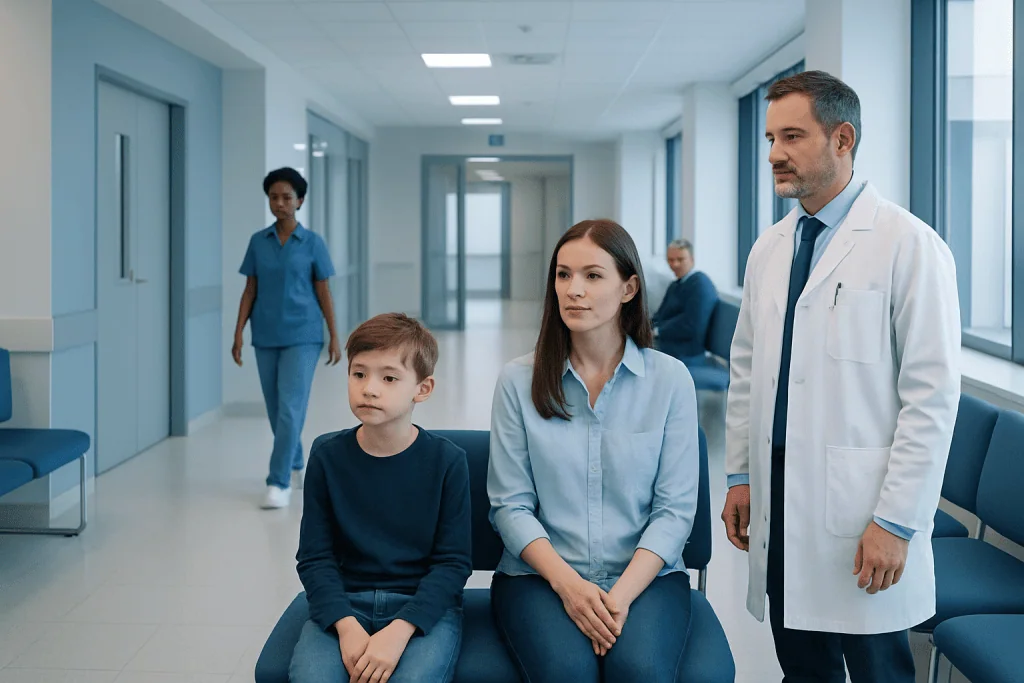
Stickler syndrome is usually inherited and affects collagen, an important structural protein in the body. Common features involve the eyes, ears, joints, and facial structure, but symptoms vary widely from person to person.
Key Takeaways
- Stickler syndrome is usually inherited and affects collagen, an important structural protein in the body.
- Common features involve the eyes, ears, joints, and facial structure, but symptoms vary widely from person to person.
- Early diagnosis is important because some complications, especially retinal problems, need prompt care.
- Treatment is personalized and may include eye care, hearing support, orthopedic management, speech or airway support, and genetic counseling.
- Lifelong follow-up with multiple specialists helps monitor changing needs over time.
Stickler syndrome is a genetic connective tissue disorder that can affect vision, hearing, joints, and facial development from infancy through adulthood. Modern care cannot remove the genetic cause, but early diagnosis and coordinated treatment can protect sight and hearing, improve function, and support a better long-term outlook.
Overview: what stickler syndrome means
Stickler syndrome is an inherited disorder of connective tissue, the body’s supportive framework. It most often affects the eyes, ears, joints, and parts of the face because these areas depend heavily on collagen, a protein that gives tissues strength and structure. The condition may be noticed at birth, during childhood, or sometimes later in life when vision, hearing, or joint problems become more obvious.
There is no single pattern that fits everyone with stickler syndrome. Some people have mild symptoms and lead largely typical daily lives with regular monitoring, while others need more active treatment for eye complications, hearing loss, joint pain, or facial and airway concerns. This variation can occur even within the same family.
The outlook is often best when the condition is recognized early and care is coordinated across specialties. Because the syndrome can affect several body systems at once, management usually involves more than one clinician, such as ophthalmologists, ENT or hearing specialists, pediatricians, orthopedic doctors, geneticists, and speech or craniofacial teams when needed.
Signs and symptoms across different ages
Stickler syndrome symptoms can begin in infancy or emerge gradually over time. In babies and children, early clues may include a flat facial profile, a small lower jaw, cleft palate, feeding difficulties, noisy breathing, or delayed speech due to hearing issues. In some children, the first concern is poor vision or severe nearsightedness.
Eye involvement is one of the most important features. People with stickler syndrome may develop high myopia, cataracts, glaucoma, or changes in the vitreous, the gel-like material inside the eye. The most urgent risk is retinal detachment, which can threaten vision and requires fast medical attention. Related retinal problems may overlap with conditions discussed in retinal detachment.
Hearing loss may be mild or more noticeable and can affect one or both ears. Joint symptoms may include hypermobility in childhood, early joint pain, stiffness, fatigue with activity, or osteoarthritis at a younger age than expected. Some individuals also have spinal curvature or other skeletal changes.
- Common eye symptoms: blurred vision, strong glasses prescription, flashes, floaters, or a curtain-like shadow over vision
- Common hearing symptoms: reduced hearing, recurrent ear concerns, delayed language development in children
- Common joint symptoms: flexible joints in childhood, pain, stiffness, early wear-and-tear arthritis
- Common facial or airway symptoms: cleft palate, small jaw, snoring, breathing or feeding difficulties in infancy
Causes and inherited risk

Stickler syndrome is caused by changes in genes involved in collagen formation, most commonly COL2A1, COL11A1, and COL11A2. These genes help produce the collagen needed for normal development of the eyes, cartilage, joints, inner ear structures, and parts of the face. When the collagen is altered, tissues may be more fragile or develop differently.
Many cases follow an autosomal dominant inheritance pattern, which means a parent with the condition may pass the gene change to a child. Less commonly, inheritance may be autosomal recessive depending on the gene involved. Sometimes a child is the first person in the family to be diagnosed because the genetic change happened for the first time in that individual or because relatives had very mild features.
Having a family history of early retinal detachment, strong nearsightedness, hearing loss, cleft palate, or early arthritis can raise suspicion. Still, not everyone shows all features, and the condition may be missed if symptoms are evaluated separately rather than as part of one syndrome. Genetic counseling can help families understand inheritance, recurrence risk, and testing options.
How diagnosis is made
Diagnosis begins with a careful medical history, family history, and physical examination. Doctors look for patterns involving the eyes, hearing, joints, facial features, and growth or developmental history. Because symptoms can overlap with other connective tissue conditions, assessment usually focuses on the full clinical picture rather than one symptom alone.
Specialized testing often helps confirm the diagnosis and identify complications early. A detailed eye examination is central and may include retinal evaluation and imaging. Hearing tests are also important, especially in children, because even mild hearing loss can affect speech and learning. Depending on symptoms, doctors may also recommend joint or spine imaging, sleep or airway assessment, and evaluation by craniofacial or speech specialists.
Genetic testing can support or confirm the diagnosis and may clarify the subtype of stickler syndrome. Knowing the genetic cause can guide family counseling and sometimes helps with long-term planning. Because eye complications can be serious, prompt referral to a comprehensive eye examination is often an important part of diagnosis and ongoing follow-up.
Modern treatment approaches and long-term care
Treatment for stickler syndrome is tailored to the person’s symptoms and stage of life. There is currently no cure that reverses the underlying genetic change, so care focuses on preventing complications, preserving function, and improving quality of life. This usually means long-term follow-up rather than one-time treatment.
Eye care is a major priority because vision-threatening problems may develop suddenly. Regular ophthalmology visits help monitor myopia, cataracts, glaucoma, and retinal health. If a retinal tear or detachment occurs, urgent treatment is needed and may include procedures used in retinal detachment surgery. In selected cases, specialists may discuss preventive retinal strategies based on individual risk.
Hearing management may include regular audiology reviews, classroom support for children, hearing aids, and treatment of related ENT issues when present. Joint and spine symptoms may be addressed with physiotherapy, activity modification, pain management, posture support, and orthopedic assessment. When structural problems are significant, a specialist may evaluate whether treatments used in orthopedic surgery are appropriate.
Some children need additional support for cleft palate, speech, feeding, or airway problems. Craniofacial and pediatric teams may recommend speech therapy, feeding guidance, or surgery in selected cases. If a cleft palate is present, management may include care similar to cleft lip and palate treatment. At centers such as Acibadem International, multidisciplinary specialists in JCI-accredited hospitals evaluate and treat stickler syndrome for international patients when coordinated care is needed.
Living with stickler syndrome: prevention and self-care
Self-care in stickler syndrome is less about preventing the genetic condition itself and more about reducing complications and staying ahead of changing needs. Regular scheduled follow-up is one of the most effective tools. Eye appointments should not be skipped, even when vision seems stable, because retinal changes may occur before symptoms are fully recognized.
People with joint symptoms often benefit from low-impact exercise, muscle strengthening, and joint-protective habits. A clinician or physiotherapist can suggest activities that support mobility without excessive strain. Good hearing support, classroom accommodations when needed, and prompt evaluation of speech or developmental concerns can also make everyday life easier for children and families.
Families may find it helpful to keep a record of eye findings, hearing results, surgeries, and genetic test reports. This can improve communication between specialists. Relatives may also consider genetic counseling, particularly when planning a pregnancy or when several family members have features such as early arthritis, high myopia, hearing loss, or cleft palate.
When to seek medical care
Medical care should be sought promptly if there are sudden visual symptoms such as flashes of light, new floaters, a shadow or curtain across the vision, or sudden loss of sight. These may signal a retinal tear or detachment and should be treated as urgent. New severe eye pain or a rapid change in vision also needs quick assessment.
Parents should arrange medical review if a baby has feeding difficulty, noisy breathing, repeated choking, poor weight gain, or a known small jaw or cleft palate. Children with delayed speech, suspected hearing loss, frequent falls, significant joint pain, or school difficulties related to hearing or vision should also be assessed.
Adults should speak with a doctor if they develop progressive joint stiffness, reduced mobility, back problems, worsening hearing, or visual changes. Ongoing symptoms may not always be emergencies, but they deserve review because timely treatment can prevent further complications and support day-to-day function.
Frequently asked questions
Is stickler syndrome curable?
Stickler syndrome itself is not curable because it is caused by an inherited genetic change. However, many of its complications can be monitored, treated, or reduced with early and ongoing care. Long-term follow-up is important to protect vision, support hearing, and manage joint or facial concerns.
What is usually the first sign of stickler syndrome?
The first sign varies from person to person. In some babies, facial differences, cleft palate, feeding issues, or breathing concerns are noticed early. In others, severe nearsightedness, hearing loss, or joint hypermobility may be the first clue.
Can adults be diagnosed with stickler syndrome?
Yes. Some people are not diagnosed until adolescence or adulthood, especially if childhood symptoms were mild or were assessed separately. Adults may come to attention because of retinal problems, hearing loss, or early-onset joint pain and arthritis.
Does stickler syndrome always cause blindness?
No, it does not always cause blindness. The main concern is that it increases the risk of serious eye problems, including retinal detachment, which can threaten vision if not treated quickly. Regular ophthalmology follow-up helps detect issues early and improve the chance of preserving sight.
How is stickler syndrome inherited?
It is often inherited in an autosomal dominant pattern, meaning one altered copy of the gene can cause the condition. Some forms are inherited differently, including autosomal recessive patterns. Genetic counseling can explain what a specific diagnosis means for other family members and future pregnancies.
Can children with stickler syndrome go to regular school?
Many children with stickler syndrome attend regular school. Some may need support such as hearing aids, speech therapy, vision accommodations, or seating changes in the classroom. Early communication between families, teachers, and clinicians can help children learn comfortably and confidently.
References
- National Organization for Rare Disorders
- National Eye Institute
- American Academy of Ophthalmology
- MedlinePlus Genetics
- GeneReviews
This article is for general information only and is not a substitute for professional medical advice. Please consult a qualified doctor about your individual situation.
Joint and spine care in Turkey — expert assessment & treatment
JCI-accredited · board-certified surgeons · reply within 24h
Add us as a Preferred Source to see more of our trusted health content across Google Search, AI Overviews and Discover.

More from the Health Library



Related Specialists

Dt. Beril Karakaya Gökçimen
Oral & Dental Health
Dr. Neslihan Hot Aydın
Dermatology
Dr. Damla Sivaz
Dermatology
Dr. Büşra Nur Enez Baş
Acibadem Life Clinical Service