Still’s Disease: Symptoms, Causes, and Treatment Options

Still's disease is an inflammatory condition that can affect the whole body, not only the joints. Common features include spiking fevers, joint pain, a salmon-colored rash, sore throat, and fatigue.
Key Takeaways
- Still's disease is an inflammatory condition that can affect the whole body, not only the joints.
- Common features include spiking fevers, joint pain, a salmon-colored rash, sore throat, and fatigue.
- Diagnosis is based on symptoms, blood tests, imaging, and excluding infections, cancers, and other rheumatic diseases.
- Treatment may include anti-inflammatory medicines, corticosteroids, and targeted biologic therapies.
- Early specialist care can help control symptoms and lower the risk of long-term joint damage or complications.
Still's disease is a rare inflammatory illness that can cause recurring high fevers, joint pain, rash, and marked tiredness. It may affect children or adults, and care usually focuses on confirming the diagnosis, ruling out infections or other autoimmune diseases, and reducing inflammation to protect joints and overall health.
Overview: What is Still's disease?
Still’s disease is a rare inflammatory disorder that can cause episodes of high fever, joint pain, rash, and fatigue. In children, the condition is usually classified within systemic juvenile idiopathic arthritis, while in adults it is often called adult-onset Still’s disease. Although the names differ by age group, both forms share many clinical features and reflect an overactive inflammatory response in the body.
Unlike wear-and-tear arthritis, still’s disease is a systemic illness, meaning it may affect more than the joints. Inflammation can involve the skin, lymph nodes, liver, spleen, and the lining around the heart or lungs. Symptoms may come and go in flares, or they may persist over time and become more chronic.
The condition is uncommon, and diagnosis can take time because its early signs overlap with many other illnesses. Doctors usually consider still’s disease after excluding infections, blood disorders, and other autoimmune or autoinflammatory conditions. This step-by-step approach is important because there is no single test that confirms the diagnosis on its own.
Symptoms and how the condition may appear
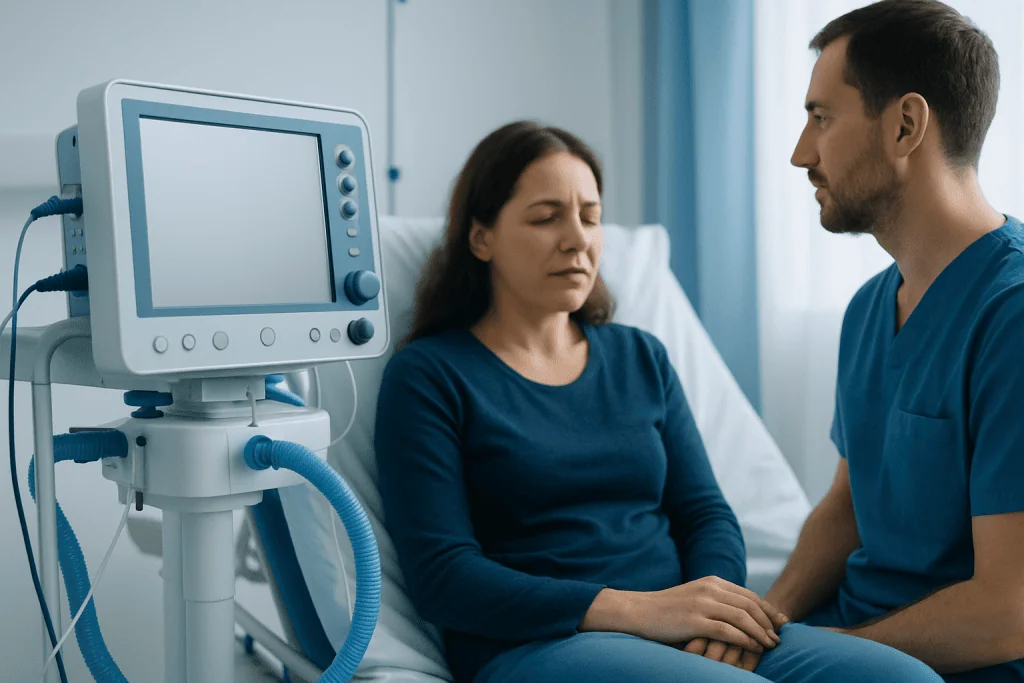
The symptom pattern of still’s disease often follows a recognizable combination. Many people develop a daily or twice-daily spiking fever, often rising in the late afternoon or evening and then falling back toward normal. Joint pain and stiffness are also common, and they may begin in one area before involving several joints.
A faint pink or salmon-colored rash can appear during fever spikes. It often comes and goes quickly, which means it may be missed unless it is present during an examination. Some people also notice a sore throat early in the illness, along with swollen lymph nodes, muscle aches, reduced appetite, and pronounced tiredness.
Symptoms can vary from person to person. Some experience a single episode that settles with treatment, while others have repeated flares or a more persistent arthritis-dominant form. Common signs and symptoms include:
- High spiking fever
- Joint pain, swelling, or stiffness
- Transient pink or salmon-colored rash
- Sore throat
- Fatigue and weakness
- Muscle aches
- Swollen lymph nodes
- Chest discomfort with deep breathing if the lining around the lungs or heart is inflamed
Because still’s disease can overlap with other inflammatory joint disorders, doctors may also compare it with conditions such as rheumatoid arthritis when evaluating ongoing joint symptoms.
Causes, triggers, and risk factors

The exact cause of still’s disease is not fully understood. Current evidence suggests that it results from dysregulation of the immune system, leading to excessive release of inflammatory signaling proteins. This helps explain why fever, rash, and joint inflammation often occur together and why targeted anti-inflammatory treatments can be effective.
Still’s disease is not considered contagious, and it is not caused by anything a person did or did not do. Researchers believe that a combination of genetic susceptibility and environmental triggers may be involved. In some cases, symptoms seem to begin after a viral or bacterial infection, but an infection is not proven to be the direct cause.
There are no clearly established lifestyle risk factors. Age can help define the form of disease, with systemic juvenile idiopathic arthritis occurring in children and adult-onset Still’s disease in adults. A family history of autoimmune or autoinflammatory illness may prompt doctors to look more closely at immune-mediated causes, but most people with still’s disease do not have a strong family pattern.
How Still's disease is diagnosed
Diagnosing still’s disease usually involves careful clinical assessment rather than a single definitive test. Doctors review the pattern of fever, joint symptoms, rash, and associated features such as sore throat or swollen lymph nodes. They also ask about recent infections, travel, medications, and family history to help narrow the possibilities.
Blood tests often show signs of significant inflammation, such as elevated erythrocyte sedimentation rate, C-reactive protein, and ferritin. Some people also have high white blood cell counts, anemia, or abnormal liver tests. At the same time, tests for other rheumatic diseases may be negative, which can support the diagnosis when matched with the right symptom pattern.
Because many serious conditions can look similar, doctors usually perform tests to rule out infection, cancer, and other inflammatory disorders. Imaging such as X-rays, ultrasound, CT, or MRI may be used to assess joints or complications affecting the chest or abdomen. In children, specialists may also evaluate for juvenile idiopathic arthritis if the clinical picture fits.
One reason diagnosis matters is the need to identify complications early. A rare but serious inflammatory complication called macrophage activation syndrome can occur in some patients and requires urgent expert treatment.
Treatment options and long-term management
Treatment for still’s disease aims to reduce inflammation, relieve symptoms, prevent joint damage, and protect organs. The choice of treatment depends on how active the disease is, whether symptoms are mainly systemic or joint-related, and whether complications are present. Management is often guided by a rheumatologist, and some people need input from pediatric, internal medicine, cardiology, or pulmonary specialists.
Initial treatment may include anti-inflammatory medicines and corticosteroids to bring active inflammation under control. If symptoms persist, return during dose reduction, or require steroid-sparing therapy, doctors may recommend disease-modifying antirheumatic drugs or biologic medicines that target specific inflammatory pathways. In selected cases, care may include rheumatology care and, for persistent joint inflammation, broader arthritis treatment planning.
Supportive care is also important. This may include physical therapy, graduated exercise, rest during flares, and monitoring for medication side effects. If chest pain, shortness of breath, or fluid around the heart or lungs is suspected, additional evaluation is needed promptly, and cardiology assessment may be part of care.
Long-term outlook varies. Some people have a single episode, while others experience relapsing or chronic disease. Regular follow-up helps clinicians adjust treatment, monitor blood tests, assess joint health, and watch for complications such as bone thinning from steroid use or ongoing joint damage.
Living with Still's disease: self-care and prevention of complications
There is no known way to fully prevent still’s disease because its exact cause is unclear. However, good disease control can reduce flares, preserve joint function, and lower the chance of complications. Following the treatment plan carefully and attending regular follow-up appointments are practical ways to support long-term health.
During active inflammation, balancing rest and movement is helpful. Gentle activity and stretching may ease stiffness, while overexertion during a flare can worsen fatigue. A physical therapist can suggest exercises that protect the joints and maintain mobility without adding strain.
General health habits also matter. These include adequate sleep, a balanced diet, staying hydrated, and avoiding smoking. People taking immune-modifying medicines should discuss vaccines, infection precautions, and routine monitoring with their medical team.
For international patients needing coordinated evaluation, Acibadem International’s multidisciplinary specialists and JCI-accredited hospitals diagnose and treat inflammatory conditions such as still’s disease, with access to advanced imaging and specialist follow-up when needed.
When to seek medical care
Medical advice should be sought if a person has repeated high fevers, unexplained rash, persistent joint pain, or severe fatigue that does not improve. These symptoms do not always mean still’s disease, but they do warrant professional evaluation, especially when they occur together or keep returning.
Urgent medical care is important for warning signs such as trouble breathing, chest pain, confusion, fainting, severe weakness, uncontrolled fever, or signs of dehydration. Immediate assessment is also needed if symptoms rapidly worsen or if there is concern for a serious inflammatory complication or infection.
Anyone already diagnosed with still’s disease should contact their doctor if symptoms flare, new joints become swollen, medicines cause side effects, or routine blood tests become abnormal. Early review can help doctors adjust treatment before inflammation causes more problems.
Frequently asked questions
Is Still's disease an autoimmune disease?
Still's disease is generally described as an inflammatory or autoinflammatory condition driven by an abnormal immune response. It shares some features with autoimmune diseases, but it is often discussed separately because the immune pathways involved can be different. A rheumatologist can explain how it fits within a person's overall diagnosis.
What is the difference between adult-onset Still's disease and juvenile Still's disease?
The main difference is the age at which the disease begins. In adults, it is called adult-onset Still's disease, while in children it is usually classified as systemic juvenile idiopathic arthritis. The symptoms and treatment principles are often similar, although care is tailored to age and individual needs.
Can Still's disease go away?
Yes, some people have a single episode that improves with treatment and does not return. Others may have recurring flares or chronic joint inflammation that needs longer-term management. Regular follow-up helps determine the pattern over time and adjust treatment appropriately.
What blood tests are common in Still's disease?
Doctors often see raised inflammatory markers such as C-reactive protein and erythrocyte sedimentation rate. Ferritin levels may be very high, and blood counts or liver tests can also be abnormal. These findings support the diagnosis, but they are not specific enough to confirm it on their own.
Is Still's disease hereditary?
Still's disease is not usually inherited in a simple way. Researchers think genetic susceptibility may contribute in some people, but most cases do not show a clear family pattern. Having a relative with an inflammatory condition does not mean someone will definitely develop still's disease.
Can Still's disease affect organs outside the joints?
Yes. Still's disease can affect the skin, lymph nodes, liver, spleen, and the lining around the lungs or heart. That is one reason doctors monitor the whole body and not only joint symptoms.
This article is for general information only and is not a substitute for professional medical advice. Please consult a qualified doctor about your individual situation.
Joint and spine care in Turkey — expert assessment & treatment
JCI-accredited · board-certified surgeons · reply within 24h
Add us as a Preferred Source to see more of our trusted health content across Google Search, AI Overviews and Discover.

More from the Health Library

Hepatitis: Early Signs, Risk Factors, and How It Is Treated

Is Pluvicto Radiation: How It Works, Results and What to Expect

Chemotherapy IV Administration: How It Works, Results and What to Expect

Vomiting Therapy: How It Works, Results and What to Expect

Understanding Restless Leg Syndrome: A Complete Patient Guide