Stint: Symptoms, Causes, and Treatment — Complete Patient Guide

In everyday use, “stint” often means “stent,” a device used to open narrowed or blocked pathways in the body. A stent itself does not cause the original disease, but it can relieve blockage-related symptoms and help restore flow.
Key Takeaways
- In everyday use, “stint” often means “stent,” a device used to open narrowed or blocked pathways in the body.
- A stent itself does not cause the original disease, but it can relieve blockage-related symptoms and help restore flow.
- Common reasons for stents include narrowed heart arteries, urinary blockage, and bile duct obstruction.
- Symptoms after stent placement depend on location and may include mild discomfort, urinary changes, or temporary irritation.
- Urgent medical review is important for chest pain, trouble breathing, fever, severe bleeding, or sudden worsening symptoms.
A stint usually refers to a stent, a small medical tube placed inside a narrowed or blocked passage such as an artery, ureter, or bile duct to help keep it open. The need for a stent depends on the underlying condition, and symptoms, treatment, and recovery can vary by where the stent is placed.
Overview: what “stint” usually means in medicine
Many people search for “stint” when they are actually referring to a stent. A stent is a small tube, usually made of metal mesh or soft flexible material, that is placed inside a narrowed or blocked part of the body to help keep it open. Stents are most commonly used in blood vessels, especially the coronary arteries of the heart, but they may also be placed in the ureter, bile duct, airway, or other passages.
A stent is not a disease on its own. It is a treatment used to manage an underlying problem such as artery narrowing, a kidney stone causing urinary blockage, or a bile duct obstruction. Because the reasons for a stent differ, the symptoms a person notices before and after placement can also be very different.
Understanding the exact type of stent matters. For example, a heart stent may be part of treatment for coronary artery disease, while a urinary stent is used to help urine drain from the kidney to the bladder. In all cases, the goal is to improve flow, reduce pressure behind a blockage, and help protect the affected organ.
What symptoms can be linked to a stent or the condition behind it?
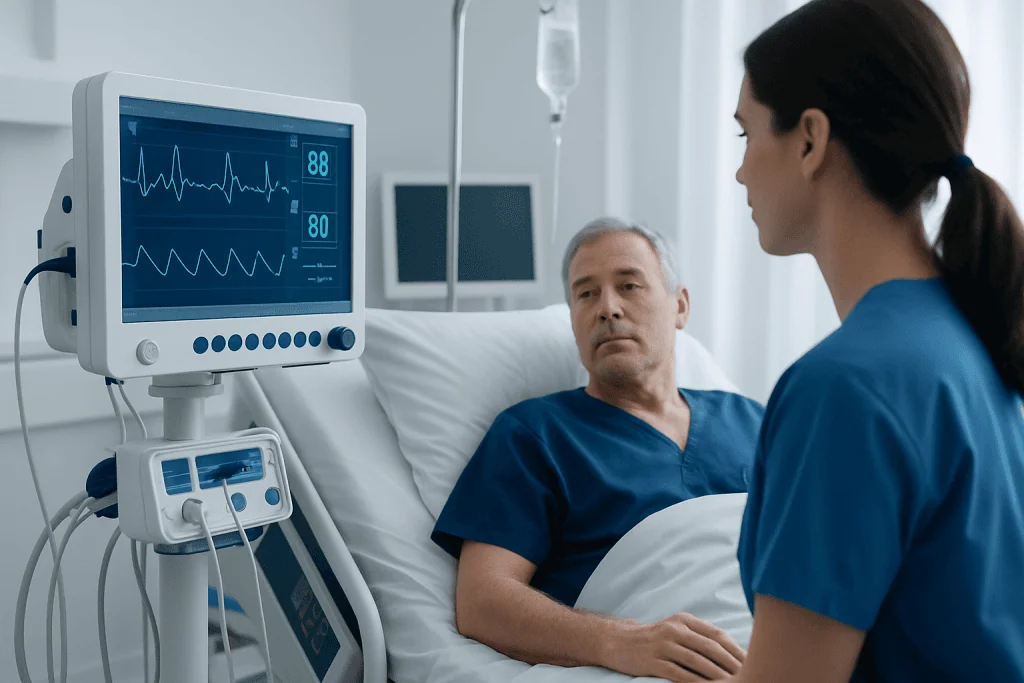
Most symptoms associated with a “stint” are actually caused by the underlying blockage rather than by the stent itself. In heart artery disease, a person may develop chest pressure, shortness of breath, unusual fatigue, or pain that spreads to the arm, jaw, or back. In urinary blockage, symptoms may include flank pain, nausea, reduced urine flow, or recurrent urinary infections. Bile duct blockage may lead to jaundice, dark urine, itching, pale stools, or abdominal discomfort.
After a stent is placed, mild short-term symptoms can be normal. A person with a heart stent may feel soreness or bruising where the catheter entered the body, often in the wrist or groin. Someone with a ureteral stent may notice urinary urgency, frequency, mild blood in the urine, or discomfort in the lower abdomen or side. These effects are often temporary, but they should still be discussed with a clinician if they are troublesome.
Symptoms that may suggest a problem need prompt attention. These can include severe chest pain, fainting, fever, worsening abdominal pain, heavy bleeding, inability to pass urine, or sudden shortness of breath. The meaning of symptoms depends on the type of stent and the person’s overall health, so medical review is important rather than self-diagnosis.
- Heart-related symptoms: chest pain, breathlessness, exercise intolerance
- Urinary symptoms: flank pain, burning urination, blood in urine, urgency
- Biliary symptoms: jaundice, itching, dark urine, abdominal discomfort
- Post-procedure symptoms: bruising, temporary irritation, mild discomfort
Why a stent may be needed: causes and risk factors

The most familiar use of a stent is in the treatment of narrowed arteries. Over time, fatty deposits called plaque can build up in artery walls, reducing blood flow. If a coronary artery becomes significantly narrowed or blocked, a stent may be placed to restore blood flow to the heart muscle, often during a minimally invasive procedure such as coronary angiography.
Stents are also used outside the heart. A ureteral stent may be needed if a kidney stone, swelling, scar tissue, or tumor blocks urine flow from the kidney. A bile duct stent may be placed if gallstones, inflammation, scarring, or a pancreatic or biliary condition causes obstruction. In some cases, stents are used as part of cancer care to relieve pressure and improve drainage or breathing.
Risk factors depend on the condition involved. For heart-related stenting, common contributors include smoking, high blood pressure, diabetes, high cholesterol, obesity, family history, kidney disease, and a sedentary lifestyle. Urinary and biliary stenting may be linked to stones, infections, prior surgery, inflammatory disease, or tumors. The same term, therefore, can refer to very different medical situations, which is why a clear diagnosis is essential.
How doctors diagnose the problem and decide on stent placement
Before recommending a stent, doctors first identify the site and cause of the blockage. This usually starts with a medical history, symptom review, and physical examination. Blood tests, urine tests, and imaging may be used depending on the organ involved. The aim is not only to confirm a blockage but also to understand how urgent it is and whether a stent is the best option.
For suspected heart artery narrowing, diagnostic tools may include an electrocardiogram, stress testing, echocardiography, CT-based imaging, or catheter-based angiography. For urinary blockage, ultrasound, CT scanning, or cystoscopy may be used. Biliary obstruction is often evaluated with liver blood tests, ultrasound, MRCP, CT, or endoscopic procedures such as ERCP.
Doctors also assess whether the blockage can be treated in another way. Some people may benefit from medication, stone removal, surgery, or observation rather than immediate stent placement. In others, stenting is the safest and fastest way to relieve obstruction, reduce symptoms, and prevent organ damage.
Treatment options and what the procedure may involve
Treatment depends on the type of stent and the reason it is needed. In cardiology, a stent is often placed during angioplasty. A thin catheter is guided through a blood vessel to the narrowed artery, a small balloon is inflated, and a stent is left in place to support the vessel wall. This may be done urgently during a heart attack or electively for significant artery narrowing causing symptoms.
Urinary and biliary stents are usually inserted using endoscopic or imaging-guided techniques. A ureteral stent helps urine bypass a blockage and drain from the kidney to the bladder. A biliary stent helps bile flow when a duct is narrowed or obstructed. Some stents are temporary and are removed or replaced later; others are designed to remain longer depending on the condition being treated.
Medical therapy often continues after the procedure. A person with a heart stent may need medicines to reduce clotting risk and lower cholesterol, as well as treatment for blood pressure or diabetes. Follow-up may include cardiology check-up appointments, repeat imaging, or planned stent removal in non-cardiac cases. If a broader cardiovascular evaluation is needed, a doctor may also recommend cardiovascular surgery review for structural or complex vascular disease.
No procedure is completely risk-free. Possible complications vary by site and can include bleeding, infection, blood clots, stent blockage, stent movement, tissue irritation, or recurrence of the original narrowing. Care teams discuss these risks individually and balance them against the risks of leaving the blockage untreated.
Recovery, prevention, and self-care after stent placement
Recovery is shaped by where the stent is placed and why it was needed. Many people return to light activity within a short time after minimally invasive procedures, although the exact timeline differs. Rest, hydration, wound care, and taking medicines exactly as prescribed are important. People should not stop antiplatelet or other prescribed medication without medical advice, especially after a heart stent.
Self-care also includes watching for warning signs such as increasing pain, fever, swelling, heavy bleeding, worsening shortness of breath, or new difficulty passing urine. Mild discomfort can be common, but severe or persistent symptoms should be reviewed. Follow-up visits help confirm that the stent is working properly and that the underlying condition is being managed.
Prevention focuses mainly on preventing the original problem from returning or worsening. For cardiovascular disease, this may include stopping smoking, improving diet quality, staying physically active, managing stress, and keeping cholesterol, blood pressure, and diabetes under control. For urinary or biliary conditions, prevention may include stone prevention strategies, treating infections promptly, and following advice on imaging or repeat procedures when needed.
Near the end of the care pathway, some patients seek coordinated support for diagnosis, treatment, and follow-up. Acibadem International’s multidisciplinary specialists and JCI-accredited hospitals evaluate and treat patients with stent-related conditions, including international patients who need organized cross-specialty care.
When to seek medical care
Medical care should be sought urgently for symptoms that could suggest a serious blockage or a complication after stent placement. These include chest pain, sudden shortness of breath, collapse, weakness on one side of the body, severe abdominal pain, high fever, inability to pass urine, or heavy bleeding. These symptoms do not always mean the stent is failing, but they do need prompt professional assessment.
Routine medical review is also important when symptoms are milder but persistent. A person should contact a doctor if they have repeated chest discomfort, increasing fatigue, frequent urinary burning, persistent blood in the urine, jaundice, or ongoing pain after the expected recovery period. Early review can identify medication side effects, infection, recurrent blockage, or the need to adjust treatment.
Anyone who is unsure what type of stent they have or what follow-up is needed should ask their treating team for clear instructions. Knowing the purpose of the stent, any medicine requirements, and the plan for removal or long-term monitoring can make recovery safer and less stressful.
Frequently asked questions
What is a stint in medical terms?
In most health-related searches, “stint” is being used to mean “stent.” A stent is a small tube placed inside a narrowed or blocked passage in the body to help keep it open and improve flow.
Is a stent only used in the heart?
No. Although heart stents are very common, stents can also be used in the ureter, bile duct, airway, and other structures. The reason for placement depends on where the blockage is and what is causing it.
What symptoms are normal after stent placement?
Mild soreness, bruising, and temporary irritation can be normal after many stent procedures. For urinary stents, some people notice urgency, mild blood in the urine, or flank discomfort. Symptoms should gradually improve, and any severe or worsening symptoms should be reviewed by a doctor.
Can a stent cure the underlying disease?
A stent helps treat the effects of a blockage, but it does not always cure the underlying condition. For example, a heart stent can improve blood flow, but long-term management of cholesterol, blood pressure, diabetes, and lifestyle factors is still important.
How long does a stent stay in place?
That depends on the type of stent and why it was inserted. Some, such as many coronary stents, are intended to remain long term. Others, such as some ureteral or biliary stents, may need to be removed or replaced after a certain period.
When should someone worry after getting a stent?
A doctor should be contacted urgently for chest pain, trouble breathing, fainting, fever, severe bleeding, inability to pass urine, or sudden severe pain. These symptoms can signal a complication or another urgent problem that needs prompt assessment.
References
- American Heart Association
- National Heart, Lung, and Blood Institute
- National Institute of Diabetes and Digestive and Kidney Diseases
- European Society of Cardiology
- Mayo Clinic
This article is for general information only and is not a substitute for professional medical advice. Please consult a qualified doctor about your individual situation.
Heart care in Turkey — expert evaluation and treatment
JCI-accredited · board-certified surgeons · reply within 24h
Add us as a Preferred Source to see more of our trusted health content across Google Search, AI Overviews and Discover.
Check your numbers in seconds
BMI, calories, due date, blood pressure and 30+ more clinical calculators — free, instant, doctor-reviewed ranges.

More from the Health Library



Related Specialists

Dr. Filiz Candan Topuz
Gynecology & Obstetrics
Dr. Cansu Hemşinlioğlu
Inpatient Clinic Physicians
Dr. Derya Uyan
Gynecology & Obstetrics
Prof. Dr. Müjgan Alikaşifoğlu
Pediatrics