Stretching Routine After Workout: A Complete Medical Overview

Post-workout stretching is best done after exercise intensity has been reduced and the body has cooled down slightly. Gentle static stretches held briefly are generally more appropriate after exercise than forceful bouncing movements.
Key Takeaways
- Post-workout stretching is best done after exercise intensity has been reduced and the body has cooled down slightly.
- Gentle static stretches held briefly are generally more appropriate after exercise than forceful bouncing movements.
- Stretching should create mild tension, not sharp pain, numbness, or joint instability.
- A balanced routine usually targets the muscle groups used during the workout, such as calves, thighs, hips, chest, shoulders, and back.
- Persistent pain, swelling, weakness, or reduced range of motion after exercise should be assessed by a qualified clinician.
A stretching routine after workout is usually safest and most helpful when it is done after a brief cool-down, while the muscles are still warm, using slow and controlled movements. It may improve short-term flexibility and help the body transition out of exercise, but it should not be painful or used to push through an injury.
Overview: What a Stretching Routine After Workout Should Do
A stretching routine after workout should help the body transition from exercise to recovery in a gradual, controlled way. In most cases, this means first lowering the exercise intensity with a short cool-down, then performing gentle stretches while the muscles are still warm. The main goals are comfort, short-term flexibility, body awareness, and relaxation rather than dramatically changing performance or preventing every injury.
Many people think stretching must be long, intense, or uncomfortable to be effective. In reality, a medical perspective is more conservative: a good post-workout routine is usually simple, targeted, and free of pain. It should match the activity that was just completed, the person’s age and mobility, and any underlying joint, tendon, or muscle conditions.
Post-exercise stretching most often uses static stretching, which means moving into a position that gently lengthens a muscle and holding it without bouncing. This differs from dynamic warm-up movements, which are often more useful before exercise. After a workout, the nervous system and muscles generally respond better to slower, calming movements than to forceful range-of-motion work.
Potential Benefits and Common Misunderstandings
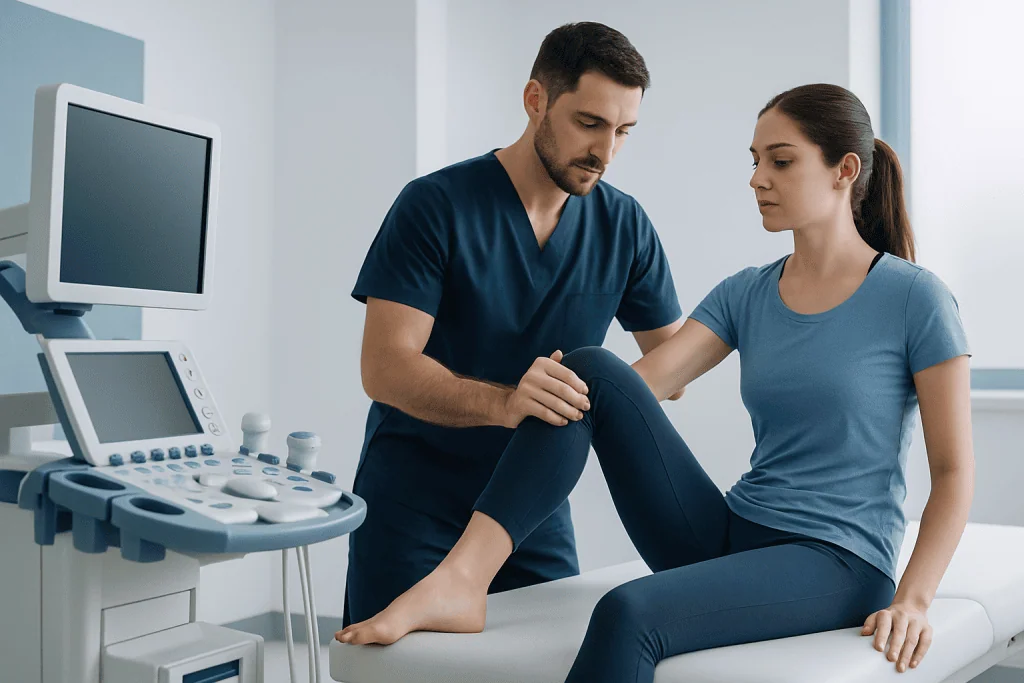
A stretching routine after workout may help reduce the feeling of tightness, improve short-term flexibility, and support a sense of physical recovery. Many people also find it mentally beneficial, because it creates a structured end to exercise and encourages slower breathing. For some, this makes it easier to notice areas of overuse early, before they become more significant problems.
However, stretching has limits. It does not reliably eliminate delayed onset muscle soreness in every person, and it should not be viewed as a guaranteed way to prevent all sports injuries. Overtraining, poor technique, inadequate rest, dehydration, and sudden increases in exercise intensity are also important causes of pain and injury.
Another common misunderstanding is that more stretching is always better. Pushing into strong discomfort, holding a stretch too long, or forcing a joint beyond its comfortable range can irritate muscles, tendons, or ligaments. People with hypermobility, recent injury, arthritis, or back problems may need a more individualized approach.
If a person repeatedly feels pain in the same area after exercise, the issue may not be simple tightness. Problems such as tendon irritation, muscle strain, or joint conditions can mimic stiffness and may benefit from medical assessment. In some cases, symptoms relate to a herniated disc or spinal alignment conditions such as scoliosis, especially when back pain or radiating symptoms are present.
How to Build a Safe Post-Workout Stretching Routine

A practical stretching routine after workout usually starts with two to five minutes of easy movement, such as slow walking, light cycling, or relaxed arm movements. This gradual cool-down allows heart rate and breathing to settle before deeper positions are attempted. Stretching immediately after abruptly stopping intense exercise may feel uncomfortable, especially after sprints or heavy lifting.
Most routines should focus on the major muscles used during the session. After running or cycling, this often includes calves, hamstrings, quadriceps, hip flexors, and gluteal muscles. After upper-body training, common areas include the chest, shoulders, upper back, forearms, and neck. A whole-body workout may call for a shorter stretch from each of these regions rather than many repetitions in one area.
For each stretch, the person can move slowly into mild tension and hold the position while breathing normally. The sensation should be steady and tolerable, not sharp, burning, or electric. Good alignment matters: for example, a hamstring stretch should lengthen the back of the thigh without forcing the lower back to round aggressively.
- Choose 5 to 8 stretches that match the workout
- Hold each stretch gently for about 15 to 30 seconds
- Repeat 1 to 3 times if needed
- Stretch both sides, even if one side feels tighter
- Avoid bouncing or jerking movements after exercise
- Stop if pain increases or symptoms spread
Examples by Body Area
For the lower body, commonly used post-workout stretches include a standing calf stretch against a wall, a quadriceps stretch while holding the ankle, a seated or lying hamstring stretch, and a gentle hip flexor stretch in a split-stance or kneeling position. These can be especially helpful after walking, running, cycling, or leg-focused strength sessions. Attention should be paid to posture so the stretch reaches the intended muscle rather than straining the joints.
For the hips and buttock region, a figure-four stretch or lying gluteal stretch may be used if comfortable. For the upper body, a doorway chest stretch, cross-body shoulder stretch, triceps stretch, and gentle upper-back opening can follow rowing, swimming, racquet sports, or weight training. Neck stretches should be especially light and should never involve forced twisting.
After abdominal or whole-body exercise, some people also add gentle spinal mobility work, such as a supported child’s pose or a mild trunk rotation. These should be done carefully, especially if there is any history of low back pain. People recovering from injury or surgery may benefit more from clinician-guided physical therapy and rehabilitation than from a generic stretching plan.
Not every muscle needs to be stretched after every session. A shorter, more consistent routine often works better than an overly long one that is difficult to maintain. The best routine is one the person can perform regularly without provoking symptoms.
When Stretching Can Be Unhelpful or Unsafe
Stretching should not be used as a way to ignore warning signs. If there is sudden pain during exercise, a popping sensation, rapid swelling, bruising, or an inability to bear weight, continuing to stretch may worsen the problem. In these cases, rest and medical advice are more appropriate than attempting to loosen the area.
Some symptoms suggest that the issue may involve nerves or a significant joint problem rather than ordinary post-exercise tightness. Examples include numbness, tingling, radiating pain down an arm or leg, marked weakness, joint locking, or repeated instability. These symptoms deserve prompt assessment, particularly if they continue beyond the workout.
Certain groups should use extra caution: older adults, people with osteoporosis, those with inflammatory joint disease, and individuals with connective tissue laxity or recent surgery. A clinician may advise modified positions, assisted stretching, or a greater focus on strengthening and movement control rather than lengthening alone.
When pain is persistent or function is limited, evaluation by specialists in orthopedics and traumatology or sports medicine may be appropriate. The aim is to identify whether the symptoms come from overuse, biomechanics, tendon disease, spinal problems, or another condition requiring targeted treatment.
Supporting Recovery Beyond Stretching
A stretching routine after workout is only one part of recovery. The body also depends on hydration, adequate nutrition, sleep, gradual training progression, and rest days. If these factors are neglected, stretching alone is unlikely to resolve ongoing stiffness or repeated discomfort.
Strength balance and exercise technique are also important. A person who repeatedly feels tight in the calves or hip flexors, for example, may actually need changes in training load, footwear, posture, or strengthening of adjacent muscle groups. For some athletes and recreational exercisers, the problem is not that the muscles are too short, but that they are overworked or compensating for weakness elsewhere.
Foam rolling, light mobility exercises, and low-intensity active recovery may be added in some situations, although comfort and preference vary. These methods should be used thoughtfully and not as a replacement for appropriate diagnosis when pain continues. Recovery plans work best when they are individualized rather than copied from a generic online routine.
When to Seek Medical Care
Medical care is recommended if pain after exercise is severe, does not improve with rest, or returns repeatedly despite a sensible stretching and recovery routine. A clinician should also assess symptoms such as swelling, bruising, weakness, reduced range of motion, or pain that interrupts sleep. These findings may indicate a strain, tendon injury, joint inflammation, or another condition that needs more than self-care.
Urgent evaluation is important for chest pain, shortness of breath, fainting, severe back pain with leg weakness, loss of bladder or bowel control, or numbness that spreads. These are not typical features of ordinary post-workout tightness. Ongoing back, neck, or joint symptoms may require imaging or specialist assessment, and in selected cases MRI can help clarify soft tissue or spinal causes.
For international patients who need assessment of exercise-related pain or mobility problems, Acibadem International’s multidisciplinary specialists and JCI-accredited hospitals provide diagnosis and treatment planning in a coordinated setting. This can be helpful when symptoms involve more than one area, such as muscle pain combined with joint or spine concerns.
Frequently asked questions
Should stretching be done before or after a workout?
Both can have a place, but they usually serve different purposes. Before exercise, dynamic movements are often preferred to prepare the body for activity, while after exercise, gentle static stretching is commonly used to cool down and address feelings of tightness.
How long should a stretching routine after workout last?
For many people, about 5 to 10 minutes is enough, especially if the stretches are focused on the muscles used during the workout. Longer routines may be helpful for flexibility goals, but they do not need to be intense to be useful.
Can stretching after exercise prevent soreness?
Stretching may help some people feel less stiff, but it does not reliably prevent all muscle soreness. Recovery also depends on training load, sleep, hydration, nutrition, and how quickly exercise intensity has increased.
Is it normal for stretching to hurt?
A mild pulling sensation can be normal, but sharp pain is not. Stretching should feel controlled and tolerable, and the position should be released if pain, tingling, numbness, or joint instability occurs.
What if one side feels much tighter than the other?
Small differences between sides are common, especially after sports with repeated one-sided movements. However, a large or persistent difference, especially if paired with pain or weakness, may need medical assessment to rule out injury or joint imbalance.
Can someone with back pain still do post-workout stretches?
Sometimes, but the safest stretches depend on the cause of the back pain. Gentle, well-supported movements may be appropriate, but forced bending or twisting can aggravate certain spine conditions, so a clinician's advice is important if symptoms keep returning.
This article is for general information only and is not a substitute for professional medical advice. Please consult a qualified doctor about your individual situation.
Explore treatments in Turkey — costs, top hospitals & a free quote
JCI-accredited · board-certified surgeons · reply within 24h
Add us as a Preferred Source to see more of our trusted health content across Google Search, AI Overviews and Discover.
Check your numbers in seconds
BMI, calories, due date, blood pressure and 30+ more clinical calculators — free, instant, doctor-reviewed ranges.

More from the Health Library

Heart Rate Variability Monitor — Explained by Medical Evidence, Not Myths

Ab Workouts — Explained by Medical Evidence, Not Myths

Speculum: An Evidence-Based Guide for Patients

Steel Cut Oats Versus Rolled: A Complete Medical Overview

Hemiplegic Migraine: An Evidence-Based Guide for Patients