Sun Protection: Preventing Sunburn, Premature Aging, and Skin Cancer

Ultraviolet radiation from the sun can damage skin even on cloudy, cool or windy days. Broad-spectrum sunscreen, protective clothing and shade work best when used together.
Key Takeaways
- Ultraviolet radiation from the sun can damage skin even on cloudy, cool or windy days.
- Broad-spectrum sunscreen, protective clothing and shade work best when used together.
- Sunburn is a sign of skin injury and repeated burns increase future skin cancer risk.
- Children, people with fair skin, outdoor workers and those taking certain medicines may need extra protection.
- Any changing, bleeding or unusual skin spot should be checked by a qualified doctor or dermatologist.
Sun protection is a daily health habit that helps reduce painful sunburn, visible premature aging and long-term skin cancer risk. A balanced approach combines sunscreen, protective clothing, shade and smart timing outdoors.
Overview
Sun protection means reducing the skin’s exposure to ultraviolet, or UV, radiation. UV rays come mainly from the sun, but they can also come from tanning beds and sun lamps. These rays are invisible, yet they can injure the skin’s surface and deeper layers, leading to sunburn, dark spots, wrinkles, loss of firmness and, over time, a higher risk of skin cancer.
There are two main types of UV rays that affect the skin. UVA rays penetrate more deeply and are strongly linked to premature aging and some skin cancers. UVB rays are a major cause of sunburn and also contribute to skin cancer. Because both types can be harmful, dermatologists generally recommend broad-spectrum protection, which means protection against both UVA and UVB.
Effective sun protection is not only for beach holidays or very hot weather. UV radiation can reach the skin during everyday activities such as walking, driving, gardening, exercising outdoors or sitting near a window. A simple routine can help people enjoy outdoor life while lowering preventable skin damage.
How UV Exposure Affects the Skin
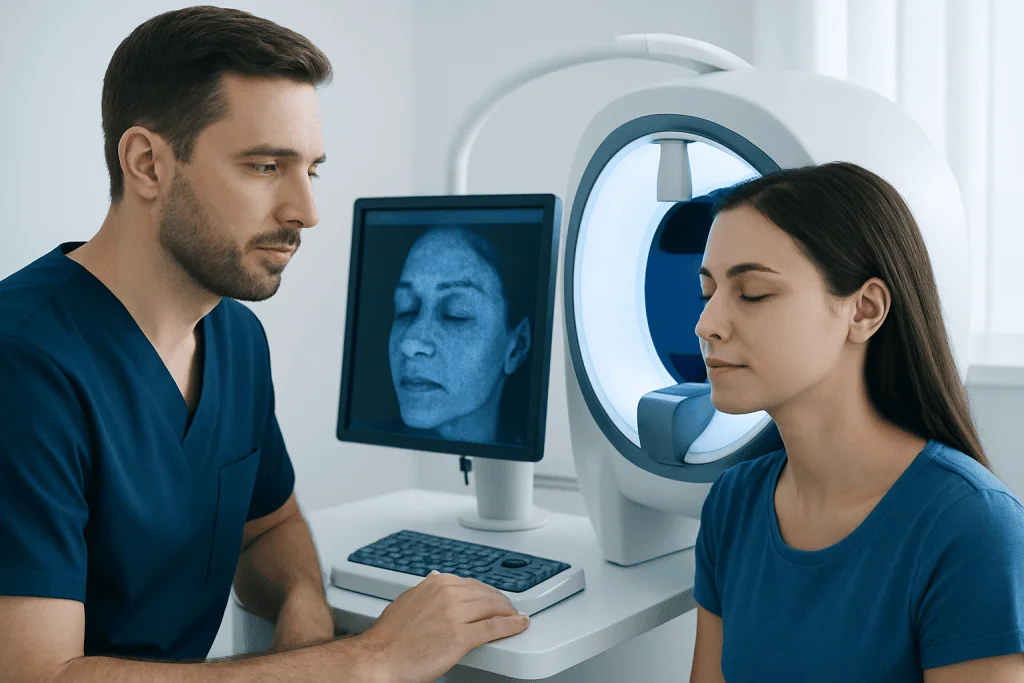
Sunburn is the most immediate and visible sign of excessive UV exposure. The skin may become red, warm, tender, itchy or swollen, and in more severe cases blisters can form. Even when redness fades, the skin has still experienced cellular damage. Peeling after a sunburn is the body’s way of removing damaged skin cells.
UV exposure also affects the skin gradually. Over months and years, it can contribute to changes often called photoaging. These may include fine lines, deeper wrinkles, rough texture, uneven pigmentation, visible small blood vessels and areas of thickened or leathery skin. Although aging is natural, UV exposure can accelerate these visible changes.
The most important long-term concern is skin cancer. UV radiation can damage the DNA inside skin cells. The body can repair some damage, but repeated or intense exposure may allow abnormal cells to develop. Common skin cancers include basal cell carcinoma, squamous cell carcinoma and melanoma. Many skin cancers are treatable when found early, which is why prevention and skin checks are both important.
Who Needs Extra Sun Protection?

Everyone can benefit from sun protection, regardless of skin tone. People with darker skin have more natural melanin, which provides some protection, but it does not make the skin immune to UV damage or skin cancer. In darker skin tones, skin cancers may be diagnosed later because changes can be less obvious or occur in areas not usually exposed to the sun.
Some people have a higher risk of sun damage and should be especially careful. These include people with fair skin, light eyes, red or blond hair, many moles, a personal or family history of skin cancer, a history of blistering sunburns, or a weakened immune system. Children are also vulnerable because early-life sunburns can contribute to later risk.
Certain medicines and treatments can make the skin more sensitive to sunlight. Examples may include some antibiotics, acne treatments, anti-inflammatory medicines, diuretics, heart medicines and cancer therapies. People taking regular medication should ask a doctor or pharmacist whether increased sun sensitivity is a possible side effect.
- Outdoor workers and athletes may receive high cumulative UV exposure.
- People living at higher altitudes or near reflective surfaces such as water, snow or sand may be exposed to stronger UV levels.
- Travelers to sunny climates should plan protection before departure.
Choosing and Using Sunscreen Correctly
Sunscreen is an important part of sun protection, but it works best when used correctly and combined with other measures. A broad-spectrum sunscreen with an appropriate sun protection factor, or SPF, helps reduce UVB damage and, if labeled broad-spectrum, also helps protect against UVA. For daily use, many dermatology organizations recommend SPF 30 or higher, especially when spending time outdoors.
Sunscreen should be applied generously to all exposed skin, including commonly missed areas such as the ears, back of the neck, tops of the feet, hands, hairline and lips. It is best applied before going outdoors so it can form an even protective layer. Reapplication is important, especially after swimming, sweating, toweling off or spending extended time outside. No sunscreen blocks all UV rays, and water-resistant does not mean waterproof.
Different formulations may suit different needs. Creams can be comfortable for dry skin and the face, gels may be useful for hairy areas, sticks are convenient around the eyes, and sprays can be practical but should be applied carefully to avoid inhalation and to ensure complete coverage. People with sensitive skin may prefer mineral sunscreens containing zinc oxide or titanium dioxide, while those with acne-prone skin may look for non-comedogenic products.
Clothing, Shade and Smart Timing
Sun protection is most reliable when sunscreen is supported by physical barriers. Clothing can provide excellent coverage, especially tightly woven fabrics, long sleeves and long trousers or skirts. Some garments carry an ultraviolet protection factor, or UPF, label, which indicates how well the fabric blocks UV radiation. A wide-brimmed hat can protect the face, ears, scalp and neck better than a narrow-brimmed cap.
Sunglasses are also part of sun safety. UV exposure can affect the eyes and the delicate skin around them. Sunglasses that block UVA and UVB rays help protect the eyes and may reduce squinting, which can contribute to lines around the eyes. Wraparound styles can provide extra coverage from side exposure.
Shade is helpful, especially when the sun is strong, but it is not complete protection because UV rays can scatter and reflect from surfaces. Planning outdoor activities earlier in the morning or later in the afternoon can reduce exposure. The UV index, available in many weather apps, is a useful guide; higher numbers mean stronger UV radiation and a greater need for protection.
- Use shade from trees, umbrellas, canopies or buildings whenever possible.
- Be cautious around water, sand, concrete and snow, which can reflect sunlight.
- Do not use tanning beds; they expose the skin to UV radiation and increase skin cancer risk.
Sunburn Care and Daily Skin Self-Care
If sunburn occurs, the first step is to get out of the sun and avoid further exposure while the skin heals. Cool showers, cool compresses and gentle moisturizing can help soothe discomfort. Drinking water is important because sunburn can contribute to fluid loss, especially if a person has been active or in hot weather.
Blisters should not be intentionally popped, as this can increase the risk of infection. Harsh scrubs, exfoliating acids and fragranced products may irritate sunburned skin and are best avoided until healing is complete. If pain is significant, widespread blistering occurs or the person feels unwell, medical advice is recommended.
Long-term self-care includes developing a routine that fits daily life. Keeping sunscreen near the toothbrush, in a work bag or by the door can make it easier to remember. People should also check their skin regularly for new or changing spots, including less visible areas such as the scalp, soles, nails and between the toes. A partner or family member can help check the back and other hard-to-see areas.
When to See a Doctor
A doctor or dermatologist should evaluate any mole, patch or skin growth that changes in size, shape or color; bleeds; crusts; does not heal; becomes painful; or looks different from other spots on the body. The ABCDE guide can be useful for melanoma awareness: asymmetry, border irregularity, color variation, diameter change and evolution over time. However, not all concerning lesions follow these rules, so professional assessment is important when there is doubt.
Medical care is also appropriate for severe sunburn, especially if there are extensive blisters, fever, chills, dizziness, confusion, dehydration, signs of infection or sunburn in a baby or young child. People with a history of skin cancer, numerous atypical moles or immunosuppression may need regular dermatologist-led skin examinations.
At Acibadem International, multidisciplinary specialists in JCI-accredited hospitals diagnose and treat skin conditions, including sun damage and suspected skin cancers, for international patients. Any person concerned about sunburn, changing moles or skin cancer risk should seek advice from a qualified healthcare professional rather than relying on self-diagnosis.
Frequently asked questions
Is sunscreen necessary on cloudy days?
Yes. A significant amount of UV radiation can pass through clouds, and skin damage may occur even when the weather feels cool or overcast. Daily sun protection is especially important for the face, neck, hands and other commonly exposed areas.
What does broad-spectrum sunscreen mean?
Broad-spectrum sunscreen is designed to protect against both UVA and UVB rays. UVA rays contribute strongly to premature skin aging, while UVB rays are a main cause of sunburn. Both types can contribute to skin cancer risk.
How often should sunscreen be reapplied?
Sunscreen should generally be reapplied regularly during outdoor exposure, especially after swimming, sweating or towel drying. People should follow the product label and remember that water-resistant sunscreens still need reapplication. Applying too little sunscreen can reduce the protection it provides.
Can people with darker skin get sunburn or skin cancer?
Yes. Darker skin contains more melanin, which offers some natural protection, but it does not block all UV damage. Skin cancer can occur in any skin tone and may appear in areas that receive little sun exposure, so new or changing spots should be checked.
Are tanning beds safer than the sun?
No. Tanning beds emit ultraviolet radiation that can damage skin cells and increase the risk of premature aging and skin cancer. A tan is a sign that the skin is responding to injury, not a sign of health.
What is the best sun protection for children?
Children should be protected with shade, protective clothing, hats and sunglasses, along with age-appropriate sunscreen on exposed skin. Babies under 6 months should be kept out of direct sun as much as possible, and parents should ask a pediatrician for personalized advice about sunscreen use in infants.
References
- World Health Organization
- American Academy of Dermatology Association
- Centers for Disease Control and Prevention
- Skin Cancer Foundation
- National Cancer Institute
This article is for general information only and is not a substitute for professional medical advice. Please consult a qualified doctor about your individual situation.
Skin Cancer in Turkey — costs, top hospitals & a free quote
JCI-accredited · board-certified surgeons · reply within 24h
Add us as a Preferred Source to see more of our trusted health content across Google Search, AI Overviews and Discover.