Supraventricular Tachycardia: Fast Heartbeat Episodes Explained

SVT is a rapid heart rhythm that begins above the heart ventricles and often starts and stops suddenly. Common symptoms include palpitations, a racing pulse, chest discomfort, lightheadedness, shortness of breath, or anxiety-like sensations.
Key Takeaways
- SVT is a rapid heart rhythm that begins above the heart ventricles and often starts and stops suddenly.
- Common symptoms include palpitations, a racing pulse, chest discomfort, lightheadedness, shortness of breath, or anxiety-like sensations.
- Diagnosis usually relies on an ECG or rhythm monitoring to capture the heartbeat during an episode.
- Treatment may include vagal maneuvers, medicines, cardioversion in selected urgent cases, or catheter ablation for recurrent SVT.
- People should seek urgent medical care for fainting, severe chest pain, severe breathlessness, or symptoms that do not settle.
Supraventricular tachycardia, often called SVT, is a type of fast heart rhythm that starts in the upper chambers of the heart and can cause sudden episodes of palpitations. Although episodes can feel unsettling, many people with SVT are diagnosed accurately and treated effectively with lifestyle measures, medicines, or procedures when needed.
Overview
Supraventricular tachycardia, abbreviated as SVT, describes a group of abnormal fast heart rhythms that begin above the ventricles, the heart’s lower pumping chambers. During an episode, the heart may suddenly race much faster than usual, often without warning. The episode may last seconds, minutes, or longer, and it may stop just as suddenly as it began.
The heart has an electrical system that coordinates each beat. Normally, an electrical signal starts in the sinus node in the right atrium and travels in an organized way through the heart. In SVT, an extra electrical pathway or an irritable area of heart tissue can allow signals to loop or fire too quickly, producing a rapid rhythm.
SVT can occur in people with otherwise healthy hearts, and it is seen in both younger and older adults. It is usually not the same as a heart attack, but symptoms can overlap with other heart or medical conditions. For this reason, a proper medical evaluation is important, especially when episodes are new, frequent, prolonged, or associated with concerning symptoms.
Symptoms
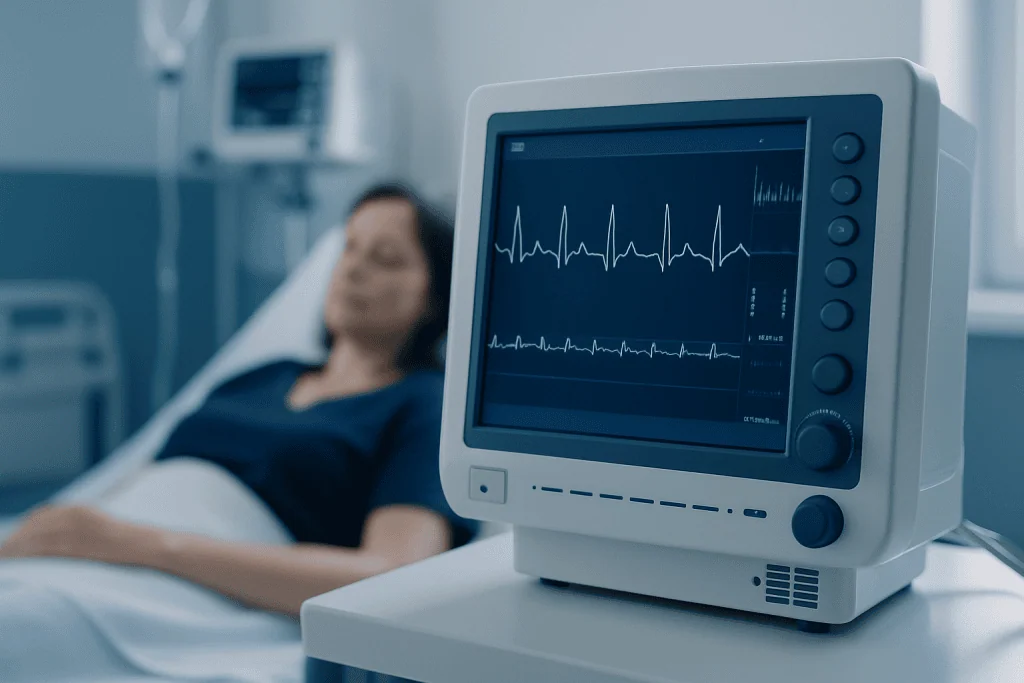
The most noticeable symptom of SVT is usually palpitations, which may feel like a racing, pounding, fluttering, or regular rapid heartbeat. Many people can identify the exact moment the rhythm begins and ends. Some describe a feeling of the heart suddenly switching into a fast mode.
Other symptoms may occur because the heart is beating too quickly to fill and pump as efficiently as usual. These can include lightheadedness, fatigue, shortness of breath, chest tightness or discomfort, sweating, nausea, or a feeling of anxiety. Symptoms can vary from mild and brief to more disruptive.
Some people notice SVT during exercise, emotional stress, after caffeine or alcohol, or when they are tired or dehydrated. Others have episodes at rest or during sleep. The intensity of symptoms does not always reflect how serious the rhythm is, so documenting episodes and discussing them with a clinician is helpful.
- Sudden rapid pulse that feels regular
- Fluttering or pounding in the chest or neck
- Dizziness or near-fainting
- Shortness of breath or reduced exercise tolerance
- Chest discomfort, especially during longer episodes
Causes & Risk Factors

SVT is caused by abnormal electrical activity in the upper part of the heart. The most common forms include atrioventricular nodal re-entrant tachycardia, atrioventricular re-entrant tachycardia related to an extra pathway, and atrial tachycardia. These names describe where the fast signal begins or how it circulates through the heart’s electrical system.
In some people, SVT is related to an electrical pathway that has been present since birth, even if symptoms do not appear until adolescence or adulthood. In others, episodes may be encouraged by triggers such as caffeine, alcohol, nicotine, recreational stimulants, lack of sleep, dehydration, fever, emotional stress, or certain medicines. Thyroid disease, anemia, lung disease, and other heart conditions can also contribute to palpitations or fast rhythms.
Risk factors include a personal or family history of arrhythmias, previous heart surgery, structural heart disease, and some inherited electrical conditions. However, many people with SVT have no obvious risk factor and no major heart disease. Identifying triggers is useful, but it should not replace medical assessment when symptoms are significant or recurrent.
Diagnosis
The key to diagnosing SVT is recording the heart rhythm during symptoms. A standard electrocardiogram, or ECG, may show SVT if the episode is happening at the time of the test. If symptoms come and go, a doctor may recommend ambulatory rhythm monitoring, such as a Holter monitor, event monitor, patch monitor, or implantable loop recorder in selected cases.
A clinician will also ask about how episodes start and stop, how fast the pulse feels, how long symptoms last, possible triggers, medicines, caffeine or stimulant use, and any fainting, chest pain, or breathlessness. Physical examination and blood tests may be used to look for contributing conditions, such as thyroid imbalance, anemia, electrolyte problems, or infection.
An echocardiogram may be recommended to assess heart structure and pumping function, especially if there are abnormal ECG findings, a heart murmur, or symptoms suggesting other heart disease. For people with recurrent or difficult-to-manage SVT, an electrophysiology study may be offered. This is a specialized test that maps the heart’s electrical pathways and can often be combined with treatment.
Treatment Options
Treatment depends on the type of SVT, how often episodes occur, how long they last, the person’s overall health, and how much symptoms affect daily life. If episodes are rare, short, and well tolerated, a doctor may recommend observation, education about triggers, and a plan for what to do when symptoms occur. If episodes are frequent, prolonged, or troublesome, more active treatment may be appropriate.
Some SVT episodes can be interrupted by vagal maneuvers, which stimulate the vagus nerve and can slow conduction through the heart’s electrical system. These maneuvers should be taught by a healthcare professional because they are not suitable for every situation. A person should not delay urgent care if symptoms are severe, if fainting occurs, or if chest pain or marked breathlessness is present.
Medicines may be used during an acute episode in a monitored medical setting, or they may be prescribed to reduce future episodes. Options can include medicines that slow electrical conduction through the heart or help stabilize rhythm, depending on the individual case. Doctors consider other medical conditions, pregnancy, blood pressure, asthma, and potential side effects when choosing medication.
Catheter ablation is an important treatment for many people with recurrent SVT. During this minimally invasive procedure, thin catheters are guided through blood vessels to the heart to identify and treat the abnormal electrical pathway or focus. Ablation can be a good option when symptoms are frequent, medicines are not desired or not tolerated, or a person wants a more definitive rhythm-control strategy after specialist evaluation.
Prevention & Self-care
While not every SVT episode can be prevented, self-care can reduce triggers and help people feel more prepared. Keeping a symptom diary is often useful. It can include the date and time of episodes, pulse rate if safely measured, duration, activity at onset, food or drinks consumed, stress level, sleep quality, and any medicines or supplements taken.
General heart-healthy habits support rhythm stability and overall cardiovascular health. These include staying well hydrated, sleeping regularly, limiting excessive caffeine and alcohol if they trigger symptoms, avoiding nicotine and recreational stimulants, and discussing over-the-counter cold remedies or energy products with a clinician. Regular physical activity is usually beneficial, but exercise plans should be individualized if symptoms occur with exertion.
People diagnosed with SVT should understand their personal action plan. This may include how to perform approved vagal maneuvers, when to take prescribed medication, when to contact the cardiology team, and when to seek urgent medical help. It is also important to attend follow-up visits, especially after medication changes, ablation, or any change in symptom pattern.
When to See a Doctor
A medical evaluation is recommended for any new, unexplained, recurrent, or prolonged episodes of a racing heartbeat. Even when SVT is suspected, other conditions can cause similar symptoms, including atrial fibrillation, panic attacks, thyroid disease, anemia, medication effects, or other arrhythmias. Accurate diagnosis helps guide the safest and most effective treatment.
Urgent medical care is needed if a fast heartbeat is accompanied by fainting, severe dizziness, severe shortness of breath, chest pain or pressure, confusion, weakness, or symptoms that do not improve. People with known heart disease, pregnancy, very young or older age, or significant medical conditions should seek guidance promptly when symptoms occur.
Patients who travel for care may benefit from coordinated cardiology assessment, rhythm monitoring, imaging, and electrophysiology expertise. Acibadem International’s multidisciplinary specialists and JCI-accredited hospitals diagnose and treat heart rhythm disorders, including SVT, for international patients when specialist evaluation or treatment is needed.
Frequently asked questions
Is supraventricular tachycardia dangerous?
SVT is often not life-threatening in people with otherwise healthy hearts, but it can cause distressing symptoms and should be evaluated. Some people need treatment because episodes are frequent, prolonged, or affect daily activities. A doctor can confirm the rhythm type and check for any underlying heart condition.
What does an SVT episode feel like?
Many people describe a sudden racing or pounding heartbeat that feels regular and begins abruptly. It may be accompanied by lightheadedness, shortness of breath, chest discomfort, sweating, or fatigue. Symptoms can feel similar to anxiety, which is why rhythm recording is important for diagnosis.
Can SVT go away on its own?
Some episodes stop spontaneously within seconds or minutes. Others may continue and require vagal maneuvers or medical treatment. Even if episodes stop on their own, recurrent symptoms should be discussed with a healthcare professional.
What triggers supraventricular tachycardia?
Triggers vary from person to person and may include caffeine, alcohol, dehydration, lack of sleep, emotional stress, fever, nicotine, or stimulant medicines. Some people have episodes without a clear trigger. Keeping a diary can help identify patterns to discuss with a doctor.
How is SVT different from atrial fibrillation?
SVT often causes a rapid heartbeat that is regular and starts or stops suddenly. Atrial fibrillation usually causes an irregularly irregular rhythm and has different treatment considerations, including stroke prevention in some patients. An ECG or rhythm monitor is needed to tell the difference reliably.
Is catheter ablation necessary for everyone with SVT?
No. Some people manage well with trigger control, observation, or medication. Catheter ablation may be considered when episodes are recurrent, symptomatic, difficult to control, or when a person prefers a procedure-based approach after specialist discussion.
This article is for general information only and is not a substitute for professional medical advice. Please consult a qualified doctor about your individual situation.
Explore treatments in Turkey — costs, top hospitals & a free quote
JCI-accredited · board-certified surgeons · reply within 24h
Add us as a Preferred Source to see more of our trusted health content across Google Search, AI Overviews and Discover.

Cardiology Department
Diagnosis and treatment of heart and vascular conditions, from prevention to advanced interventional procedures.
93 specialists in this unitRelated Treatments
Related Conditions
More from the Health Library

Chest Pain After CABG: Normal Healing vs Warning Signs

Coronary Artery Bypass Surgery Success Rates: What Influences Outcomes?

Dental Clearance Before Heart Bypass Surgery: Infection Risk and Timing

Coronary Artery Disease Without Chest Pain: Symptoms That Still Need Cardiac Evaluation

Ablation for Heart Rhythm Disorders: Who Is a Candidate?