Surgical Removal of Gallbladder — Explained by Medical Evidence, Not Myths
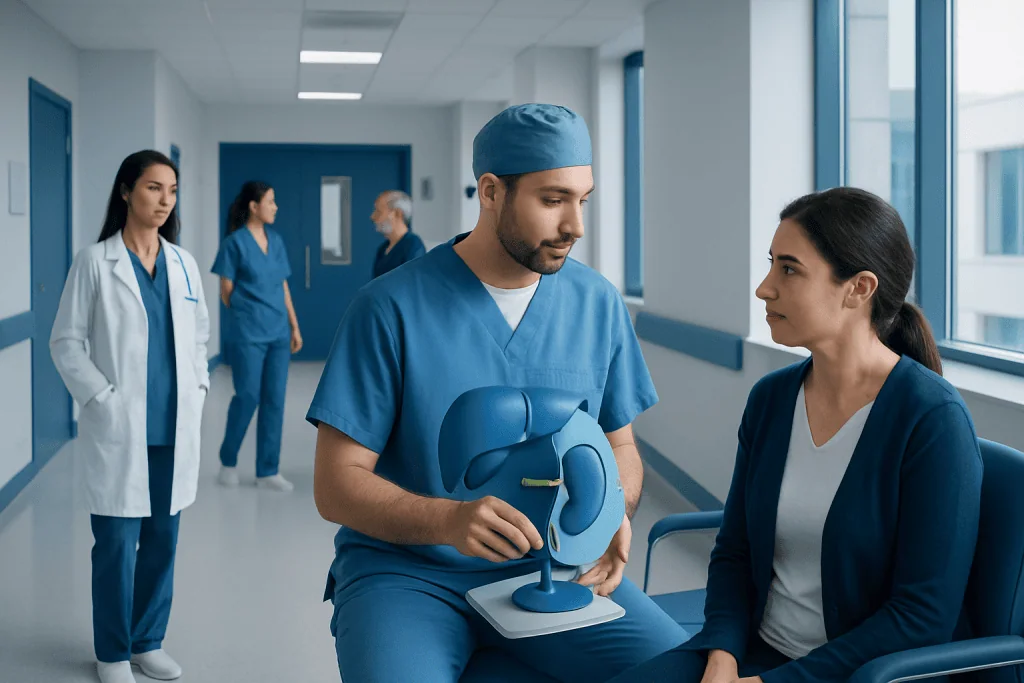
Cholecystectomy removes the gallbladder but does not stop the liver from making bile. Laparoscopic surgery is the standard approach for many patients and generally involves several small incisions.
Key Takeaways
- Cholecystectomy removes the gallbladder but does not stop the liver from making bile.
- Laparoscopic surgery is the standard approach for many patients and generally involves several small incisions.
- Surgery is usually considered for symptoms or complications, not simply because gallstones are found incidentally.
- Temporary digestive changes, including looser stools after fatty meals, can occur but often improve over time.
- Sudden severe abdominal pain, fever, jaundice, or persistent vomiting requires prompt medical assessment.
Surgical removal of the gallbladder, medically called cholecystectomy, is most often recommended when gallstones cause pain, inflammation, blockage, or related complications. Most people can digest food normally without a gallbladder, and minimally invasive surgery is the usual approach when it is clinically appropriate.
Overview: what surgical removal of gallbladder means
Surgical removal of gallbladder, also called cholecystectomy, is an operation that removes the small pear-shaped organ beneath the liver. It is most commonly performed when gallstones cause repeated pain or lead to inflammation, infection, or blockage of the bile ducts. The liver continues to produce bile after surgery, so most people digest food normally without a gallbladder.
The gallbladder’s main role is to store and concentrate bile between meals. Bile helps the body digest fats. After a cholecystectomy, bile flows more continuously from the liver into the intestine rather than being stored and released in larger amounts after eating. This is why some people notice temporary changes in bowel habits, especially after high-fat meals.
Evidence-based care focuses on the person’s symptoms, imaging results, overall health, and risk of complications. Finding gallstones during a scan does not always mean surgery is necessary. Many people have gallstones without symptoms and may never need treatment, while people with painful or complicated gallstone disease may benefit substantially from surgery.
When surgery is considered—and when it may not be needed
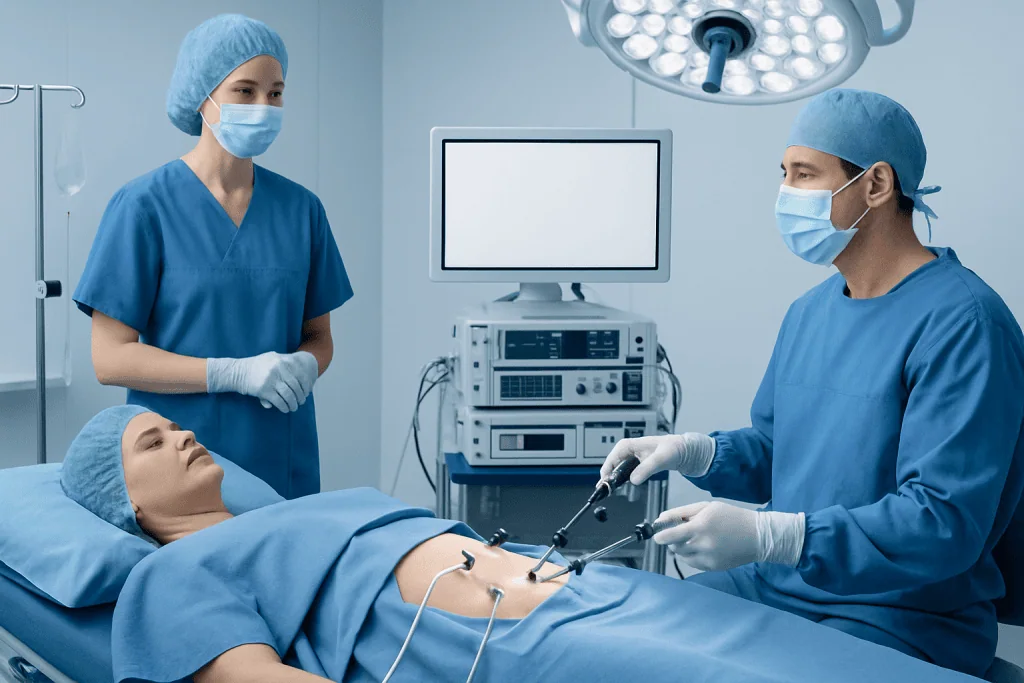
Doctors commonly recommend gallbladder removal for recurrent biliary colic, which is a pattern of pain often felt in the upper right or upper middle abdomen after meals. Surgery may also be advised for acute cholecystitis, meaning gallbladder inflammation; gallstone pancreatitis; stones in the common bile duct; or certain other gallbladder-related complications. The timing and safest approach depend on the clinical situation.
A common myth is that every gallstone must be removed. In fact, silent gallstones found incidentally usually do not require an operation. A clinician may recommend observation when there are no symptoms and no special risk factors. This avoids exposing someone to the risks of an operation that may not offer a clear health benefit.
Gallbladder surgery is not a treatment for every type of abdominal discomfort. Indigestion, bloating, reflux, irritable bowel symptoms, ulcers, liver disease, and pancreatic disorders can cause similar concerns. A careful assessment helps determine whether the gallbladder is truly the source of symptoms and whether surgery is likely to help.
How cholecystectomy is performed
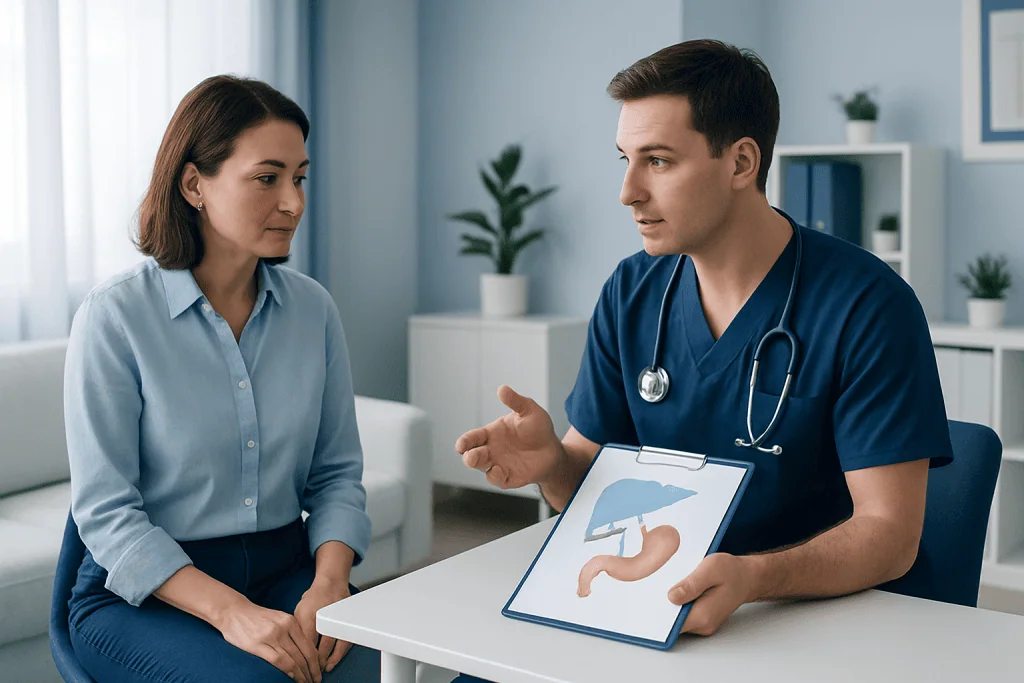
For most suitable patients, surgeons perform a laparoscopic cholecystectomy. This minimally invasive technique uses a camera and narrow surgical instruments inserted through a few small abdominal incisions. The surgeon separates the gallbladder from the liver and bile ducts, removes it through one incision, and closes the incisions. General anesthesia is used, so the patient is asleep during the procedure.
In some circumstances, an open cholecystectomy is safer. This involves a larger incision below the ribs on the right side. It may be planned when there is extensive inflammation, scarring from previous surgery, unusual anatomy, or another condition requiring open surgery. Occasionally, a laparoscopic procedure needs to be changed to an open operation during surgery to protect the patient’s safety.
Before surgery, the care team reviews medications, allergies, medical conditions, prior operations, and anesthesia risks. Blood tests and ultrasound are often part of the assessment. If a stone may be blocking the common bile duct, additional imaging or an endoscopic procedure called ERCP may be needed before or after surgery to remove the duct stone.
Benefits, risks, and myths to understand
For people with gallstone-related attacks or complications, cholecystectomy can prevent further gallbladder attacks and lower the risk of serious gallstone complications. However, no operation is completely without risk. Possible complications include bleeding, infection, blood clots, injury to nearby structures, bile leakage, retained bile duct stones, and reactions to anesthesia. Serious complications are uncommon, but the individual risk varies with age, health conditions, inflammation, and surgical complexity.
One persistent myth is that people cannot live a healthy life without a gallbladder. This is not supported by medical evidence. The gallbladder is useful for bile storage, but it is not essential for survival. Most people return to their regular diet and activities after recovery, although gradual dietary adjustment may be helpful initially.
Another misconception is that surgery always resolves every digestive symptom. Gallbladder-related pain often improves when the gallbladder is the cause, but symptoms due to another digestive condition may continue. Discussing the expected benefits and limits of surgery with the surgeon is an important part of informed decision-making.
Recovery and eating after gallbladder surgery
Recovery varies by procedure and by person. Many patients who have uncomplicated laparoscopic surgery go home the same day or after a short hospital stay. People generally begin walking soon after surgery and gradually return to normal daily activities as advised by their surgical team. Recovery after open surgery usually takes longer because the incision and tissue healing needs are greater.
It is common to have incision soreness, tiredness, mild abdominal discomfort, or temporary shoulder-tip pain after laparoscopic surgery because of the gas used to create working space in the abdomen. Pain control plans, gentle movement, wound-care instructions, and follow-up appointments support recovery. Heavy lifting, strenuous exercise, driving, and return to work should follow the surgeon’s individual guidance.
There is no single mandatory long-term diet after gallbladder removal. In the first days or weeks, smaller meals and lower-fat foods may reduce nausea, bloating, cramping, or loose stools. Gradually reintroducing a balanced variety of foods helps identify personal tolerances. Persistent diarrhea, unintentional weight loss, or difficulty eating should be discussed with a healthcare professional rather than managed through overly restrictive dieting.
Preparing well and supporting recovery
Good preparation includes sharing a complete medication list with the medical team, including blood thinners, diabetes medicines, supplements, and non-prescription products. Some medicines may need to be adjusted before surgery, but patients should not stop prescribed treatment without specific instructions. Following fasting guidance before anesthesia is also important for safety.
After discharge, patients should take medicines as prescribed, keep incisions clean and dry according to the care plan, and attend recommended follow-up. Light walking can support circulation and comfort, while adequate fluids and regular, balanced meals can help recovery. Smoking cessation, if relevant, supports wound healing and reduces respiratory and surgical risks.
Patients should ask their team practical questions before the operation, including which surgical approach is planned, what recovery may involve, which symptoms are expected, and whom to contact after discharge. At Acibadem International, multidisciplinary specialists in JCI-accredited hospitals assess gallbladder conditions and provide surgical care for international patients when appropriate.
When to seek medical care
Urgent medical assessment is needed for severe or persistent upper abdominal pain, particularly when it lasts several hours or is associated with fever, chills, repeated vomiting, yellowing of the skin or eyes, dark urine, pale stools, fainting, or confusion. These symptoms can indicate inflammation, infection, or a blockage affecting the gallbladder, bile ducts, liver, or pancreas.
After gallbladder surgery, patients should contact their surgical team promptly for worsening pain rather than gradual improvement, a high fever, increasing redness or drainage from an incision, persistent vomiting, yellowing of the eyes or skin, chest pain, shortness of breath, or swelling and pain in one leg. These symptoms do not always mean a serious complication, but they need timely evaluation.
For less urgent symptoms such as repeated pain after meals, nausea, or newly noticed digestive intolerance, arranging a routine appointment is appropriate. Evaluation can clarify whether gallstones, another digestive condition, or a non-digestive cause is responsible and can help guide the next steps.
Frequently asked questions
Can a person live normally after surgical removal of gallbladder?
Yes. The liver continues to make bile, and bile still reaches the intestine to help digest food. Most people return to normal eating and daily activities after recovery, although some have short-term sensitivity to rich or fatty foods.
How long does recovery from gallbladder surgery take?
Recovery depends on whether surgery is laparoscopic or open, as well as the person’s general health and whether complications were present. Many people recover from uncomplicated laparoscopic surgery within a few weeks, while open surgery typically requires a longer recovery period. The surgical team should provide individualized activity and work guidance.
Will gallbladder removal cure bloating and indigestion?
It can relieve symptoms caused by gallstones or gallbladder inflammation, especially typical episodes of biliary pain. However, bloating and indigestion can have many causes, including reflux, food intolerance, and bowel disorders. These symptoms may persist if the gallbladder was not their main cause.
Are gallstones always treated with surgery?
No. Gallstones that do not cause symptoms often do not need treatment. Surgery is more often considered when stones cause recurrent pain, inflammation, infection, blockage, pancreatitis, or other complications.
What foods should be avoided after gallbladder removal?
There is usually no need for lifelong food avoidance. During early recovery, limiting fried, greasy, or very high-fat foods and choosing smaller meals may reduce digestive discomfort. Foods can usually be reintroduced gradually according to individual tolerance.
What is the difference between laparoscopic and open gallbladder surgery?
Laparoscopic surgery uses several small incisions, a camera, and specialized instruments, and it is the most common method for many patients. Open surgery uses a larger incision and may be necessary when inflammation, anatomy, scar tissue, or safety concerns make it the better option.
This article is for general information only and is not a substitute for professional medical advice. Please consult a qualified doctor about your individual situation.
Explore treatments in Turkey — costs, top hospitals & a free quote
JCI-accredited · board-certified surgeons · reply within 24h
Add us as a Preferred Source to see more of our trusted health content across Google Search, AI Overviews and Discover.

More from the Health Library

Patches of Goosebumps on Arm — Explained by Medical Evidence, Not Myths

Dilantin — Explained by Medical Evidence, Not Myths

Hyp Hrt: An Evidence-Based Guide for Patients

Worms in Human Poop: A Complete Medical Overview

Cockhair: A Complete Medical Overview