Svt Ablation: A Complete Medical Overview

SVT ablation uses thin catheters to locate and treat the electrical pathway or focus causing the abnormal rhythm. The procedure is commonly considered when SVT causes bothersome symptoms, recurs often, or medicines are not preferred or suitable.
Key Takeaways
- SVT ablation uses thin catheters to locate and treat the electrical pathway or focus causing the abnormal rhythm.
- The procedure is commonly considered when SVT causes bothersome symptoms, recurs often, or medicines are not preferred or suitable.
- Most people return home the same day or after an overnight stay, although individual recovery needs vary.
- Ablation is generally effective, but the expected benefit and risks depend on the specific type and location of SVT.
- Sudden chest pain, fainting, severe breathlessness, or persistent rapid heartbeat requires prompt medical assessment.
SVT ablation is a minimally invasive catheter procedure used to treat supraventricular tachycardia (SVT), a group of fast heart rhythms that begin above the heart’s lower chambers. It can offer long-term rhythm control for people whose episodes are frequent, troublesome, or not adequately managed with medication.
What Is SVT Ablation?
SVT ablation is a catheter-based procedure that treats supraventricular tachycardia (SVT), an abnormally fast heart rhythm that starts in the atria or the electrical tissue above the heart’s ventricles. During the procedure, a heart rhythm specialist, called an electrophysiologist, guides very thin tubes through a blood vessel—usually in the groin—to the heart. The specialist identifies the electrical circuit responsible for the rapid rhythm and applies energy to interrupt it.
Most SVT ablations use radiofrequency energy, which produces controlled heat, or cryoablation, which uses controlled freezing. The aim is to create a very small area of scar tissue that no longer conducts the abnormal electrical signal. This does not stop the heart’s normal electrical system from working and is not the same as open-heart surgery.
SVT is a broad term. Ablation may be used for atrioventricular nodal re-entrant tachycardia (AVNRT), atrioventricular re-entrant tachycardia (AVRT), including rhythms related to an accessory pathway such as Wolff-Parkinson-White syndrome, and some focal atrial tachycardias. A precise rhythm diagnosis is important because the technique, expected outcome, and risks can differ between these conditions.
Why Might SVT Ablation Be Recommended?
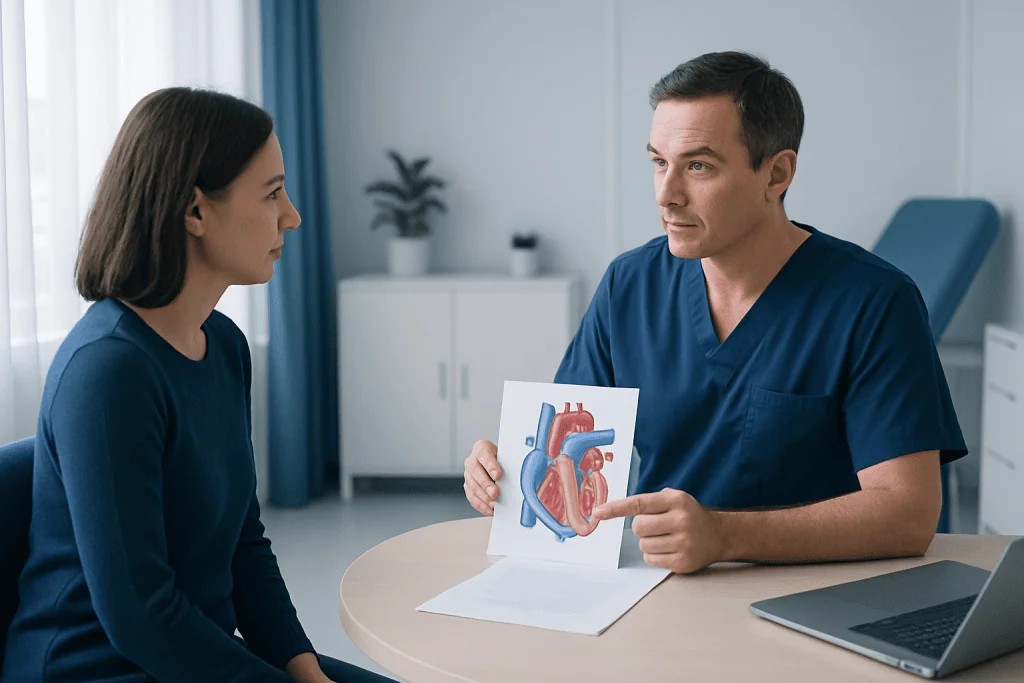
Many people with SVT have episodes of a suddenly racing, regular heartbeat that may last seconds, minutes, or longer. Some episodes are mild and infrequent, while others interfere with work, sleep, exercise, or daily confidence. A clinician may first recommend observation, techniques to slow an episode, or medicines. Ablation becomes a reasonable option when episodes recur, symptoms remain disruptive, or a person prefers a potentially definitive treatment rather than long-term medication.
Symptoms can include palpitations, a pounding sensation in the chest or neck, shortness of breath, chest discomfort, light-headedness, fatigue, sweating, or anxiety during an episode. Although many forms of SVT are not life-threatening in otherwise healthy hearts, a fast rhythm should still be properly assessed to confirm its cause and rule out other heart rhythm disorders.
The decision is individualized. It considers the type of SVT, how often it occurs, symptom severity, age, other health conditions, pregnancy plans where relevant, medication tolerance, and personal preferences. A consultation with a cardiologist or electrophysiologist helps a person understand whether ablation, medication, or monitoring is most appropriate.
How the Procedure Is Planned and Performed
Before an SVT ablation, the care team reviews symptoms, medical history, medicines, allergies, and previous heart tests. An electrocardiogram (ECG) recorded during symptoms can be especially useful. Depending on the situation, evaluation may include a Holter monitor or other ambulatory rhythm monitor, echocardiogram, blood tests, and sometimes an exercise test. Patients receive specific instructions about food, drink, and medicines before the procedure; they should not stop prescribed medication unless their own clinical team advises them to do so.
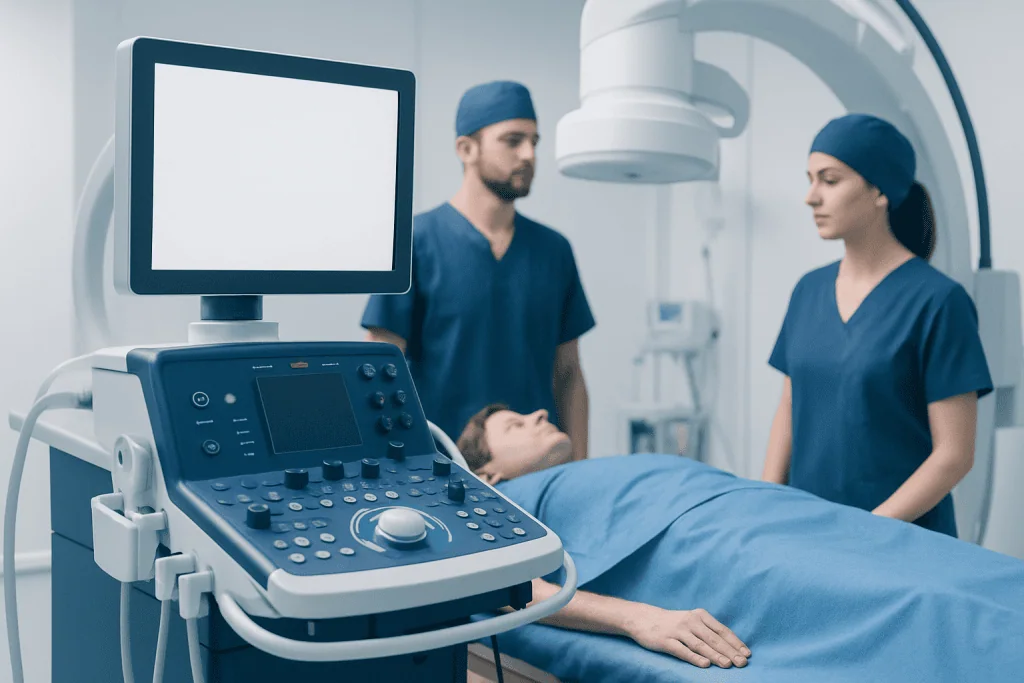
In the electrophysiology laboratory, monitoring pads are placed on the chest and back. Local anesthetic is used at the catheter insertion site, and sedation is often given to promote comfort; some cases require deeper anesthesia. The electrophysiologist inserts catheters through a vein and performs an electrophysiology study, using carefully controlled electrical signals to map the heart rhythm and reproduce the SVT when needed.
Once the abnormal pathway or focus is found, radiofrequency or cryoenergy is delivered. The team then tests whether the arrhythmia can still be triggered. Procedure duration varies with the rhythm and its location, but patients should plan for several hours at the hospital, including preparation and recovery. Afterward, pressure is applied to the access site and the person rests flat for a period to reduce bleeding risk.
- Bring an up-to-date list of medicines, supplements, allergies, and prior procedures.
- Arrange for a responsible adult to provide transport home if same-day discharge is planned.
- Ask the care team which medicines to take or avoid before and after the procedure.
Benefits, Success Expectations and Possible Risks
The main potential benefit of SVT ablation is reducing or preventing further episodes of the treated rhythm. For many common forms of SVT, catheter ablation has a high likelihood of long-term success when performed by an experienced electrophysiology team. However, no procedure can guarantee that symptoms will never return. In some cases, the rhythm recurs because the original pathway recovers or because another rhythm source is present.
Catheter ablation is generally considered safe, but it has risks. Temporary soreness, bruising, or minor bleeding where the catheter entered the blood vessel can occur. Less common complications include damage to a blood vessel, blood clot formation, infection, fluid around the heart, or a reaction to sedation or anesthesia. The exact risk profile depends on the person’s health and the area of the heart being treated.
For ablation near the normal atrioventricular node, there is a small risk of affecting the heart’s normal conduction system. In rare circumstances, this could require a permanent pacemaker. The electrophysiologist discusses the procedure-specific risks, expected benefits, alternatives, and any special considerations before consent. Open discussion helps patients make a decision that aligns with their goals and health needs.
Recovery After SVT Ablation
Following the procedure, heart rhythm, blood pressure, and the catheter access site are observed in a recovery area. Many patients go home later the same day, while others remain overnight for monitoring. Mild tiredness, tenderness in the groin or neck area, and small bruises are common for several days. The clinical team provides individualized written instructions for wound care, bathing, activity, work, and medication use.
It is usually sensible to avoid strenuous exercise, heavy lifting, and vigorous bending for the period advised by the treating team, particularly while the insertion site heals. Gentle walking and gradual return to normal daily activities are often appropriate. A person should not drive after receiving sedation until their care team confirms it is safe, and should arrange support at home if needed on the day of discharge.
Some people notice occasional skipped beats, brief palpitations, or heightened awareness of their heartbeat during recovery. These sensations do not always mean that SVT has returned, but they should be discussed at follow-up if persistent, prolonged, or concerning. Follow-up appointments review symptoms, check healing, and determine whether rhythm monitoring or medication changes are needed.
Living Well With SVT Before or After Treatment
Not every person with SVT needs immediate ablation. Keeping a record of episodes—including start and stop times, associated symptoms, possible triggers, and any wearable-device recordings—can help the clinician identify patterns. Common triggers vary but may include lack of sleep, emotional stress, dehydration, alcohol, excessive caffeine, nicotine, stimulant substances, and some over-the-counter cold or weight-loss products.
Supportive habits can improve general cardiovascular health and may reduce triggers for some people. These include regular sleep, adequate hydration, balanced meals, gradual physical activity as medically appropriate, and avoiding substances known to provoke episodes. People should discuss exercise limits with a clinician, especially if episodes occur during activity or if they have known heart disease.
A clinician may teach selected patients vagal manoeuvres, such as a modified Valsalva manoeuvre, to try at the start of a confirmed SVT episode. These techniques are not suitable for everyone and should be learned from a health professional rather than attempted without guidance. Medicines should be taken exactly as prescribed, and patients should check before starting supplements or non-prescription products that may affect heart rhythm.
When to Seek Medical Care
A person should arrange medical evaluation for recurrent racing heartbeats, new palpitations, episodes that are becoming more frequent, or symptoms that affect normal activities. An ECG or rhythm monitor may be needed because identifying the rhythm while it is happening helps guide the most appropriate treatment. New symptoms after an ablation, including increasing pain, redness, swelling, bleeding, or drainage at the catheter site, should also be reported promptly.
Urgent medical care is needed for palpitations accompanied by fainting, severe dizziness, chest pain or pressure, marked shortness of breath, confusion, or signs of stroke such as sudden weakness, facial drooping, or difficulty speaking. Persistent very rapid heart rate, especially when the person feels unwell, also needs prompt assessment. It is safer not to drive oneself when experiencing severe symptoms.
Acibadem International’s multidisciplinary cardiology and electrophysiology specialists at JCI-accredited hospitals assess and treat heart rhythm conditions for international patients. A consultation can help clarify whether SVT ablation is suitable and what preparation and follow-up may involve for the individual.
Frequently asked questions
Is SVT ablation a major operation?
SVT ablation is a minimally invasive catheter procedure, not open-heart surgery. Catheters are usually inserted through a vein in the groin and guided to the heart, so recovery is generally shorter than after surgical procedures.
How successful is SVT ablation?
Ablation is highly effective for many common types of SVT, particularly when the abnormal electrical pathway can be clearly identified. Individual results depend on the specific rhythm, its location, and personal health factors, and a small number of people may need further treatment.
Is SVT ablation painful?
The catheter insertion area is numbed with local anesthetic, and sedation is commonly used to improve comfort. People may feel brief pressure at the access site or temporary sensations in the chest during rhythm testing, but the team monitors comfort throughout the procedure.
How long does it take to recover from SVT ablation?
Many people resume light daily activities within a few days, although the access site may remain tender or bruised for about a week. The treating team provides specific advice about driving, exercise, work, and heavy lifting based on the individual procedure and recovery.
Can SVT come back after ablation?
Yes, SVT can occasionally recur after an initially successful procedure. Recurrence may happen if an ablated pathway regains conduction or if a different rhythm mechanism is present, so recurring symptoms should be assessed rather than assumed to be harmless.
Will I need to take heart rhythm medicine after SVT ablation?
Some people can reduce or stop rhythm medicines after a successful ablation, while others need medication for a period or for another heart condition. Medication decisions should always be made with the cardiologist or electrophysiologist, not by stopping treatment independently.
References
- American Heart Association
- Heart Rhythm Society
- European Society of Cardiology
- National Heart, Lung, and Blood Institute
This article is for general information only and is not a substitute for professional medical advice. Please consult a qualified doctor about your individual situation.
Explore treatments in Turkey — costs, top hospitals & a free quote
JCI-accredited · board-certified surgeons · reply within 24h
Add us as a Preferred Source to see more of our trusted health content across Google Search, AI Overviews and Discover.