Swelling: A Complete Medical Overview

Swelling can affect the skin, joints, limbs, face, abdomen, or internal organs. Common causes include injury, infection, allergy, inflammation, poor circulation, and fluid retention.
Key Takeaways
- Swelling can affect the skin, joints, limbs, face, abdomen, or internal organs.
- Common causes include injury, infection, allergy, inflammation, poor circulation, and fluid retention.
- The pattern of swelling helps guide diagnosis, such as one-sided leg swelling versus generalized puffiness.
- Treatment depends on the cause and may include rest, compression, medicines, or treatment of an underlying disease.
- Sudden swelling with trouble breathing, chest pain, or severe leg pain needs urgent medical care.
Swelling is an increase in size or fullness in part of the body, usually caused by fluid buildup, inflammation, injury, or problems with blood or lymph flow. It is often temporary and manageable, but persistent, painful, or sudden swelling may need medical evaluation to find the underlying cause.
Overview: what swelling means
Swelling is the body’s visible or felt enlargement of an area, most often caused by extra fluid collecting in tissues, irritation after an injury, or inflammation linked to infection or disease. It can happen almost anywhere, including the feet, ankles, hands, face, abdomen, joints, or around a wound. In medical terms, fluid-related swelling is often called edema.
Not all swelling means the same thing. A twisted ankle may swell because small blood vessels leak fluid after injury, while ankle swelling on both sides may point to prolonged standing, medication effects, or a circulation problem. Facial swelling may be linked to allergy, dental infection, or sinus disease, and abdominal swelling can reflect gas, constipation, or fluid inside the abdomen.
Doctors usually look at swelling as a sign rather than a disease itself. The location, timing, whether it is painful, and whether it comes with redness, fever, shortness of breath, or weight gain all help identify the cause. This is why a general symptom like swelling can have many different explanations, ranging from minor and short-lived to conditions that need prompt treatment.
How swelling can appear and feel
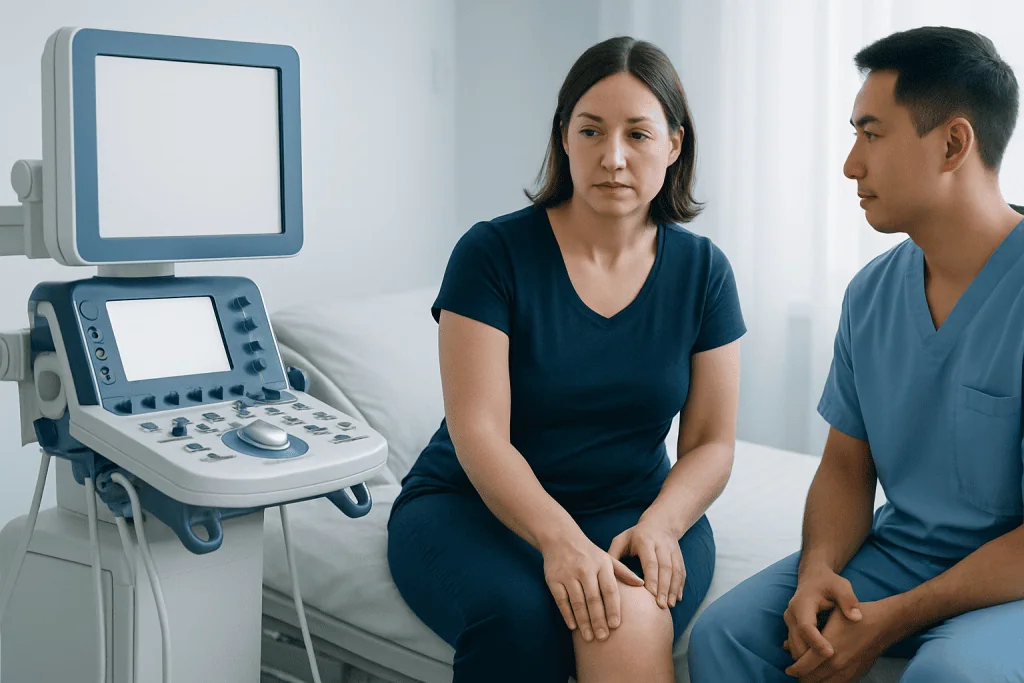
Swelling may be obvious, such as a puffy eyelid, an enlarged finger after an insect bite, or a visibly swollen ankle. In other cases, it is less noticeable and felt more as tightness, heaviness, stiffness, or a sense that shoes, rings, or clothing suddenly fit more snugly. Some people also notice stretched, shiny skin or reduced flexibility in a joint.
Doctors often distinguish between localized swelling and generalized swelling. Localized swelling affects one area, such as a sprained knee or a swollen gland in the neck. Generalized swelling affects broader parts of the body, such as both legs, the hands and face, or overall puffiness from fluid retention.
Another important feature is whether swelling leaves a dent after pressing on it for a few seconds, known as pitting edema. This can happen with fluid retention in the legs. Swelling that is warm, red, tender, or rapidly enlarging suggests inflammation, injury, or infection. A firm lump, persistent one-sided enlargement, or swelling with skin changes may need more detailed assessment.
- Common sensations: tightness, pressure, heaviness, stiffness, throbbing
- Visible signs: puffiness, enlarged limb or joint, shiny skin, reduced movement
- Associated symptoms may include pain, redness, itching, numbness, weight gain, or fever
Common causes and risk factors

Many everyday causes of swelling are temporary. These include minor injury, overuse, prolonged sitting or standing, hot weather, salty meals, and hormonal shifts. Swelling can also happen after surgery or travel, especially during long periods of immobility. In these situations, fluid may temporarily collect in the lower legs or around the affected area.
Inflammation is another major cause. The body’s immune response can make tissues swell after an infection, allergic reaction, insect sting, or flare of arthritis. Joint swelling may occur with conditions such as rheumatoid arthritis, while skin or soft tissue swelling may appear with cellulitis or other infections. Sudden swelling of the lips, tongue, or throat can be linked to an allergic reaction and requires urgent care.
Swelling may also reflect underlying medical conditions that affect fluid balance or circulation. These include kidney disease, liver disease, heart failure, vein disorders, and blockage of the lymphatic system. One-sided leg swelling can raise concern for a vein problem such as deep vein thrombosis, while chronic leg heaviness and swelling may relate to venous insufficiency. Certain medicines can contribute as well, including some blood pressure drugs, steroids, hormones, and anti-inflammatory medicines.
Risk factors depend on the cause but often include older age, pregnancy, obesity, a sedentary lifestyle, recent surgery, cancer treatment, vein disease, kidney or heart conditions, and a personal or family history of clotting problems. Because there are many possibilities, persistent or unexplained swelling should be assessed in context rather than treated as a single diagnosis.
How doctors diagnose the cause
Diagnosis starts with a medical history and physical examination. A doctor will ask when the swelling began, whether it appeared suddenly or gradually, whether it is painful or itchy, and whether it affects one area or both sides of the body. They may also ask about injury, infection, travel, pregnancy, medications, diet, heart or kidney problems, and related symptoms such as shortness of breath, fever, or reduced urination.
The examination focuses on where the swelling is, whether the skin is warm or red, whether pressing leaves a pit, and whether pulses, joint movement, or sensation are affected. In leg swelling, doctors often compare both sides and look for signs of vein or lymph problems. In facial swelling, they may examine the mouth, sinuses, skin, and eyes. In abdominal swelling, they may look for digestive or liver-related clues.
Tests are chosen based on the suspected cause. These may include blood tests, urine tests, ultrasound, X-rays, or other imaging. Ultrasound is especially useful for evaluating leg swelling and blood flow problems and may be part of assessment through Doppler ultrasonography. If a heart, kidney, liver, or inflammatory condition is suspected, additional targeted tests may be advised. The aim is not just to confirm that swelling is present, but to understand why it is happening.
Treatment options for swelling
Treatment depends on the underlying cause. For mild swelling after a strain, bruise, or overuse injury, short-term self-care may be enough. Resting the area, applying a cold pack, elevating the limb, and using a compression bandage if appropriate can help reduce fluid buildup and discomfort. Joint-related swelling may improve when the triggering activity is limited and the joint is supported.
If swelling is due to inflammation, infection, or allergy, treatment may involve medicines chosen by a doctor. These can include anti-inflammatory medicines, antibiotics for bacterial infection, or allergy treatment. For larger joint swelling, assessment by an orthopedic or rheumatology team may help clarify whether aspiration, imaging, rehabilitation, or more specialized care is needed. In selected cases, swelling connected to a painful or damaged joint may be evaluated alongside knee replacement or other joint treatments when structural disease is present.
Fluid-retention swelling is treated by addressing the reason it developed. This may include reviewing medications, reducing salt intake when appropriate, increasing movement, using compression stockings, or treating heart, kidney, liver, or venous disease. Some people may need prescription medicines to help remove excess fluid, but these should only be used under medical guidance because the wrong treatment can worsen dehydration or electrolyte balance.
If swelling is linked to blocked blood or lymph flow, treatment may be more specialized. Compression therapy, physiotherapy, skin care, or vascular assessment may be recommended. In selected patients with vein-related swelling, doctors may consider procedures such as varicose vein treatment when venous disease is contributing to symptoms. Treatment works best when tailored to the cause rather than trying to suppress swelling alone.
Prevention and self-care
Many episodes of swelling can be reduced with simple daily habits. Staying physically active helps the muscles pump fluid back toward the heart, especially in the legs. Changing position regularly, taking walking breaks during travel, and avoiding long periods of standing or sitting can all help. When possible, elevating the legs above heart level for short periods may reduce ankle and foot swelling.
Supportive self-care also includes staying hydrated, following a balanced diet, and being mindful of excess salt if a doctor has recommended this. For people who develop leg swelling easily, properly fitted compression stockings may be helpful. Maintaining a healthy body weight, managing chronic conditions, and taking prescribed medicines as directed can also reduce recurrent fluid retention.
Skin care matters when swelling is chronic. Stretched or fragile skin is more prone to irritation and infection. Keeping the skin clean, moisturized, and protected from cuts can lower complications. If swelling is frequent, getting worse, or accompanied by pain, color change, or reduced mobility, self-care should not replace medical evaluation.
When to seek medical care
Medical attention is important when swelling is sudden, severe, unexplained, or persistent. One-sided leg swelling with pain, warmth, or redness should be assessed promptly because it can be caused by a blood clot. Swelling with fever, pus, increasing tenderness, or rapidly spreading redness may suggest infection. Facial swelling with rash or hives may be an allergic reaction.
Emergency care is needed if swelling occurs with trouble breathing, chest pain, fainting, confusion, blue lips, or swelling of the tongue or throat. These symptoms can signal a life-threatening problem and should not be watched at home. Swelling after a major injury, especially if the area looks deformed or cannot be moved, also needs urgent assessment.
Ongoing or recurring swelling deserves a planned medical review even when it is not an emergency. This is especially true if it affects both legs, comes with weight gain, reduced urination, abdominal swelling, or shortness of breath, as these may suggest an underlying heart, kidney, liver, or circulation issue. At Acibadem International, multidisciplinary specialists in JCI-accredited hospitals evaluate swelling and its causes for international patients, using coordinated care when vascular, orthopedic, rheumatologic, or internal medicine assessment is needed.
Frequently asked questions
Is swelling always a sign of a serious problem?
No. Swelling is often caused by common issues such as a minor injury, prolonged standing, hot weather, or temporary fluid retention. However, swelling that is sudden, severe, persistent, or linked to other symptoms should be checked by a doctor.
What is the difference between swelling and edema?
Swelling is the general term for enlargement or puffiness in body tissues. Edema is a medical term usually used when the swelling is caused by excess fluid trapped in the tissues. In everyday use, the terms are often used together.
Why do feet and ankles swell more often than other areas?
Gravity makes it easier for fluid to collect in the lower legs, feet, and ankles, especially after long periods of sitting or standing. Circulation changes, vein problems, pregnancy, and some medications can make this more noticeable. Swelling in both ankles is common, but one-sided swelling should be assessed more carefully.
Can dehydration cause swelling?
It can in some situations. When the body is dehydrated, it may respond by holding on to fluid, and some people notice puffiness as part of this imbalance. Swelling has many other causes, so ongoing symptoms should not be assumed to be from dehydration alone.
Should swelling be treated with heat or ice?
For a recent injury, cold packs are usually preferred during the early phase because they may reduce inflammation and discomfort. Heat is more often used later for muscle stiffness rather than fresh swelling. If the cause is unclear, especially when infection is possible, it is best to ask a clinician before applying heat.
When should someone worry about leg swelling?
Leg swelling needs prompt attention if it affects one leg, starts suddenly, or comes with pain, redness, warmth, chest pain, or shortness of breath. These features can point to a blood clot or another circulation problem. Gradual swelling in both legs is often less urgent, but it still deserves medical review if it persists.
This article is for general information only and is not a substitute for professional medical advice. Please consult a qualified doctor about your individual situation.
Explore treatments in Turkey — costs, top hospitals & a free quote
JCI-accredited · board-certified surgeons · reply within 24h
Add us as a Preferred Source to see more of our trusted health content across Google Search, AI Overviews and Discover.
Check your numbers in seconds
BMI, calories, due date, blood pressure and 30+ more clinical calculators — free, instant, doctor-reviewed ranges.

More from the Health Library

Occluded: Symptoms, Causes, and Treatment — Complete Patient Guide

Bitter Taste in Mouth: An Evidence-Based Guide for Patients

Cholestasis: An Evidence-Based Guide for Patients

Open Bite: An Evidence-Based Guide for Patients

Sardines Benefits: What Patients Need to Know