

Teeth Grinding: Bruxism, Night Guards, and Tooth Wear

Bruxism can occur during sleep or while awake, and many people are unaware they grind or clench their teeth. Common signs include worn teeth, jaw soreness, morning headaches, tooth sensitivity and cracked dental restorations.
Key Takeaways
- Bruxism can occur during sleep or while awake, and many people are unaware they grind or clench their teeth.
- Common signs include worn teeth, jaw soreness, morning headaches, tooth sensitivity and cracked dental restorations.
- A custom night guard does not stop bruxism, but it can protect the teeth and reduce stress on dental work.
- Treatment often combines dental protection, stress management, sleep evaluation and care for jaw-muscle pain.
- Anyone with tooth wear, jaw pain, broken teeth or sleep-related symptoms should see a dentist or qualified doctor.
Teeth grinding, also called bruxism, is a common jaw-muscle activity that can happen during the day or while sleeping. With the right diagnosis, protective dental appliances and lifestyle support, most people can reduce tooth damage and manage symptoms effectively.
Overview
Teeth grinding is the repeated clenching, grinding or bracing of the teeth. The medical term is bruxism. It may happen during waking hours, often as a response to concentration, stress or habit, or during sleep, when it is considered a sleep-related movement disorder. Some people grind forcefully, while others mainly clench without much tooth movement.
Bruxism is important because the forces placed on teeth and jaw joints can be much higher than those used for normal chewing. Over time, this may contribute to tooth wear, enamel cracks, sensitivity, muscle tenderness, headaches and damage to fillings, crowns or implants. However, bruxism varies widely from person to person, and not everyone develops serious complications.
Many people first learn they grind their teeth from a sleep partner who hears the sound, or from a dentist who notices unusual wear patterns. Others seek care because of jaw pain, facial fatigue or teeth that feel sensitive in the morning. A careful dental assessment can help identify whether bruxism is present and what treatment is most appropriate.
Symptoms and Signs of Bruxism
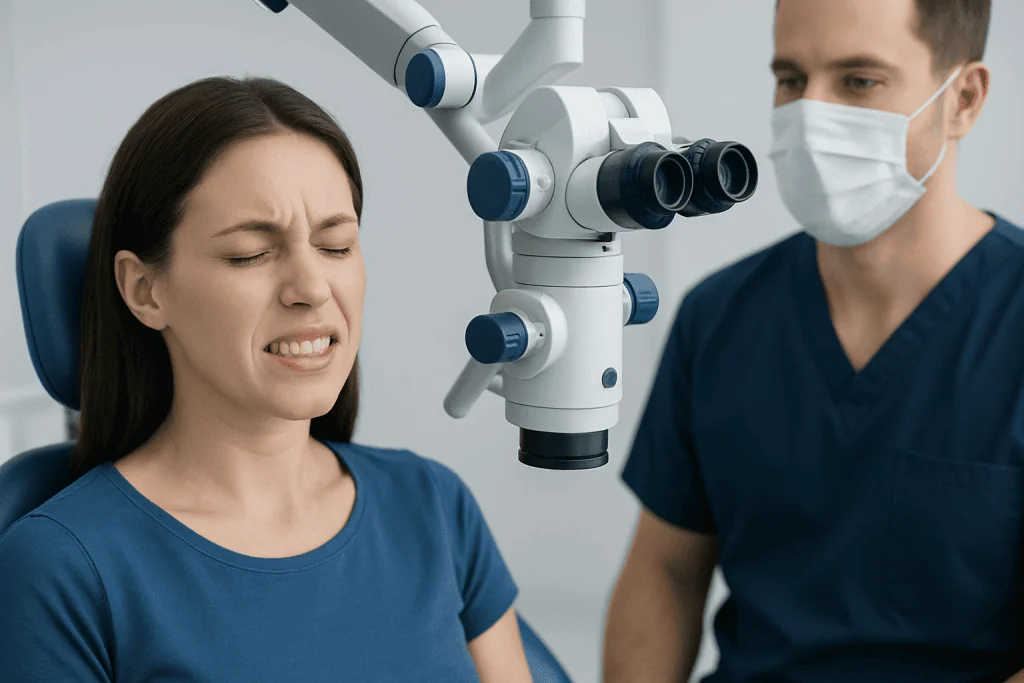
Bruxism symptoms can be subtle at first. The teeth may look shorter, flatter or shinier at the biting edges. Small chips, cracks or rough edges may appear. Some people notice increased sensitivity to cold, sweet foods or brushing, especially if enamel wear has exposed more sensitive tooth layers.
Jaw and facial symptoms are also common. The chewing muscles may feel tired or sore, especially on waking. A person may have difficulty opening the mouth fully, hear clicking or popping near the jaw joint, or experience tension-type headaches around the temples. Ear discomfort can occur even when there is no ear infection, because jaw muscles and joints are close to the ear structures.
Possible signs and symptoms include:
- Grinding sounds during sleep, noticed by another person
- Flattened, worn, chipped or cracked teeth
- Tooth sensitivity or pain when biting
- Jaw tightness, facial soreness or morning stiffness
- Headaches, especially near the temples
- Broken fillings, crowns, veneers or other restorations
- Sleep disruption or waking with an uncomfortable jaw
Symptoms do not always match the amount of tooth wear. A person may have significant wear with little pain, or strong muscle pain with limited visible tooth damage. For that reason, diagnosis should be based on both symptoms and a dental examination.
Causes and Risk Factors

Bruxism usually has more than one contributing factor. Awake bruxism is often linked with habits such as holding the teeth together while concentrating, working at a computer, driving or coping with stress. Sleep bruxism is influenced by brain and sleep physiology and is not simply a dental bite problem. It may occur in brief episodes during sleep, sometimes around small awakenings or changes in sleep stage.
Stress, anxiety and emotional tension can increase the likelihood of clenching or grinding in some people. Sleep quality also matters. Snoring, obstructive sleep apnea, irregular sleep schedules and insufficient sleep may be associated with bruxism-like symptoms or with jaw discomfort on waking. In children, tooth grinding can occur during growth and may change over time, but persistent pain or dental damage should still be assessed.
Other risk factors may include smoking, high caffeine or alcohol intake, certain medications, recreational stimulant use, and some neurological or medical conditions. The relationship between tooth alignment and bruxism is complex; an uneven bite may contribute to discomfort in selected cases, but correcting the bite is not a universal solution. A dentist or physician can help identify which factors are relevant for an individual patient.
Tooth Wear and Possible Complications
Tooth wear from bruxism may involve the enamel, which is the hard outer layer of the tooth. When enamel becomes thin, the underlying dentin can be exposed. Dentin is softer and more sensitive, so the teeth may become more vulnerable to temperature sensitivity, staining and further wear. Severe wear can affect the shape of the bite and the appearance of the smile.
Bruxism can also damage dental work. Fillings may fracture, crowns can chip, veneers may debond, and implant-supported restorations can be placed under excess force. This does not mean that dental restorations are unsuitable for people with bruxism, but it does mean they often need careful planning and protective measures such as a custom guard.
The jaw joints and chewing muscles may also be affected. Some people develop temporomandibular disorder symptoms, often called TMD, including joint clicking, restricted opening, muscle tenderness and pain that radiates to the temples, cheeks or neck. Early attention can help prevent a cycle of pain, guarding and further muscle tension.
Diagnosis
Diagnosis begins with a discussion of symptoms, sleep habits, stress levels, medications and any history of dental problems. The dentist examines the teeth for wear facets, cracks, enamel loss, gum recession, mobility and damage to restorations. The jaw muscles and temporomandibular joints may be gently checked for tenderness, clicking, range of motion and signs of overload.
Photographs, dental impressions or digital scans may be used to monitor wear over time. X-rays can help assess tooth roots, bone support, restorations and other dental conditions, but they do not directly diagnose grinding. In some cases, a dentist may recommend referral to a sleep medicine specialist, especially if there are signs of snoring, pauses in breathing, daytime sleepiness or possible sleep apnea.
It is important to distinguish bruxism from other causes of tooth pain or jaw discomfort. Tooth decay, gum disease, cracked tooth syndrome, sinus problems, ear conditions, neuralgia and inflammatory joint conditions can sometimes cause overlapping symptoms. A clear diagnosis helps avoid unnecessary treatment and supports a targeted care plan.
Treatment Options: Night Guards and More
Treatment depends on whether bruxism is causing tooth damage, pain, sleep disturbance or problems with dental restorations. A custom night guard, also called an occlusal splint, is one of the most common tools. It is usually made from a dental scan or impression so it fits the teeth accurately. The guard does not cure sleep bruxism, but it can protect the teeth from direct wear and may reduce strain on restorations.
Night guards should be professionally fitted and checked regularly. Over-the-counter guards may be useful for short-term or temporary situations, but they can feel bulky, fit poorly or change how the teeth contact if used without guidance. A dentist can recommend the right material, thickness and design based on the pattern of grinding, existing dental work and jaw comfort.
Other treatments may include jaw-muscle exercises, physical therapy, heat application, relaxation training and behavioral techniques to reduce daytime clenching. If pain is present, a dentist or doctor may advise short-term medicines or other medical approaches, depending on the cause and the patient’s health history. In selected cases with severe jaw-muscle overactivity, specialists may discuss botulinum toxin injections, but this is not appropriate for everyone and should be carefully evaluated.
When tooth wear has already changed the shape or strength of the teeth, restorative dentistry may be needed. This can include bonding, crowns, onlays or other restorations. Ideally, active bruxism is managed before or alongside restorative work to reduce the risk of repeated chipping or failure.
Prevention and Self-Care
Self-care can help reduce triggers and protect the jaw, especially for awake clenching. A useful habit is to keep the lips together, teeth apart and tongue resting gently on the palate when not eating or speaking. Setting reminders on a phone or computer can help a person notice when the jaw is tense and release it.
Sleep and lifestyle routines may also support symptom control. Reducing caffeine late in the day, limiting alcohol before sleep, avoiding nicotine and keeping a consistent sleep schedule can be helpful for some people. Stress management techniques such as breathing exercises, gentle stretching, mindfulness or regular physical activity may reduce jaw tension, although they do not replace dental care when tooth wear is present.
Practical steps include:
- Avoid chewing pens, fingernails or hard objects
- Limit very hard or chewy foods during painful flare-ups
- Use warm compresses for tight jaw muscles if recommended
- Follow cleaning instructions for a night guard
- Attend regular dental check-ups to monitor wear
A night guard should be cleaned daily and stored dry in a ventilated case unless the dentist advises otherwise. It should be brought to dental appointments so the fit, wear and bite contacts can be checked.
When to See a Dentist or Doctor
A dental appointment is recommended if a person notices worn, chipped or sensitive teeth, jaw pain, morning headaches, broken fillings or a grinding sound during sleep. Care is also important if a night guard no longer fits, causes discomfort or develops holes from wear. Early evaluation can help protect tooth structure and identify related conditions.
A doctor or sleep specialist should be consulted if teeth grinding occurs with loud snoring, witnessed pauses in breathing, gasping during sleep, significant daytime sleepiness or high blood pressure concerns. These symptoms may suggest an underlying sleep disorder that needs medical assessment. Treating sleep-related conditions can improve overall health and may help reduce jaw symptoms in some patients.
International patients who need coordinated dental, maxillofacial or sleep-related evaluation may seek care in centers with multidisciplinary teams. Acibadem International’s JCI-accredited hospitals diagnose and treat dental and jaw conditions, including bruxism-related tooth wear, with specialist input when needed.
Frequently asked questions
Is teeth grinding the same as bruxism?
Yes. Bruxism is the medical term for repetitive teeth grinding, clenching or bracing. It can happen while awake or during sleep, and the causes and management may differ depending on the pattern.
Can a night guard stop teeth grinding?
A night guard usually does not stop the brain and muscles from producing sleep bruxism. Its main purpose is to protect the teeth and dental restorations from direct grinding forces. It can also help some people feel less jaw discomfort, but results vary.
How can someone tell if they grind their teeth at night?
Common clues include morning jaw soreness, headaches near the temples, tooth sensitivity, chipped teeth or a sleep partner hearing grinding sounds. A dentist can look for wear patterns and other signs. In some cases, sleep evaluation may be recommended.
Is bruxism caused by stress?
Stress can contribute to clenching and grinding, especially awake bruxism. Sleep bruxism is more complex and may involve sleep arousals, lifestyle factors, medications or sleep disorders. Many people have more than one contributing factor.
Can children grind their teeth?
Yes, children may grind their teeth, and it sometimes improves as they grow. However, a child should be assessed if grinding is associated with tooth damage, pain, sleep problems, breathing concerns or significant daytime tiredness.
What happens if bruxism is not treated?
Mild bruxism may cause little or no long-term harm, but ongoing force can lead to tooth wear, cracks, sensitivity, jaw pain and damage to dental restorations. Regular dental checks help monitor changes. Treatment is recommended when symptoms, wear or restoration damage are present.
Are over-the-counter mouth guards safe?
Some over-the-counter guards may provide temporary protection, but they may not fit well or may feel uncomfortable. A poorly fitting guard can interfere with bite comfort or be difficult to wear consistently. People with ongoing bruxism, dental restorations or jaw pain should ask a dentist about a custom appliance.
References
- American Dental Association
- Mayo Clinic
- National Institute of Dental and Craniofacial Research
- American Academy of Sleep Medicine
- World Health Organization
This article is for general information only and is not a substitute for professional medical advice. Please consult a qualified doctor about your individual situation.
Bruxism in Turkey — costs, top hospitals & a free quote
JCI-accredited · board-certified surgeons · reply within 24h
Add us as a Preferred Source to see more of our trusted health content across Google Search, AI Overviews and Discover.

Dental & Oral Health
Full-scope dental care from implants and aesthetics to oral and maxillofacial surgery.
158 specialists in this unitRelated Treatments
More from the Health Library



Related Specialists

Assoc. Prof. Dr. Ferit Bayram
Oral & Dental Health
Dt. Alara Naz Kenir
Oral & Dental Health
Dt. Gonca Katmer
Oral & Dental HealthDt. Doğa Baysal
Oral & Dental Health