Thyroid Stimulating Hormone (TSH): What the Test Shows

TSH is a pituitary hormone that helps control how much thyroid hormone the body makes. A TSH test is commonly used to screen for and monitor thyroid disorders.
Key Takeaways
- TSH is a pituitary hormone that helps control how much thyroid hormone the body makes.
- A TSH test is commonly used to screen for and monitor thyroid disorders.
- High TSH may suggest an underactive thyroid, while low TSH may suggest an overactive thyroid.
- TSH results need to be interpreted alongside symptoms, medical history, and sometimes other blood tests.
- Pregnancy, certain medicines, and pituitary disorders can affect TSH levels.
Thyroid stimulating hormone (TSH) is a common blood test used to check how well the thyroid is working. It does not diagnose every thyroid problem on its own, but it is often the first and most useful step in understanding thyroid function.
Overview: What Thyroid Stimulating Hormone (TSH) Means
Thyroid stimulating hormone, usually called TSH, is made by the pituitary gland in the brain. Its role is to signal the thyroid gland in the neck to produce thyroid hormones, mainly thyroxine (T4) and triiodothyronine (T3). These hormones help regulate energy use, body temperature, heart rate, digestion, and many other everyday body functions.
A TSH blood test measures how much of this signaling hormone is circulating in the blood. Because the body uses a feedback system, TSH often rises when the thyroid is not making enough hormone and falls when the thyroid is making too much. For this reason, TSH is one of the most helpful first-line tests for assessing thyroid function.
Although the test is very useful, it is not interpreted in isolation. Doctors usually consider symptoms, age, pregnancy status, medical history, and other lab results. In some cases, additional tests such as free T4, free T3, thyroid antibodies, or imaging may be needed to understand the full picture.
What the TSH Test Shows
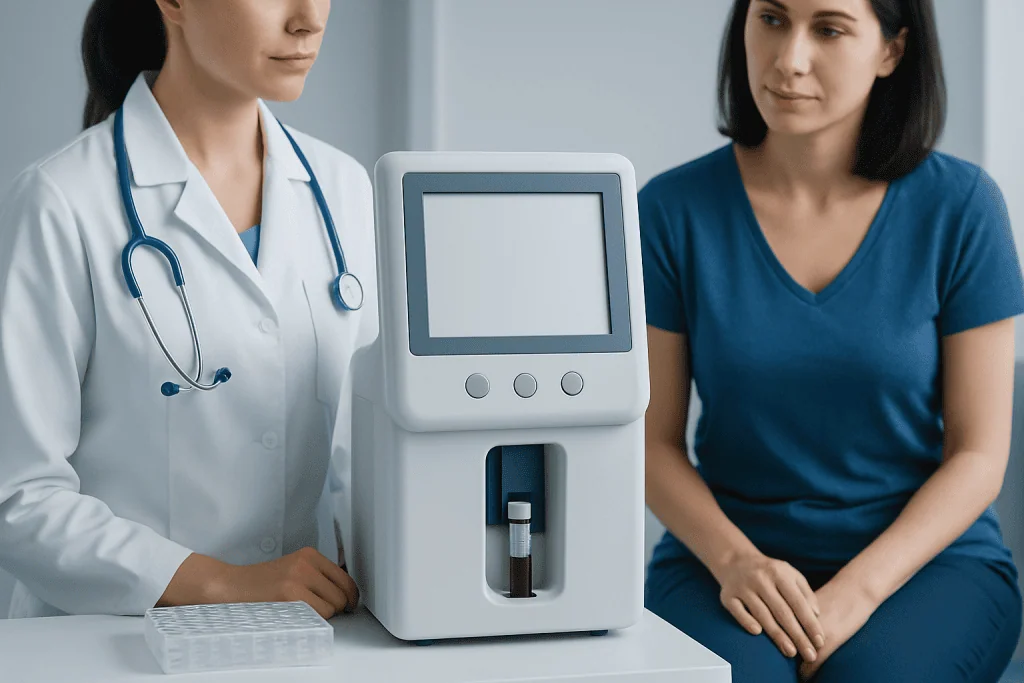
The TSH test helps indicate whether the thyroid may be underactive, overactive, or responding appropriately. In many situations, a high TSH level suggests hypothyroidism, meaning the thyroid is not producing enough hormone. A low TSH level may suggest hyperthyroidism, meaning the thyroid is producing too much hormone. However, interpretation depends on the degree of change and on related hormone levels.
Doctors often order the TSH test when a person has symptoms that could be linked to thyroid disease. These symptoms can be broad and nonspecific, which is one reason the test is so valuable. It may also be used as part of routine monitoring in people already diagnosed with thyroid conditions or taking thyroid medication.
The test can also help assess treatment response. For example, in someone being treated for an underactive thyroid, TSH is often used to see whether the dose of replacement hormone is appropriate. In someone with an overactive thyroid, it may help track whether treatment is bringing hormone levels back toward a healthier range.
- Screening for possible thyroid dysfunction
- Helping investigate symptoms such as fatigue, weight change, or palpitations
- Monitoring thyroid hormone replacement therapy
- Following treatment for an overactive thyroid
- Checking thyroid function during pregnancy or in selected higher-risk groups
Symptoms Linked to Abnormal TSH Levels

TSH itself usually does not cause symptoms. Instead, symptoms come from the thyroid hormone imbalance that may be associated with the TSH result. When TSH is high because the thyroid is underactive, a person may feel tired, cold, slowed down, or mentally foggy. Constipation, dry skin, weight gain, heavier menstrual periods, and low mood can also occur.
When TSH is low because the thyroid is overactive, symptoms may include a fast heartbeat, anxiety, tremor, heat intolerance, sweating, trouble sleeping, frequent bowel movements, and unintentional weight loss. Some people notice muscle weakness or increased irritability. Others may have very mild symptoms or none at all, especially in early disease.
Because these symptoms can overlap with stress, aging, anemia, menopause, or other medical conditions, blood testing is important. A doctor may also examine the neck for thyroid enlargement and look for signs such as dry skin, swelling, tremor, or changes in heart rate.
Common Causes and Risk Factors
Abnormal TSH results can occur for several reasons. One common cause of high TSH is primary hypothyroidism, often due to autoimmune thyroiditis, also called Hashimoto disease. Other causes include previous thyroid surgery, radiation treatment to the neck, certain medications, iodine imbalance, or temporary thyroid inflammation.
Low TSH is often linked to hyperthyroidism. Causes may include Graves disease, overactive thyroid nodules, thyroiditis, or taking too much thyroid hormone replacement. In some cases, TSH can also be low because of a problem in the pituitary gland, which means the result must be interpreted with caution and usually alongside free T4 and other hormone tests.
Some people have a higher chance of thyroid problems than others. Risk factors include a personal or family history of thyroid disease, autoimmune disease, pregnancy or the postpartum period, older age, previous neck radiation, and use of medicines such as amiodarone or lithium. The thyroid itself may also develop structural conditions such as thyroid nodules, which can sometimes affect hormone production depending on the type and activity of the nodule.
TSH can also shift for reasons that do not reflect a long-term thyroid disorder. Severe illness, recent hospitalization, laboratory timing, and some supplements or medications may affect the result. This is why a doctor may repeat the test or order additional blood work before making a diagnosis.
How the Test Is Done and How Results Are Interpreted
The TSH test is a simple blood test, usually taken from a vein in the arm. In most cases, no special preparation is needed, although a doctor may advise discussing supplements and medications beforehand. Biotin, which is found in some hair, skin, and nail products, can interfere with certain thyroid blood tests, so patients are often asked whether they are taking it.
Laboratories provide a reference range for TSH, but the exact range can vary slightly from one lab to another. A result outside the reference range does not always mean disease, and a result inside the range does not always rule it out. Doctors interpret the number in context, especially if symptoms are strong or if the person is pregnant, elderly, or has a known pituitary disorder.
Often, TSH is paired with free T4 and sometimes free T3. If TSH is high and free T4 is low, this usually supports overt hypothyroidism. If TSH is low and free T4 or free T3 is high, this usually supports hyperthyroidism. When TSH is abnormal but thyroid hormone levels remain in range, a doctor may describe the finding as subclinical thyroid dysfunction and decide whether observation or treatment is most appropriate.
Additional tests may be recommended depending on the situation. These can include thyroid antibody tests, ultrasound, or further endocrine evaluation. If the thyroid gland is enlarged or structurally abnormal, a doctor may arrange thyroid ultrasound to look more closely at its size, texture, and any nodules.
Treatment Options After an Abnormal TSH Result
Treatment depends on the underlying cause, not just on the TSH number alone. If the thyroid is underactive, treatment often involves thyroid hormone replacement to restore a healthier hormone balance. The doctor then repeats blood tests over time and adjusts treatment gradually based on symptoms and laboratory results.
If the thyroid is overactive, treatment may include medicines that reduce thyroid hormone production, radioactive iodine in selected cases, or surgery for some patients. Decisions depend on the cause of hyperthyroidism, the person’s age, symptoms, pregnancy plans, and whether there is a goiter or nodules. Some patients also need temporary treatment to control symptoms such as palpitations while the main treatment takes effect.
Not every abnormal TSH result needs immediate medication. Mild abnormalities may simply require follow-up testing, especially if the person feels well and free T4 is normal. Doctors weigh the likely cause, symptom burden, pregnancy status, cardiovascular risk, bone health, and the chance that the result may normalize on its own.
When there is a structural thyroid problem or concern about a nodule, doctors may combine blood tests with imaging and, in some cases, tissue sampling. Depending on the findings, evaluation may include thyroid biopsy or treatment planning with an endocrinologist and thyroid surgeon. In more complex cases, management may involve care for related conditions such as goiter.
Self-care, Monitoring, and Prevention
There is no guaranteed way to prevent all thyroid disorders, especially those caused by autoimmune disease. Still, regular medical follow-up can help detect problems early and reduce complications. People who already have thyroid disease usually benefit from consistent testing and taking medication exactly as prescribed.
It is helpful to take thyroid medicine in the way the prescribing doctor recommends, since food, calcium, iron, and other medicines may affect absorption. Patients should not change the dose on their own based on symptoms or internet advice. If symptoms persist, a repeat blood test and clinical review are safer and more reliable than self-adjustment.
General health habits can support overall endocrine well-being. These include a balanced diet, avoiding unnecessary supplements, reporting all medicines to the doctor, and attending scheduled check-ups. During pregnancy or when planning pregnancy, thyroid monitoring becomes especially important because even mild thyroid imbalance may matter more at that time.
Near the end of the care pathway, some patients may need coordinated evaluation across endocrinology, imaging, and surgery. Acibadem International’s multidisciplinary specialists and JCI-accredited hospitals diagnose and treat thyroid conditions for international patients when more advanced assessment is needed.
When to See a Doctor
A person should consider seeing a doctor if they have ongoing symptoms that might suggest a thyroid problem, such as unexplained fatigue, unusual weight change, sensitivity to cold or heat, palpitations, tremor, constipation, or noticeable neck swelling. These symptoms are common and often have causes other than thyroid disease, but they deserve medical review if they persist.
Medical advice is also important for anyone with a known thyroid disorder who develops new symptoms, becomes pregnant, starts a medicine that can affect the thyroid, or has difficulty keeping test results in the target range. Prompt assessment is especially helpful if symptoms are worsening or interfering with daily life.
Urgent care may be needed for severe symptoms such as chest pain, severe shortness of breath, fainting, marked confusion, or a very rapid heartbeat. These symptoms do not always mean a thyroid emergency, but they should not be ignored. A qualified healthcare professional can decide which tests and treatment, if any, are needed.
Frequently asked questions
What is a normal TSH level?
A normal TSH level depends on the laboratory reference range and the person’s clinical situation. What is considered appropriate may differ slightly in pregnancy, older adults, or people being treated for thyroid disease. A doctor interprets the result together with symptoms and other thyroid tests.
Does a high TSH always mean hypothyroidism?
A high TSH often suggests an underactive thyroid, but it does not always confirm the diagnosis by itself. Doctors usually look at free T4 and the person’s symptoms before making conclusions. Sometimes the result is temporary or reflects subclinical thyroid dysfunction rather than overt disease.
Does a low TSH always mean hyperthyroidism?
Low TSH commonly points toward an overactive thyroid, but there are exceptions. Certain medicines, severe illness, or pituitary problems can also lower TSH. Additional blood tests help clarify the reason.
Do patients need to fast before a TSH test?
Most people do not need to fast before a TSH blood test. However, they should tell their doctor about all medicines and supplements, especially biotin, because some products can affect thyroid test results. If any special preparation is needed, the healthcare team will explain it.
Why would a doctor order TSH with free T4 or free T3?
TSH shows how strongly the pituitary gland is signaling the thyroid, while free T4 and free T3 show the circulating thyroid hormone levels. Looking at them together gives a clearer picture of thyroid function. This combination helps distinguish underactive thyroid, overactive thyroid, and less common patterns.
How often should TSH be checked?
The testing interval depends on why the test is being done. People starting or adjusting thyroid treatment often need repeat testing after a period set by their doctor, while stable patients may be checked less often. The right schedule is individualized based on symptoms, diagnosis, pregnancy status, and treatment plan.
References
- American Thyroid Association
- National Institute of Diabetes and Digestive and Kidney Diseases
- MedlinePlus
- National Health Service
- Endocrine Society
This article is for general information only and is not a substitute for professional medical advice. Please consult a qualified doctor about your individual situation.
Heart care in Turkey — expert evaluation and treatment
JCI-accredited · board-certified surgeons · reply within 24h
Add us as a Preferred Source to see more of our trusted health content across Google Search, AI Overviews and Discover.
Check your numbers in seconds
BMI, calories, due date, blood pressure and 30+ more clinical calculators — free, instant, doctor-reviewed ranges.

More from the Health Library



Related Specialists

Assoc. Prof. Dr. Çağrı Örs
Orthopedic Surgery & Traumatology
Assoc. Prof. Dr. Önder Doksöz
Pediatric Cardiology
Prof. Dr. Nurzen Sezgin
Clinical Laboratory
Assoc. Prof. Dr. Cem Köz
Cardiology