Thyroid Symptoms: Common Causes, Related Conditions, and When to See a Doctor

Thyroid symptoms can affect energy, weight, temperature tolerance, heart rate, mood, skin, hair, and bowel habits. An underactive thyroid and an overactive thyroid cause different symptom patterns, but both may be subtle at first.
Key Takeaways
- Thyroid symptoms can affect energy, weight, temperature tolerance, heart rate, mood, skin, hair, and bowel habits.
- An underactive thyroid and an overactive thyroid cause different symptom patterns, but both may be subtle at first.
- Neck swelling, trouble swallowing, hoarseness, or a visible lump may point to a thyroid nodule or goiter.
- Doctors usually diagnose thyroid disorders with a physical exam, blood tests such as TSH and thyroid hormones, and sometimes ultrasound.
- Treatment depends on the cause and may include monitoring, medication, or selected procedures.
- Prompt medical care is important for severe palpitations, breathing difficulty, rapid neck swelling, or major changes during pregnancy.
Thyroid symptoms often reflect either too little or too much thyroid hormone, but they can also come from thyroid nodules, inflammation, or enlargement of the gland. Because these symptoms may overlap with many other conditions, a medical evaluation and simple blood tests are often the clearest way to find the cause.
Overview: what thyroid symptoms can mean
Thyroid symptoms are the body’s signals that the thyroid gland may be making too little hormone, too much hormone, or developing a structural problem such as a nodule or enlargement. The thyroid is a small gland at the front of the neck, but it influences many body systems, including metabolism, heart rate, temperature regulation, digestion, skin, menstrual cycles, and mood.
Because of this wide reach, thyroid symptoms can look very different from one person to another. One person may notice tiredness, constipation, and dry skin, while another may develop anxiety, a racing heartbeat, and weight loss. Some people have no general symptoms at all and first notice a lump in the neck or an abnormal blood test.
A helpful way to think about thyroid symptoms is to group them into three patterns: symptoms of low hormone levels, symptoms of high hormone levels, and local neck symptoms from a nodule, cyst, or enlarged gland. This approach can make the symptom picture easier to understand and can guide the next steps in medical evaluation.
Common thyroid symptoms to look for
When the thyroid is underactive, the body tends to slow down. Common symptoms can include ongoing fatigue, feeling unusually cold, weight gain, constipation, dry skin, hair thinning, puffiness, slower thinking, low mood, and heavier or irregular menstrual periods. Some people also notice muscle aches, a slower heart rate, or elevated cholesterol on routine testing.
When the thyroid is overactive, the body may seem to speed up. Symptoms can include unexplained weight loss, heat intolerance, sweating, shakiness, anxiety, irritability, trouble sleeping, frequent bowel movements, muscle weakness, and a fast or irregular heartbeat. Menstrual periods may become lighter or less regular. In some thyroid conditions, the eyes may feel irritated or appear more prominent.
Structural thyroid problems may cause a different set of symptoms. A person may notice a swelling or fullness in the lower front of the neck, a visible lump, hoarseness, throat pressure, trouble swallowing, or a sensation of needing to clear the throat. These symptoms can occur with a goiter, a benign thyroid nodule, inflammation, or less commonly a more serious thyroid disease.
- General symptoms: fatigue, weight change, temperature sensitivity
- Heart-related symptoms: palpitations, slow pulse, fast pulse
- Digestive symptoms: constipation or more frequent bowel movements
- Skin and hair symptoms: dryness, sweating, thinning hair
- Neck symptoms: lump, swelling, pressure, hoarseness
Common causes and related thyroid conditions

The most common cause of low thyroid hormone is hypothyroidism, often related to autoimmune thyroid disease such as Hashimoto thyroiditis. In this condition, the immune system gradually affects the thyroid’s ability to produce hormones. The symptoms may develop slowly over months and can be easy to mistake for stress, aging, or other common health issues. Readers looking for more detail on Hashimoto disease may find that it explains why symptoms can appear gradually.
Too much thyroid hormone is called hyperthyroidism. A frequent cause is Graves disease, another autoimmune condition, although thyroid nodules that produce hormone on their own can also lead to overactivity. This can cause symptoms that feel activating or overstimulating, such as tremor, nervousness, and palpitations. More information may be helpful for those exploring Graves disease or hyperthyroidism.
Not all thyroid symptoms come from hormone imbalance. A thyroid nodule may cause no symptoms, or it may lead to visible neck swelling, pressure, or swallowing discomfort. A goiter is a general enlargement of the thyroid and can occur with normal, low, or high hormone levels. Thyroiditis, which means inflammation of the gland, may temporarily release extra hormone at first and later reduce hormone production. Pregnancy, recent childbirth, certain medications, iodine imbalance, family history, and prior radiation exposure to the neck can also play a role.
Who is more likely to develop thyroid problems?
Thyroid disorders can affect anyone, but some groups are more likely to develop them. Risk increases with family history of thyroid disease or autoimmune disease, female sex, increasing age, pregnancy, and the postpartum period. A personal history of type 1 diabetes, celiac disease, or other autoimmune disorders can also raise the likelihood of thyroid conditions.
Environmental and medical factors matter as well. Previous radiation treatment to the head, neck, or chest, a low or excessive iodine intake, and some medications may affect thyroid function. In addition, a person who already has thyroid nodules or a goiter may need periodic follow-up even when symptoms are mild or absent.
Risk factors do not confirm a diagnosis, but they can make symptoms more meaningful. For example, fatigue alone is common in the general population, yet fatigue together with constipation, dry skin, and a family history of thyroid disease may lead a clinician to consider thyroid testing more quickly.
How doctors diagnose the cause of thyroid symptoms
Diagnosis begins with a medical history and physical examination. A doctor may ask about energy level, weight changes, bowel habits, sleep, menstrual changes, medications, family history, and any neck swelling or pressure symptoms. During the exam, the thyroid may be gently felt for enlargement, asymmetry, tenderness, or nodules, and the clinician may also check the pulse, reflexes, skin, and eyes.
Blood tests are usually the first step in confirming a thyroid disorder. Thyroid-stimulating hormone, often called TSH, is commonly used to screen for thyroid dysfunction. Free T4 and sometimes T3 help clarify whether the gland is underactive or overactive. In some situations, thyroid antibody tests are also useful, especially when autoimmune thyroid disease is suspected.
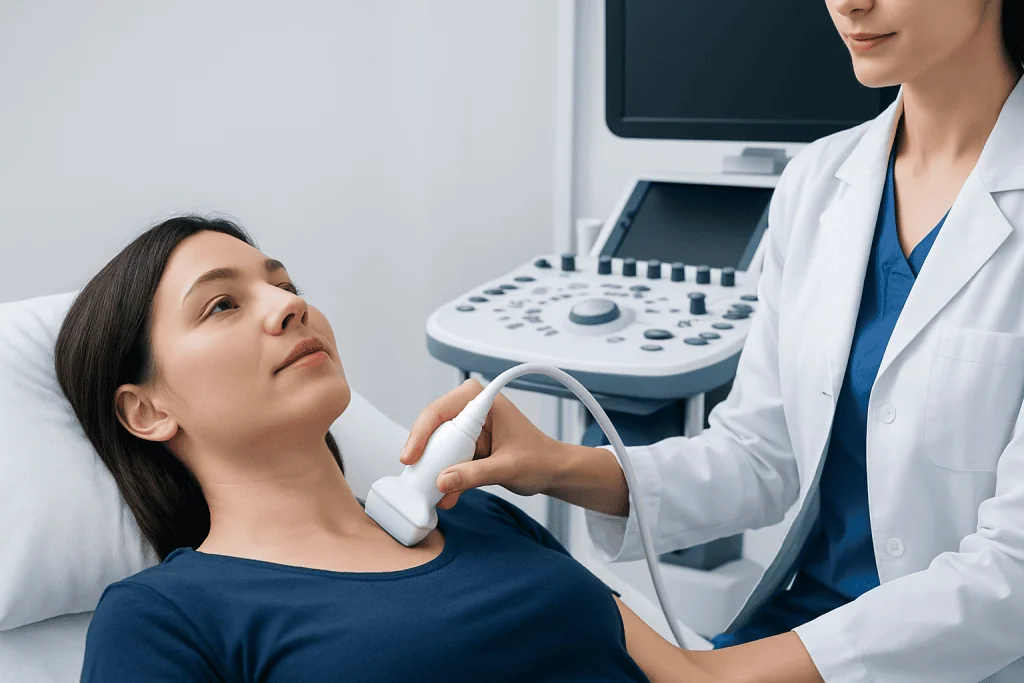
If there is a lump, enlarged thyroid, or concern about structure, imaging may be recommended. Thyroid ultrasound is commonly used because it can show the size of the gland and the features of any nodules. If a nodule looks suspicious or is large enough to require closer evaluation, a needle biopsy may be advised. When hyperthyroidism is present, additional testing may help identify whether the cause is Graves disease, thyroiditis, or a hormone-producing nodule.
Treatment options and what recovery may involve
Treatment depends on the cause of the thyroid symptoms rather than the symptoms alone. Hypothyroidism is commonly treated with thyroid hormone replacement, which helps restore normal hormone levels and gradually improves symptoms. Follow-up blood tests are important because the dose may need adjustment over time, especially during pregnancy, aging, or changes in body weight or medications.
Hyperthyroidism can be treated in several ways depending on its cause, severity, and the person’s overall health. Options may include medicines that reduce thyroid hormone production, medicines that help control symptoms such as palpitations, radioactive iodine in selected cases, or surgery when needed. For some patients, thyroid surgery becomes the most suitable option, particularly for large goiters, certain nodules, or persistent overactivity.
Nodules and goiters are managed according to their size, ultrasound features, effect on swallowing or breathing, and whether they alter hormone levels. Some only need observation with repeat exams or ultrasound, while others need biopsy or treatment. Evaluation often includes thyroid ultrasound and sometimes fine-needle aspiration biopsy. In complex cases, a multidisciplinary team can be helpful; Acibadem International’s specialists in JCI-accredited hospitals diagnose and treat thyroid conditions for international patients.
Self-care, monitoring, and everyday steps that may help
Self-care cannot replace diagnosis, but it can support overall well-being while evaluation is underway or after treatment has started. Taking thyroid medication exactly as prescribed, attending follow-up appointments, and completing repeat blood tests are among the most important steps. Symptoms often improve gradually rather than all at once, so monitoring over time is part of effective care.
It can also help to keep a simple symptom log. Recording changes in weight, energy, sleep, bowel habits, heart palpitations, menstrual cycles, or neck swelling may give a clearer picture of how symptoms are evolving. This can make clinic visits more productive and may help a doctor decide whether treatment is working or whether further tests are needed.
General healthy habits support recovery and comfort. These include balanced meals, regular physical activity as tolerated, stress management, and enough sleep. People should avoid starting supplements marketed for “thyroid support” without medical advice, because some may contain iodine or hormones that can interfere with testing or worsen thyroid disease.
When to seek medical care
Medical care is appropriate when thyroid symptoms are persistent, unexplained, or affecting daily life. A person should arrange an evaluation if they have ongoing fatigue, unexplained weight change, constipation, diarrhea, palpitations, new anxiety, neck swelling, hoarseness, or difficulty swallowing. These symptoms do not always mean thyroid disease, but they are reasonable reasons to speak with a qualified doctor.
Prompt assessment is especially important for a rapidly enlarging neck lump, shortness of breath, chest pain, fainting, severe palpitations, marked weakness, or new confusion. Pregnant people, those planning pregnancy, and anyone with known thyroid disease should also seek timely care if symptoms change, because thyroid hormone balance is especially important during pregnancy.
If symptoms are mild but there is a strong family history of thyroid disease or a personal history of autoimmune illness, discussing screening with a doctor may be useful. Early evaluation can help distinguish a thyroid problem from other common causes of similar symptoms, such as anemia, menopause, depression, medication effects, or heart rhythm disorders.
Frequently asked questions
What are the first signs of thyroid symptoms?
Early thyroid symptoms are often subtle and may build gradually. Common first signs include fatigue, unexplained weight change, feeling unusually cold or hot, constipation or frequent bowel movements, mood changes, and a fast or slow heartbeat.
Can thyroid symptoms come and go?
Yes, thyroid symptoms can fluctuate, especially in thyroiditis, early autoimmune disease, or when treatment needs adjustment. Symptoms may also seem to come and go because they overlap with stress, sleep changes, menopause, and other common conditions.
Do all thyroid problems cause weight changes?
No. Weight change is common, but not everyone with thyroid disease gains or loses weight. Some people mainly notice neck swelling, palpitations, hair thinning, menstrual changes, or fatigue instead.
Can a normal neck appearance still mean a thyroid problem?
Yes. Many thyroid disorders affect hormone levels without causing any visible swelling in the neck. That is why blood tests are often important even when the thyroid looks and feels normal.
Are thyroid symptoms different in women and men?
Many symptoms are the same in both, such as fatigue, heart rate changes, temperature intolerance, and bowel changes. Women may be more likely to notice menstrual irregularities or symptoms around pregnancy and the postpartum period.
How are thyroid symptoms confirmed?
Doctors usually confirm the cause with a medical history, physical exam, and blood tests such as TSH and free T4. If there is a lump, swelling, or concern about structure, ultrasound and sometimes biopsy may also be recommended.
This article is for general information only and is not a substitute for professional medical advice. Please consult a qualified doctor about your individual situation.
Explore treatments in Turkey — costs, top hospitals & a free quote
JCI-accredited · board-certified surgeons · reply within 24h
Add us as a Preferred Source to see more of our trusted health content across Google Search, AI Overviews and Discover.
Check your numbers in seconds
BMI, calories, due date, blood pressure and 30+ more clinical calculators — free, instant, doctor-reviewed ranges.

More from the Health Library

Cough Variant Asthma Explained: Common Triggers and Red Flags

Bicep Muscle Pain Explained: Common Triggers and Red Flags

How to Stretch? A Doctor-Reviewed Answer

Lower Stomach Ache Male: Possible Causes and When to Seek Care

When Does Third Trimester Start? A Doctor-Reviewed Answer