

Thyroiditis: Symptoms, Causes, and Treatment Options

Thyroiditis means inflammation of the thyroid gland and includes several different conditions. It may cause hyperthyroid symptoms at first, hypothyroid symptoms later, or both in sequence.
Key Takeaways
- Thyroiditis means inflammation of the thyroid gland and includes several different conditions.
- It may cause hyperthyroid symptoms at first, hypothyroid symptoms later, or both in sequence.
- Common forms include Hashimoto thyroiditis, subacute thyroiditis, painless thyroiditis, and postpartum thyroiditis.
- Diagnosis usually combines symptoms, blood tests, thyroid antibodies, and sometimes ultrasound.
- Treatment is guided by the cause and may include pain relief, beta-blockers, anti-inflammatory medicine, or thyroid hormone replacement.
- Medical review is important if symptoms are severe, persistent, or occur during pregnancy or after childbirth.
Thyroiditis is inflammation of the thyroid gland, and it can lead to neck discomfort, changes in energy, and temporary or lasting shifts in thyroid hormone levels. Treatment depends on the type and may range from watchful follow-up and symptom relief to thyroid hormone replacement.
Overview: what thyroiditis is and how it affects the body
Thyroiditis is the general term for inflammation of the thyroid gland. The thyroid is a small gland at the front of the neck that helps control metabolism, heart rate, body temperature, and energy by producing thyroid hormones. When the gland becomes inflamed, it may release stored hormone too quickly, produce too little hormone, or do both at different stages.
This is why thyroiditis does not look the same in every person. Some people have neck pain and tenderness, while others have no pain at all. Some develop symptoms of an overactive thyroid first, such as palpitations or feeling shaky, and later experience an underactive thyroid, such as tiredness, dry skin, or weight gain.
Thyroiditis is not one single disease. It includes several conditions with different causes, including autoimmune thyroid disease, viral or post-viral inflammation, postpartum thyroid changes, and medication-related thyroid inflammation. A clear diagnosis matters because treatment depends on the specific type rather than on the word thyroiditis alone.
Types and symptoms of thyroiditis
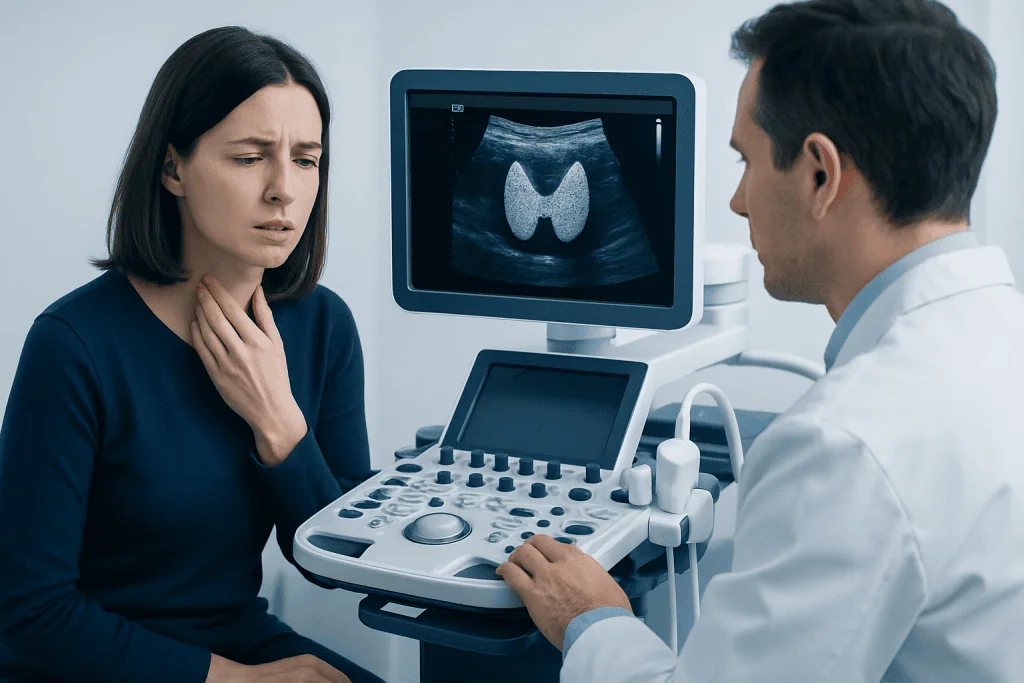
The symptoms of thyroiditis depend on whether thyroid hormone levels are high, low, or changing over time. During an early inflammatory phase, the gland may release excess hormone into the blood, causing temporary hyperthyroid symptoms. Later, as the gland becomes depleted or damaged, hypothyroid symptoms may appear.
Possible symptoms of a more overactive phase include a fast heartbeat, anxiety, sweating, tremor, trouble sleeping, heat intolerance, and unplanned weight loss. Symptoms of an underactive phase can include fatigue, feeling cold, constipation, dry skin, low mood, slowed thinking, heavier menstrual periods, and weight gain. Some people notice a feeling of fullness in the neck or pain that may spread to the jaw or ears.
Doctors usually divide thyroiditis into several main types:
- Hashimoto thyroiditis: an autoimmune form and a common cause of long-term hypothyroidism; it may lead to a goiter and often develops gradually.
- Subacute thyroiditis: often painful and sometimes linked to a recent viral illness; it commonly causes a short hyperthyroid phase followed by recovery or temporary hypothyroidism.
- Painless or silent thyroiditis: similar hormone changes but without significant neck pain.
- Postpartum thyroiditis: occurs within the first year after childbirth and may cause temporary hyperthyroid and/or hypothyroid symptoms.
- Acute infectious thyroiditis: uncommon but potentially serious; usually presents with fever, neck pain, and signs of infection.
Because symptoms can overlap with many other conditions, thyroiditis is sometimes first noticed when blood tests show abnormal thyroid function. It can also be confused with other thyroid problems, including goiter or hyperthyroidism, which is why medical assessment is helpful.
Causes and risk factors

The causes of thyroiditis vary by type. Autoimmune thyroiditis happens when the immune system mistakenly targets thyroid tissue. This includes Hashimoto thyroiditis and many cases of painless thyroiditis. Subacute thyroiditis often follows an upper respiratory infection, suggesting a viral or post-viral trigger in some people. Postpartum thyroiditis is thought to relate to immune changes that happen during and after pregnancy.
Less commonly, thyroiditis can be linked to certain medicines, such as drugs that affect the immune system or thyroid function. It may also occur after radiation exposure or after procedures involving the thyroid. In rare cases, the gland becomes infected by bacteria or other organisms, leading to acute infectious thyroiditis.
Risk factors include female sex, a personal or family history of autoimmune disease, previous thyroid disease, and recent pregnancy. Conditions such as type 1 diabetes or other autoimmune disorders may increase the likelihood of autoimmune thyroiditis. Even so, thyroiditis can also occur in people with no obvious risk factors.
Not every inflamed thyroid becomes permanently underactive. In some forms, the gland heals and hormone levels return to normal. In others, especially autoimmune thyroiditis, inflammation may gradually reduce hormone production over time, leading to long-term hypothyroidism that needs ongoing follow-up.
How thyroiditis is diagnosed
Diagnosis begins with a clinical history and physical examination. A doctor asks about neck pain, recent infections, pregnancy or childbirth, family history of thyroid disease, and symptoms that suggest too much or too little thyroid hormone. On examination, the thyroid may feel enlarged, firm, or tender depending on the cause.
Blood tests are central to diagnosis. These usually include thyroid-stimulating hormone (TSH) and thyroid hormones such as free T4, and sometimes T3. Thyroid antibody tests can help identify autoimmune forms, especially Hashimoto thyroiditis. Inflammatory markers may be useful when subacute thyroiditis is suspected.
Imaging is not always needed, but thyroid ultrasound may help if there is uncertainty about the diagnosis, a noticeable neck swelling, or concern about another thyroid condition. In selected cases, doctors may use a radioactive iodine uptake test to distinguish thyroiditis from other causes of thyrotoxicosis, because thyroiditis usually reflects hormone leakage rather than increased hormone production.
Accurate diagnosis helps avoid unnecessary treatment. For example, antithyroid drugs used for true overproduction are usually not helpful in many forms of thyroiditis because the main problem is inflammation and release of stored hormone. If symptoms or test results are complex, an endocrinology review may be recommended, together with specialist endocrinology care.
Treatment options and recovery
Thyroiditis treatment depends on the type, severity of symptoms, and current thyroid hormone levels. Many cases improve over time, so treatment often focuses first on symptom control and careful monitoring. Follow-up blood tests are important because the thyroid state can change over weeks or months.
If a person has symptoms of a temporary hyperthyroid phase, a doctor may recommend a beta-blocker to reduce palpitations, tremor, or anxiety-like symptoms. In painful subacute thyroiditis, anti-inflammatory medicines may help relieve neck pain and tenderness. In some cases, doctors prescribe corticosteroids when pain is more significant or symptoms do not improve with standard anti-inflammatory measures.
When hypothyroidism develops, thyroid hormone replacement may be needed. Some people need it only for a limited period while the thyroid recovers, while others, especially with Hashimoto thyroiditis, need longer-term treatment. Monitoring helps determine whether replacement can be reduced or should continue. If there is concern about structural thyroid disease, doctors may also evaluate for related conditions such as thyroid cancer, although thyroiditis itself is an inflammatory condition rather than a cancer diagnosis.
Acute infectious thyroiditis is managed differently and may require urgent antibiotics and, in some cases, drainage if an abscess forms. Care is individualized. At centers with multidisciplinary expertise, evaluation may include hormone testing, imaging, and, when needed, thyroid surgery for other coexisting thyroid problems rather than for routine thyroiditis itself.
Self-care, monitoring, and long-term outlook
Most people with thyroiditis benefit from regular follow-up rather than trying to judge recovery by symptoms alone. Energy level, mood, body weight, and heart rate can be affected by many factors, so repeat thyroid blood tests are often the best way to confirm whether the gland is improving or whether treatment needs to change.
Self-care measures can support comfort during recovery. These include taking medicines exactly as prescribed, resting when symptoms are intense, staying hydrated, and avoiding self-started supplements or hormone products unless a doctor has advised them. People taking thyroid hormone should have regular review, since taking too much or too little can also cause symptoms.
The long-term outlook is usually good, but it varies by type. Subacute thyroiditis often resolves over time, while Hashimoto thyroiditis more commonly leads to persistent hypothyroidism. Postpartum thyroiditis may settle completely, but some people later develop ongoing thyroid dysfunction and should mention this history in future pregnancies and routine health visits.
For international patients who need coordinated assessment, Acibadem International offers diagnosis and treatment through multidisciplinary specialists in JCI-accredited hospitals, including endocrine evaluation and related thyroid care when appropriate.
When to seek medical care
Medical review is advisable if symptoms suggest a thyroid problem and do not improve, especially persistent fatigue, unexplained weight change, palpitations, tremor, or a new neck swelling. A clinician can determine whether thyroiditis or another condition is responsible and arrange the right tests.
Prompt medical attention is important if there is severe neck pain, fever, marked tenderness, trouble swallowing, breathing difficulty, confusion, chest pain, or a very fast or irregular heartbeat. These features can point to a more urgent problem, including infection or significant thyroid hormone imbalance.
It is also sensible to seek care during pregnancy, after childbirth, or when symptoms return after prior thyroiditis. Early assessment can help protect overall health, clarify whether treatment is needed, and support safer follow-up over time.
Frequently asked questions
Is thyroiditis the same as hypothyroidism?
No. Thyroiditis means inflammation of the thyroid gland, while hypothyroidism means the thyroid is underactive. Thyroiditis can lead to hypothyroidism, but it may also cause a temporary overactive phase first or return to normal without lasting hormone problems.
Can thyroiditis go away on its own?
Some forms can improve without permanent damage, especially subacute or painless thyroiditis. However, symptoms still deserve medical review because thyroid levels may change over time. Autoimmune thyroiditis is more likely to lead to long-term hypothyroidism that needs follow-up or treatment.
Does thyroiditis always cause neck pain?
No. Pain is common in subacute thyroiditis, but Hashimoto thyroiditis and painless thyroiditis may cause little or no neck discomfort. This is one reason thyroiditis can sometimes be missed until blood tests are done.
Is thyroiditis contagious?
Most forms are not contagious. Even when thyroiditis follows a viral illness, the thyroid inflammation itself is not something another person can catch from it. Rare infectious thyroiditis is a different condition and needs prompt medical care.
What is postpartum thyroiditis?
Postpartum thyroiditis is thyroid inflammation that develops within the first year after childbirth. It may cause a short phase of overactive thyroid symptoms, a later underactive phase, or both. Many people recover, but some develop ongoing thyroid dysfunction and need follow-up.
Will thyroiditis require lifelong treatment?
Not always. Some people need only short-term treatment for symptoms or temporary thyroid hormone replacement. Others, especially those with Hashimoto thyroiditis, may need long-term thyroid hormone therapy if the gland does not recover normal function.
References
- American Thyroid Association
- National Institute of Diabetes and Digestive and Kidney Diseases
- Mayo Clinic
- National Health Service
- Endocrine Society
This article is for general information only and is not a substitute for professional medical advice. Please consult a qualified doctor about your individual situation.
Medical weight-loss options in Turkey — costs & eligibility
JCI-accredited · board-certified surgeons · reply within 24h
Add us as a Preferred Source to see more of our trusted health content across Google Search, AI Overviews and Discover.
Check your numbers in seconds
BMI, calories, due date, blood pressure and 30+ more clinical calculators — free, instant, doctor-reviewed ranges.

More from the Health Library



Related Specialists

Prof. Dr. Ömer Faruk Taşer
Orthopedic Surgery & Traumatology
Dr. Injı Suleymanova
Gynecology & Obstetrics
Assoc. Prof. Dr. Fatih Şimşek
Anesthesiology
Prof. Dr. Ayhan Aşkın
Physical Medicine & Rehabilitation