Thyrotoxicosis: Diagnosis, Outlook, and Modern Treatment Approaches

Thyrotoxicosis is a state of excess thyroid hormone, not a single disease. Common symptoms include rapid heartbeat, heat intolerance, tremor, weight loss, and nervousness.
Key Takeaways
- Thyrotoxicosis is a state of excess thyroid hormone, not a single disease.
- Common symptoms include rapid heartbeat, heat intolerance, tremor, weight loss, and nervousness.
- The most common cause is hyperthyroidism, especially Graves’ disease, but thyroiditis and some medicines can also trigger it.
- Diagnosis usually combines symptoms, physical examination, and blood tests for TSH and thyroid hormones.
- Treatment may include symptom-control medicines, antithyroid drugs, radioactive iodine, or surgery depending on the cause.
- Prompt medical review is important if symptoms are severe, persistent, or associated with chest pain, shortness of breath, or confusion.
Thyrotoxicosis means there is too much thyroid hormone circulating in the body, which can speed up many body functions and cause symptoms such as palpitations, tremor, anxiety, sweating, and weight loss. It is treatable, but proper diagnosis matters because thyrotoxicosis can have several different causes, and treatment depends on the underlying reason.
Overview: what thyrotoxicosis means
Thyrotoxicosis is the clinical state caused by too much thyroid hormone acting in the body. In simple terms, the body’s metabolism becomes overstimulated. This can affect the heart, digestive system, muscles, mood, sleep, skin, and menstrual cycle. Many people use the term interchangeably with hyperthyroidism, but they are not exactly the same.
Hyperthyroidism is one important cause of thyrotoxicosis and means the thyroid gland itself is making too much hormone. However, thyrotoxicosis can also happen when stored thyroid hormone leaks out of an inflamed thyroid gland, or less commonly from taking too much thyroid hormone medication. This distinction is important because different causes need different treatments.
Thyrotoxicosis can develop gradually or appear more suddenly, depending on the cause. In many cases it is very manageable once identified. Early evaluation can help relieve symptoms, reduce strain on the heart and other organs, and guide treatment toward the underlying problem rather than only the symptoms.
Symptoms and possible complications
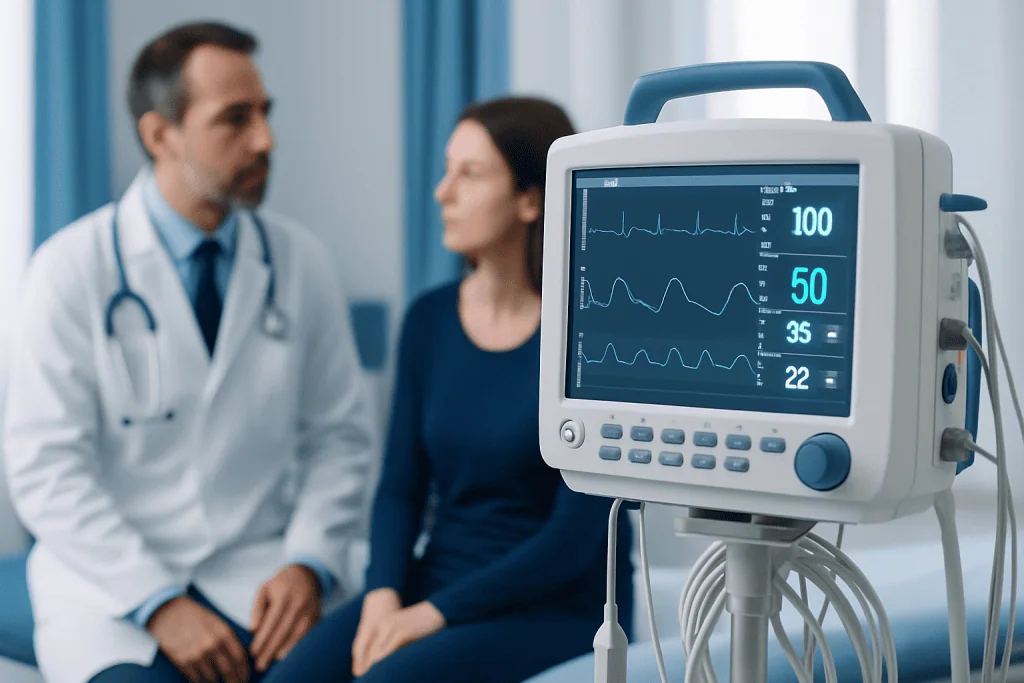
Because thyroid hormone affects nearly every organ system, symptoms of thyrotoxicosis can vary from person to person. Some people notice classic symptoms, while others have only subtle changes, especially older adults. Symptoms may be mild at first and become more noticeable over time.
Common symptoms include:
- Rapid or pounding heartbeat
- Palpitations or irregular heartbeat
- Unexplained weight loss despite normal or increased appetite
- Feeling hot easily or sweating more than usual
- Tremor, shakiness, or nervousness
- Anxiety, irritability, or restlessness
- Tiredness or muscle weakness
- Frequent bowel movements
- Difficulty sleeping
- Changes in menstrual periods
Some causes produce additional features. For example, Graves’ disease may cause eye symptoms such as grittiness, redness, light sensitivity, or a staring appearance. The thyroid gland may also enlarge, creating a visible swelling at the front of the neck known as a goiter. In thyroiditis, neck discomfort or tenderness may sometimes occur.
If thyrotoxicosis is not treated, it can lead to complications such as atrial fibrillation, worsening blood pressure control, bone loss, reduced muscle strength, and strain on the heart. Rarely, a severe life-threatening flare called thyroid storm can develop, causing fever, marked agitation, confusion, severe palpitations, and cardiovascular instability. This requires emergency care.
Causes and risk factors

The most common causes of thyrotoxicosis are conditions that increase the amount of thyroid hormone in the bloodstream. Graves’ disease is the leading cause in many adults. It is an autoimmune condition in which the immune system stimulates the thyroid gland to produce excessive hormone. A related condition, hyperthyroidism, is the broader term for overproduction by the thyroid itself.
Other causes include toxic multinodular goiter and toxic adenoma, where one or more thyroid nodules produce thyroid hormone independently of the body’s usual controls. Thyroiditis is another important cause. In this situation, inflammation of the thyroid releases preformed hormone into the bloodstream. Examples include painless thyroiditis, postpartum thyroiditis, and subacute thyroiditis.
Less common triggers include taking too much thyroid hormone replacement, exposure to iodine-rich medications or contrast agents in susceptible people, and certain rare pituitary or ovarian conditions. In pregnancy, diagnosis may need extra care because normal hormonal changes can affect thyroid tests.
Risk factors depend on the cause but may include a personal or family history of thyroid disease, other autoimmune diseases, female sex, recent pregnancy, smoking, and the presence of thyroid nodules. These factors do not confirm thyrotoxicosis, but they can increase the likelihood that symptoms are related to thyroid hormone excess.
How thyrotoxicosis is diagnosed
Diagnosis begins with a careful medical history and physical examination. A clinician will ask about weight change, heart symptoms, heat intolerance, tremor, bowel habits, medications, recent pregnancy, infections, and family history. On examination, they may check the pulse, blood pressure, thyroid gland, eyes, skin, and reflexes.
Blood tests are central to diagnosis. The usual first pattern in thyrotoxicosis is a low thyroid-stimulating hormone, or TSH, together with elevated free T4, free T3, or both. In some people, T3 may be disproportionately high. Antibody tests can help identify Graves’ disease, while inflammatory markers may support some forms of thyroiditis.
Imaging is used when the cause is unclear or when nodules are suspected. Thyroid ultrasound can show the gland’s size, texture, blood flow, and nodules. A radioactive iodine uptake scan may help distinguish overproduction from hormone leakage due to thyroiditis, because uptake is usually increased in hyperthyroidism and low in thyroiditis. If the gland is enlarged or nodular, thyroid ultrasound may be part of the work-up.
The most important step is not only confirming excess thyroid hormone, but identifying why it is happening. This shapes treatment decisions and helps predict the likely outlook. A personalized endocrine assessment is especially helpful when symptoms are complex, symptoms are mild but persistent, or test results do not fit the usual pattern.
Modern treatment approaches
Treatment for thyrotoxicosis depends on the cause, symptom severity, age, pregnancy status, and general health. In the short term, doctors often use medicines called beta-blockers to relieve symptoms such as palpitations, tremor, and anxiety while the main cause is being addressed. These medicines do not lower thyroid hormone itself, but they can help a person feel better more quickly.
When thyrotoxicosis is caused by hormone overproduction, antithyroid medicines may be used to reduce hormone synthesis. These are commonly used in Graves’ disease and sometimes before definitive treatment. In selected cases, doctors may recommend radioactive iodine therapy to gradually reduce overactive thyroid tissue. For some people with large goiters, compressive symptoms, suspicious nodules, medication side effects, or recurrent disease, thyroid surgery may be the best option.
If thyroiditis is the cause, treatment is different because the gland is often releasing stored hormone rather than making too much of it. In these cases, antithyroid drugs are usually not helpful. Care often focuses on symptom control, monitoring, and reducing inflammation when appropriate. Because the hormone pattern can change over time, follow-up blood tests are important.
Management should also include attention to complications and overall health. Atrial fibrillation, high blood pressure, eye involvement in Graves’ disease, and bone health may all require additional assessment. In some patients, endocrinology care helps coordinate diagnosis, treatment choice, and long-term follow-up. If a thyroid nodule or enlargement is part of the picture, evaluation may overlap with care for thyroid nodules.
Outlook, monitoring, and living with thyrotoxicosis
The outlook for thyrotoxicosis is often good when the condition is diagnosed accurately and treated appropriately. Many people improve significantly once thyroid hormone levels begin to return toward normal. Symptom relief may start within days to weeks for some treatments, while full stabilization can take longer depending on the cause and the treatment method used.
Long-term outlook varies. Graves’ disease may go into remission in some people after a course of antithyroid medication, while others may have recurrence and later choose radioactive iodine or surgery. Thyroiditis often follows a time-limited course, but some patients later develop an underactive thyroid and may need follow-up over several months or longer.
Regular monitoring is important because both over-treatment and under-treatment can cause problems. Blood tests are usually repeated at intervals determined by the treating clinician. Follow-up may include heart rhythm assessment, review of eye symptoms, and discussion of future pregnancy planning if relevant.
People with persistent or complex disease may benefit from multidisciplinary care. Near the end of the treatment journey, some international patients choose centers such as Acibadem International, where multidisciplinary specialists in JCI-accredited hospitals diagnose and treat thyroid conditions using medical, imaging, and surgical approaches when needed.
Self-care and prevention
There is no single way to prevent all cases of thyrotoxicosis, because many causes are autoimmune or otherwise not fully preventable. Still, self-care can support recovery and reduce strain on the body while treatment is underway. Rest, hydration, regular meals, and avoiding overheating may help with comfort when symptoms are active.
It is sensible to limit substances that can worsen palpitations or tremor, such as excess caffeine, energy drinks, and some over-the-counter stimulants. People should take thyroid medicines exactly as prescribed and avoid changing doses on their own. If thyroid hormone replacement is already being used, regular follow-up helps prevent accidental over-replacement.
Smoking cessation is especially important for people with Graves’ disease, because smoking is linked to worse thyroid eye disease. Nutritious eating, fall prevention, and bone health measures may be relevant in prolonged disease, particularly for older adults. People should also tell healthcare professionals about all medicines and supplements they use, since some products may affect thyroid testing or thyroid function.
When to seek medical care
Medical review is recommended if a person has ongoing symptoms that could suggest thyrotoxicosis, especially persistent palpitations, unexplained weight loss, heat intolerance, tremor, new anxiety, muscle weakness, or neck swelling. Evaluation is also important if thyroid symptoms begin during pregnancy or after childbirth, or if there is a family history of thyroid disease.
Urgent care is needed for chest pain, fainting, severe shortness of breath, a very fast or irregular heartbeat, high fever, marked agitation, confusion, or sudden worsening of symptoms. These features may indicate a serious complication and should not be monitored at home without medical advice.
People already diagnosed with thyroid disease should contact their clinician if symptoms return, medicines cause side effects, or follow-up tests have been missed. Early reassessment can often prevent complications and make treatment adjustments easier.
Frequently asked questions
Is thyrotoxicosis the same as hyperthyroidism?
Not exactly. Thyrotoxicosis means there is too much thyroid hormone affecting the body, while hyperthyroidism means the thyroid gland is actively making too much hormone. Hyperthyroidism is a common cause of thyrotoxicosis, but not the only one.
Can thyrotoxicosis go away on its own?
Sometimes it can, depending on the cause. Some forms of thyroiditis are temporary and may improve with monitoring and symptom treatment. Graves’ disease and toxic nodules usually need active medical treatment and follow-up.
What is the first test for suspected thyrotoxicosis?
The first step is usually a blood test that includes TSH and thyroid hormone levels such as free T4 and sometimes free T3. These tests show whether thyroid hormone is elevated and whether the normal control signal from the pituitary is suppressed.
Is thyrotoxicosis dangerous?
It can become serious if it is untreated or severe, especially when it affects the heart rhythm, blood pressure, or mental state. However, most cases can be managed effectively once the cause is identified. Prompt medical assessment lowers the risk of complications.
Will treatment always mean surgery?
No. Many people are treated with medicines, and some may have radioactive iodine depending on the cause and individual circumstances. Surgery is usually reserved for selected situations, such as a large goiter, suspicious nodules, recurrent disease, or when other treatments are not suitable.
Can thyrotoxicosis affect pregnancy?
Yes. Thyroid hormone excess during pregnancy needs careful medical supervision because it can affect both the pregnant person and the developing baby. Treatment choices may differ during pregnancy, so specialist guidance is important.
References
- American Thyroid Association
- National Institute of Diabetes and Digestive and Kidney Diseases
- National Health Service
- Mayo Clinic
- Endocrine Society
This article is for general information only and is not a substitute for professional medical advice. Please consult a qualified doctor about your individual situation.
Medical weight-loss options in Turkey — costs & eligibility
JCI-accredited · board-certified surgeons · reply within 24h
Add us as a Preferred Source to see more of our trusted health content across Google Search, AI Overviews and Discover.
Check your numbers in seconds
BMI, calories, due date, blood pressure and 30+ more clinical calculators — free, instant, doctor-reviewed ranges.