

Tight Calf Muscles: What Patients Need to Know

Tight calf muscles are often related to overuse, poor flexibility, dehydration, or prolonged inactivity. Symptoms may include stiffness, cramping, soreness, reduced ankle movement, or discomfort when walking or exercising.
Key Takeaways
- Tight calf muscles are often related to overuse, poor flexibility, dehydration, or prolonged inactivity.
- Symptoms may include stiffness, cramping, soreness, reduced ankle movement, or discomfort when walking or exercising.
- Most mild cases improve with relative rest, gentle stretching, hydration, and gradual return to activity.
- Persistent tightness, swelling, weakness, numbness, or one-sided calf pain needs medical evaluation.
- Treatment depends on the cause and may include physical therapy, supportive footwear, or care for tendon, nerve, or circulation problems.
Tight calf muscles are common and often happen after exercise, long periods of sitting, dehydration, or muscle overuse. In many cases they improve with rest, gentle stretching, and activity changes, but ongoing tightness can sometimes point to a tendon, nerve, circulation, or muscle problem that should be assessed.
Overview: what tight calf muscles usually mean
Tight calf muscles usually describe a feeling of stiffness, pulling, cramping, or reduced flexibility in the back of the lower leg. The calf is mainly made up of the gastrocnemius and soleus muscles, which help with walking, climbing stairs, standing on tiptoe, and pushing off during exercise. When these muscles become overworked or less flexible, everyday movement can start to feel uncomfortable.
In many people, tight calf muscles are linked to common factors such as increased exercise, long hours of sitting, poor warm-up, dehydration, or wearing unsupportive shoes. The sensation may be mild and temporary, or it may return repeatedly if the underlying cause is not addressed. Tightness can affect one or both legs and may be most noticeable first thing in the morning or after activity.
Although calf tightness is often not serious, it is not always just a simple muscle issue. Tendon irritation, nerve problems, circulation changes, or muscle strain can all create a similar feeling. Understanding the pattern of symptoms can help guide whether home care is appropriate or whether a medical assessment is needed.
Symptoms and how it may feel
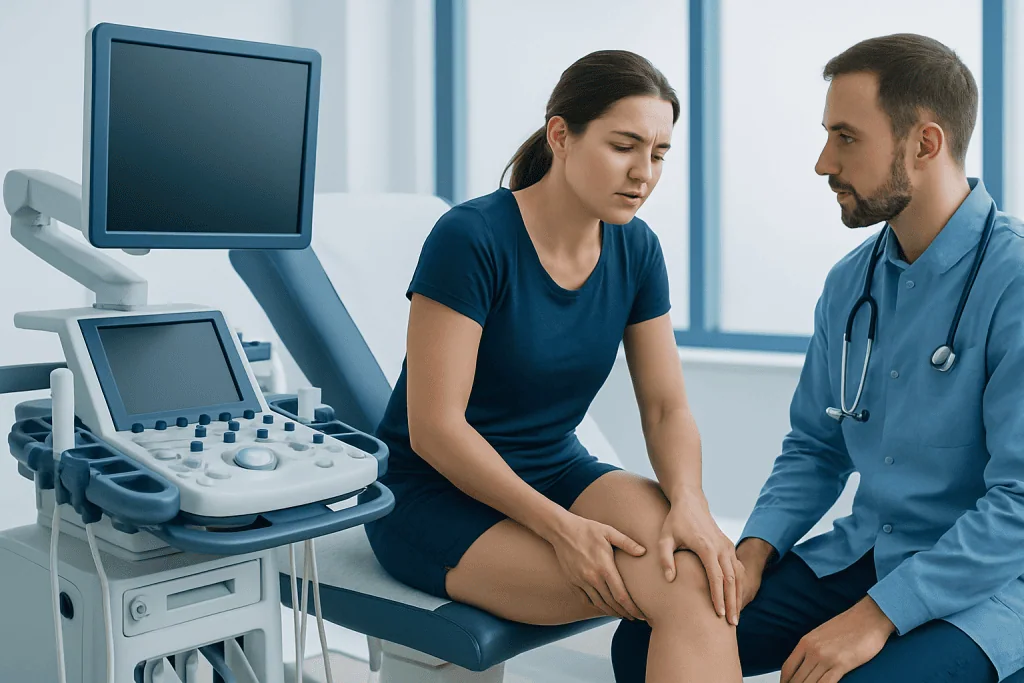
People describe tight calf muscles in different ways. Some feel a dull pulling sensation in the lower leg, while others notice cramping, aching, or a feeling that the muscle will not relax. The tightness may appear during walking, running, stretching, or after long periods of rest.
Common symptoms can include reduced ankle flexibility, soreness after exercise, tenderness when pressing on the muscle, and a feeling of stiffness when taking the first few steps. In some cases, a person may also notice nighttime cramps or discomfort when climbing stairs and hills. If the calf muscle is strained, there may be more sudden pain during activity and temporary weakness.
Symptoms that suggest a more specific problem include visible swelling, redness, warmth, numbness, tingling, or marked weakness. Pain centered lower down near the heel may be related to the Achilles tendon, while burning or shooting discomfort can sometimes reflect irritation of a nerve. One-sided symptoms that come on unexpectedly deserve closer attention.
- Stiffness or pulling in the back of the lower leg
- Cramping or muscle spasms
- Soreness after activity or after sitting still
- Reduced ankle motion or difficulty stretching the calf
- Pain when walking, running, or going up stairs
- Occasional swelling or tenderness if there is strain or inflammation
Common causes and risk factors

The most frequent cause of tight calf muscles is simple overuse. This can happen after increasing walking or running, starting a new exercise program, returning to activity too quickly, or doing repeated jumping or hill training. Tight calves are also common in people who spend much of the day sitting, because the ankle stays in one position and the muscles can gradually lose flexibility.
Dehydration, poor conditioning, inadequate recovery, and mineral imbalance may contribute to cramping and muscle tightness in some people. Foot mechanics can matter too. Flat feet, very high arches, or shoes with poor support may increase stress on the calf and Achilles area. A limited ankle range of motion can also make the calf work harder during movement.
Sometimes tightness is related to a specific medical issue rather than simple muscle fatigue. A calf strain can cause pain and tightness after a sudden push-off or sprint. Problems involving the Achilles tendon may create stiffness in the lower calf and heel region. Nerve compression in the lower back can occasionally refer symptoms into the leg, and circulation problems may cause heaviness or cramping with activity.
Risk factors include aging, reduced regular activity, poorly managed training loads, obesity, diabetes, certain medications, and a history of muscle or tendon injury. Pregnancy can also be associated with leg cramping. In a small number of cases, calf pain and tightness can be caused by a blood clot, so sudden one-sided swelling or pain should never be ignored.
How doctors evaluate tight calf muscles
Diagnosis begins with a careful history. A doctor will usually ask when the tightness started, whether it is in one or both legs, what activities trigger it, and whether there are related symptoms such as swelling, weakness, numbness, or back pain. This helps separate a routine muscle problem from tendon, nerve, or circulation causes.
The physical examination often includes checking walking pattern, calf tenderness, muscle strength, ankle motion, and the condition of the Achilles tendon. The doctor may compare both legs, look for swelling or skin changes, and assess whether pain appears with stretching or resisted movement. If nerve involvement is suspected, they may also examine the back and test reflexes and sensation.
Many cases do not need imaging. However, tests may be recommended if symptoms are severe, recurrent, unexplained, or associated with injury. Ultrasound can help assess soft tissues or check for a possible blood clot. MRI may be useful for a muscle tear or persistent tendon problem. When symptoms suggest spinal nerve irritation, doctors may investigate causes of herniated disc or other back-related conditions.
The goal of evaluation is not just to label the symptom, but to identify what is driving it. This is important because treatment for a simple overuse problem is very different from treatment for tendon injury, nerve compression, or vascular disease.
Treatment options and relief strategies
Treatment depends on the cause, but many mild cases improve with a combination of relative rest, gentle stretching, and gradual return to activity. Relative rest means reducing movements that trigger symptoms without becoming completely inactive for long periods. Short walks and light mobility exercises may help more than prolonged bed rest.
Supportive self-care often includes hydration, warming up before exercise, cooling down afterward, and avoiding sudden increases in training intensity. Some people benefit from calf massage, heat before activity, or ice after exercise if soreness is present. Footwear with good support can reduce repeated strain on the calf and heel. If a doctor advises it, physical therapy and rehabilitation may help improve flexibility, strength, and movement patterns.
When there is a defined injury, treatment becomes more targeted. A calf strain may need a period of modified activity and guided strengthening. Achilles-related symptoms may improve with tendon-loading exercises and activity changes. If symptoms are linked to spinal nerve pressure, the care plan may include rehabilitation and, in selected cases, spine surgery for the underlying issue rather than the calf itself.
If there is concern about a circulation problem, treatment should be urgent and specific to the cause. Sudden swelling, redness, and calf pain can require immediate assessment for deep vein thrombosis. At the other end of the spectrum, exercise-related calf pain caused by poor blood flow may lead to further vascular evaluation and, when appropriate, varicose veins treatment or other vessel-focused care. Pain relievers may be used in some cases, but medication should not replace evaluation of persistent or unexplained symptoms.
Prevention and self-care for daily life
Preventing tight calf muscles usually starts with simple habits. Regular stretching and gradual exercise progression are often more effective than occasional intense workouts. Gentle calf stretches should be done in a controlled way, without bouncing or forcing the muscle. Warming up before activity and including recovery days can reduce repeated strain.
Daily movement matters, especially for people who sit for long periods. Standing up regularly, taking short walks, and moving the ankles through their full range of motion can help keep the calf from becoming stiff. People who run or walk a lot may benefit from reviewing their training plan, shoe wear, and surface changes, since all of these can alter load on the lower leg.
General health measures are also important. Drinking enough fluids, addressing sleep and recovery, and managing long-term conditions such as diabetes can all support muscle function. If a person frequently gets leg cramps, it is reasonable to discuss this with a clinician rather than relying only on home remedies, especially if cramps are new or worsening.
For people with recurrent symptoms, guided exercise can be valuable. A structured program may focus on ankle mobility, calf flexibility, strengthening of the calf and foot muscles, and movement training. Near the end of care planning, some patients may seek specialist assessment; Acibadem International’s multidisciplinary specialists in JCI-accredited hospitals diagnose and treat musculoskeletal, neurological, and vascular causes of calf symptoms for international patients.
When to seek medical care
Many episodes of tight calf muscles settle within days to a few weeks, especially when they are related to exercise, inactivity, or mild overuse. Medical advice is important if symptoms keep returning, begin to interfere with walking or sleep, or do not improve with sensible self-care. A proper assessment can help prevent an ongoing problem from becoming more limiting.
Urgent medical care is needed if calf tightness is accompanied by one-sided swelling, redness, warmth, chest pain, shortness of breath, sudden severe pain, or inability to bear weight. These symptoms may indicate a condition that needs prompt treatment rather than routine home care. New numbness, significant weakness, or loss of bladder or bowel control also requires urgent review.
It is also wise to arrange an appointment if tightness follows a pop or sudden injury, if there is a visible lump or bruising, or if the symptoms may be related to another condition such as back pain or heel pain. Early guidance can clarify whether the issue is muscular, tendon-related, neurological, or vascular, and help direct safe treatment.
Frequently asked questions
Are tight calf muscles serious?
Usually, tight calf muscles are not serious and are often related to overuse, inactivity, or mild strain. However, sudden one-sided pain, swelling, redness, weakness, or shortness of breath can signal a more urgent problem and should be assessed promptly.
What is the fastest way to relieve tight calf muscles?
For many people, the most helpful first steps are reducing aggravating activity, gently stretching, walking lightly, and staying well hydrated. Heat before movement or ice after exercise-related soreness may also help, but symptoms that persist should be evaluated rather than repeatedly self-treated.
Can dehydration cause tight calf muscles?
Yes, dehydration can contribute to muscle cramping and may make calf tightness worse, especially during or after exercise. Still, dehydration is only one possible factor, so frequent or ongoing symptoms should not automatically be blamed on fluid intake alone.
Why are my calf muscles tight even when I do not exercise much?
Tightness can happen with long periods of sitting, reduced flexibility, poor footwear, or changes in walking mechanics. In some cases it may also be linked to tendon irritation, nerve compression from the back, medication effects, or circulation problems.
Should tight calf muscles be stretched every day?
Gentle daily stretching can be helpful for many people, especially when combined with regular movement and strengthening. The stretch should be comfortable and controlled, not forced, and it is best to stop if stretching makes pain clearly worse.
How do I know if calf tightness is a blood clot?
A blood clot may cause calf pain with swelling, warmth, redness, or tenderness, often affecting one leg rather than both. These symptoms are not specific, so they should be treated as a reason for urgent medical assessment rather than something to diagnose at home.
This article is for general information only and is not a substitute for professional medical advice. Please consult a qualified doctor about your individual situation.
Joint and spine care in Turkey — expert assessment & treatment
JCI-accredited · board-certified surgeons · reply within 24h
Add us as a Preferred Source to see more of our trusted health content across Google Search, AI Overviews and Discover.

More from the Health Library

Cumin Substitute: An Evidence-Based Guide for Patients

Jellyfish Sting: What Patients Need to Know

Dark Circles: What Patients Need to Know

Leukoplakia: What Patients Need to Know

Foot Blister: What Patients Need to Know
Bones of the Cranium: What Patients Need to Know
Orthopedic Surgery & Traumatology Specialists at Acibadem

Dr. Coşkun Akalın
Physical Medicine & Rehabilitation
Fzt. A.Sercan Soyarslan
Physical Medicine & Rehabilitation
Dr. Abdullah Yener İnce
Orthopedic Surgery & Traumatology
Dr. Adnan Abbasoğlu
Orthopedic Surgery & Traumatology