Tired: What Patients Need to Know

Tiredness can be short-term and harmless, but persistent fatigue may point to a health problem. Common causes include poor sleep, stress, infections, anemia, thyroid disease, and mental health conditions.
Key Takeaways
- Tiredness can be short-term and harmless, but persistent fatigue may point to a health problem.
- Common causes include poor sleep, stress, infections, anemia, thyroid disease, and mental health conditions.
- Doctors diagnose the cause by reviewing symptoms, sleep habits, medications, and general health, and sometimes ordering blood tests.
- Treatment depends on the cause and may include sleep improvement, nutrition changes, stress management, or care for an underlying condition.
- Medical attention is important if tiredness is severe, unexplained, long-lasting, or comes with concerning symptoms.
Feeling tired is common and is often linked to poor sleep, stress, illness, or lifestyle factors. When tiredness lasts, worsens, or affects daily life, it may be a sign of an underlying medical condition that deserves evaluation.
Overview: What it means to feel tired
Feeling tired means having low energy, reduced stamina, or a sense that the body and mind are not fully refreshed. In many cases, this happens after poor sleep, a busy schedule, emotional stress, travel, or a recent illness. For many people, rest, hydration, regular meals, and recovery time are enough to help.
However, tiredness is also a symptom rather than a diagnosis. When it lasts for weeks, keeps coming back, or feels out of proportion to a person’s activity level, it may be linked to a medical, emotional, or lifestyle cause. This is why ongoing tiredness should be looked at in context, not dismissed automatically.
Some people use the words “tiredness,” “sleepiness,” and “fatigue” interchangeably, but they are not always the same. Sleepiness usually means a strong urge to fall asleep, while fatigue often refers to physical or mental exhaustion that does not fully improve with rest. Understanding this difference can help guide the next steps in care.
How tiredness can feel
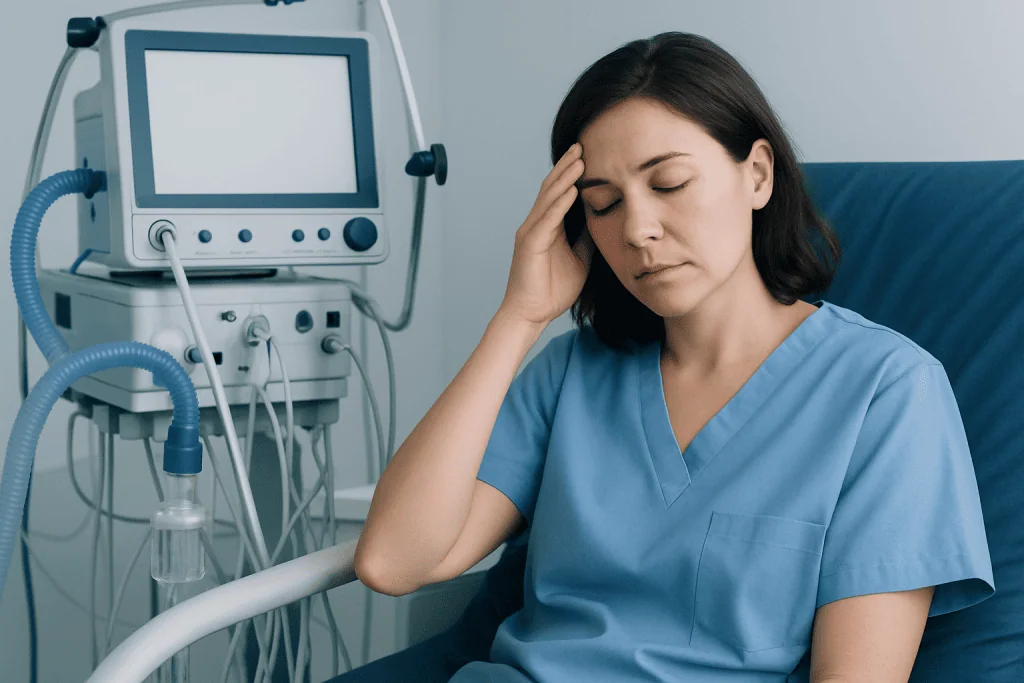
Tiredness affects people in different ways. Some describe heavy eyelids, difficulty getting out of bed, or needing naps more often. Others notice low motivation, slower thinking, poor concentration, forgetfulness, or reduced exercise tolerance.
It may also appear alongside other symptoms, which can offer clues about the cause. For example, loud snoring and morning headaches can suggest a sleep-related breathing problem, while feeling cold, constipated, and sluggish may be seen with thyroid issues. Breathlessness, paleness, and dizziness can occur with anemia.
Helpful details include when the tiredness started, whether it is constant or comes in episodes, and whether sleep improves it. Doctors also consider whether a person feels physically weak, emotionally drained, or sleepy during the day, since these patterns can point in different directions.
- Daytime sleepiness or unrefreshing sleep
- Low energy and reduced endurance
- Poor focus or “brain fog”
- Irritability or low mood
- Headaches, dizziness, or body aches
Common causes and risk factors

Many cases of tiredness are related to daily habits. Too little sleep, irregular sleep schedules, shift work, dehydration, skipped meals, alcohol use, and too little or too much exercise can all contribute. Emotional strain also matters. Stress, anxiety, burnout, and depression commonly affect energy, concentration, and sleep quality.
Medical causes are also important. Common examples include anemia, thyroid disorders, diabetes, chronic infections, heart or lung disease, kidney or liver problems, chronic pain, and autoimmune conditions. Sleep disorders such as sleep apnea can cause significant daytime tiredness even when a person believes they slept for enough hours.
Medications can play a role as well. Some antihistamines, pain medicines, antidepressants, blood pressure medicines, and other drugs may cause drowsiness or low energy. Nutritional deficiencies, especially low iron, vitamin B12, or vitamin D, may also contribute in some people.
Certain risk factors make persistent tiredness more likely, including older age, recent childbirth, chronic illness, heavy caregiving demands, poor sleep hygiene, and untreated mental health symptoms. A full review of these factors helps doctors decide whether tiredness is more likely to be temporary or part of a larger health issue.
How doctors find the cause
Diagnosis begins with a careful medical history. A doctor will usually ask how long the tiredness has been present, what makes it better or worse, how much sleep a person gets, and whether there are symptoms such as fever, weight changes, breathlessness, snoring, pain, low mood, or changes in appetite. Medication use, caffeine intake, alcohol, work patterns, and recent life stress are also relevant.
A physical examination can reveal signs such as pallor, thyroid enlargement, abnormal heart or lung findings, dehydration, or neurological changes. Based on the history and examination, the doctor may recommend tests to look for common physical causes.
These often include blood tests, such as a complete blood count, blood sugar, thyroid function, iron studies, and sometimes vitamin levels or tests for inflammation or infection. If symptoms suggest a sleep problem, a doctor may advise a sleep assessment. In selected cases, advanced evaluation may include a sleep study or heart testing such as a cardiac check-up.
The main goal is not simply to label a person as tired, but to identify whether there is a reversible reason behind it. This helps avoid both under-treatment and unnecessary testing.
Treatment options depend on the cause
There is no single treatment for tiredness because treatment depends on what is causing it. If poor sleep habits are the issue, improving sleep routines may help. If anemia, thyroid disease, infection, depression, or another medical condition is found, treatment focuses on that condition.
Lifestyle changes are often part of care. These can include keeping a consistent sleep schedule, reducing screen time before bed, eating balanced meals, drinking enough water, and returning gradually to regular physical activity. For stress-related tiredness, structured relaxation, counseling, and healthy daily routines can make a meaningful difference.
When a sleep disorder is suspected, treatment may involve specialist assessment and targeted therapy. For example, people with symptoms of insomnia may benefit from behavioral strategies, while those with significant snoring or breathing pauses during sleep may need further sleep-focused care. If a heart or circulation problem contributes to low energy or shortness of breath, treatment may involve specialist support such as cardiology care.
Near the end of the diagnostic process, some patients may need coordinated care across specialties. Acibadem International’s multidisciplinary specialists and JCI-accredited hospitals diagnose and treat causes of persistent tiredness for international patients when more detailed evaluation is needed.
Prevention and self-care steps
Not every cause of tiredness can be prevented, but many people can reduce everyday fatigue by supporting sleep, nutrition, and stress management. Small, consistent changes are often more effective than trying to change everything at once. A practical routine can improve energy over time.
Useful self-care steps include getting regular sleep, avoiding heavy meals or alcohol close to bedtime, staying physically active, and taking breaks during long work periods. It also helps to notice patterns. A symptom diary can show whether tiredness is linked to poor sleep, busy days, mood changes, or certain foods or medications.
- Aim for a regular sleep and wake time
- Limit screens and stimulating activity before bed
- Eat regular, balanced meals with enough protein and iron-rich foods
- Drink water throughout the day
- Use caffeine carefully, especially later in the day
- Seek support for stress, anxiety, or low mood
Self-care is helpful, but it should not replace medical advice when symptoms are ongoing or unusual. A person should avoid self-diagnosing persistent tiredness as “just stress” if it is affecting daily life.
When to seek medical care
Medical advice is appropriate if tiredness lasts more than a few weeks, keeps returning, or interferes with work, school, exercise, or daily routines. It is also sensible to seek care if rest does not help or if the tiredness feels very different from a person’s usual energy level.
Prompt evaluation is especially important if tiredness happens together with chest pain, shortness of breath, fainting, unexplained weight loss, black stools, persistent fever, severe headaches, weakness on one side, or significant mood changes. These symptoms may need urgent attention.
Parents should also seek advice if a child seems unusually tired, less active than normal, or is having sleep, breathing, feeding, or school performance problems. In older adults, new tiredness can sometimes be the main sign of illness even when other symptoms are subtle.
Because tiredness has many possible causes, a qualified doctor can help decide whether reassurance, testing, or referral is needed. Early evaluation often makes treatment more straightforward and can bring peace of mind.
Frequently asked questions
Is being tired the same as having fatigue?
Not always. Tiredness can happen after a busy day or a poor night of sleep, while fatigue often refers to a deeper lack of energy that may not improve fully with rest. Doctors use the pattern, duration, and associated symptoms to help tell the difference.
Why am I tired even after sleeping enough hours?
Sleeping for enough time does not always mean the sleep was good quality. Problems such as stress, insomnia, sleep apnea, depression, medications, or medical conditions can lead to unrefreshing sleep and daytime tiredness. A doctor can help identify whether the issue is sleep quality, sleep timing, or another health cause.
Can stress and anxiety make a person feel tired?
Yes. Stress and anxiety can affect sleep, increase mental strain, and keep the body in a more alert state, which is exhausting over time. They can also reduce concentration and motivation, making tiredness feel worse during the day.
What tests are commonly done for ongoing tiredness?
Doctors often start with a history, physical exam, and basic blood tests. These may include a complete blood count, blood sugar, thyroid tests, and iron studies, with other tests added if symptoms suggest a specific cause. The exact workup depends on age, medical history, and accompanying symptoms.
Can dehydration or diet cause tiredness?
Yes. Dehydration, irregular meals, low calorie intake, or not getting enough nutrients such as iron or vitamin B12 can contribute to low energy. Balanced meals, regular fluids, and medical advice when symptoms persist can help address these causes safely.
When should tiredness be treated as urgent?
Urgent evaluation is needed if tiredness comes with chest pain, trouble breathing, fainting, confusion, severe weakness, or signs of serious bleeding or infection. These symptoms may point to a condition that needs prompt medical care. If a person is unsure, it is safest to seek professional advice quickly.
References
- World Health Organization
- Centers for Disease Control and Prevention
- National Institutes of Health
- American Academy of Sleep Medicine
- Mayo Clinic
This article is for general information only and is not a substitute for professional medical advice. Please consult a qualified doctor about your individual situation.
Explore treatments in Turkey — costs, top hospitals & a free quote
JCI-accredited · board-certified surgeons · reply within 24h
Add us as a Preferred Source to see more of our trusted health content across Google Search, AI Overviews and Discover.
Check your numbers in seconds
BMI, calories, due date, blood pressure and 30+ more clinical calculators — free, instant, doctor-reviewed ranges.