

Tooth Decay: Symptoms, Stages, and Treatment Options

Tooth decay begins when plaque bacteria turn sugars into acids that weaken tooth enamel. Early tooth decay may not cause pain, which is why regular dental check-ups are important.
Key Takeaways
- Tooth decay begins when plaque bacteria turn sugars into acids that weaken tooth enamel.
- Early tooth decay may not cause pain, which is why regular dental check-ups are important.
- Symptoms can include sensitivity, visible holes, toothache, staining, bad breath, or swelling in advanced cases.
- Treatment depends on the stage and may include fluoride, fillings, crowns, root canal treatment, or extraction when necessary.
- Daily brushing with fluoride toothpaste, flossing, limiting sugary snacks, and dental visits help prevent cavities.
Tooth decay is a common dental condition in which acids produced by bacteria gradually damage the tooth surface and may form cavities. With early diagnosis, good oral hygiene, and appropriate dental care, most tooth decay can be treated effectively and often prevented.
Overview
Tooth decay, also called dental caries or cavities, is a gradual breakdown of the hard tissues of the teeth. It begins when bacteria in dental plaque feed on sugars and starches from food and drinks. These bacteria produce acids that remove minerals from the enamel, the protective outer layer of the tooth.
In the earliest stage, tooth decay may appear as a white or chalky spot and can sometimes be reversed with fluoride and improved oral care. If the damage continues, the enamel surface may break down and form a cavity. Once a cavity forms, it usually needs treatment by a dentist because the lost tooth structure cannot grow back on its own.
Tooth decay can affect people of all ages, from young children to older adults. It may develop on chewing surfaces, between teeth, around old fillings, or near the gumline. Although it is common, it is not inevitable; prevention and early care can make a significant difference.
Symptoms and Warning Signs
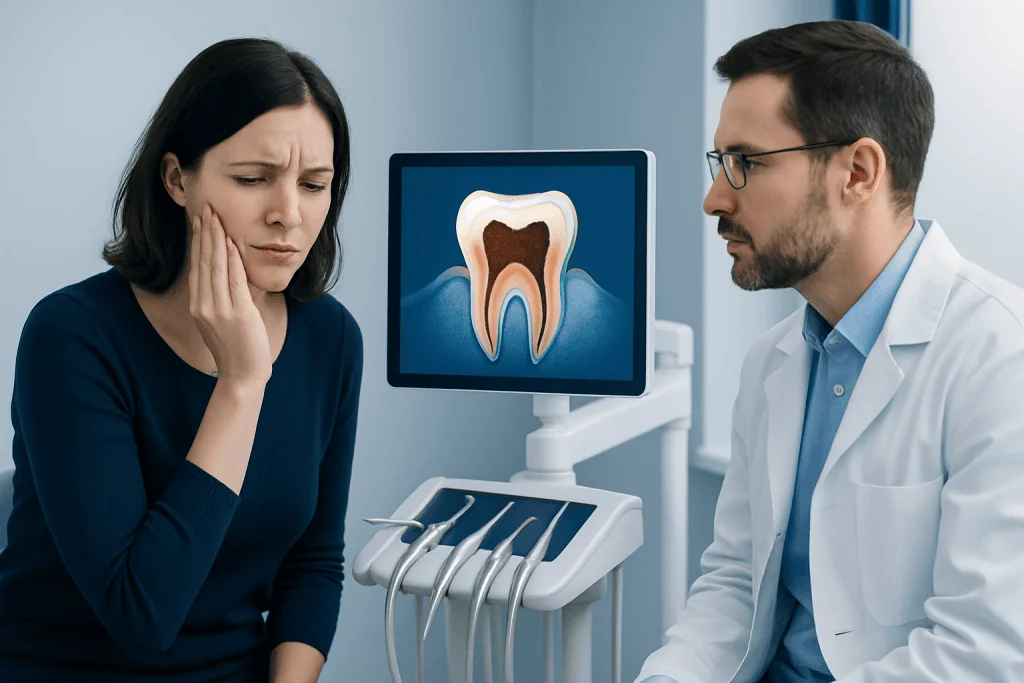
Tooth decay does not always cause symptoms at first. Many people feel well while early enamel damage is developing, which is one reason routine dental examinations are important. A dentist may detect small areas of decay before they become painful or more complex to treat.
As decay progresses, symptoms may become more noticeable. A person may feel sensitivity to cold, hot, or sweet foods and drinks. There may be a dull ache, sharp pain when biting, or discomfort that comes and goes. Some cavities are visible as dark spots, brown or black staining, pits, or holes in the tooth surface.
Possible signs of tooth decay include:
- Tooth sensitivity or pain
- Visible holes, pits, or rough areas on a tooth
- White, brown, or black spots on enamel
- Pain when chewing or biting
- Food repeatedly getting stuck between teeth
- Bad breath or an unpleasant taste
- Swelling of the gum or face in more advanced infection
Severe or persistent pain, swelling, fever, or pus around a tooth may indicate an infection that requires prompt dental or medical attention. Early treatment helps preserve the tooth and reduces the risk of complications.
Stages of Tooth Decay
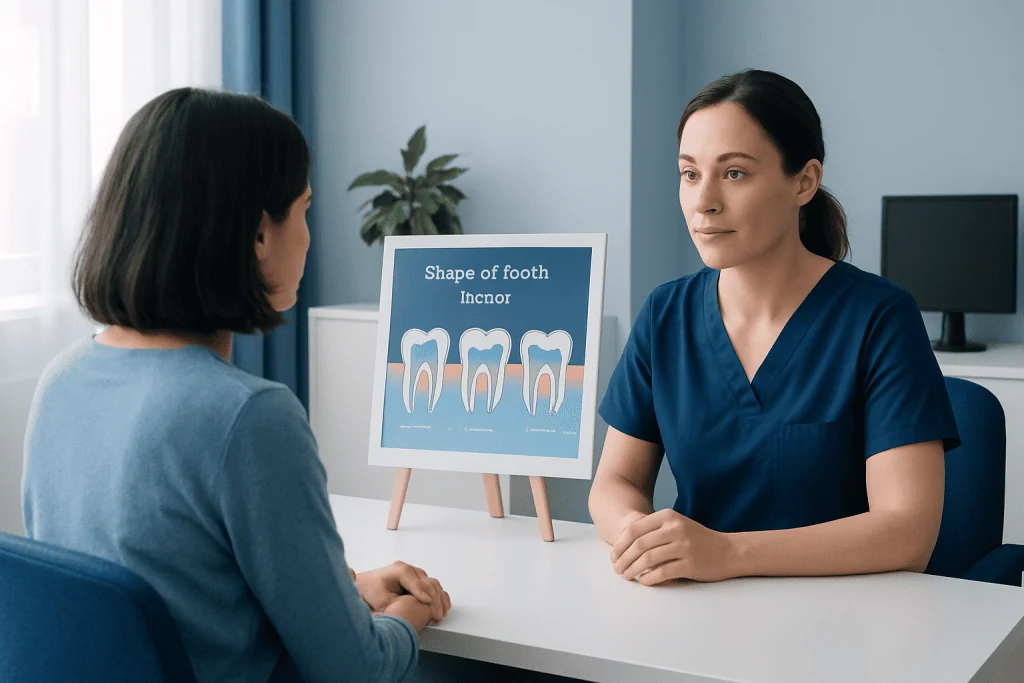
Tooth decay usually develops in stages. The first stage is demineralization, where acids remove minerals from the enamel. This may look like a white spot, especially near the gumline or in grooves on the chewing surfaces. At this point, decay may still be reversible with fluoride, careful cleaning, and dietary changes.
If acid attacks continue, the enamel can weaken and break down, forming an enamel cavity. Enamel has no nerves, so a person may still feel little or no pain. Once decay reaches the dentin, the softer layer under enamel, it can spread more quickly. Dentin contains tiny tubules that connect toward the nerve of the tooth, so sensitivity and pain are more likely.
In advanced stages, decay can reach the pulp, the inner part of the tooth that contains nerves and blood vessels. Pulp irritation or infection can cause significant pain, lingering sensitivity, swelling, or an abscess. At this stage, treatment may require root canal therapy or, if the tooth cannot be saved, extraction.
The stage of decay guides the treatment plan. A small early lesion may need preventive care, while a deep cavity may need restorative or endodontic treatment. The goal is always to stop the disease process, relieve symptoms, and protect long-term oral health.
Causes and Risk Factors
The main cause of tooth decay is the interaction between plaque bacteria, fermentable carbohydrates, and time. Plaque is a sticky film that forms on teeth. When sugars or refined starches remain in the mouth, bacteria produce acids that lower the pH and gradually dissolve tooth minerals.
Frequent snacking or sipping sugary drinks gives bacteria repeated opportunities to produce acid. Sticky sweets, sweetened beverages, fruit juices, and highly processed carbohydrates can increase risk when consumed often. However, tooth decay is not caused by diet alone; oral hygiene, saliva flow, fluoride exposure, and tooth anatomy also play important roles.
Common risk factors include:
- Infrequent brushing or flossing
- Not using fluoride toothpaste or having limited fluoride exposure
- Dry mouth caused by medications, medical conditions, or dehydration
- Deep grooves in molars that trap plaque
- Old or damaged fillings that allow plaque to collect
- Gum recession that exposes root surfaces
- Medical or developmental conditions that affect enamel
- Wearing orthodontic appliances or dentures that make cleaning harder
Children, teenagers, older adults, and people with dry mouth may need extra prevention strategies. A dentist can assess individual risk and recommend a personalized approach, such as fluoride varnish, sealants, or more frequent check-ups.
Diagnosis
Dentists diagnose tooth decay through a combination of medical and dental history, oral examination, and, when needed, dental X-rays. During an exam, the dentist looks for changes in color, surface texture, pits, cracks, plaque buildup, and signs of gum inflammation. They may also ask about symptoms such as sensitivity, pain, dry mouth, diet, or oral hygiene habits.
Dental X-rays can show decay that is not visible to the eye, especially between teeth or under existing fillings. They also help assess how deep a cavity is and whether it is close to the pulp. The type and frequency of X-rays depend on a person’s age, symptoms, risk level, and clinical findings.
In some cases, dentists may use additional tools such as magnification, special lights, or caries-detection devices to support diagnosis. These tools do not replace a clinical examination but may help identify early lesions and monitor whether preventive care is working.
Accurate diagnosis is important because not every stain or sensitive tooth is a cavity. Sensitivity can also be caused by gum recession, enamel wear, cracked teeth, teeth grinding, or recent dental procedures. A professional evaluation helps determine the correct cause and treatment.
Treatment Options
Treatment for tooth decay depends on how advanced it is. Very early enamel demineralization may be managed with non-invasive care. This can include fluoride toothpaste, professional fluoride applications, improved plaque control, reduced sugar frequency, and close monitoring. The aim is to help minerals return to the enamel and stop progression.
When a cavity has formed, the decayed tissue is usually removed and the tooth is restored with a filling. Fillings may be made from tooth-colored composite resin, amalgam, glass ionomer, or other materials chosen according to the tooth location, size of the cavity, chewing forces, and patient needs. If a large part of the tooth is damaged, an inlay, onlay, or crown may be recommended to strengthen and protect it.
If decay reaches the pulp, root canal treatment may be needed. During this procedure, the infected or inflamed pulp is removed, the root canals are cleaned and sealed, and the tooth is restored. Root canal therapy can often save a tooth that might otherwise need extraction. If a tooth is severely damaged, fractured, or cannot be restored safely, extraction may be the best option, followed by discussion of replacement options such as an implant, bridge, or denture.
Pain relief, antibiotics, or temporary measures may be used in selected cases, but they do not remove decay or restore tooth structure. A dentist should guide treatment decisions. Patients receiving care abroad or coordinating complex dental needs can consider evaluation at established dental centers; Acibadem International’s multidisciplinary specialists and JCI-accredited hospitals provide diagnosis and treatment for international patients with a range of dental conditions.
Prevention and Self-Care
Most tooth decay prevention happens through daily habits. Brushing twice a day with fluoride toothpaste helps remove plaque and strengthen enamel. Cleaning between teeth with floss or interdental brushes is also important because cavities often begin where toothbrush bristles cannot reach.
Diet plays a major role. It is usually better to limit how often sugary or acidic foods and drinks are consumed rather than focusing only on the total amount. Sipping sweet drinks over a long period keeps teeth exposed to acid. Drinking water, choosing balanced meals, and keeping snacks to planned times can reduce repeated acid attacks.
Helpful prevention steps include:
- Brush for two minutes twice daily with fluoride toothpaste
- Clean between teeth once daily
- Limit frequent sugary snacks, candies, and sweetened drinks
- Ask a dentist about fluoride varnish or prescription fluoride if at high risk
- Consider dental sealants for children’s and teenagers’ molars when appropriate
- Manage dry mouth by discussing medication effects and hydration with a clinician
- Attend regular dental check-ups and cleanings
Parents and caregivers can support children by supervising brushing, avoiding putting babies to bed with bottles containing milk or sweet drinks, and scheduling early dental visits. Adults with braces, crowns, bridges, implants, or dentures may need specific cleaning tools and instructions from a dental professional.
When to See a Dentist
A dental appointment is recommended if a person notices tooth sensitivity, toothache, visible holes, dark spots, pain while chewing, or food trapping in one area. Even mild symptoms should not be ignored because decay can progress silently. Early care often allows simpler and more conservative treatment.
Prompt attention is especially important if there is swelling of the gum, face, or jaw; fever; pus; a bad taste; or severe pain that affects sleep or daily activities. These signs may suggest an abscess or spreading infection. A dentist or emergency care provider can assess the situation and recommend appropriate treatment.
People at higher risk for tooth decay may benefit from more frequent preventive visits. This includes those with dry mouth, a history of many cavities, gum recession, orthodontic appliances, certain medical conditions, or difficulty maintaining oral hygiene. The best visit schedule is individualized and should be discussed with a dentist.
Frequently asked questions
Can early tooth decay be reversed?
Yes, very early tooth decay may be reversible if the enamel surface has not broken down. Fluoride, improved brushing and flossing, and reducing frequent sugar exposure can help minerals return to the enamel. Once a true cavity forms, the lost tooth structure usually needs to be repaired by a dentist.
Does a cavity always hurt?
No, a cavity may not hurt in the early stages. Pain is more likely when decay reaches dentin or the pulp inside the tooth. This is why regular dental check-ups are important even when there are no symptoms.
What is the difference between tooth decay and a cavity?
Tooth decay is the disease process in which acids damage the tooth structure. A cavity is the hole or defect that can result when decay progresses. In other words, a cavity is often a later visible sign of ongoing tooth decay.
Are children more likely to get tooth decay?
Children can be at higher risk because their brushing skills are still developing and they may snack frequently. Baby teeth have thinner enamel than adult teeth, so decay can progress more quickly. Caregiver supervision, fluoride toothpaste in an age-appropriate amount, healthy snack habits, and dental visits help reduce risk.
Can tooth decay spread to other teeth?
Tooth decay itself is not contagious in the way a cold is, but the same plaque bacteria, diet patterns, and hygiene habits can affect multiple teeth. If one cavity is found, a dentist will often check carefully for others. Improving oral care and reducing frequent sugar exposure can help protect all teeth.
Is a root canal better than removing a decayed tooth?
When a tooth can be restored, root canal treatment may allow it to remain in the mouth and function normally. Extraction may be necessary if the tooth is too damaged, fractured, or unsupported by bone. The best option depends on the tooth's condition, overall oral health, and the patient's treatment goals.
How often should someone visit the dentist to prevent cavities?
Many people benefit from routine dental visits every six months, but the ideal schedule varies. People with a high risk of tooth decay, dry mouth, gum disease, or many restorations may need more frequent care. A dentist can recommend a personalized recall interval based on risk and examination findings.
References
- World Health Organization
- American Dental Association
- Centers for Disease Control and Prevention
- National Institute of Dental and Craniofacial Research
- FDI World Dental Federation
This article is for general information only and is not a substitute for professional medical advice. Please consult a qualified doctor about your individual situation.
Tooth Decay in Turkey — costs, top hospitals & a free quote
JCI-accredited · board-certified surgeons · reply within 24h
Add us as a Preferred Source to see more of our trusted health content across Google Search, AI Overviews and Discover.

Dental & Oral Health
Full-scope dental care from implants and aesthetics to oral and maxillofacial surgery.
158 specialists in this unitRelated Treatments
More from the Health Library



Related Specialists

Assoc. Prof. Dr. Ferit Bayram
Oral & Dental Health
Dt. Alara Naz Kenir
Oral & Dental Health
Dt. Gonca Katmer
Oral & Dental HealthDt. Doğa Baysal
Oral & Dental Health