Traumatic Brain Injury Recovery: What Changes Over the First Year?
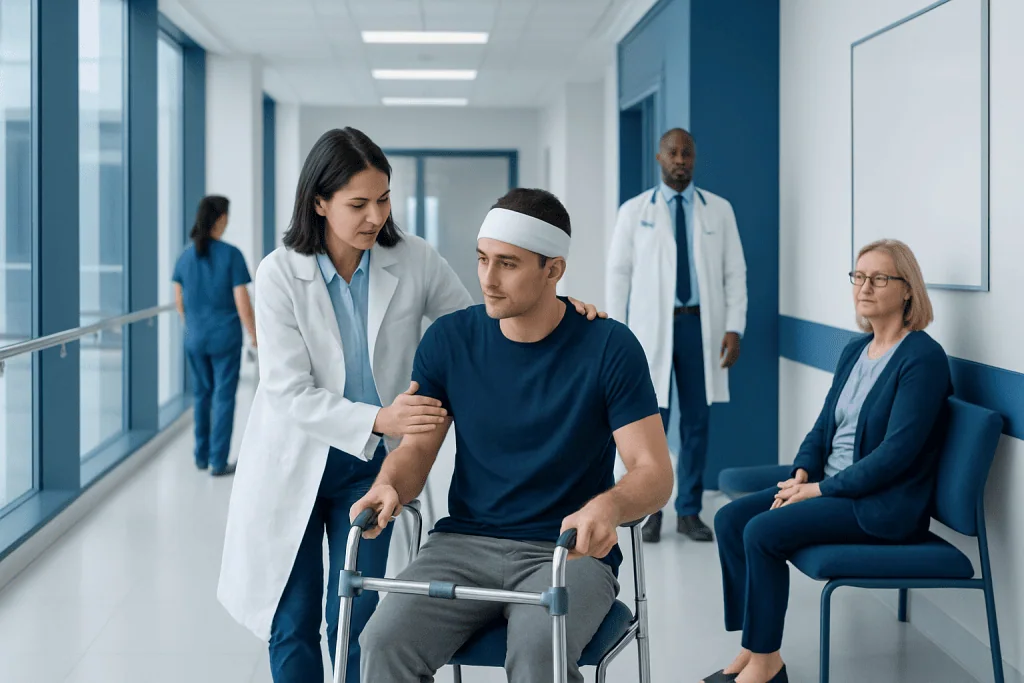
Recovery after a traumatic brain injury is different for every person, but the first year is often the most active period of change. Symptoms can affect movement, memory, concentration, mood, sleep, speech, and daily independence.
Key Takeaways
- Recovery after a traumatic brain injury is different for every person, but the first year is often the most active period of change.
- Symptoms can affect movement, memory, concentration, mood, sleep, speech, and daily independence.
- Early medical care, structured rehabilitation, and steady follow-up can support the best possible recovery.
- Fatigue, emotional changes, and setbacks are common and do not always mean recovery has stopped.
- Urgent medical review is needed for worsening headaches, repeated vomiting, seizures, confusion, or new weakness.
Traumatic brain injury recovery is often a gradual process, and the first year can bring important physical, thinking, emotional, and sleep-related changes. Improvement may happen quickly at first and then continue more slowly, with each person's recovery path shaped by the severity of injury, age, overall health, and rehabilitation support.
Overview: What recovery after traumatic brain injury can look like
Traumatic brain injury recovery refers to the healing and adjustment that happen after a blow, jolt, or penetrating injury affects the brain. Recovery can begin in the hospital, continue through rehabilitation, and extend into home, school, or work life. Some people recover fully from a mild injury, while others need longer-term support after a moderate or severe injury.
The first year is often discussed because many of the most noticeable changes happen during this time. In the early weeks, the brain and body are healing from the immediate injury. Over the following months, swelling settles, strength and coordination may improve, and people often relearn skills or develop strategies to manage ongoing symptoms.
Recovery does not always follow a straight line. A person may make steady progress, then feel stalled, then improve again. Tiredness, stress, poor sleep, pain, and returning to daily demands can make symptoms feel more noticeable even when healing is continuing.
The pattern of recovery depends on many factors, including the type of injury, how severe it was, how quickly treatment began, and whether there were related injuries to the neck, spine, or other parts of the body. Personalized rehabilitation is often important, especially when symptoms affect daily life for more than a short time.
What may change over the first year
In the first days and weeks, the main goals are medical stabilization, rest, symptom monitoring, and prevention of complications. Depending on the injury, a person may experience headaches, dizziness, confusion, sensitivity to light or noise, memory problems, or trouble with balance. In more severe cases, speech, mobility, swallowing, and awareness can also be affected.
During the first one to three months, some symptoms begin to improve as the brain recovers from the initial injury. Many people notice better alertness, clearer thinking, and gradual gains in physical function. At the same time, they may become more aware of problems with concentration, fatigue, irritability, or overstimulation as they return to normal routines.
Between three and six months, rehabilitation often focuses on rebuilding endurance, practicing cognitive skills, improving mood and sleep, and increasing independence. People may return to school, work, driving, or exercise in stages, with adjustments based on symptoms and safety. This period can feel encouraging, but it can also be frustrating if progress seems slower than expected.
From six to twelve months, many patients continue to improve, though the pace may be less obvious. Some symptoms may resolve, while others become long-term issues that need ongoing management. Even if recovery is incomplete at one year, improvement can still continue beyond that point, especially with continued therapy, good sleep, physical activity, and medical follow-up.
Common symptoms and challenges during recovery

Traumatic brain injury can affect the body, thoughts, emotions, and behavior. Physical symptoms may include headaches, dizziness, balance problems, fatigue, blurred vision, light sensitivity, noise sensitivity, nausea, or weakness. Some people also develop neck pain, which can overlap with brain injury symptoms and affect daily comfort.
Thinking-related symptoms are also common. A person may have trouble focusing, learning new information, remembering conversations, finding words, planning tasks, or processing information quickly. These difficulties can be especially noticeable in busy environments or when the person is tired.
Emotional and behavioral changes can be just as important as physical symptoms. Anxiety, low mood, irritability, frustration, reduced stress tolerance, or feeling unlike oneself may appear during recovery. Family members sometimes notice personality or behavior changes before the patient does, particularly after moderate or severe injury.
Sleep problems are very common and can worsen many other symptoms. Trouble falling asleep, sleeping too much, waking often, or feeling unrefreshed can make headaches, memory problems, and mood symptoms harder to manage. If symptoms continue or interfere with daily life, a clinician may recommend assessment by rehabilitation, neurology, neuropsychology, or sleep specialists, depending on the person’s needs.
Factors that influence recovery
No two brain injuries are exactly the same. Recovery is influenced by injury severity, the area of the brain affected, age, general health, and whether the person had previous neurological or mental health conditions. A mild concussion can still cause distressing symptoms, while some people with more serious injury may recover certain functions better than expected with intensive rehabilitation.
Complications can also affect progress. Bleeding in or around the brain, skull fracture, seizures, infection, lack of oxygen, or injuries to other organs may slow healing. Longer periods of unconsciousness or post-traumatic amnesia often suggest a more complex recovery, though they do not predict every outcome.
Access to timely treatment and rehabilitation matters. Physical therapy, occupational therapy, speech and language therapy, psychological support, and social support can all help people regain function and confidence. In selected cases, treatment may relate to associated problems such as stroke, post-traumatic seizures, or structural injuries that require neurosurgical care.
Daily habits play a role as well. Regular sleep, gradual physical activity, avoiding alcohol and recreational drugs, taking medicines as prescribed, and pacing mental effort can all support recovery. Family understanding is also important, because invisible symptoms such as fatigue or poor concentration can be easily underestimated.
How doctors assess progress and diagnose ongoing problems
Assessment begins with the history of the injury, the person’s symptoms, and a neurological examination. Doctors look at consciousness, speech, memory, movement, reflexes, balance, vision, and behavior. They may also ask family members about changes in attention, mood, sleep, personality, or day-to-day functioning.
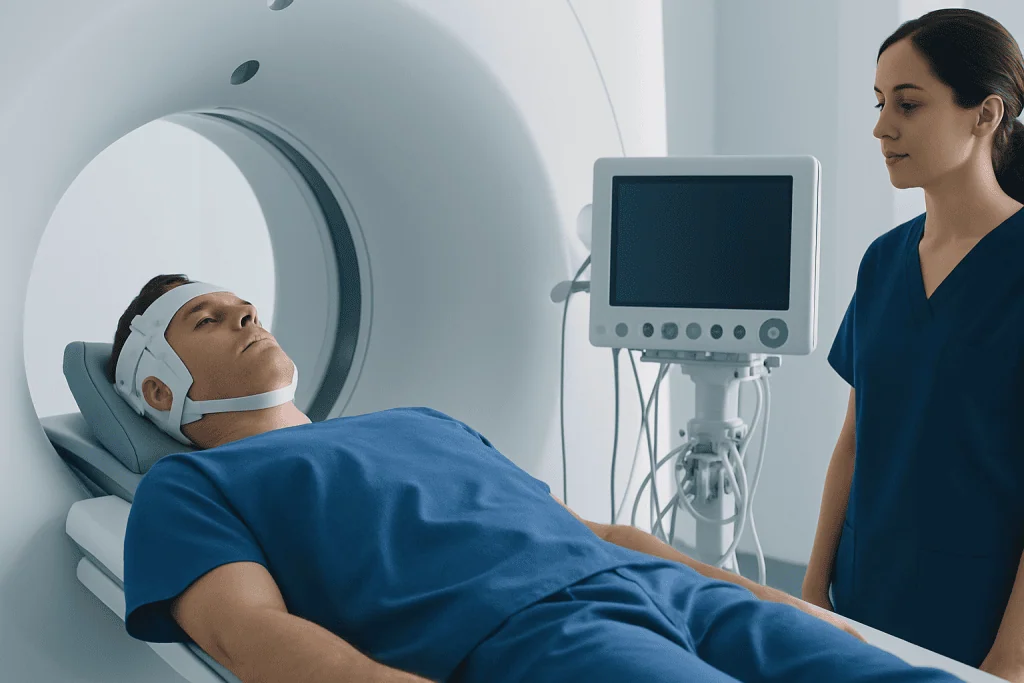
Imaging studies such as CT or MRI may be used depending on the injury and symptoms. CT is often used early to identify bleeding, swelling, or skull fractures. MRI can sometimes provide more detail about brain tissue changes and may be helpful if symptoms persist or if the injury pattern needs further clarification through brain MRI.
When symptoms continue, additional testing may help guide rehabilitation. Neuropsychological evaluation can assess memory, attention, problem-solving, language, and emotional function. Balance testing, vision assessment, speech and swallowing evaluation, and sleep assessment may also be recommended based on symptoms.
Follow-up matters because traumatic brain injury symptoms can change over time. A person who seemed medically stable at first may later struggle with returning to work, school, or relationships. Ongoing review helps clinicians identify treatable problems such as headache disorders, depression, vestibular dysfunction, or seizures, and refer patients to appropriate services including neurological rehabilitation.
Treatment and rehabilitation in the first year
Treatment depends on the severity of the injury and the symptoms involved. In the acute phase, care may include observation, medicines for symptom control, seizure prevention in some cases, and surgery if there is dangerous bleeding or pressure in the brain. More serious injuries may require intensive care and support for breathing, circulation, and brain pressure monitoring.
As the patient becomes medically stable, rehabilitation becomes central. Physical therapy can improve strength, balance, coordination, and endurance. Occupational therapy focuses on daily activities such as dressing, cooking, organization, and return to work or school. Speech and language therapy can help with communication, cognition, and swallowing.
Cognitive and emotional recovery are also important parts of treatment. Structured routines, memory aids, limited multitasking, and gradual increases in activity can reduce overload. Counseling or psychological therapy may help with anxiety, depression, trauma, or adjustment to life changes after injury. In some cases, medicines may be used to support mood, sleep, headaches, or attention, but these decisions should be individualized by a qualified clinician.
Some patients need highly specialized care, especially if brain injury occurs with other neurological problems. Depending on the situation, doctors may recommend evaluation by specialists in neurosurgery or therapies used in related conditions such as epilepsy treatment when seizures are part of the recovery picture.
Self-care, prevention of setbacks, and returning to daily life
Self-care during traumatic brain injury recovery is not just about rest. In the very early stage, rest is important, but prolonged inactivity can sometimes make fatigue, mood symptoms, and deconditioning worse. Most people benefit from a gradual, supervised return to physical and mental activity that stays below the level that clearly worsens symptoms.
Helpful strategies include keeping a regular sleep schedule, drinking enough fluids, eating balanced meals, taking breaks before exhaustion sets in, and using calendars, reminders, or written notes. Reducing alcohol use and avoiding recreational drugs is important because these can impair thinking, increase fall risk, and interfere with healing.
Return to work, school, sports, and driving should be individualized. Some people do well with shorter days, reduced screen exposure, extra time for tasks, or a quieter environment. Athletes and active adults should not return to contact sports until they have been medically cleared, especially after concussion or repeated head injury.
Family and caregivers can support recovery by helping with routines, noticing warning signs, and encouraging realistic pacing. Near the end of the first year, some people still need coordinated specialist care. Acibadem International’s multidisciplinary specialists in JCI-accredited hospitals diagnose and treat traumatic brain injury and related rehabilitation needs for international patients.
When to seek medical attention
Some symptoms during recovery need urgent medical review. These include worsening headache, repeated vomiting, increasing confusion, unusual drowsiness, new weakness or numbness, slurred speech, seizures, loss of consciousness, or fluid leaking from the nose or ears after a head injury. These signs can suggest a complication that should not be ignored.
Medical advice is also important if symptoms are not improving as expected or are interfering with daily life. Ongoing dizziness, poor balance, severe fatigue, mood changes, memory problems, or sleep disturbance can often be treated or managed more effectively once they are recognized clearly.
Family members should seek help if the person seems increasingly impulsive, depressed, withdrawn, or unsafe. Emotional distress and cognitive difficulties can affect judgment and independence, and early support may prevent further problems.
If there has been any new head injury during the recovery period, the person should be re-evaluated, particularly if symptoms return or worsen. Follow-up with a qualified doctor helps ensure that recovery is on the right path and that rehabilitation goals remain realistic and safe.
Frequently asked questions
How long does traumatic brain injury recovery usually take?
Recovery time varies widely. Some people recover within days to weeks after a mild injury, while others need months or longer after a moderate or severe traumatic brain injury. Improvement is often most noticeable in the first year, but progress can continue beyond that.
Is it normal for symptoms to come and go during recovery?
Yes. Symptoms such as fatigue, headache, dizziness, or poor concentration can fluctuate, especially with stress, lack of sleep, or too much activity. Ups and downs are common and do not always mean the brain is getting worse, but persistent or worsening symptoms should be reviewed by a doctor.
What are the most common long-term problems after a traumatic brain injury?
Common ongoing issues include headaches, fatigue, memory and attention problems, mood changes, sleep disturbance, and balance difficulties. The type and severity of long-term effects depend on the part of the brain affected and how serious the injury was. Many of these problems can improve with rehabilitation and symptom-focused care.
Can someone return to work or school in the first year after TBI?
Many people can, but the timing should be individualized. A gradual return with accommodations such as shorter days, extra breaks, reduced screen time, or lighter duties is often helpful. Medical guidance can improve safety and make the transition more successful.
Does sleep affect traumatic brain injury recovery?
Yes. Poor sleep can worsen concentration, mood, headaches, pain, and daytime fatigue. Good sleep habits and medical review for persistent sleep problems can play an important role in recovery.
When should a person with TBI go to the emergency department?
Emergency care is needed for red-flag symptoms such as repeated vomiting, seizures, worsening headache, increasing confusion, new weakness, difficulty waking up, or loss of consciousness. These symptoms may point to a serious complication that needs urgent assessment.
References
- World Health Organization
- Centers for Disease Control and Prevention
- National Institute of Neurological Disorders and Stroke
- Brain Trauma Foundation
- National Institute for Health and Care Excellence
This article is for general information only and is not a substitute for professional medical advice. Please consult a qualified doctor about your individual situation.
Traumatic Brain Injury in Turkey — costs, top hospitals & a free quote
JCI-accredited · board-certified surgeons · reply within 24h
Add us as a Preferred Source to see more of our trusted health content across Google Search, AI Overviews and Discover.