Treatment for West Nile Fever: How It Works, Results and What to Expect

Most West Nile virus infections cause no symptoms; when symptoms occur, they are commonly mild and improve with supportive care. There is no routinely approved antiviral treatment for West Nile virus, so care focuses on comfort, hydration and monitoring.
Key Takeaways
- Most West Nile virus infections cause no symptoms; when symptoms occur, they are commonly mild and improve with supportive care.
- There is no routinely approved antiviral treatment for West Nile virus, so care focuses on comfort, hydration and monitoring.
- Confusion, severe headache, neck stiffness, weakness, tremor, seizures or breathing difficulty require urgent medical assessment.
- Recovery from uncomplicated West Nile fever often takes days to weeks, while neurological disease may require rehabilitation and longer follow-up.
- Mosquito-bite prevention remains the most effective way to reduce the risk of West Nile virus infection.
Treatment for West Nile fever is usually supportive: rest, fluids and medicines recommended by a clinician can ease fever, headache and body aches while the body clears the infection. There is no specific antiviral medicine routinely proven to cure West Nile virus, but hospital-based care can be essential when the infection affects the brain, spinal cord or nerves.
Overview: how treatment for West Nile fever works
Treatment for West Nile fever focuses on supporting recovery and managing symptoms, because no specific antiviral medicine has been established as a routine cure for West Nile virus infection. For a mild illness, a clinician may recommend rest, adequate fluids and appropriate over-the-counter pain or fever relief, taking into account the person’s age, health conditions and other medicines.
West Nile virus is usually spread through the bite of an infected mosquito. Most people who become infected do not develop symptoms. A smaller group develops West Nile fever, a flu-like illness that can include fever, headache, tiredness, body aches, nausea, vomiting or a rash.
Rarely, the virus causes neuroinvasive disease, meaning it affects the brain, the tissues around the brain and spinal cord, or the nerves. This may present as encephalitis, meningitis or acute flaccid weakness. These forms need urgent medical evaluation and often treatment in hospital.
Who may need home care, medical review or hospital treatment?
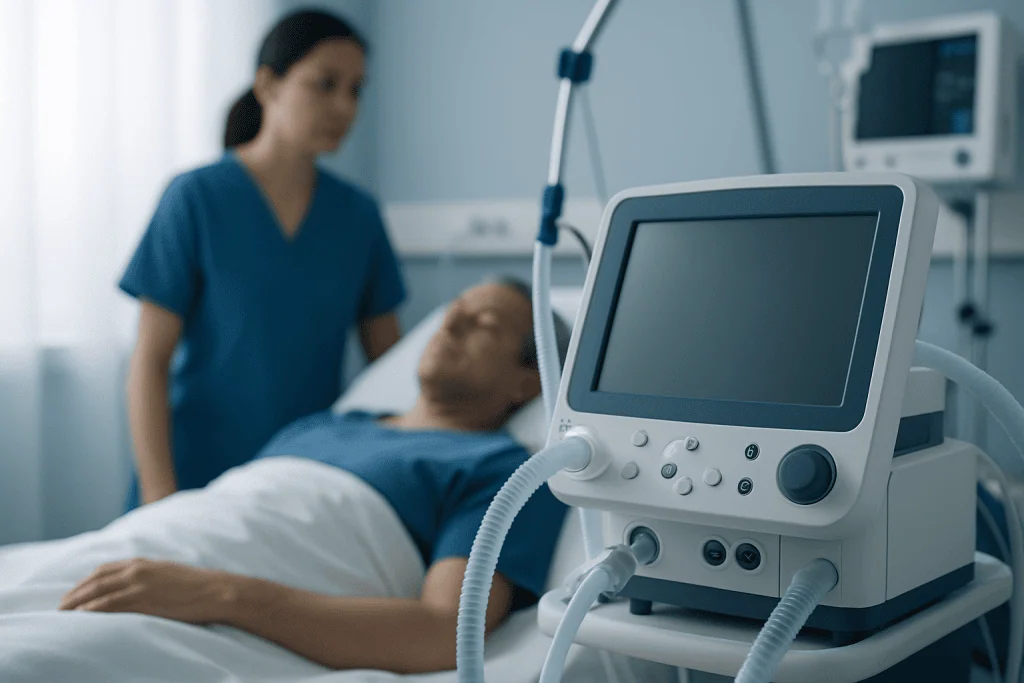
People with mild symptoms who can drink fluids, remain alert and gradually improve may often recover at home with clinical guidance. A healthcare professional can help distinguish West Nile fever from other infections and advise which symptom medicines are appropriate. Antibiotics do not treat viral infections unless a separate bacterial infection is diagnosed.
Hospital treatment may be needed for people with severe dehydration, persistent vomiting, altered mental status, severe weakness, seizures or signs of nervous system involvement. Older adults and people with weakened immune systems or certain chronic medical conditions have a higher chance of severe disease, although anyone with concerning symptoms should be assessed promptly.
In hospital, care is tailored to the person’s needs. It may include intravenous fluids, monitoring, support for breathing or circulation, prevention of complications related to immobility, nutrition support and treatment of seizures when needed. If weakness or movement problems remain after the acute illness, physiotherapy, occupational therapy or speech and swallowing therapy may be part of recovery.
What happens during evaluation and treatment?

There is no procedure that removes West Nile virus from the body. Instead, the clinical team evaluates the severity of illness, rules out other possible causes and provides supportive treatment. The process usually begins with a review of symptoms, recent mosquito exposure or travel, medicines and medical history, followed by a physical and neurological examination.
Blood testing may help identify West Nile virus antibodies. When there are signs of infection involving the brain or spinal cord, doctors may order brain imaging, other blood tests and, where appropriate, a lumbar puncture to examine cerebrospinal fluid. These tests can also help exclude conditions that require different urgent treatment.
For severe illness, care may involve infectious disease specialists, neurologists, critical care clinicians and rehabilitation professionals. Treatment is adjusted as symptoms change, with close attention to hydration, consciousness, pain, mobility and breathing. The goal is to safely support the body while the immune response controls the infection.
Acibadem International’s multidisciplinary specialists at JCI-accredited hospitals can assess and treat West Nile virus-related neurological complications for international patients, including coordinated inpatient care and rehabilitation when indicated.
What are the benefits and risks of supportive treatment?
The main benefit of supportive treatment is that it can improve comfort, prevent dehydration and identify complications early. Timely hospital care for neuroinvasive disease can provide vital monitoring and organ support, while rehabilitation may help people regain independence after weakness, balance difficulties or fatigue.
Supportive care does not guarantee a fixed recovery time, and it does not directly eliminate the virus. The immune system typically clears the infection, while clinicians manage symptoms and complications. There is currently no routine vaccine for people and no antiviral treatment that has been proven to prevent or reverse all effects of West Nile virus infection.
Risks depend on the specific treatment and the severity of illness. For example, some pain-relieving medicines may not be suitable for people with kidney disease, liver disease, stomach ulcers, bleeding risks or medication interactions. Intravenous therapy, procedures and intensive care also have potential risks, which clinicians weigh carefully against the expected benefits.
People should avoid self-treating severe symptoms or combining medicines without medical advice. A clinician or pharmacist can recommend safer symptom-relief choices based on the individual’s health history.
How long does it take to get better from the West Nile virus?
For uncomplicated West Nile fever, many people start to feel better over several days to a few weeks. Tiredness, reduced energy and headache can sometimes last longer than the fever itself, so a gradual return to normal activity is often more comfortable than trying to resume everything at once.
Recovery from neuroinvasive West Nile disease is more variable. Some people recover substantially, while others have ongoing fatigue, problems with concentration, tremor, weakness, walking difficulty or other neurological symptoms that can take months or longer to improve. Follow-up appointments and rehabilitation can help track recovery and address persistent symptoms.
It is sensible to seek reassessment if symptoms worsen, new neurological symptoms develop, or recovery seems to stall. A clinician can check for complications or another condition that may be contributing to prolonged symptoms.
What are the odds of getting West Nile virus from a mosquito bite?
The chance of getting West Nile virus from any single mosquito bite is generally low. A mosquito must first be infected with the virus, and infection risk varies by location, season, mosquito activity and local public health conditions. Even in places where the virus is circulating, most mosquito bites do not lead to West Nile virus infection.
Risk can be reduced by using an insect repellent registered for use where a person lives or travels, wearing long sleeves and trousers when practical, and using screens or air conditioning to limit mosquito entry indoors. Removing standing water around homes can reduce places where mosquitoes breed.
People should follow local public health advice during mosquito season, particularly in areas reporting West Nile virus activity. Prevention is important because avoiding mosquito bites is currently the most reliable way to prevent infection.
What are the first signs of the West Nile virus?
Most infected people have no symptoms. When symptoms develop, they typically begin about 2 to 14 days after a bite from an infected mosquito. Early signs of West Nile fever may include fever, headache, tiredness, muscle or joint aches, nausea, vomiting, swollen lymph nodes or a rash on the trunk.
These symptoms overlap with many common viral illnesses, so they do not confirm West Nile virus on their own. A healthcare professional considers symptoms, timing, local virus activity and test results when deciding whether West Nile virus is likely.
More serious warning signs include severe headache, neck stiffness, confusion, unusual drowsiness, tremors, loss of coordination, muscle weakness, seizures or difficulty breathing. These symptoms may indicate nervous system involvement and need urgent assessment.
Can you ever get rid of the West Nile virus?
In most people, the immune system clears West Nile virus without a specific antiviral treatment. The infection is not generally considered a chronic, ongoing infection in the way that some other viruses can be. Symptoms resolve completely for many people, especially after mild illness.
However, recovery after severe neurological disease can be prolonged, and some people may have lasting effects from injury caused during the acute infection. Persistent symptoms do not necessarily mean that active virus remains in the body; they may reflect the time needed for the nervous system and muscles to recover.
Medical follow-up is important for anyone with continuing weakness, balance changes, memory concerns, disabling fatigue or changes in mood after West Nile illness. Individualized rehabilitation and symptom management can support the best possible recovery.
When to seek medical care
Medical advice is appropriate for fever or flu-like symptoms after significant mosquito exposure, particularly during times of known local West Nile virus activity. Prompt assessment is also helpful for people who are older, immunocompromised, pregnant or living with serious chronic health conditions, as their clinician may recommend closer monitoring.
Emergency care is needed for confusion, severe or rapidly worsening headache, neck stiffness, fainting, seizures, new weakness, inability to walk safely, trouble speaking, difficulty swallowing, shortness of breath or reduced alertness. These symptoms can have several urgent causes and should not be managed at home.
After recovery, people should return to a clinician if fatigue, weakness, tremor, memory concerns or mood changes interfere with daily life. Referral for neurological review or rehabilitation may be useful when symptoms persist.
Frequently asked questions
Is there a cure for West Nile fever?
There is no specific antiviral cure routinely used for West Nile fever. Treatment supports the body’s recovery by managing symptoms such as fever, pain, nausea and dehydration. Severe illness may require hospital care to support breathing, hydration and neurological function.
Can West Nile fever be treated at home?
Many people with mild West Nile fever recover at home with rest, fluids and advice from a healthcare professional. The safest symptom-relief medicine depends on a person’s health conditions and other medicines. Anyone who develops confusion, severe headache, weakness, neck stiffness or breathing problems needs urgent care.
How long is a person contagious with West Nile virus?
West Nile virus is not usually spread directly from person to person through everyday contact. People with West Nile fever generally do not need isolation from family members or coworkers for this reason. Rare transmission routes, such as blood transfusion, organ transplantation and pregnancy-related transmission, are managed through specific medical and public health safeguards.
Can a person get West Nile virus more than once?
A previous West Nile virus infection is generally thought to provide lasting immune protection. However, anyone with new concerning symptoms should still seek medical advice, because many other infections and conditions can cause similar symptoms. Mosquito-bite prevention remains important for overall health.
Who is most at risk of severe West Nile illness?
The risk of severe neurological disease increases with older age. People with weakened immune systems and certain chronic health conditions may also be more vulnerable. Severe disease remains uncommon, but urgent assessment is important when neurological symptoms appear.
Should someone take antibiotics for West Nile virus?
Antibiotics do not treat West Nile virus because it is caused by a virus, not bacteria. A doctor may prescribe antibiotics only if testing or examination suggests a separate bacterial infection. Taking antibiotics without a medical indication can cause side effects and contributes to antibiotic resistance.
References
- Centers for Disease Control and Prevention
- World Health Organization
- European Centre for Disease Prevention and Control
- National Institute of Neurological Disorders and Stroke
This article is for general information only and is not a substitute for professional medical advice. Please consult a qualified doctor about your individual situation.
Joint and spine care in Turkey — expert assessment & treatment
JCI-accredited · board-certified surgeons · reply within 24h
Add us as a Preferred Source to see more of our trusted health content across Google Search, AI Overviews and Discover.