Treatment of Cervical Cancer: How It Works, Results and What to Expect

Cervical cancer treatment is selected by stage and may include surgery, radiation, chemotherapy, immunotherapy or targeted therapy. Early-stage disease is often treated with surgery or radiation, while locally advanced cancer commonly requires combined chemoradiation.
Key Takeaways
- Cervical cancer treatment is selected by stage and may include surgery, radiation, chemotherapy, immunotherapy or targeted therapy.
- Early-stage disease is often treated with surgery or radiation, while locally advanced cancer commonly requires combined chemoradiation.
- Treatment planning should involve gynecologic oncology, radiation oncology, medical oncology, pathology and supportive-care specialists.
- Recovery varies by treatment type; follow-up visits are important for monitoring health, managing side effects and detecting recurrence.
- New bleeding, persistent pelvic pain, unusual discharge or symptoms after treatment should be discussed with a qualified clinician.
Treatment of cervical cancer is tailored to the cancer stage, tumor characteristics, overall health and personal priorities such as fertility preservation. Many people receive surgery, radiation therapy with chemotherapy, systemic treatment, or a carefully planned combination of these approaches.
Treatment of Cervical Cancer: How It Works
Treatment of cervical cancer aims to remove or destroy cancer cells, prevent the disease from returning when possible, control symptoms and support quality of life. The most appropriate plan depends on the stage of cancer, the size and location of the tumor, lymph node involvement, tumor test results, previous treatment, general health and the person’s wishes about future fertility.
For very early cervical cancers, surgery may remove the tumor and, in selected situations, preserve the uterus. For larger tumors confined to the pelvis or cancer involving nearby tissues or lymph nodes, radiation therapy combined with chemotherapy is commonly used. Cancer that has returned or spread farther may be treated with systemic medicines, which can include chemotherapy, immunotherapy, targeted therapy or antibody-drug conjugates when appropriate.
A treatment plan is usually developed by a multidisciplinary team. Gynecologic oncologists, radiation oncologists, medical oncologists, radiologists, pathologists, specialist nurses, fertility experts and supportive-care clinicians each contribute information that helps personalize care.
Assessment and Candidacy for Different Treatments
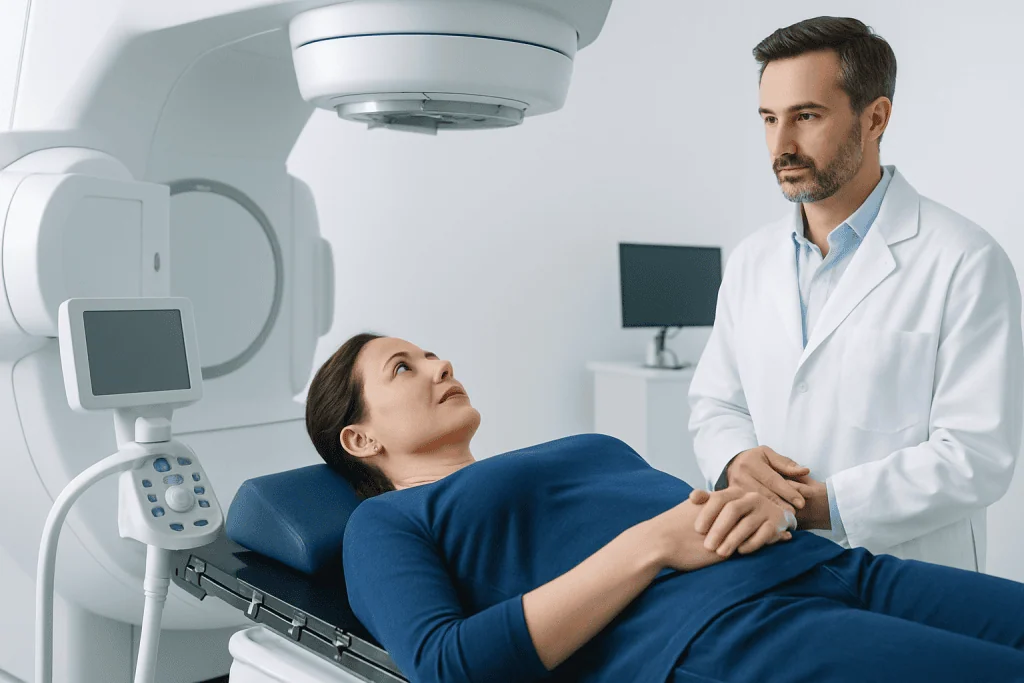
Before treatment begins, the care team confirms the diagnosis with a biopsy and determines the cancer stage. Evaluation may include a pelvic examination, imaging such as MRI, CT or PET/CT, blood tests and, where needed, examination of the bladder or bowel. Pathology findings help identify the cancer type and may guide testing for treatments used in recurrent or metastatic disease.
Surgery may be suitable for selected early-stage cancers and for people who are well enough for an operation. Fertility-sparing procedures can sometimes be considered when the cancer is small and specific safety criteria are met. These choices require a detailed discussion because preserving fertility must be balanced against achieving effective cancer control.
Radiation-based treatment may be recommended instead of surgery, or after surgery if there are features suggesting a higher risk of recurrence. Combined chemotherapy and radiation is often advised for locally advanced cervical cancer because chemotherapy can make cancer cells more sensitive to radiation. Systemic treatment is generally considered when disease cannot be removed or treated effectively with local therapies alone.
- Stage and tumor size
- Whether lymph nodes or nearby organs are involved
- Fertility and menopause considerations
- Kidney function, other health conditions and prior treatments
- Personal goals, practical needs and available support
The Treatment Journey: Step by Step

The first step is treatment planning. The team reviews scans, biopsy results and medical history, discusses likely benefits and side effects, and explains alternatives. People who may wish to have children in the future can ask about fertility counseling before treatment begins, as surgery, pelvic radiation and some medicines may affect fertility.
When surgery is recommended, the operation may range from removal of a small area of the cervix to removal of the uterus, cervix, nearby tissues and selected lymph nodes. The exact procedure depends on the cancer stage. Surgery can be performed through different approaches, and the surgeon will explain why a particular approach is recommended.
Radiation treatment usually includes external-beam radiation directed at the pelvis and, for many patients, internal radiation called brachytherapy. Brachytherapy places a radiation source close to the tumor for a planned period, helping deliver treatment precisely. During chemoradiation, low-dose chemotherapy is commonly given at scheduled intervals to enhance the effect of radiation rather than as the sole treatment.
For recurrent or metastatic disease, medicines are often delivered intravenously in cycles, with regular reviews of symptoms, blood tests and scan results. Some tumors may be tested for biomarkers that help determine whether immunotherapy or other targeted approaches could be useful. Treatment schedules and monitoring are individualized.
Benefits, Risks and Side Effects
The potential benefit of treatment is effective control or cure of cancer when it is found at an earlier stage. Even when cure is less likely, treatment can shrink or slow cancer, relieve symptoms and help maintain daily functioning. Outcomes differ significantly between individuals, so the oncology team is best placed to explain what the treatment goals mean in a particular situation.
Surgical risks can include bleeding, infection, blood clots, anesthesia-related complications, bladder or bowel changes and swelling of the legs if lymph drainage is affected. Removing the uterus means pregnancy is no longer possible. Some procedures can also affect sexual comfort, vaginal length or pelvic nerve function, although rehabilitation and supportive care may help.
Radiation and chemotherapy can cause tiredness, nausea, diarrhea, bladder irritation, skin changes and temporary lowering of blood cell counts. Pelvic radiation can also lead to vaginal dryness or narrowing, menopause if the ovaries are affected, bowel or bladder changes, and less commonly long-term tissue effects. Systemic treatments may cause different side effects depending on the medicine used, including infection risk, nerve symptoms or immune-related inflammation with immunotherapy.
Not everyone experiences the same effects, and many can be prevented, reduced or treated. Patients should report symptoms promptly rather than waiting for a scheduled appointment. The clinical team can provide anti-sickness medicine, pain control, nutritional support, menopause care, pelvic-floor support and emotional support when needed.
Recovery Timeline and What Happens After Cervical Cancer Treatment?
Recovery after cervical cancer treatment depends on the treatment received. After surgery, hospital recovery may take several days, while full healing can take weeks. Activity restrictions, wound care and advice about returning to work, driving, exercise and sexual activity vary by procedure. The surgical team gives individualized instructions before discharge.
During chemoradiation, tiredness and bowel or bladder symptoms may build gradually and can continue for several weeks after treatment ends. Recovery often occurs step by step rather than all at once. Rest, gentle activity when approved, adequate fluids and nutrition, and early discussion of troubling symptoms can make recovery more manageable.
Follow-up care usually includes pelvic examinations and review of symptoms at planned intervals. Imaging or tests may be arranged if there is a concern for recurrence rather than at every visit. Follow-up is also an opportunity to address sexual health, vaginal changes, menopause symptoms, fertility concerns, emotional wellbeing, lymphedema and return to usual activities.
Long-term survivors may benefit from a written care plan that summarizes treatment, likely late effects and the recommended follow-up schedule. Any new or persistent symptom should be discussed with the healthcare team, even between regular visits.
How Successful Is Cervical Cancer Treatment?
Cervical cancer treatment can be highly effective, particularly when cancer is diagnosed at an early stage and is treated promptly with an appropriate curative approach. Success is influenced by the stage, tumor size, lymph node involvement, cancer type, response to treatment and overall health. For this reason, broad outcome figures cannot predict an individual person’s result.
For early-stage disease, surgery or radiation can often provide the goal of cure. For locally advanced disease, combined chemoradiation with brachytherapy is an established approach that can control cancer in many patients. If cancer recurs or spreads, treatment may still offer meaningful control and symptom relief, and newer systemic therapies may be considered for eligible individuals.
It is reasonable to ask the care team about the goal of treatment, how response will be assessed, what signs would lead to a change in plan, and which supportive services are available. Clear communication helps patients make informed choices while recognizing that prognosis is personal and evolves with treatment response.
How Quickly Does Cervical Cancer Spread?
Cervical cancer often develops gradually over years from persistent infection with high-risk human papillomavirus (HPV), passing through precancerous cell changes before becoming invasive cancer. Once invasive cancer develops, its pace can vary. Some cancers remain localized for a period, while others may grow or spread more quickly depending on their type, size and biological features.
Cancer can spread locally into nearby tissues and may later involve lymph nodes or distant organs. Staging tests help determine whether spread has occurred and guide treatment choices. It is important not to assume a particular timeline based on symptoms alone, because symptoms do not reliably show how quickly cancer is growing.
Regular cervical screening and prompt evaluation of abnormal bleeding or other concerning symptoms can help detect precancer or cancer earlier. A confirmed diagnosis should be assessed without unnecessary delay, but patients can also take time to understand recommendations and ask questions about their options.
How Does Your Body Feel If You Have Cervical Cancer? When to Seek Medical Care
Early cervical cancer may cause no symptoms. When symptoms occur, they can include vaginal bleeding after sex, between periods or after menopause; watery, bloody or unusually persistent vaginal discharge; pelvic pain; or pain during sex. These symptoms are common and may be caused by conditions other than cancer, but they should be assessed by a healthcare professional.
More advanced disease may be associated with persistent pelvic or back pain, urinary or bowel changes, leg swelling, tiredness or unintended weight loss. These symptoms do not confirm cervical cancer, but a clinician can evaluate them and arrange appropriate tests. People should seek urgent medical advice for heavy bleeding, severe pain, fainting, fever with worsening symptoms, or an inability to pass urine or stool.
Anyone with new abnormal vaginal bleeding, especially bleeding after menopause, should arrange medical assessment promptly. Cervical screening should continue according to local recommendations. HPV vaccination and screening are important prevention tools, although vaccination does not replace screening.
Acibadem International’s multidisciplinary specialists and JCI-accredited hospitals provide evaluation and treatment planning for international patients with cervical cancer, with supportive services available throughout care.
Frequently asked questions
What is the main treatment of cervical cancer?
There is no single treatment that is right for every person. Early cervical cancer may be treated with surgery or radiation, while locally advanced cancer is often treated with radiation combined with chemotherapy. Recurrent or metastatic disease may require systemic treatments such as chemotherapy, immunotherapy or targeted therapy.
Can cervical cancer be cured?
Cervical cancer can often be cured when it is detected early and treated with an appropriate curative approach. The chance of cure depends on the stage, tumor characteristics, lymph node involvement and response to treatment. The oncology team can explain the treatment goal and expected outlook for the individual situation.
Will treatment of cervical cancer affect fertility?
Some cervical cancer treatments can affect fertility or make pregnancy unsafe or impossible afterward. In selected cases of early disease, fertility-sparing surgery may be an option. Fertility counseling should take place before treatment whenever future pregnancy is important to the patient.
How long does chemoradiation for cervical cancer take?
External radiation is commonly delivered over several weeks, often alongside scheduled chemotherapy, and brachytherapy is included for many patients. The exact schedule varies according to the treatment plan, cancer stage and the person’s health. The radiation oncology team will provide a clear timeline before treatment starts.
What happens if cervical cancer comes back after treatment?
A recurrence is assessed with examinations, imaging and sometimes a biopsy to confirm where the cancer is located. Treatment may involve surgery, radiation if it has not been used before, systemic medicines or symptom-focused supportive care. Options depend on where the cancer has returned, prior treatment and overall health.
What follow-up is needed after cervical cancer treatment?
Follow-up appointments commonly include a discussion of symptoms, a pelvic examination and support for treatment effects such as fatigue, bladder or bowel changes, sexual health concerns and menopause symptoms. The schedule is individualized and is usually more frequent in the first years after treatment. New symptoms should be reported between appointments rather than waiting for the next scheduled visit.
References
- World Health Organization
- National Cancer Institute
- American Cancer Society
- European Society for Medical Oncology
- National Comprehensive Cancer Network
This article is for general information only and is not a substitute for professional medical advice. Please consult a qualified doctor about your individual situation.
Cervical Cancer in Turkey — costs, top hospitals & a free quote
JCI-accredited · board-certified surgeons · reply within 24h
Add us as a Preferred Source to see more of our trusted health content across Google Search, AI Overviews and Discover.

Medical Oncology Department
Medical treatment of cancer with chemotherapy, immunotherapy and targeted therapies under a multidisciplinary tumor board.
60 specialists in this unitMore from the Health Library



Related Specialists

Dr. Mehmet Demir
Inpatient Clinic Physicians
Dr. Ayşe İrem İskenderoğlu
Aesthetic Plastic & Reconstructive Surgery
Dr. İlkay Değerli
Pediatrics
Dyt. Güler Aras
Nutrition & Diet