Triple Negative Breast Cancer Explained: Causes, Management, and When to See a Doctor

Triple negative breast cancer does not respond to hormone therapy or HER2-targeted drugs because it lacks these receptors. Common warning signs are similar to those of other breast cancers, including a new breast lump, skin changes, or nipple changes.
Key Takeaways
- Triple negative breast cancer does not respond to hormone therapy or HER2-targeted drugs because it lacks these receptors.
- Common warning signs are similar to those of other breast cancers, including a new breast lump, skin changes, or nipple changes.
- Diagnosis depends on imaging, biopsy, and receptor testing to confirm the tumor subtype.
- Treatment often combines surgery, chemotherapy, and sometimes immunotherapy or radiation therapy.
- Regular follow-up is important because this subtype may have a higher risk of early recurrence.
- Any new breast change should be assessed by a qualified doctor without delay.
Triple negative breast cancer is a type of breast cancer that does not have estrogen, progesterone, or HER2 receptors, which means it behaves differently from other breast cancers and needs a specific treatment approach. Although it can be more aggressive, timely diagnosis and modern treatment plans can help many patients manage the disease effectively.
Overview: What Triple Negative Breast Cancer Means
Triple negative breast cancer is a subtype of breast cancer in which the tumor cells test negative for estrogen receptors (ER), progesterone receptors (PR), and excess HER2 protein. In practical terms, this means the cancer is unlikely to respond to hormone therapy or HER2-targeted medicines that are commonly used for other breast cancer types.
This diagnosis can sound overwhelming, but the name mainly describes how the cancer behaves at the molecular level. It helps doctors choose the most appropriate treatment plan. Triple negative breast cancer is often treated with a combination of surgery, chemotherapy, radiation therapy, and in selected cases immunotherapy or other targeted approaches.
Compared with some other breast cancer subtypes, triple negative breast cancer may grow faster and may be more likely to return in the first few years after treatment. At the same time, many people respond well to treatment, especially when the cancer is found early. Care usually involves a multidisciplinary team that may include breast surgeons, medical oncologists, radiation oncologists, radiologists, and genetic counselors.
Symptoms and Early Warning Signs
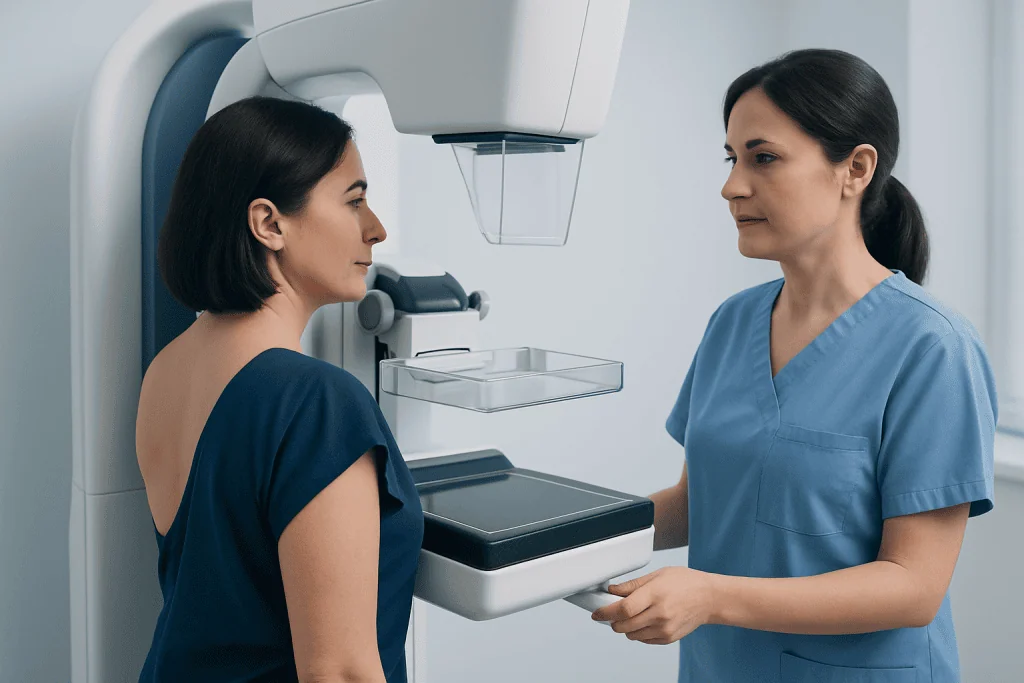
The symptoms of triple negative breast cancer are usually the same as the symptoms of other breast cancers. A person may notice a new lump in the breast or underarm, a change in breast shape, thickening in one area of the breast, or persistent breast pain. Some people do not have symptoms at first, and the cancer is first seen on screening mammography.
Changes in the skin or nipple can also be important. These may include dimpling, redness, scaling, swelling, a nipple that turns inward, or unusual nipple discharge. While many breast changes are caused by noncancerous conditions, any new or persistent change deserves medical evaluation.
- A new lump in the breast or armpit
- Breast swelling or change in size
- Skin dimpling, thickening, or redness
- Nipple inversion or discharge
- Pain that does not go away
It is important not to assume that a painful lump is harmless or that a painless lump is more serious. Only proper assessment can determine the cause. People who feel a new mass or see a clear change in one breast should arrange a clinical evaluation promptly.
Causes, Risk Factors, and Genetics

Like other cancers, triple negative breast cancer develops when cells in the breast grow in an uncontrolled way. The exact cause is often not clear for one individual. Cancer usually results from a combination of genetic changes, environmental influences, and chance events that affect how cells divide and repair themselves.
Several risk factors are linked with triple negative breast cancer. It is more likely to occur in younger women than some hormone receptor-positive cancers, and it is more common in people who carry an inherited BRCA1 mutation. A personal or family history of breast or ovarian cancer may increase the likelihood that genetic testing will be helpful. Doctors may also consider family history patterns involving prostate, pancreatic, or other related cancers.
Having a risk factor does not mean someone will definitely develop cancer, and many patients have no obvious risk factors at all. However, inherited risk can be especially relevant in this subtype. Genetic counseling may help patients understand whether tests for BRCA1, BRCA2, or other genes should be considered, and the results may influence treatment decisions as well as screening advice for relatives.
Because triple negative breast cancer is one form of breast cancer, the broader principles of breast awareness still apply. Knowing what is normal for the breasts and attending recommended screening appointments can help support earlier detection.
How Diagnosis and Staging Are Confirmed
Diagnosis usually begins with a breast exam and imaging. Depending on the person’s age, symptoms, and medical history, doctors may use mammography, ultrasound, or breast MRI to look more closely at a suspicious area. Imaging can show the size and location of a lesion, but it cannot confirm the exact cancer subtype on its own.
A biopsy is needed to make the diagnosis. During a biopsy, a sample of tissue is removed and examined in the laboratory. Pathologists determine whether cancer is present and test the tumor for estrogen receptors, progesterone receptors, and HER2. If all three are negative, the cancer is classified as triple negative. The pathology report may also include the tumor grade, which helps describe how aggressive the cells appear under the microscope.
After diagnosis, doctors stage the cancer to understand whether it is limited to the breast or has spread to lymph nodes or other parts of the body. Staging may involve additional blood tests and imaging, depending on the situation. Accurate staging is essential because it guides treatment planning and helps the care team discuss goals, expected benefits, and follow-up needs.
Many patients also undergo advanced imaging or tissue analysis as part of their workup. Services such as breast MRI and biopsy procedures may be used alongside standard mammography and ultrasound when clinically appropriate.
Treatment Options and How Care Is Planned
Treatment for triple negative breast cancer is individualized. The main options often include surgery, chemotherapy, and radiation therapy, with immunotherapy or other targeted treatment in selected cases. Because this subtype does not use hormone receptors or HER2 to grow, hormone therapy and HER2-directed medicines are generally not effective.
Chemotherapy is frequently an important part of treatment and may be given before surgery, called neoadjuvant therapy, or after surgery, called adjuvant therapy. Giving treatment before surgery can help shrink the tumor, make surgery easier, and show how the cancer responds to medicine. In some patients, the response to neoadjuvant therapy helps guide further treatment decisions after the operation.
Surgery may involve removal of the tumor with a margin of healthy tissue or removal of the whole breast, depending on tumor size, location, patient preference, genetic findings, and other factors. Lymph nodes may also be assessed. Some patients receive breast cancer surgery as part of a combined treatment plan, followed by radiation therapy when it is recommended to reduce the risk of cancer returning in the treated area.
For certain patients, especially those with higher-risk or advanced disease, immunotherapy or newer targeted treatments may be considered based on pathology and biomarker results. The best approach is made through shared decision-making with the oncology team, taking into account cancer stage, general health, fertility considerations, and personal priorities.
Living With Triple Negative Breast Cancer and Follow-Up Care
Life during and after treatment often involves more than medical procedures. Fatigue, anxiety, body image concerns, changes in work or family routine, and questions about fertility or menopause can all affect quality of life. Supportive care is an important part of treatment and may include nutrition guidance, physical rehabilitation, psychological support, symptom control, and survivorship planning.
Follow-up appointments are essential after treatment ends. These visits allow doctors to monitor recovery, manage ongoing side effects, and watch for signs that the cancer has returned. Follow-up commonly includes physical examinations, discussion of symptoms, and scheduled breast imaging when appropriate. Patients are usually advised to report new symptoms rather than waiting for the next planned visit.
There is no guaranteed way to prevent recurrence, but healthy routines can support overall recovery. Patients are often encouraged to stay physically active as tolerated, eat a balanced diet, avoid smoking, limit alcohol, and attend all recommended follow-up care. These steps do not replace medical treatment, but they can help support general health during survivorship.
Near the end of treatment or during follow-up, some patients seek coordinated care through specialist centers. Acibadem International’s multidisciplinary specialists and JCI-accredited hospitals diagnose and treat triple negative breast cancer for international patients when this support is needed.
When to Seek Medical Care
Medical care should be sought if a person notices a new breast lump, persistent swelling, skin dimpling, redness, nipple inversion, or discharge that is new and unexplained. These changes do not always mean cancer, but they should not be ignored. Early assessment gives the best chance of identifying the cause quickly and starting treatment if needed.
People already diagnosed with triple negative breast cancer should contact their care team if they develop concerning symptoms during treatment, such as fever, shortness of breath, severe pain, uncontrolled nausea, or signs of infection. After treatment, any unexplained weight loss, new bone pain, persistent cough, neurological symptoms, or new breast or underarm changes should also be discussed promptly with a doctor.
Patients with a strong family history of breast, ovarian, pancreatic, or prostate cancer may also benefit from medical advice even if they have no symptoms. A doctor or genetic counselor can help assess inherited risk, discuss screening, and decide whether genetic testing is appropriate.
Frequently asked questions
What is triple negative breast cancer?
Triple negative breast cancer is a breast cancer subtype in which the tumor does not have estrogen receptors, progesterone receptors, or excess HER2 protein. Because of this, it is treated differently from other breast cancers that respond to hormone therapy or HER2-targeted medicines.
Is triple negative breast cancer more aggressive than other types?
It can be more aggressive than some other breast cancer subtypes, especially in the first few years after diagnosis. However, outcomes vary widely, and many people do well with timely, well-planned treatment.
What are the first signs of triple negative breast cancer?
The first signs are usually similar to those of other breast cancers, such as a new breast lump, underarm lump, skin dimpling, or nipple changes. Some people have no symptoms and are diagnosed through screening tests.
How is triple negative breast cancer diagnosed?
Doctors use breast imaging and a biopsy to diagnose it. The biopsy sample is tested for estrogen, progesterone, and HER2, and the cancer is called triple negative when all three markers are negative.
Can triple negative breast cancer be treated successfully?
Yes, many patients respond well to treatment, especially when the cancer is found early. Treatment often includes chemotherapy, surgery, radiation therapy, and sometimes immunotherapy depending on the individual case.
Does triple negative breast cancer mean a person has a BRCA mutation?
Not always. Triple negative breast cancer is more common in people with BRCA1 mutations, but many patients with this diagnosis do not have an inherited mutation. Genetic counseling can help determine whether testing is appropriate.
References
- National Cancer Institute
- American Cancer Society
- Centers for Disease Control and Prevention
- National Comprehensive Cancer Network
- World Health Organization
This article is for general information only and is not a substitute for professional medical advice. Please consult a qualified doctor about your individual situation.
Breast Cancer in Turkey — costs, top hospitals & a free quote
JCI-accredited · board-certified surgeons · reply within 24h
Add us as a Preferred Source to see more of our trusted health content across Google Search, AI Overviews and Discover.

Medical Oncology Department
Medical treatment of cancer with chemotherapy, immunotherapy and targeted therapies under a multidisciplinary tumor board.
60 specialists in this unit