

Tubal Ligation: Procedure Options, Recovery Time, and What to Consider First

Tubal ligation is intended to be permanent and should be chosen only when future pregnancy is no longer desired. The procedure can be done using different surgical techniques, often through laparoscopy or during a cesarean birth.
Key Takeaways
- Tubal ligation is intended to be permanent and should be chosen only when future pregnancy is no longer desired.
- The procedure can be done using different surgical techniques, often through laparoscopy or during a cesarean birth.
- Recovery is usually relatively short, but it varies depending on the surgical approach and overall health.
- Tubal ligation does not protect against sexually transmitted infections.
- A discussion with a gynecologist is important to review risks, alternatives, and future reproductive plans.
Tubal ligation is a permanent form of birth control that prevents pregnancy by blocking, sealing, or removing part of the fallopian tubes. Understanding the procedure options, recovery, benefits, and alternatives can help a person decide whether it is the right long-term choice.
Overview of Tubal Ligation
Tubal ligation is a surgical form of permanent birth control for women. It works by blocking, sealing, clipping, tying, or removing part of the fallopian tubes so that sperm cannot reach an egg. Without this meeting, pregnancy cannot occur naturally.
It is often called “having the tubes tied,” although modern techniques may use clips, rings, cautery, or complete removal of the tubes rather than simply tying them. The exact method depends on a person’s health, anatomy, timing of the procedure, and the surgeon’s recommendation.
Tubal ligation is considered highly effective, but it should be viewed as permanent. Although reversal surgery may be possible in some situations, it is not always successful and is not suitable for everyone. For that reason, careful decision-making before surgery is essential.
Some people choose tubal ligation after completing their families, while others choose it because they want long-term contraception without ongoing maintenance. It is important to understand that tubal ligation prevents pregnancy but does not affect menstrual cycles in a direct hormonal way and does not protect against sexually transmitted infections.
Who May Consider It and What to Think About First

Tubal ligation may be considered by adults who are certain they do not want to become pregnant in the future. It can be a reasonable choice for those seeking a one-time, non-hormonal contraceptive option. It may also be considered when pregnancy would pose significant health concerns, though that decision should be made with a qualified doctor.
Before proceeding, it helps to think carefully about future reproductive wishes. Life circumstances can change over time, including relationships, family goals, or feelings about parenthood. Because the procedure is intended to be permanent, doctors usually encourage thoughtful counseling rather than a rushed decision.
Important questions to discuss include:
- Is future pregnancy definitely not desired?
- Would a long-acting reversible contraceptive be a better fit?
- Is surgery being considered during another procedure, such as a cesarean birth?
- Are there medical conditions that increase surgical risk?
- Would a partner’s vasectomy be a simpler alternative?
In some cases, a doctor may review other birth control methods first, including intrauterine devices or implants, which are long-lasting but reversible. This counseling is not meant to discourage the procedure, but to help ensure the choice matches long-term goals and expectations.
Procedure Options
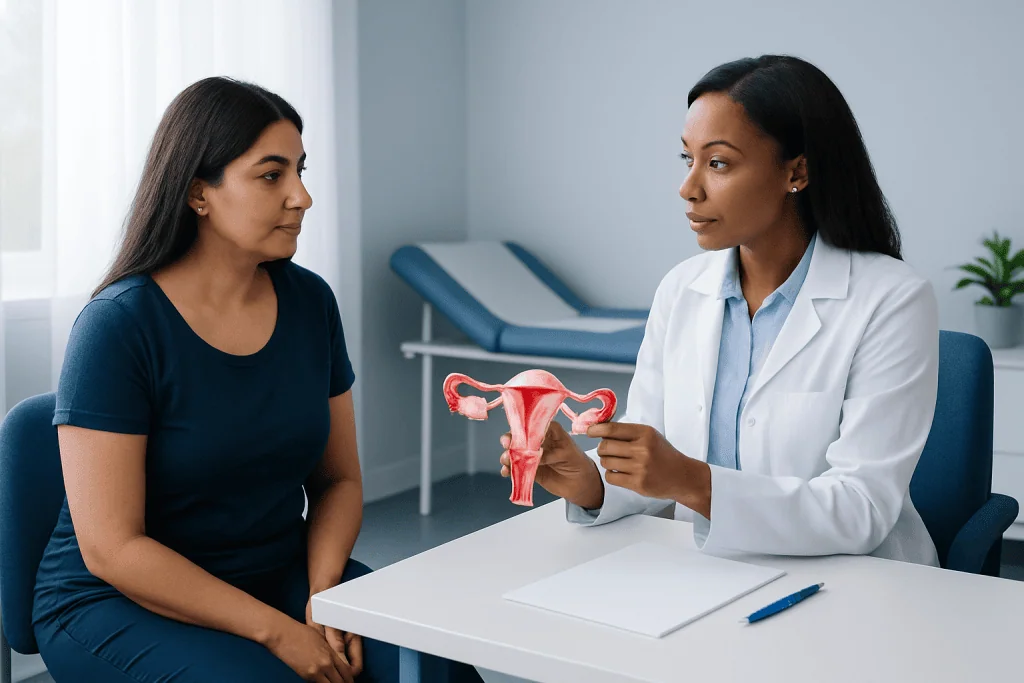
There are several ways tubal ligation can be performed. A common approach is laparoscopic surgery, which uses small abdominal incisions and a camera to reach the fallopian tubes. Through this method, the tubes may be clipped, banded, sealed with heat, or partially removed.
Another option is postpartum tubal ligation, performed shortly after childbirth, often within the first day or two after delivery. If a person has a cesarean birth, tubal surgery may sometimes be done during the same operation. This can avoid the need for a separate later procedure.
Increasingly, some surgeons perform salpingectomy, which removes the fallopian tubes completely. This is different from simply blocking them. In selected patients, complete removal may also reduce the future risk of certain ovarian cancers, but whether this option is appropriate depends on individual circumstances and surgical planning.
The procedure is usually done under anesthesia. Depending on the approach, it may be an outpatient surgery or may be performed during a hospital stay related to childbirth. People who are exploring surgical birth control may also discuss broader gynecology care and, where needed, obstetrics and gynecology services to understand timing, technique, and recovery planning.
What Recovery Is Usually Like
Recovery time depends on the surgical method used. After laparoscopic tubal ligation, many people go home the same day and resume light activities within a few days. Full recovery may take about a week, though some people need more time depending on discomfort levels, work demands, and overall health.
If the procedure is done during a cesarean birth or immediately after delivery, recovery may overlap with postpartum healing. In that situation, it can be harder to separate symptoms from childbirth recovery itself. A doctor will explain what is expected and which symptoms should improve steadily over time.
Common short-term effects may include mild abdominal pain, fatigue, bloating, shoulder pain from surgical gas used during laparoscopy, and some incision tenderness. These symptoms are usually temporary. Patients are often advised to avoid heavy lifting for a short period, keep incisions clean and dry, and gradually return to normal routines.
Medical advice should be followed closely after surgery. Fever, worsening pain, heavy bleeding, fainting, shortness of breath, or signs of wound infection should be reported promptly. Follow-up care helps confirm healing and gives patients a chance to ask questions about sexual activity, exercise, and ongoing reproductive health.
Benefits, Risks, and Possible Complications
The main benefit of tubal ligation is reliable, long-term pregnancy prevention without needing daily, weekly, or monthly contraception. Because it does not rely on ongoing use, it may be appealing to people who want a permanent and non-hormonal method. Once healing is complete, there is usually no daily maintenance.
Like any surgery, tubal ligation has risks. These can include bleeding, infection, anesthesia-related complications, injury to nearby organs, and pain during recovery. The overall risk is generally low when the procedure is performed by experienced professionals, but it is still an operation and should be approached with informed consent.
Although uncommon, pregnancy can still happen after tubal ligation. If it does, there is a higher chance that the pregnancy could be ectopic, meaning it develops outside the uterus, often in a fallopian tube. This requires urgent medical attention. People should seek care if they miss a period or develop pelvic pain after having had the procedure.
A frequent concern is whether tubal ligation changes hormones or causes menopause. It does not directly affect the ovaries’ hormone production, so it should not trigger menopause. Menstrual changes that happen later are often related to age, stopping hormonal birth control, or other gynecologic conditions rather than the tubal procedure itself.
How Doctors Evaluate and Prepare for Surgery
Before tubal ligation, a gynecologist reviews medical history, prior surgeries, current medications, allergies, and pregnancy history. The discussion often includes why permanent contraception is being considered and whether alternatives have been explored. This conversation is a key part of informed consent.
A physical examination may be done, and pregnancy should be ruled out before interval tubal ligation, meaning a procedure performed separately from childbirth. Depending on age and symptoms, the doctor may also assess for other gynecologic concerns. Some patients who have pelvic pain, irregular bleeding, or fertility-related questions may need additional evaluation before surgery.
Preparation instructions vary, but they may include fasting before anesthesia, adjusting certain medications, arranging transportation home, and planning time off from work or caregiving duties. Smoking cessation, when relevant, may also be encouraged because it can support better healing and reduce surgical risks.
If there are other reproductive health concerns, a doctor may evaluate related conditions such as ovarian cysts or endometriosis before finalizing surgical plans. A clear preoperative review helps ensure the chosen approach is safe, appropriate, and aligned with the patient’s goals.
Alternatives, Self-care, and Long-term Considerations
Tubal ligation is not the only effective birth control option. Long-acting reversible contraception, including intrauterine devices and contraceptive implants, can provide years of protection while preserving future fertility. For some people, these methods offer similar convenience without the permanence of surgery.
Another alternative is a partner’s vasectomy, which is also intended to be permanent and is generally less invasive than female sterilization. The best choice depends on health, personal preferences, family plans, and which partner is most comfortable undergoing a procedure.
Self-care after tubal ligation focuses on rest, gradual return to activity, hydration, incision care, and following the surgeon’s guidance. Patients should also continue regular gynecologic care, including cervical screening and breast health awareness as advised for their age and risk profile. Tubal ligation prevents pregnancy, but it does not replace routine women’s healthcare.
For international patients seeking specialist evaluation, Acibadem International’s multidisciplinary teams in JCI-accredited hospitals diagnose and treat a wide range of women’s health conditions and provide surgical counseling when permanent contraception is being considered.
When to See a Doctor
A doctor should be consulted before tubal ligation whenever there are questions about permanence, fertility goals, surgical safety, or other contraceptive options. Counseling is especially important for younger adults, those with changing life circumstances, or anyone feeling uncertain about whether they may want pregnancy later.
After the procedure, medical advice should be sought if symptoms do not improve as expected. Warning signs include fever, worsening abdominal pain, redness or drainage at the incision site, heavy vaginal bleeding, persistent vomiting, or difficulty breathing. These symptoms do not always mean a serious problem, but they should be evaluated promptly.
It is also important to seek care if there are signs of pregnancy after tubal ligation. A missed period, unusual bleeding, pelvic pain, dizziness, or fainting could suggest an ectopic pregnancy, which needs urgent assessment.
Regular follow-up with a qualified gynecologist can help address healing, sexual health, menstrual concerns, and future reproductive questions. Clear communication with a healthcare professional supports safer decision-making before and after the procedure.
Frequently asked questions
Is tubal ligation reversible?
Tubal ligation should be considered permanent. In some cases, reversal surgery may be possible, but it is not always successful and not everyone is a good candidate. Anyone who may want pregnancy in the future should discuss reversible birth control options first.
How long does it take to recover from tubal ligation?
Recovery depends on how the procedure is done. After laparoscopic surgery, many people return to light activities within a few days and feel mostly recovered within about a week. Recovery may take longer if the procedure is done during childbirth or with another abdominal surgery.
Does tubal ligation affect hormones or menopause?
Tubal ligation does not directly change hormone levels because the ovaries remain in place and continue their normal function. It should not cause menopause. If menstrual changes occur later, they may be related to age, stopping hormonal contraception, or another gynecologic issue.
Can someone still get pregnant after tubal ligation?
Pregnancy after tubal ligation is uncommon, but it can happen. If pregnancy occurs, there is a higher chance that it could be ectopic, which means it develops outside the uterus. Any symptoms of pregnancy or unexplained pelvic pain after the procedure should be checked by a doctor.
Will periods change after tubal ligation?
Tubal ligation itself does not usually change menstrual cycles because it does not stop ovulation or alter hormones. Some people notice differences after surgery, but these may be due to coming off hormonal birth control or normal changes over time. A doctor can evaluate heavy bleeding, severe pain, or irregular cycles if they develop.
Does tubal ligation protect against sexually transmitted infections?
No. Tubal ligation prevents pregnancy, but it does not protect against sexually transmitted infections. Barrier methods such as condoms are still important when STI protection is needed.
References
- World Health Organization
- American College of Obstetricians and Gynecologists
- Centers for Disease Control and Prevention
- National Health Service
- Mayo Clinic
This article is for general information only and is not a substitute for professional medical advice. Please consult a qualified doctor about your individual situation.
Explore treatments in Turkey — costs, top hospitals & a free quote
JCI-accredited · board-certified surgeons · reply within 24h
Add us as a Preferred Source to see more of our trusted health content across Google Search, AI Overviews and Discover.

More from the Health Library



Related Specialists
Fzt. Sabit Kılıç
Physical Medicine & Rehabilitation
Dt. Burcu Dereli İnanç
Oral & Dental Health
Prof. Dr. Bülent Karabulut
Medical Oncology
Asst. Prof. Dr. Ceren Meriç Özgündüz
Psychiatry