Ulcerative Colitis Flare: What to Do and When to Seek Urgent Care

A flare can cause more frequent bowel movements, urgency, abdominal pain, and blood or mucus in the stool. Not every symptom increase is an emergency, but severe bleeding, dehydration, fever, or intense pain need prompt medical attention.
Key Takeaways
- A flare can cause more frequent bowel movements, urgency, abdominal pain, and blood or mucus in the stool.
- Not every symptom increase is an emergency, but severe bleeding, dehydration, fever, or intense pain need prompt medical attention.
- Treatment often includes reviewing medicines, checking for infection, and adjusting therapy to reduce inflammation.
- Food does not cause ulcerative colitis, but diet, stress, and missed medicines can affect symptoms during a flare.
- Ongoing follow-up helps prevent complications and supports long-term symptom control.
An ulcerative colitis flare is a period when inflammation in the colon becomes more active and symptoms worsen. Knowing how to respond, when to contact a doctor, and which warning signs need urgent care can help people manage flares more safely and confidently.
Overview: What Is an Ulcerative Colitis Flare?
An ulcerative colitis flare is a period when symptoms become more active because inflammation in the lining of the large intestine increases. Ulcerative colitis is a chronic inflammatory bowel disease, which means symptoms can come and go over time. Some people have long stretches of remission, while others experience more frequent flare-ups.
During a flare, the bowel becomes more irritated and sensitive. This can lead to diarrhea, urgency, abdominal cramping, and blood or mucus in the stool. The severity of symptoms can vary widely. Some flares are mild and manageable at home with a doctor’s guidance, while others require urgent medical care.
It can also be helpful to understand the broader condition behind the flare. People who are newly diagnosed may wish to learn more about ulcerative colitis itself, including how it affects the colon and why long-term follow-up matters. A flare does not always mean treatment has failed, but it does mean the disease may need to be reassessed.
Common Symptoms of a Flare
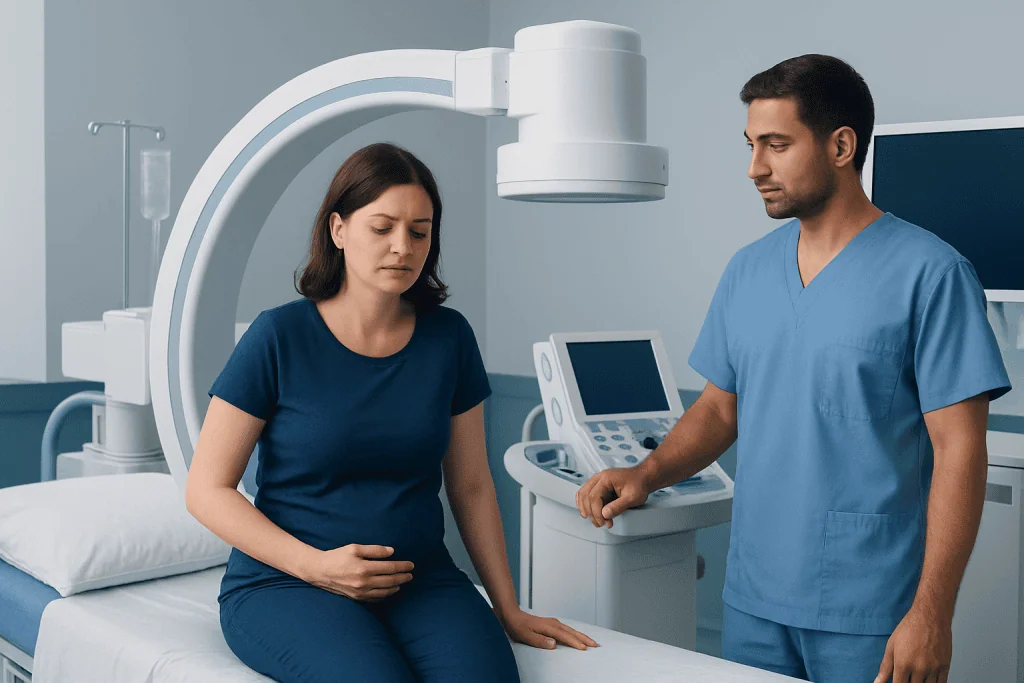
The most common symptoms of an ulcerative colitis flare involve a noticeable change in bowel habits. Many people have more frequent bowel movements than usual, often with a strong sense of urgency. Stools may be loose or watery, and blood or mucus may appear. Some people also feel as though they still need to pass stool even after using the toilet.
Abdominal discomfort is also common. This may feel like cramping, pressure, or pain, especially before a bowel movement. Bloating, reduced appetite, fatigue, and disturbed sleep can occur as inflammation becomes more active. If symptoms continue, weight loss and weakness may develop.
Some people have symptoms outside the digestive tract as well. These can include joint pain, mouth sores, skin changes, or eye irritation. While these symptoms do not happen in every flare, they can signal that inflammation is affecting more than the colon and should be discussed with a doctor.
- More frequent diarrhea
- Blood or mucus in the stool
- Urgency or difficulty holding bowel movements
- Abdominal cramping or pain
- Fatigue, poor appetite, or weight loss
- Fever in more severe cases
What Can Trigger a Flare?

Flares do not always have a clear cause, but several factors can make them more likely. Missing regular medicine is one of the most common reasons symptoms return. Even when a person feels well, maintenance treatment often remains important to keep inflammation under control.
Infections can also trigger or mimic a flare. A stomach infection, foodborne illness, or a bacterial infection such as Clostridioides difficile may cause diarrhea and bleeding that look very similar to active ulcerative colitis. This is one reason stool testing may be needed when symptoms suddenly worsen.
Stress does not directly cause ulcerative colitis, but it can make symptoms harder to manage and may worsen how a person feels during a flare. Certain pain relievers, especially nonsteroidal anti-inflammatory drugs, may aggravate the bowel in some people. Smoking cessation has many health benefits, but people with ulcerative colitis should still speak with their doctor about any symptom changes after lifestyle changes or medication adjustments.
Other digestive conditions may sometimes overlap with or resemble ulcerative colitis symptoms, such as Crohn's disease or irritable bowel syndrome. Because treatment differs, a careful medical review is important when symptoms change significantly.
What to Do During a Mild or Moderate Flare
The first step during a flare is to contact the doctor or inflammatory bowel disease team managing the condition. It is helpful to describe when symptoms started, how many bowel movements are happening each day, whether blood is present, and whether there is fever, vomiting, or weight loss. This information helps determine how quickly treatment should be adjusted.
Medicines should usually be taken exactly as prescribed unless a doctor advises otherwise. Many flares improve after treatment is reviewed and adjusted. Depending on the person’s usual care plan, this may involve changes to anti-inflammatory medicines, rectal therapies, corticosteroids, or advanced treatments used for inflammatory bowel disease care. It is generally not wise to start over-the-counter anti-diarrheal medicines without medical advice, especially if there is bleeding or significant pain.
Supportive care also matters. Drinking enough fluid helps replace losses from diarrhea. Small, simple meals may be easier to tolerate than large meals. Some people do better temporarily limiting foods that are very fatty, spicy, high in insoluble fiber, or difficult to digest, but restrictive diets should not replace medical treatment. Rest is important, yet light daily activity may still be possible if energy levels allow.
Keeping a symptom diary can be useful. Recording bowel frequency, bleeding, temperature, medicines, and foods can help the medical team see patterns and judge whether symptoms are improving. If a person already has a specialist plan for managing a flare, following that plan closely can reduce delays in care.
When to Seek Urgent Care
Some ulcerative colitis flares require prompt medical attention because they can lead to dehydration, significant blood loss, or serious inflammation. A person should seek urgent care if they cannot keep fluids down, feel faint, have a high fever, develop severe abdominal swelling, or have intense and persistent abdominal pain. These symptoms can suggest a severe flare or a complication that should not be managed at home.
Heavy rectal bleeding is another warning sign. Passing large amounts of blood, feeling dizzy, having a racing heartbeat, or becoming very weak may indicate substantial blood loss. In some situations, doctors may need to assess for gastrointestinal bleeding and check blood counts, hydration status, and overall stability.
Very frequent bowel movements, especially if they continue through the night and are accompanied by fever or rapid worsening, can also signal severe disease activity. Rarely, ulcerative colitis can lead to complications such as toxic megacolon, which involves dangerous widening of the colon and requires immediate medical care. Although this is uncommon, severe pain, abdominal distension, fever, and worsening illness should never be ignored.
- Go to urgent care or the emergency department for severe bleeding
- Seek immediate help for signs of dehydration, fainting, or confusion
- Urgent review is needed for severe abdominal pain, swelling, or persistent vomiting
- Contact a doctor promptly for fever, rapid worsening, or inability to eat and drink
How Doctors Diagnose and Assess a Flare
When a flare is suspected, doctors usually begin with a careful symptom review and physical examination. They often ask about bowel frequency, blood in the stool, pain, nighttime symptoms, appetite, recent travel, medicine use, and any recent antibiotic treatment. This helps distinguish a mild flare from a severe one and guides the next steps.
Blood tests may be used to check for anemia, signs of inflammation, dehydration, and the effects of poor nutrition. Stool tests are often important to rule out infection, especially when symptoms start suddenly or are more severe than usual. A fecal calprotectin test may also help show whether bowel inflammation is active.
In some cases, imaging or endoscopy is needed. A flexible sigmoidoscopy or colonoscopy can help doctors see the bowel lining directly, assess the extent of inflammation, and exclude other causes of symptoms. Specialist services such as neurogastroenterology evaluation may be helpful when symptoms are complex or do not match test findings clearly.
Doctors also look for conditions associated with ulcerative colitis, including liver and bile duct disorders such as primary sclerosing cholangitis. This does not mean every patient will develop these problems, but regular monitoring is an important part of comprehensive care.
Treatment Options for a Flare
Treatment depends on how severe the flare is, where inflammation is located, and which medicines have worked before. Mild to moderate flares may be treated by adjusting oral or rectal anti-inflammatory medicines. If symptoms are more severe, corticosteroids may be used for a short period to bring inflammation under control.
For people who have frequent flares or do not respond well to standard treatment, biologic medicines or other advanced immune-targeting therapies may be recommended. Hospital treatment may be needed if there is severe dehydration, heavy bleeding, very frequent diarrhea, or significant weakness. In hospital, care can include intravenous fluids, close monitoring, and stronger medicines.
Surgery may be considered when symptoms remain severe despite medical therapy, when complications develop, or when the disease has a major impact on quality of life. This decision is usually made carefully with a multidisciplinary team. People often benefit from coordinated ulcerative colitis treatment and, when needed, comparison with care approaches used in related inflammatory disorders such as Crohn disease management.
Near the end of the care pathway, some international patients may also look for multidisciplinary evaluation in specialized centers. Acibadem International’s JCI-accredited hospitals support diagnosis and treatment for digestive diseases with specialist teams, including gastroenterology and colorectal surgery when appropriate.
Prevention, Self-care, and Follow-up
Although not every flare can be prevented, consistent long-term care can lower the risk. Taking maintenance medicines as prescribed is one of the most effective steps. Follow-up appointments help doctors monitor disease activity, adjust treatment early, and screen for complications linked to longstanding inflammation.
Nutrition should support healing and overall strength. There is no single ulcerative colitis diet that works for everyone, but balanced eating, good hydration, and attention to nutrient deficiencies are important. During a flare, some people tolerate softer, lower-residue foods better for a short period. Because weight loss and iron deficiency can develop, medical nutrition advice may be useful.
Stress management, sleep, and gentle physical activity can also support well-being. Techniques such as relaxation training, counseling, or mindfulness may help people cope better with a chronic illness. Smoking should not be started or resumed as a symptom strategy, and supplements should only be used after discussing them with a clinician.
People should keep an updated medication list, know their warning signs, and have a plan for who to call if symptoms worsen. This can make a flare feel less overwhelming and reduce delays in treatment. With proper follow-up, many people are able to reach remission and maintain a good quality of life.
Frequently asked questions
How long does an ulcerative colitis flare usually last?
The length of a flare can vary from days to several weeks, depending on severity and how quickly treatment is adjusted. Some people improve soon after medication changes, while others need longer follow-up or hospital care. A doctor can help assess whether recovery is going as expected.
Can diet alone stop an ulcerative colitis flare?
Diet may help reduce symptom burden, but it usually cannot stop the underlying inflammation by itself. Medical treatment is often needed to bring the flare under control. Food choices should support hydration and nutrition, not replace prescribed care.
Is blood in the stool always normal during a flare?
Blood in the stool is common in ulcerative colitis, but it should still be taken seriously and discussed with a doctor. Larger amounts of bleeding, dizziness, weakness, or a rapid heartbeat can indicate urgent problems. Changes in the amount of bleeding are especially important to report.
When should someone go to the hospital for an ulcerative colitis flare?
Hospital care may be needed for severe abdominal pain, dehydration, heavy bleeding, high fever, persistent vomiting, or very frequent bowel movements with weakness. Fainting, confusion, or a swollen and painful abdomen are also urgent warning signs. It is safer to seek immediate medical attention rather than wait if symptoms are severe.
Can stress cause an ulcerative colitis flare?
Stress is not considered the root cause of ulcerative colitis, but it can worsen symptoms and make a flare harder to manage. It may also affect sleep, appetite, and medication routines. Stress-reduction strategies can be a helpful part of overall care.
What is the difference between a flare and a stomach infection?
A flare is caused by active inflammation from ulcerative colitis, while a stomach infection is caused by germs such as viruses or bacteria. The symptoms can overlap, especially diarrhea and abdominal pain. Doctors may order stool tests because infections can mimic or trigger a flare.
References
- National Institute of Diabetes and Digestive and Kidney Diseases
- Crohn's & Colitis Foundation
- American College of Gastroenterology
- National Health Service
- European Crohn's and Colitis Organisation
This article is for general information only and is not a substitute for professional medical advice. Please consult a qualified doctor about your individual situation.
Ulcerative Colitis in Turkey — costs, top hospitals & a free quote
JCI-accredited · board-certified surgeons · reply within 24h
Add us as a Preferred Source to see more of our trusted health content across Google Search, AI Overviews and Discover.

Gastroenterology
Diagnosis and treatment of the digestive system and liver, with advanced endoscopy.
46 specialists in this unit