Understanding Adenomyosis: A Complete Patient Guide

Adenomyosis affects the uterine muscle and may cause heavy periods, cramping, and pelvic discomfort. Some people have adenomyosis without symptoms, while others have symptoms that interfere with daily life.
Key Takeaways
- Adenomyosis affects the uterine muscle and may cause heavy periods, cramping, and pelvic discomfort.
- Some people have adenomyosis without symptoms, while others have symptoms that interfere with daily life.
- Diagnosis usually combines medical history, pelvic examination, ultrasound, and sometimes MRI.
- Treatment may include pain relief, hormonal therapies, or surgery when symptoms are severe.
- Seeking medical advice is important for persistent heavy bleeding, worsening pelvic pain, or anemia symptoms.
Adenomyosis is a condition in which tissue similar to the lining of the uterus grows into the muscular wall of the uterus. It often causes heavy menstrual bleeding, painful periods, pelvic pressure, or no symptoms at all, and treatment depends on symptom severity, age, and pregnancy plans.
Overview: what adenomyosis is
Adenomyosis is a benign uterine condition in which tissue similar to the endometrium, the lining that normally sheds during menstruation, is found within the muscular wall of the uterus. This can make the uterus enlarge and may lead to heavy or prolonged periods, painful menstrual cramps, pelvic pressure, or discomfort during sex. In some people, however, adenomyosis causes few or no symptoms.
Although adenomyosis is not cancer, it can still have a major impact on comfort, energy levels, work, sleep, and quality of life. Heavy menstrual bleeding may lead to iron deficiency or anemia over time, while persistent pain can affect emotional well-being and day-to-day functioning. Because symptoms overlap with other gynecologic conditions, it is important not to assume the cause without a proper evaluation.
Adenomyosis can occur on its own, but it may also exist alongside conditions such as endometriosis or uterine fibroids. This overlap is one reason symptoms can vary so much from one person to another. A clear diagnosis helps guide treatment choices and can reassure patients that their symptoms have a recognized medical explanation.
How adenomyosis may feel in daily life
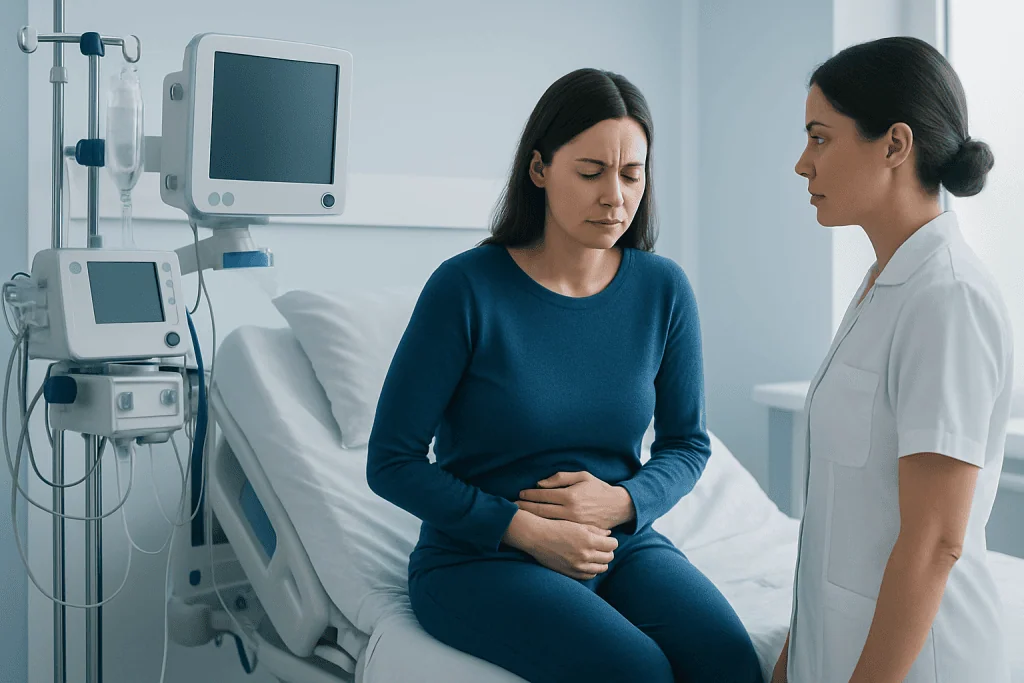
The most common symptoms of adenomyosis are heavy menstrual bleeding and painful periods. Cramping may begin before bleeding starts and continue for several days. Some people describe a deep aching sensation in the lower abdomen, pelvis, lower back, or thighs, especially during menstruation.
Pelvic pressure or a feeling of fullness can also happen if the uterus becomes enlarged. Some people notice bloating, discomfort during intercourse, or pain with bowel movements during their period. Fatigue may develop if blood loss is significant, especially when iron levels become low.
Symptoms are not always constant. They may slowly worsen over time, fluctuate from month to month, or improve after menopause when hormone levels change. It is also possible to have adenomyosis and no symptoms at all, with the condition being found only during imaging or evaluation for another concern.
- Heavy or prolonged menstrual bleeding
- Painful periods that are more intense than usual
- Chronic pelvic pain or pressure
- Pain during sexual intercourse
- Bloating or a feeling of uterine enlargement
- Tiredness, dizziness, or weakness related to heavy bleeding
Why adenomyosis happens and who is more likely to develop it
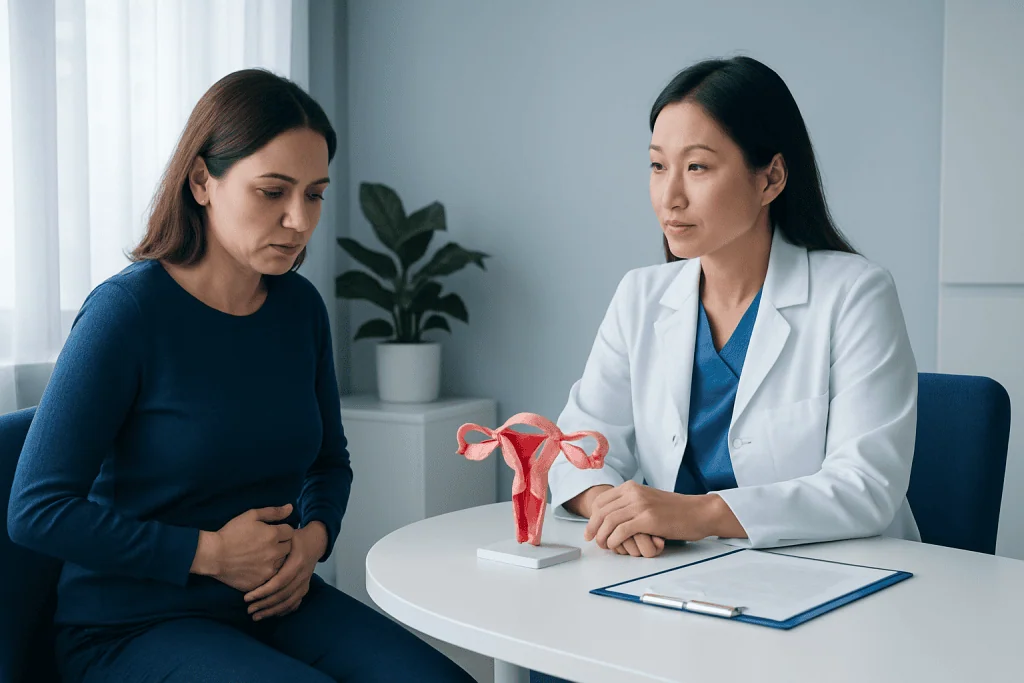
The exact cause of adenomyosis is not fully understood. Experts believe it may involve disruption of the boundary between the uterine lining and the muscle wall, allowing endometrial-type tissue to grow into the muscle. Hormones, especially estrogen, appear to influence the condition, which may explain why symptoms tend to occur during the reproductive years and often improve after menopause.
Several factors may increase the likelihood of adenomyosis. It is more often diagnosed in people in their 30s, 40s, and early 50s, though younger individuals can also be affected. A history of childbirth, prior uterine surgery such as cesarean section or fibroid removal, and long-term exposure to estrogen may play a role, but these associations do not mean that any one factor directly causes the condition.
Adenomyosis can overlap with other gynecologic disorders, especially uterine fibroids. Because these conditions can cause similar symptoms, an accurate evaluation matters. Some people may have more than one cause for heavy bleeding or pelvic pain, and treatment may need to address all contributing factors rather than a single diagnosis.
How doctors diagnose adenomyosis
Diagnosis usually begins with a detailed discussion of symptoms, menstrual patterns, medical history, and reproductive goals. A clinician may ask about the timing of pain, the number of pads or tampons used, the presence of clots, and whether symptoms affect daily activities. A pelvic examination may suggest an enlarged or tender uterus, but examination alone cannot confirm adenomyosis.
Imaging is often the next step. Pelvic ultrasound is commonly used first because it is widely available and can identify features that suggest adenomyosis while also checking for fibroids, ovarian cysts, or other pelvic problems. In some cases, an MRI provides more detail and can help distinguish adenomyosis from similar conditions when ultrasound findings are unclear.
Blood tests may be recommended to check for anemia or iron deficiency if bleeding is heavy. Depending on symptoms and age, a doctor may also evaluate the uterine lining to rule out other causes of abnormal bleeding. In the past, adenomyosis was often confirmed only after hysterectomy, but modern imaging now allows many people to receive a diagnosis without major surgery. Diagnostic workup may include MRI or ultrasound imaging as part of a broader gynecologic assessment.
Treatment options and how care is individualized
Treatment for adenomyosis depends on symptom severity, age, overall health, and whether future pregnancy is desired. People with mild symptoms may do well with observation and symptom relief, while those with more disruptive symptoms may need hormonal treatment or procedures. The goal is usually to reduce pain, control bleeding, correct anemia, and improve quality of life.
Nonsteroidal anti-inflammatory drugs may help relieve menstrual pain in some patients. Hormonal approaches can reduce bleeding and cramping by affecting the menstrual cycle. Options may include certain birth control pills, hormonal intrauterine devices, or other hormone-based therapies chosen by a gynecologist based on the individual situation. These treatments manage symptoms but do not always eliminate the condition itself.
When symptoms are severe, persistent, or do not improve with conservative measures, procedural treatment may be considered. In selected cases, surgery may be discussed, especially when symptoms are significantly affecting daily life and childbearing is complete. Depending on the person’s needs and coexisting conditions, doctors may also evaluate whether procedures such as hysterectomy are appropriate. Treatment planning should be personalized, and many people benefit from coordinated care involving gynecology, imaging specialists, and, when needed, anemia management.
Self-care, monitoring, and living well with adenomyosis
Self-care cannot cure adenomyosis, but it can make symptoms easier to manage. Keeping a menstrual diary can help track pain, bleeding volume, clots, fatigue, and how symptoms relate to work, exercise, sleep, or intimacy. This information can be very useful during medical appointments because it gives a clearer picture of how symptoms change over time.
For people with heavy periods, paying attention to signs of iron deficiency is important. Tiredness, pale skin, shortness of breath with exertion, headaches, or dizziness may suggest anemia and should be discussed with a doctor. A clinician may recommend blood testing and, if needed, iron replacement or other treatment.
General wellness habits may also support symptom management. Regular rest, gentle physical activity, heat therapy such as a heating pad, and stress reduction strategies may help some people cope better with cramping and pelvic discomfort. Still, self-care should complement medical advice rather than replace it, especially when bleeding is heavy or pain is worsening.
When to seek medical care
Medical evaluation is recommended if periods become much heavier than usual, last longer than expected, or are associated with severe cramps that are not controlled by usual home measures. A person should also seek care if pelvic pain occurs between periods, if intercourse becomes painful, or if symptoms begin to interfere with work, school, sleep, or daily routines.
Prompt medical attention is especially important when there are signs of significant blood loss or anemia. These may include fainting, chest discomfort, marked weakness, shortness of breath, or feeling lightheaded. Bleeding after menopause should always be assessed by a doctor, as it is not considered typical and needs proper evaluation.
Anyone with persistent gynecologic symptoms deserves a careful assessment rather than simply being told that painful or heavy periods are normal. At Acibadem International, multidisciplinary specialists in JCI-accredited hospitals evaluate conditions such as adenomyosis for international patients and tailor diagnosis and treatment plans to individual needs.
Frequently asked questions
Is adenomyosis the same as endometriosis?
No. Adenomyosis involves endometrial-like tissue growing within the muscular wall of the uterus, while endometriosis involves similar tissue growing outside the uterus. The two conditions can cause similar symptoms and may occur together.
Can adenomyosis cause infertility?
Adenomyosis may be associated with fertility challenges in some people, but it does not cause infertility in every case. The relationship is complex and may depend on age, symptom severity, and whether other conditions are present. Anyone trying to conceive should discuss individual risks and treatment options with a gynecologist.
Does adenomyosis go away after menopause?
Symptoms often improve after menopause because hormone levels change. However, the timing and degree of improvement vary from person to person. Ongoing or new bleeding after menopause should always be evaluated by a doctor.
Can adenomyosis be seen on an ultrasound?
Yes, ultrasound can often show features that suggest adenomyosis. In some cases, MRI is used for a clearer picture or when the diagnosis is uncertain. Imaging also helps look for other possible causes of symptoms, such as fibroids.
Is hysterectomy the only cure for adenomyosis?
Hysterectomy is considered the definitive treatment because it removes the uterus, but it is not the only way to manage symptoms. Many people improve with pain medicines, hormonal treatments, or other supportive care. The best approach depends on symptom severity and future pregnancy plans.
When should heavy periods be checked by a doctor?
Heavy periods should be assessed if they are new, getting worse, causing severe fatigue, soaking through products quickly, or affecting normal activities. Bleeding that leads to dizziness, fainting, or symptoms of anemia needs timely medical attention. A doctor can help find the cause and recommend appropriate treatment.
References
- American College of Obstetricians and Gynecologists
- National Institute for Health and Care Excellence
- Mayo Clinic
- National Institutes of Health
- World Health Organization
This article is for general information only and is not a substitute for professional medical advice. Please consult a qualified doctor about your individual situation.
Explore treatments in Turkey — costs, top hospitals & a free quote
JCI-accredited · board-certified surgeons · reply within 24h
Add us as a Preferred Source to see more of our trusted health content across Google Search, AI Overviews and Discover.