Understanding Cholesterolosis: A Complete Patient Guide
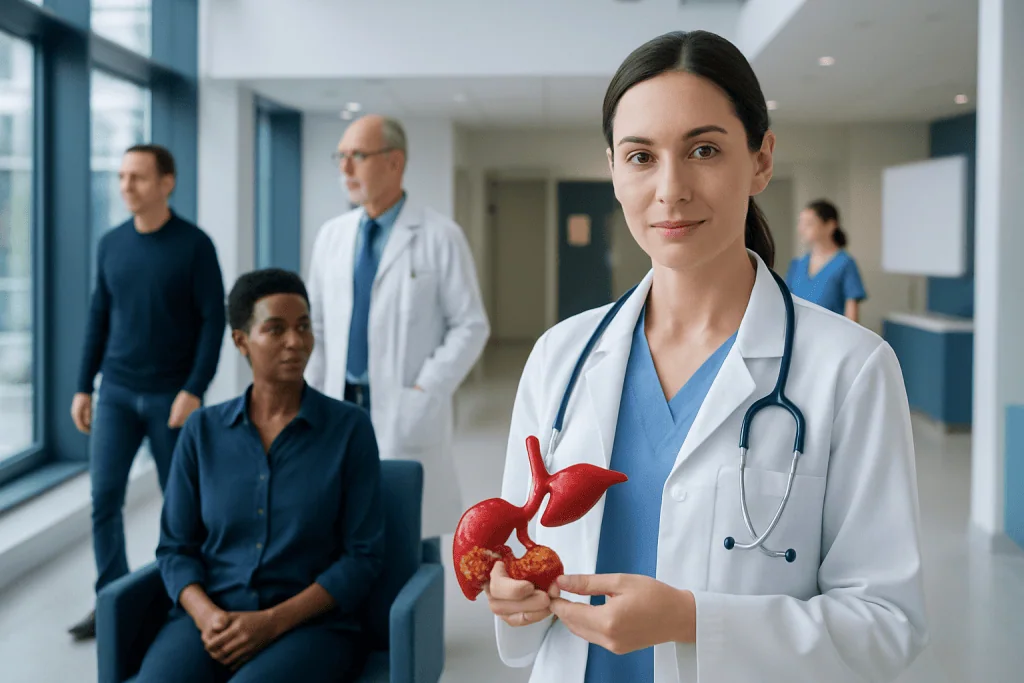
Cholesterolosis means cholesterol deposits have built up in the gallbladder lining. Many people have no symptoms, and the condition is often found incidentally on imaging or after gallbladder removal.
Key Takeaways
- Cholesterolosis means cholesterol deposits have built up in the gallbladder lining.
- Many people have no symptoms, and the condition is often found incidentally on imaging or after gallbladder removal.
- When symptoms occur, they may overlap with other gallbladder problems such as gallstones.
- Ultrasound and clinical evaluation help doctors look for related gallbladder disease.
- Treatment depends on symptoms and associated conditions; some people need only monitoring, while others may benefit from gallbladder surgery.
Cholesterolosis is a condition in which cholesterol collects in the lining of the gallbladder. It is often harmless and may cause no symptoms, but in some people it is found during evaluation for gallbladder pain, indigestion, or gallstones.
What is cholesterolosis?
Cholesterolosis is a gallbladder condition in which tiny cholesterol deposits build up in the inner lining of the gallbladder. The gallbladder is a small organ under the liver that stores bile, a digestive fluid that helps break down fats. In cholesterolosis, the lining can take on a speckled appearance because cells in the wall collect cholesterol esters and other lipids.
This condition is sometimes called strawberry gallbladder because the gallbladder lining may look dotted with yellow flecks against a reddish background. That term describes the appearance, not a separate disease. Cholesterolosis itself is usually benign, meaning it is not cancer and does not automatically lead to serious illness.
Many people with cholesterolosis never know they have it. It may be discovered during an ultrasound, after gallbladder surgery, or when a doctor is investigating symptoms that seem similar to other gallbladder disorders. What matters most is whether it is causing symptoms or appearing alongside problems such as gallstones or gallbladder inflammation.
How cholesterolosis affects the gallbladder
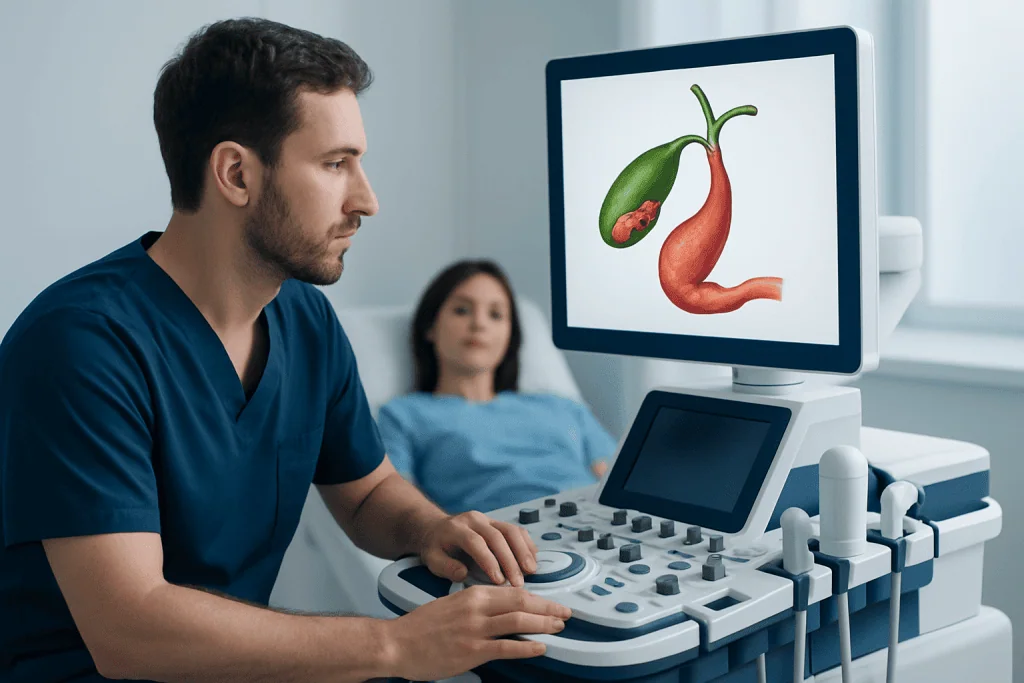
The gallbladder concentrates and stores bile between meals. In cholesterolosis, some cholesterol from bile is taken up by cells in the gallbladder lining more than usual. These lipid-filled cells can create flat yellow deposits or form small projections known as cholesterol polyps.
Not everyone with cholesterolosis develops symptoms. In many cases, the deposits do not block bile flow or change gallbladder function enough to be noticed. However, if cholesterolosis is associated with sludge, stones, or reduced gallbladder emptying, a person may experience discomfort after eating, especially after fatty meals.
Doctors often distinguish cholesterolosis from other causes of gallbladder symptoms because management may differ. For example, an isolated small cholesterol polyp may simply be observed, while pain linked to stones or recurrent inflammation may prompt more active treatment. The overall picture is more important than the finding alone.
Symptoms and possible signs
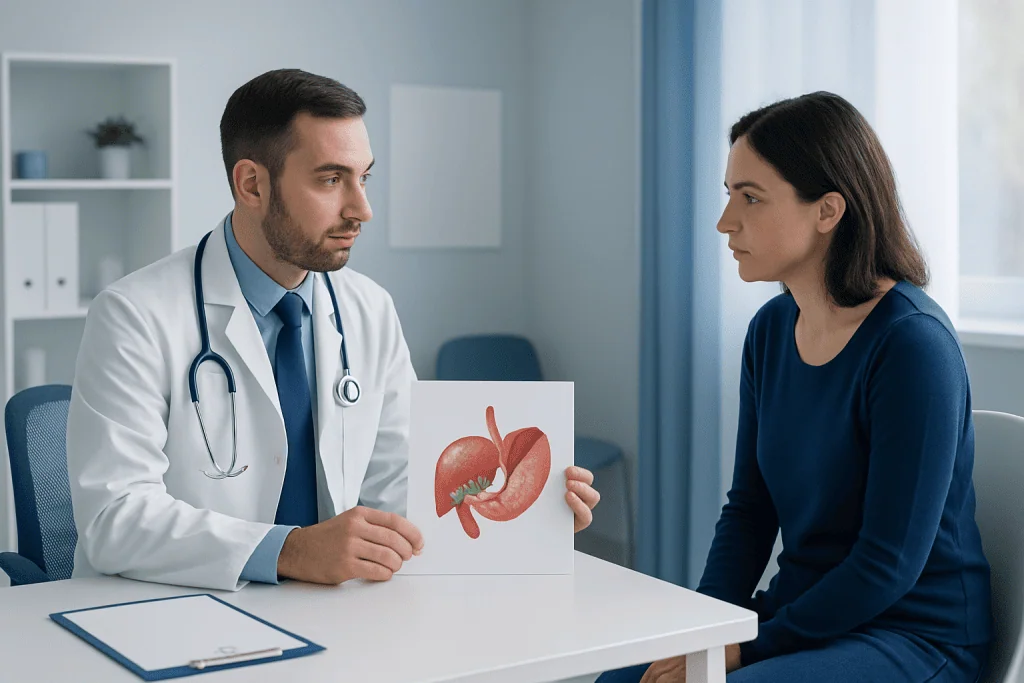
Cholesterolosis often causes no symptoms at all. When symptoms do occur, they usually are not specific to cholesterolosis alone and can resemble other gallbladder conditions. That is why careful evaluation is important rather than assuming one finding is the full explanation.
Possible symptoms may include discomfort or pain in the upper right abdomen, bloating, nausea, indigestion, or symptoms that appear after a heavy or fatty meal. Some people describe a sense of pressure under the ribs rather than sharp pain. Symptoms may come and go.
When symptoms are more intense, doctors also consider related problems such as biliary colic, gallstones, or inflammation of the gallbladder. A person should not try to self-diagnose based only on digestive symptoms because many stomach, liver, pancreas, and bowel conditions can feel similar.
- Upper right abdominal discomfort
- Nausea after meals
- Bloating or fullness
- Indigestion, especially after fatty foods
- Intermittent pain that may mimic other gallbladder disease
Causes and risk factors
The exact cause of cholesterolosis is not fully understood, but it appears to involve abnormal handling of cholesterol within the gallbladder lining. In simple terms, the gallbladder mucosa absorbs more cholesterol from bile than it should, leading to accumulation inside tissue macrophages and other cells.
Cholesterolosis does not necessarily mean a person has high blood cholesterol. Although the names sound closely related, blood cholesterol levels and gallbladder cholesterol deposition do not always match. A person with normal cholesterol can have cholesterolosis, and a person with elevated cholesterol may never develop it.
Researchers and clinicians have noted associations with other gallbladder conditions, including gallstones, bile stasis, and changes in gallbladder motility. Risk may also be influenced by age, sex, body weight, diet, and metabolic factors, but there is no single profile that explains all cases. Because symptoms overlap with many digestive disorders, doctors evaluate the whole medical context rather than one risk factor in isolation.
How doctors diagnose cholesterolosis
Diagnosis usually begins with a medical history and physical examination. A doctor asks about the pattern of abdominal pain, relationship to meals, nausea, vomiting, fever, and any previous episodes of gallbladder trouble. Blood tests may be ordered to look for signs of infection, liver problems, bile duct obstruction, or pancreatic inflammation when symptoms suggest a broader biliary issue.
Ultrasound is often the first imaging test because it is widely available and does not use radiation. It may show gallbladder polyps, sludge, wall changes, or gallstones. However, cholesterolosis itself can be difficult to confirm with absolute certainty on imaging alone, and in some cases the diagnosis becomes clear only after pathologic examination of the gallbladder following surgery.
If the findings are unclear or symptoms are persistent, doctors may recommend more detailed evaluation. Depending on the situation, this can include advanced imaging, endoscopic assessment, or a focused workup for other digestive conditions. Patients who have symptomatic gallbladder disease may be evaluated by specialists in gastroenterology or general surgery to decide whether monitoring or treatment is the better approach.
Treatment options and what to expect
Treatment for cholesterolosis depends on whether it is causing symptoms and whether there are other gallbladder abnormalities. If cholesterolosis is found incidentally and the person has no pain, fever, digestive upset, or suspicious imaging features, treatment may not be needed right away. In these cases, the doctor may simply observe and follow the patient clinically.
If symptoms suggest gallbladder dysfunction or if cholesterolosis appears together with stones, recurrent biliary pain, or concerning polyps, surgery may be recommended. The standard operation is gallbladder removal, also called cholecystectomy. This is commonly performed as minimally invasive laparoscopic surgery when suitable for the patient.
Gallbladder removal is generally considered when the overall clinical picture points to the gallbladder as the source of symptoms, not just because cholesterolosis is present. Doctors also pay attention to the size and appearance of any polyps because some gallbladder polyps need surveillance and a smaller number warrant removal to rule out more serious disease. In centers with multidisciplinary care, including Acibadem International, specialists in JCI-accredited hospitals evaluate international patients with gallbladder symptoms and offer diagnosis and treatment planning.
If symptoms are severe, repeated, or associated with inflammation, a surgeon may discuss gallbladder surgery and the expected recovery process. The decision is individualized, balancing symptoms, imaging findings, general health, and the likelihood that surgery will improve quality of life.
Living with cholesterolosis: self-care and prevention
There is no guaranteed way to prevent cholesterolosis because its exact cause is not fully defined. Still, general gallbladder-friendly habits may support digestive health and reduce the chance of symptoms in some people. A balanced eating pattern, gradual weight management when needed, and regular physical activity are sensible measures for overall metabolic health.
People who notice discomfort after very fatty meals may benefit from smaller, lighter meals while awaiting medical advice. Rapid weight loss diets should be approached carefully because sudden changes in weight can increase the risk of gallbladder problems in some individuals. It is best to discuss any major diet plan with a qualified clinician, especially if symptoms are already present.
Self-care should not replace medical evaluation if pain is recurring. Because cholesterolosis can exist alongside stones or inflammation, it is important to follow a doctor’s recommendations for imaging, follow-up, or specialist referral. If another biliary disorder is suspected, evaluation may also look for conditions such as cholecystitis.
When to seek medical care
Medical care is appropriate if a person has repeated upper right abdominal pain, nausea after meals, bloating that does not improve, or digestive symptoms that interfere with daily life. Even when symptoms seem mild, persistent or recurrent episodes should be assessed because they may reflect gallbladder disease or another digestive condition.
Urgent medical attention is needed if abdominal pain is severe, especially if it is accompanied by fever, vomiting, yellowing of the eyes or skin, dark urine, pale stools, or pain that lasts for several hours. These symptoms can suggest complications such as acute inflammation, bile duct blockage, or pancreatitis and should be evaluated promptly.
A healthcare professional can help determine whether cholesterolosis is simply an incidental finding or part of a condition that needs treatment. Early assessment often brings reassurance and helps patients avoid unnecessary worry while identifying cases that need closer follow-up.
Frequently asked questions
Is cholesterolosis the same as high cholesterol?
No. Cholesterolosis refers to cholesterol deposits in the lining of the gallbladder, while high cholesterol usually refers to cholesterol levels in the blood. The two can occur together, but one does not automatically mean the other is present.
Can cholesterolosis turn into cancer?
Cholesterolosis itself is generally considered a benign condition and is not the same as gallbladder cancer. However, if imaging shows gallbladder polyps or other unusual features, a doctor may recommend follow-up or treatment to make sure nothing more serious is being missed.
Does cholesterolosis always cause pain?
No. Many people have no symptoms at all, and the condition is often found incidentally during imaging or after gallbladder removal for another reason. When pain is present, doctors consider whether gallstones, inflammation, or gallbladder dysfunction may also be involved.
How is cholesterolosis found?
It may be suspected on ultrasound when the gallbladder shows small polyps or characteristic wall changes. In some cases, the diagnosis is confirmed only after the gallbladder is examined under a microscope following surgery.
Will someone with cholesterolosis need surgery?
Not always. If there are no symptoms and no concerning associated findings, monitoring may be enough. Surgery is more likely to be considered when there is ongoing pain, gallstones, repeated inflammation, or polyps that need further assessment.
What foods should be avoided with cholesterolosis?
There is no single required diet for every patient, but some people feel better when they limit very fatty or heavy meals. A doctor or dietitian can give individualized guidance based on symptoms, weight goals, and any other digestive conditions.
References
- National Institute of Diabetes and Digestive and Kidney Diseases
- American College of Gastroenterology
- Merck Manual Consumer Version
- Society of American Gastrointestinal and Endoscopic Surgeons
This article is for general information only and is not a substitute for professional medical advice. Please consult a qualified doctor about your individual situation.
Persistent digestive symptoms? Get evaluated in Turkey
JCI-accredited · board-certified surgeons · reply within 24h
Add us as a Preferred Source to see more of our trusted health content across Google Search, AI Overviews and Discover.
Check your numbers in seconds
BMI, calories, due date, blood pressure and 30+ more clinical calculators — free, instant, doctor-reviewed ranges.

More from the Health Library



Related Specialists

Assoc. Prof. Dr. Aylin Altan Kuş
Gastrointestinal Oncology Unit Clinical Service
Dr. Leila Mohammadi
Emergency Service
Psk. Elifnur Sular
Psychology
Dr. Burcu Duran Tak
Acibadem Life Clinical Service