Understanding Leptomeningeal Disease: A Complete Patient Guide

Leptomeningeal disease happens when cancer spreads to the meninges and cerebrospinal fluid around the brain and spinal cord. Symptoms vary widely and may include headaches, weakness, numbness, back pain, balance problems, and changes in vision or thinking.
Key Takeaways
- Leptomeningeal disease happens when cancer spreads to the meninges and cerebrospinal fluid around the brain and spinal cord.
- Symptoms vary widely and may include headaches, weakness, numbness, back pain, balance problems, and changes in vision or thinking.
- Diagnosis usually combines a neurological exam, MRI scans, and testing of cerebrospinal fluid obtained by lumbar puncture.
- Treatment often focuses on symptom relief, preserving function, and controlling the cancer with radiation, systemic therapy, or other targeted approaches.
- New or worsening neurological symptoms in a person with known cancer should be assessed promptly.
Leptomeningeal disease is a serious condition in which cancer cells spread to the thin membranes and fluid surrounding the brain and spinal cord. It can affect movement, sensation, thinking, vision, and pain control, but timely diagnosis and personalized treatment may help relieve symptoms and support quality of life.
Overview: what leptomeningeal disease means
Leptomeningeal disease is a type of cancer spread that affects the leptomeninges, the delicate inner membranes covering the brain and spinal cord, and the cerebrospinal fluid that flows around them. It is also called leptomeningeal metastases or, in some older sources, leptomeningeal carcinomatosis. Rather than forming one solid tumor alone, cancer cells travel within the fluid spaces and may affect many areas of the nervous system at the same time.
This pattern of spread can occur in several cancers, including breast cancer, lung cancer, melanoma, and some blood cancers. Because the brain, spinal cord, and nerves control so many body functions, symptoms can be diverse and may come on gradually or relatively quickly. A person may have one dominant symptom at first, such as headache or leg weakness, and then develop others over time.
Leptomeningeal disease is different from a typical brain tumor that grows as a distinct mass in brain tissue. In leptomeningeal disease, the main problem is the presence of cancer cells in the lining and fluid around the nervous system. This difference matters because diagnosis, treatment planning, and symptom patterns are often not the same as they are for a single localized tumor.
Although it is a serious diagnosis, care is available. Modern treatment plans are often designed by neurologists, oncologists, radiation oncologists, neurosurgeons, and supportive care teams working together. The goals are to confirm the diagnosis, understand the extent of involvement, relieve symptoms, preserve neurological function, and treat the underlying cancer as effectively as possible.
Symptoms and how they may appear
The symptoms of leptomeningeal disease depend on which parts of the brain, spinal cord, or nerve roots are affected. Because cancer cells can circulate in cerebrospinal fluid, problems may involve more than one area of the nervous system. This is one reason the condition can look different from one person to another.
Common symptoms include persistent headache, nausea, vomiting, neck pain, back pain, numbness, tingling, weakness, difficulty walking, balance problems, changes in hearing, double vision, facial weakness, and bladder or bowel changes. Some people notice memory problems, confusion, unusual sleepiness, or seizures. Others may develop shooting pain down an arm or leg if nerve roots are irritated.
Symptoms can sometimes be subtle at first. A person with treated cancer may feel more fatigued than usual, have a new headache pattern, or notice clumsiness that is easy to dismiss. In other cases, symptoms are more obvious, such as rapid worsening of walking, severe back pain, or sudden changes in vision. Because many cancer treatments can also cause neurological side effects, doctors look carefully at the full history before deciding what is causing the problem.
- Headaches that are new, persistent, or different from usual
- Weakness, numbness, or difficulty with coordination
- Back pain or pain radiating into the arms or legs
- Vision, hearing, speech, or swallowing changes
- Problems with memory, alertness, or behavior
- Seizures or unexplained episodes of confusion
Causes, risk factors, and who can develop it

Leptomeningeal disease develops when cancer cells spread from another site in the body into the cerebrospinal fluid and the thin membranes around the brain and spinal cord. This can happen through the bloodstream, by direct extension from nearby disease, or after cancer cells reach the central nervous system and then move into fluid spaces. It is not an infection and it is not contagious.
It is most often associated with advanced solid tumors such as breast cancer, lung cancer, and melanoma, but it can also occur with leukemia, lymphoma, and some other cancers. In some people, it appears alongside known brain metastases or spinal metastases. In others, it may be the first sign that a cancer has spread to the nervous system.
Risk depends partly on the type and biology of the original cancer, how advanced it is, and how it has behaved over time. As cancer care improves and people live longer with metastatic disease, doctors may see leptomeningeal disease more often in certain settings. This does not mean treatment caused the condition; rather, it reflects the complex natural history of cancer and the fact that the central nervous system can become a protected site where cancer cells are harder to eliminate.
Not everyone with metastatic cancer will develop leptomeningeal disease. Even among higher-risk cancer types, it remains a specific complication rather than an expected outcome. If there are new neurological symptoms, doctors may also evaluate for other possible causes such as medication effects, infection, stroke, a brain tumor, spinal cord compression, or metabolic changes related to cancer.
How doctors diagnose leptomeningeal disease
Diagnosis usually begins with a careful medical history and neurological examination. Doctors ask about the pattern of symptoms, any known cancer diagnosis, treatments received, and how quickly problems have changed. The examination may assess strength, sensation, reflexes, balance, eye movements, speech, and thinking.
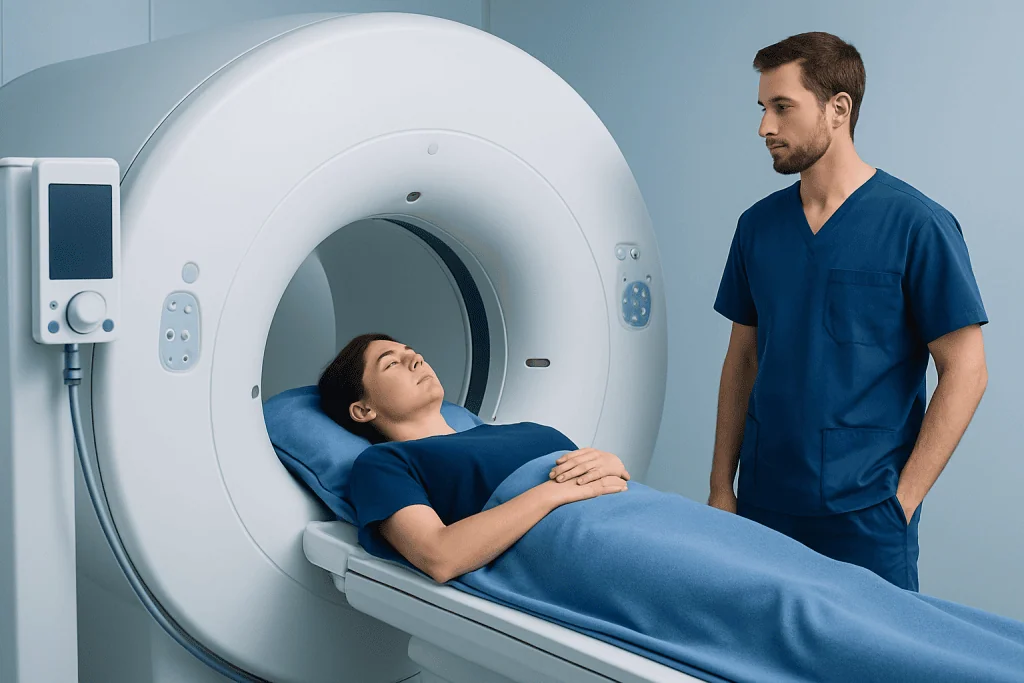
MRI of the brain and spine with contrast is one of the most important tests. It can show abnormal enhancement of the meninges, nerve roots, or areas where cerebrospinal fluid flows. Imaging also helps rule out other causes of symptoms and may identify related issues such as hydrocephalus, brain metastases, or compression of the spinal cord. If needed, a specialist may recommend MRI scanning of more than one area because leptomeningeal disease can affect the brain and spine together.
Another key test is analysis of cerebrospinal fluid obtained by lumbar puncture, also called a spinal tap. The fluid may be examined for cancer cells, protein and glucose changes, and other signs that support the diagnosis. Sometimes the first sample does not show malignant cells even when leptomeningeal disease is present, so doctors may repeat testing if suspicion remains high.
Diagnosis is often based on the whole picture rather than a single test result. In many patients, MRI findings, spinal fluid analysis, symptoms, and the underlying cancer history are considered together. Depending on the situation, additional studies may include blood tests, evaluation of the primary cancer, or review by specialists in neuroradiology, neurology, and oncology. In selected cases, lumbar puncture helps clarify the diagnosis and guide treatment decisions.
Treatment options and treatment goals
Treatment for leptomeningeal disease is individualized. The main goals are usually to relieve symptoms, maintain or improve neurological function, support comfort and independence, and control the cancer when possible. The best plan depends on the cancer type, the areas affected, a person’s general health, previous treatments, and whether the cancer has targetable features.
Doctors may use radiation therapy for specific painful or symptomatic areas, especially when there is localized blockage of cerebrospinal fluid flow or nerve root involvement. Depending on the cancer type, systemic anti-cancer treatment may include chemotherapy, immunotherapy, hormone therapy, or targeted therapy that can reach the central nervous system. For some patients, care may also include management of pressure-related symptoms, anti-seizure medication when needed, or procedures to improve cerebrospinal fluid circulation. If radiation is recommended, radiation therapy may be part of a broader treatment plan.
In selected situations, anti-cancer drugs may be delivered into the cerebrospinal fluid, but this approach is not appropriate for everyone. Doctors weigh possible benefits against risks, practical considerations, and overall treatment goals. Supportive care remains essential at every stage and may include pain control, physical therapy, nutritional support, counseling, and help with mobility or speech difficulties.
Because the condition can involve both neurological and oncological needs, multidisciplinary care is especially important. Near the end of the care pathway, some people and families also benefit from frank discussions about prognosis, priorities, and quality of life. Acibadem International’s multidisciplinary specialists and JCI-accredited hospitals diagnose and treat complex neurological and oncological conditions for international patients, with care plans tailored to the individual.
Living with leptomeningeal disease: self-care and support
Daily life with leptomeningeal disease can be unpredictable, so practical support matters. Symptoms may fluctuate from day to day depending on fatigue, pain, medications, and the areas of the nervous system involved. Patients and families often find it helpful to keep a simple symptom diary that notes headaches, weakness, falls, confusion, appetite, and any new bladder or bowel changes.
Self-care does not replace medical treatment, but it can improve comfort and safety. Rest, regular hydration, balanced nutrition, and planned activity can help conserve energy. Mobility aids, home adjustments, and assistance with bathing or stairs may reduce the risk of falls. If thinking or memory is affected, clear routines, written reminders, and family supervision can be valuable.
Emotional health is also important. Anxiety, uncertainty, and sadness are common reactions to a neurological cancer complication. Support from loved ones, oncology nurses, rehabilitation specialists, psychologists, social workers, or palliative care teams can make day-to-day coping easier. Asking for help early is a strength, not a failure.
People should follow their medical team’s advice about driving, work, travel, and seizure precautions. They should also discuss all medicines, including over-the-counter products and supplements, because some can interact with cancer treatment or worsen drowsiness. A clear plan for whom to call if symptoms change can reduce stress and help families respond quickly.
When to seek medical care
Anyone with known cancer who develops new neurological symptoms should contact a doctor promptly. This is especially important if symptoms are worsening over hours to days, or if they involve weakness, walking difficulty, vision changes, severe headache, confusion, or bladder or bowel problems. Quick evaluation does not always mean the cause is leptomeningeal disease, but it helps doctors identify urgent problems and start appropriate care sooner.
Urgent assessment is also needed for seizures, sudden major weakness, loss of consciousness, severe vomiting with headache, or rapidly increasing sleepiness. These symptoms can reflect raised pressure in the brain, a stroke, infection, medication complications, spinal cord compression, or other serious conditions that may require immediate treatment.
Even when symptoms seem mild, it is sensible not to ignore them. A subtle change in balance, numbness, facial drooping, or trouble finding words may be the first clue that the nervous system is involved. Early communication with the oncology or neurology team can lead to more timely testing and better symptom control.
Patients already diagnosed with leptomeningeal disease should ask their care team which red-flag symptoms require emergency help and which can be reported at the next visit. Having written instructions for nights, weekends, and travel can make the situation easier for both patients and caregivers.
Frequently asked questions
Is leptomeningeal disease the same as a brain tumor?
No. Leptomeningeal disease means cancer has spread to the membranes and fluid around the brain and spinal cord, while a brain tumor usually refers to a mass growing in brain tissue. Some patients may have both conditions at the same time.
What cancers most often cause leptomeningeal disease?
It is most commonly linked to breast cancer, lung cancer, melanoma, leukemia, and lymphoma. However, other cancers can also spread to the leptomeninges. A doctor considers the original cancer type, treatment history, and current symptoms when assessing risk.
Can leptomeningeal disease be cured?
Treatment is often aimed at controlling the disease, easing symptoms, and preserving neurological function rather than offering a guaranteed cure. Outcomes vary depending on the cancer type, extent of spread, and available therapies. A specialist can explain realistic goals for an individual situation.
How is leptomeningeal disease confirmed?
Doctors usually use a combination of neurological examination, MRI scans, and cerebrospinal fluid testing from a lumbar puncture. Sometimes more than one spinal fluid test is needed because cancer cells may not appear in the first sample. The diagnosis is often made by putting all findings together.
What are the first symptoms of leptomeningeal disease?
Early symptoms can include headache, back pain, numbness, weakness, balance trouble, or changes in vision or hearing. In some people, the first signs are subtle, such as increased fatigue, mild confusion, or clumsiness. Because symptoms are varied, new neurological changes should be discussed with a doctor.
Is leptomeningeal disease always an emergency?
Not every case presents as an emergency, but it does require prompt medical assessment. Some symptoms, such as seizures, sudden severe weakness, major confusion, or severe headache with vomiting, need urgent care right away. A doctor can determine whether symptoms reflect leptomeningeal disease or another neurological problem.
References
- National Cancer Institute
- American Cancer Society
- National Institute of Neurological Disorders and Stroke
- European Society for Medical Oncology
- National Comprehensive Cancer Network
This article is for general information only and is not a substitute for professional medical advice. Please consult a qualified doctor about your individual situation.
Joint and spine care in Turkey — expert assessment & treatment
JCI-accredited · board-certified surgeons · reply within 24h
Add us as a Preferred Source to see more of our trusted health content across Google Search, AI Overviews and Discover.