Unexplained Bruising: An Evidence-Based Guide for Patients
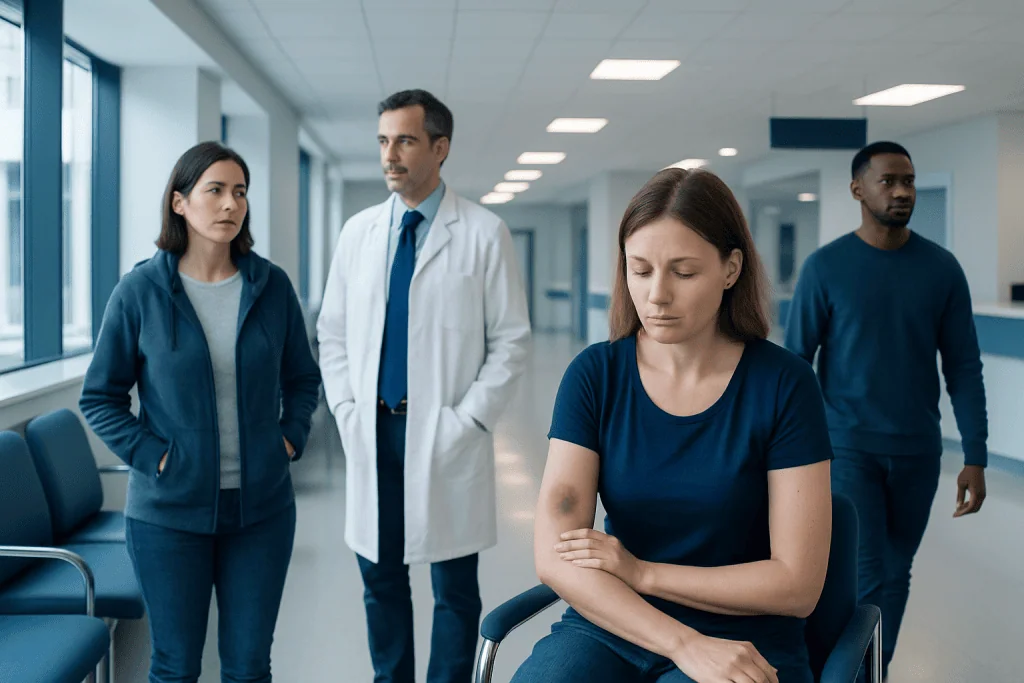
A bruise can appear without a remembered injury because minor bumps are easy to miss. Medicines such as blood thinners, aspirin, some anti-inflammatory drugs, and corticosteroids can make bruising more likely.
Key Takeaways
- A bruise can appear without a remembered injury because minor bumps are easy to miss.
- Medicines such as blood thinners, aspirin, some anti-inflammatory drugs, and corticosteroids can make bruising more likely.
- Frequent, large, painful, or unexplained bruises may need medical assessment, especially if there is bleeding elsewhere.
- Doctors may use a medical history, physical exam, and blood tests to look for clotting, platelet, liver, or vitamin-related problems.
- Urgent care is important if bruising comes with severe bleeding, weakness, shortness of breath, fainting, or a head injury.
Unexplained bruising means a bruise appears without a remembered injury or seems larger or more frequent than expected. In many cases it relates to minor unnoticed trauma, aging skin, or medication effects, but persistent or severe bruising can sometimes point to an underlying medical issue that should be evaluated.
What unexplained bruising usually means
Unexplained bruising often happens when tiny blood vessels under the skin break after a bump or pressure that a person does not notice at the time. A bruise forms as blood leaks into nearby tissues, creating a patch that may look red, blue, purple, brown, or yellow as it heals. Many bruises are harmless and fade on their own over one to two weeks.
What makes bruising feel “unexplained” is not always a serious disease. Everyday activities such as carrying shopping bags, bumping into furniture, sports, exercise, or even vigorous scratching can leave marks, especially on the arms and legs. Older adults and people with thinner skin may bruise more easily because the skin and supporting tissues become more fragile over time.
Still, repeated bruises without a clear cause can sometimes be a clue to a health problem. Doctors think about medication effects, vitamin deficiencies, low platelet counts, liver disease, and inherited or acquired bleeding conditions. The pattern matters: a single bruise on the shin is different from many large bruises on the trunk, bruises with nosebleeds, or bruising that starts suddenly.
How bruises look and what symptoms can accompany them
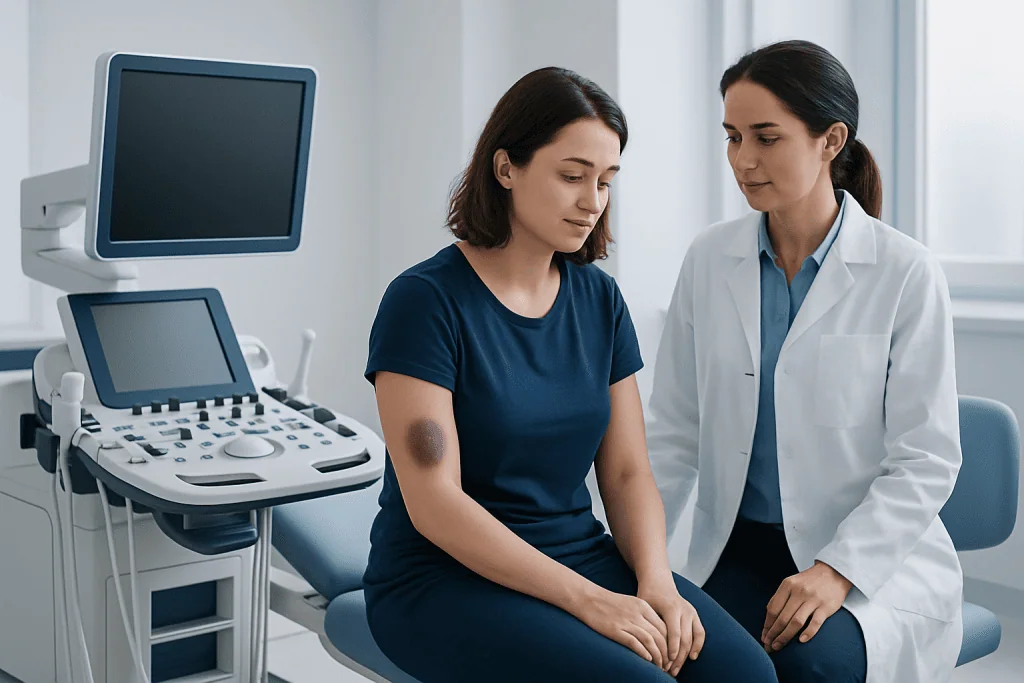
A typical bruise is tender at first and then changes color as blood breaks down beneath the skin. It may feel sore for a few days and then gradually improve. Bruises are common on the lower legs, thighs, and forearms because these areas are often bumped in daily life.
Symptoms that deserve closer attention include very large bruises, bruises that keep appearing, bruises in unusual places such as the back, abdomen, or face without a known injury, and bruising that is painful or swollen out of proportion to the event. Some people also notice petechiae, which are tiny pinpoint red or purple spots caused by small amounts of bleeding under the skin.
Other bleeding symptoms can help a doctor understand whether easy bruising may be part of a broader problem. These may include frequent nosebleeds, bleeding gums, unusually heavy menstrual bleeding, blood in the urine or stool, or prolonged bleeding after a cut, dental work, or surgery. If fatigue, weight loss, fever, jaundice, or enlarged lymph nodes occur along with bruising, a more complete medical review is especially important.
Common causes and risk factors

One of the most common reasons for unexplained bruising is simply unnoticed minor trauma. Skin becomes more delicate with age, and the protective fat layer beneath the skin can thin. Family tendency also matters; some people naturally bruise more easily than others even when blood tests are normal.
Medicines and supplements are another major cause. Blood thinners, aspirin, some nonsteroidal anti-inflammatory drugs, corticosteroids, and certain antidepressants can increase bruising risk. Fish oil, ginkgo, garlic supplements, and high alcohol intake may also affect bleeding in some people. This does not mean these treatments should be stopped without guidance, but it is worth discussing them with a clinician.
Nutritional deficiencies can contribute as well. Low vitamin C can affect blood vessel strength, and low vitamin K may interfere with normal clotting. Bruising may also be seen in liver disease because the liver helps make clotting proteins. Conditions that affect platelets or coagulation, including hemophilia and von Willebrand disease, can make bruising more frequent. In some cases, doctors also consider blood-related illnesses such as leukemia, especially if bruising occurs with recurrent infections, fatigue, or unusual bleeding.
- Older age and thinner skin
- Frequent physical activity or unnoticed minor bumps
- Blood-thinning medicines or aspirin use
- Steroid treatment
- Alcohol misuse or liver disease
- Vitamin deficiencies or poor nutrition
- Inherited bleeding disorders
How doctors evaluate unexplained bruising
Assessment usually begins with a careful history. A doctor will ask when the bruising started, where it appears, whether it follows injury, and whether there are other bleeding symptoms. They will also ask about medicines, supplements, alcohol use, family history of bleeding problems, heavy periods, recent infections, and any prior surgeries or dental procedures that caused excessive bleeding.
The physical examination looks at the size, number, and location of bruises and checks for signs such as petechiae, joint swelling, enlarged liver or spleen, lymph node enlargement, or jaundice. This helps distinguish simple bruising from patterns that suggest a platelet problem, a clotting factor disorder, or another medical condition.
Blood tests may include a complete blood count to assess hemoglobin and platelets, and clotting tests such as prothrombin time and activated partial thromboplastin time. Depending on the history, a doctor may also order liver function tests, kidney tests, vitamin levels, or more specialized coagulation studies. If a bleeding disorder is suspected, further evaluation may include targeted testing and consultation with hematology. In some situations, doctors use additional diagnostics to look for internal bleeding or another underlying cause, and MRI or CT scan can be helpful when symptoms point beyond the skin findings alone.
Treatment depends on the cause
There is no single treatment for unexplained bruising because care depends on why it is happening. If bruises are due to minor injury and no serious cause is found, they usually heal on their own. Rest, gentle cooling with an ice pack wrapped in cloth for short periods, and elevating the affected area can reduce discomfort and swelling in the first day or two.
When medicines are contributing, a clinician may review whether the current treatment remains appropriate or whether an alternative is possible. People should not stop prescribed blood thinners, aspirin, or steroids on their own, because the reason they were prescribed may be important for safety. If nutritional issues are suspected, treatment may include improving diet or correcting a confirmed deficiency under medical guidance.
If an underlying disorder is diagnosed, management is directed at that condition. This may include specialist care for a clotting problem, treatment of liver disease, or evaluation by a blood specialist if platelet or bone marrow disorders are suspected. In selected cases, doctors may recommend further blood work or tissue analysis such as bone marrow biopsy to clarify the diagnosis. For international patients who need coordinated evaluation, Acibadem International’s multidisciplinary specialists in JCI-accredited hospitals diagnose and treat bleeding and blood-related conditions in an integrated setting.
Practical self-care and ways to reduce bruising risk
Self-care starts with protecting the skin and paying attention to possible triggers. Wearing long sleeves or leg coverings during gardening, sports, or household tasks can reduce minor trauma. Good lighting at home, removing tripping hazards, and using supportive footwear may help people who bruise after frequent knocks to the legs or arms.
It is also sensible to keep a simple record if bruising is recurrent. Note when bruises appear, their size, where they occur, and whether there was exercise, pressure, or injury beforehand. A medication and supplement list is especially useful during a medical visit, since many people do not realize that over-the-counter products can affect bleeding.
General health measures may also help. Eating a balanced diet with enough fruits, vegetables, and protein supports skin and blood vessel health. Limiting alcohol, following advice for chronic conditions, and attending regular checkups can reduce the chance that an underlying issue is missed. Self-care is helpful, but it should not replace professional assessment when bruising is new, persistent, or associated with other symptoms.
When to seek medical care
Medical review is advisable if bruises are frequent, large, unusually painful, or appearing in places not typically injured. It is also important to seek care if bruising is accompanied by nosebleeds, bleeding gums, heavy menstrual bleeding, blood in the urine or stool, or bleeding that is difficult to stop after minor cuts.
Prompt assessment is especially important if bruising starts suddenly after beginning a new medication, or if there are symptoms such as fever, fatigue, night sweats, pale skin, jaundice, or unexplained weight loss. Children, older adults, and people with known liver disease, kidney disease, or a history of bleeding disorders should be evaluated sooner rather than later if bruising changes noticeably.
Emergency care is needed after a significant head injury, if a bruise rapidly expands, if there is severe swelling or intense pain, or if bruising occurs with fainting, chest pain, shortness of breath, weakness on one side, confusion, or heavy active bleeding. These situations may point to more serious internal bleeding or another urgent problem that requires immediate attention.
Frequently asked questions
Is unexplained bruising always a sign of a serious condition?
No. Many people develop bruises after minor bumps they do not remember, and aging skin or certain medicines can make bruising easier. However, repeated or unusual bruising should be discussed with a doctor to rule out a bleeding or medical problem.
Why do bruises seem to appear more often with age?
As skin ages, it becomes thinner and loses some of the protective tissue that cushions blood vessels. This makes small blood vessels easier to injure, so bruises can happen after mild contact that might not have caused a bruise before.
Can vitamins affect bruising?
Yes. Low levels of nutrients such as vitamin C or vitamin K can contribute to bruising in some people. A doctor can help decide whether testing or dietary changes are needed rather than guessing based on symptoms alone.
Which medications commonly increase bruising?
Blood thinners, aspirin, some anti-inflammatory pain relievers, and corticosteroids are common examples. Some supplements can also affect bleeding, so it is important to bring a full list of prescription, over-the-counter, and herbal products to a medical appointment.
What tests are usually done for easy bruising?
Doctors often begin with a medical history, physical examination, and blood tests such as a complete blood count and clotting studies. Additional tests depend on the pattern of bruising and whether there are other symptoms, such as signs of liver disease or heavy bleeding.
When should bruising be treated as urgent?
Urgent evaluation is needed if bruising follows a head injury, expands quickly, or occurs with severe bleeding, fainting, confusion, weakness, or trouble breathing. These symptoms can signal internal bleeding or another emergency and should not be ignored.
This article is for general information only and is not a substitute for professional medical advice. Please consult a qualified doctor about your individual situation.
Explore treatments in Turkey — costs, top hospitals & a free quote
JCI-accredited · board-certified surgeons · reply within 24h
Add us as a Preferred Source to see more of our trusted health content across Google Search, AI Overviews and Discover.

More from the Health Library

Genital Psoriasis — Explained by Medical Evidence, Not Myths

Respite Care: A Complete Medical Overview

Hallux Rigidus — Explained by Medical Evidence, Not Myths

Mcl Tear: A Complete Medical Overview

Peppermint Tea Benefits — Explained by Medical Evidence, Not Myths