Uterus Explained: Causes, Management, and When to See a Doctor
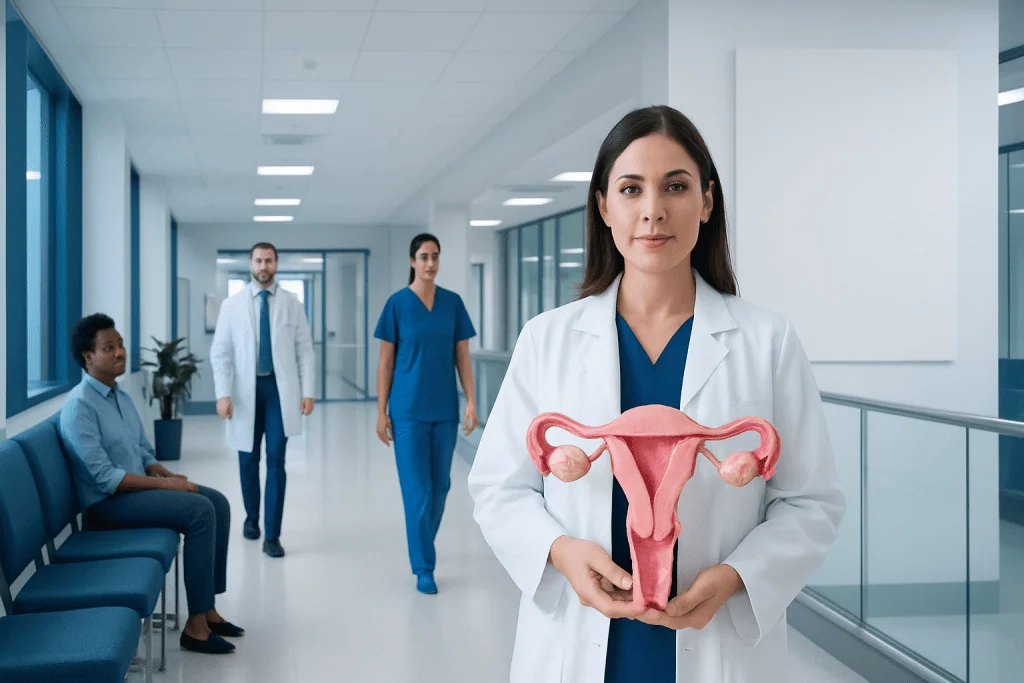
The uterus supports menstruation, implantation, pregnancy, and labor. Common uterus-related symptoms include abnormal bleeding, pelvic pain, pressure, and changes in fertility.
Key Takeaways
- The uterus supports menstruation, implantation, pregnancy, and labor.
- Common uterus-related symptoms include abnormal bleeding, pelvic pain, pressure, and changes in fertility.
- Conditions affecting the uterus include fibroids, adenomyosis, polyps, endometriosis-related changes, infection, and cancer.
- Diagnosis may involve a pelvic exam, ultrasound, laboratory tests, and sometimes hysteroscopy or MRI.
- Treatment depends on the cause and may include monitoring, medicines, minimally invasive procedures, or surgery.
- Medical review is important for heavy bleeding, bleeding after menopause, severe pain, or trouble getting pregnant.
The uterus is a hollow, muscular organ in the pelvis that plays a central role in menstruation, fertility, and pregnancy. Understanding how the uterus works and what symptoms may signal a problem can help people seek timely care and protect long-term reproductive health.
Overview: What the uterus is and what it does
The uterus is a pear-shaped, muscular organ located in the pelvis between the bladder and the rectum. It is part of the female reproductive system and is sometimes called the womb. Its main functions are to respond to monthly hormonal changes, allow implantation of a fertilized egg, support a growing pregnancy, and contract during labor.
The wall of the uterus has several layers. The inner lining, called the endometrium, thickens during the menstrual cycle and sheds during a period if pregnancy does not occur. The middle layer, called the myometrium, is made of muscle and helps the uterus stretch during pregnancy and contract during menstruation and childbirth.
The uterus works closely with the ovaries, fallopian tubes, cervix, and vagina. Hormones such as estrogen and progesterone guide its monthly cycle. Because the uterus is influenced by hormones and blood flow, symptoms such as cramping, heavy bleeding, or pressure can develop for many different reasons.
How uterus problems may feel
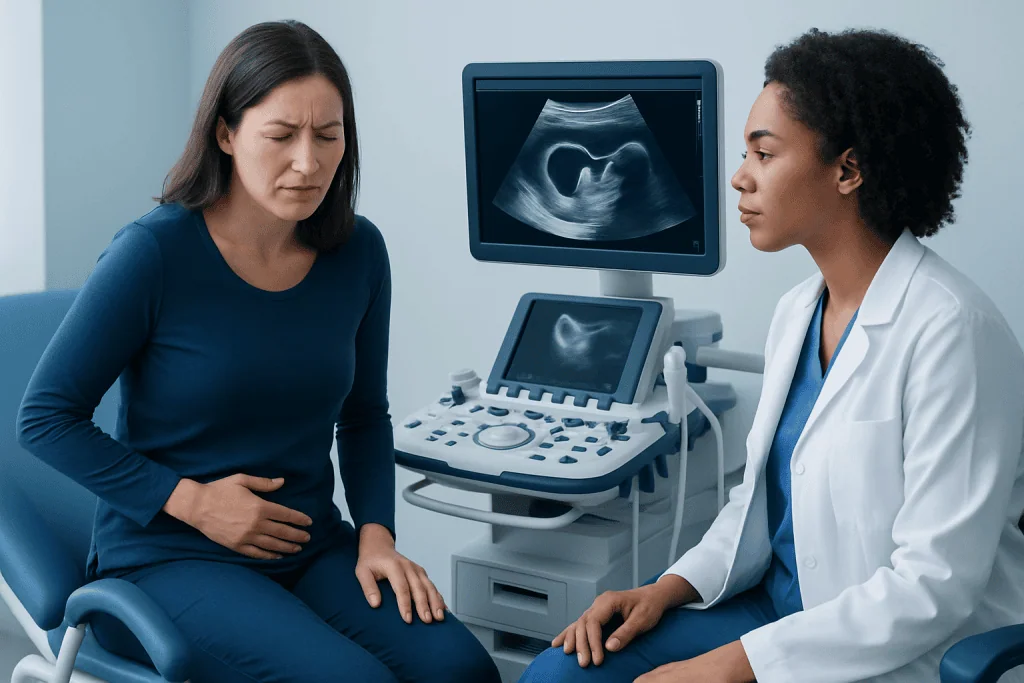
Some uterus conditions cause no symptoms and are found during a routine examination or imaging test. When symptoms do happen, they often involve bleeding, pain, pelvic pressure, or reproductive concerns. The pattern of symptoms can offer clues, but it does not confirm a diagnosis on its own.
Bleeding changes are among the most common concerns. This may include very heavy periods, bleeding between periods, periods lasting longer than usual, or bleeding after menopause. Pain may feel like strong menstrual cramps, ongoing pelvic aching, pain during sex, or lower back discomfort.
Pressure symptoms can happen when the uterus is enlarged or when growths such as fibroids are present. A person may notice frequent urination, constipation, bloating, or a feeling of fullness in the lower abdomen. In some cases, uterus-related conditions can also affect fertility, implantation, or pregnancy outcomes.
- Heavy or prolonged menstrual bleeding
- Bleeding between periods or after menopause
- Pelvic pain, cramping, or pressure
- Pain during sex
- Difficulty becoming pregnant
- Repeated pregnancy loss in some cases
Common causes and conditions that affect the uterus
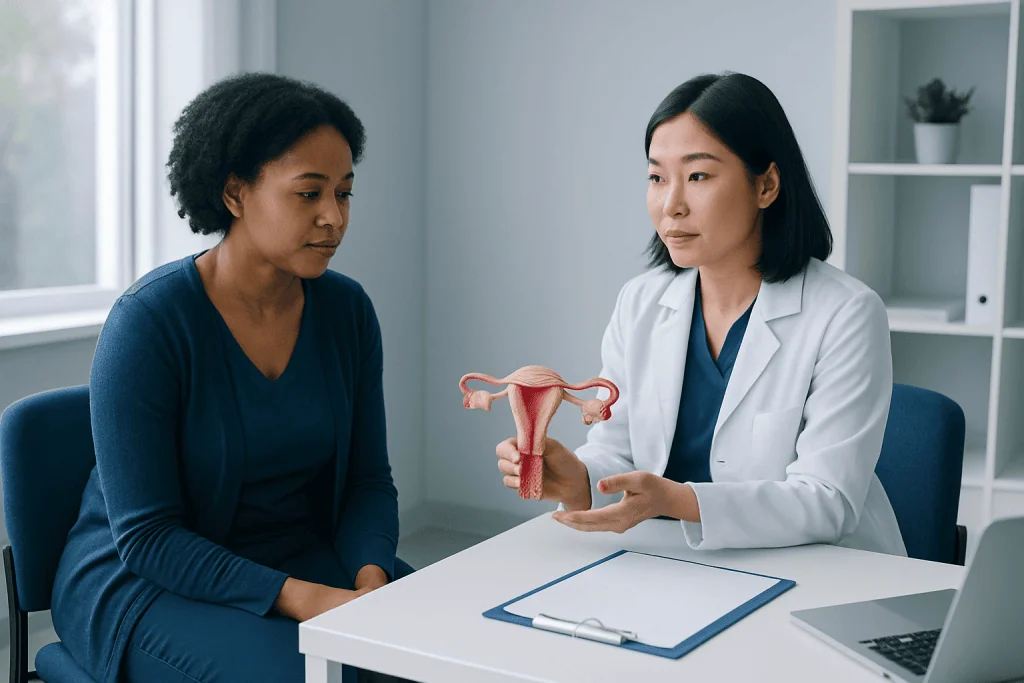
A range of conditions can affect the uterus. Some are benign, meaning non-cancerous, while others require urgent evaluation. Common examples include uterine fibroids, which are muscular growths in the uterus, and endometrial polyps, which are tissue growths in the lining. These may lead to heavy bleeding, pelvic pressure, or fertility difficulties depending on their size and location.
Adenomyosis is another condition in which tissue similar to the uterine lining grows into the muscle wall, often causing heavy periods and painful cramping. endometriosis is a separate but related condition in which tissue similar to the uterine lining grows outside the uterus and can cause pelvic pain, painful periods, and fertility problems. Infections involving the reproductive tract may also lead to pain, fever, or abnormal discharge.
Structural changes can affect the shape or position of the uterus. Congenital differences, scar tissue, or prolapse may contribute to symptoms in some people. In older adults, postmenopausal bleeding raises concern for changes in the lining of the uterus and should always be medically assessed to rule out precancerous or cancerous causes such as endometrial cancer.
Risk factors vary by condition but may include age, hormone exposure, family history, obesity, previous uterine surgery, chronic inflammation, or certain reproductive patterns. Even so, having a risk factor does not mean a person will develop a uterine disorder, and symptoms should be evaluated in context.
How doctors diagnose uterus conditions
Diagnosis begins with a careful history. A doctor may ask about menstrual patterns, pain, pregnancy history, fertility concerns, medication use, and any family history of gynecologic conditions. This is usually followed by a physical and pelvic examination to look for tenderness, enlargement, or other changes.
Pelvic ultrasound is often the first imaging test used to examine the uterus. It can help identify fibroids, polyps, thickening of the uterine lining, or structural differences. In some cases, a transvaginal ultrasound gives clearer detail. MRI may be recommended when additional imaging is needed, especially for complex fibroids or adenomyosis.
Other tests depend on the symptoms. Blood tests may check for anemia from heavy bleeding or hormone-related issues. A hysteroscopy allows a doctor to look inside the uterus with a thin camera, and a biopsy may be used to sample the uterine lining if abnormal cells are a concern. For infertility evaluation, additional testing of the uterus and fallopian tubes may also be suggested.
Treatment options for uterus-related problems
Treatment depends on the exact diagnosis, the severity of symptoms, age, overall health, and whether pregnancy is desired. Some people only need observation, especially if symptoms are mild and imaging shows a benign condition. Others benefit from medicines to reduce pain, control bleeding, or manage hormone-related changes.
Minimally invasive procedures may be considered when symptoms affect daily life or when medicines do not help enough. For example, hysteroscopy can remove some polyps or small growths inside the uterine cavity. In selected cases, surgery may be advised to remove fibroids while preserving the uterus through myomectomy, or to treat severe disease with hysterectomy when appropriate.
For people with pain linked to tissue growing outside the uterus, treatment may include medicines or endometriosis treatment tailored to symptoms and fertility plans. If cancer is suspected or confirmed, care is guided by a gynecologic oncology team. Fertility-focused planning may also involve IVF treatment when uterine or related reproductive factors affect conception.
Because uterine conditions vary widely, treatment should be individualized. A shared decision with a gynecologist can help balance symptom relief, recovery time, future pregnancy goals, and long-term health.
Prevention, monitoring, and self-care
Not all uterus conditions can be prevented, but regular gynecologic care can help detect changes early. Tracking menstrual cycles is especially useful. Recording bleeding volume, pain patterns, spotting between periods, and any pressure symptoms can make it easier to recognize when something has changed and to explain concerns clearly during a medical visit.
General health measures can also support reproductive well-being. Maintaining a healthy weight, staying physically active, managing chronic conditions, and following medical advice for hormone use may reduce risk for some uterine problems. Good sexual health practices and prompt treatment of infections can also help protect the reproductive organs.
Self-care does not replace medical evaluation, but it can help manage symptoms while waiting for assessment. This may include rest, heat for cramping, hydration, and using doctor-approved pain relief. Ongoing heavy bleeding, severe pain, or bleeding after menopause should not be treated as routine and should be discussed with a clinician.
When to seek medical care
Medical review is recommended if uterine symptoms are new, persistent, or worsening. A person should arrange an appointment for heavy periods, bleeding between periods, pain that disrupts work or sleep, pelvic pressure, pain during sex, or trouble becoming pregnant. These symptoms are often treatable, but they should be properly assessed rather than assumed to be normal.
Urgent care may be needed for very heavy bleeding, fainting, severe sudden pelvic pain, fever with pelvic pain, or symptoms during pregnancy. Bleeding after menopause always deserves prompt evaluation. Early medical attention can help identify the cause and guide safer treatment choices.
For people seeking coordinated care, Acibadem International’s multidisciplinary specialists and JCI-accredited hospitals diagnose and treat uterine conditions for international patients. A gynecologist can help decide whether observation, medication, imaging follow-up, or a procedure is the most appropriate next step.
Frequently asked questions
What is the uterus?
The uterus is a hollow, muscular organ in the pelvis that is part of the female reproductive system. It is where menstrual lining builds and sheds, and where a pregnancy develops if fertilization occurs.
Can uterus problems cause heavy periods?
Yes. Conditions such as fibroids, adenomyosis, polyps, hormonal changes, and abnormalities of the uterine lining can all contribute to heavy or prolonged bleeding. A doctor can help identify the cause and recommend appropriate treatment.
Is pelvic pain always caused by the uterus?
No. Pelvic pain can come from the uterus, ovaries, bladder, bowel, pelvic floor muscles, or surrounding nerves. Because many conditions can feel similar, diagnosis usually requires a medical history, examination, and sometimes imaging.
When is bleeding abnormal enough to see a doctor?
Bleeding should be evaluated if it is much heavier than usual, lasts longer than expected, happens between periods, or occurs after menopause. It is also important to seek care if bleeding causes dizziness, weakness, or signs of anemia.
Can uterus conditions affect fertility?
They can. Some conditions may interfere with implantation, distort the uterine cavity, increase inflammation, or affect pregnancy maintenance. Not every uterine condition causes infertility, but evaluation is important when conception is delayed.
How are uterus conditions usually treated?
Treatment depends on the diagnosis and the person's symptoms and reproductive goals. Options may include monitoring, medications, minimally invasive procedures, or surgery, and treatment plans are usually individualized.
References
- World Health Organization
- American College of Obstetricians and Gynecologists
- National Institutes of Health
- Mayo Clinic
- Office on Women's Health
This article is for general information only and is not a substitute for professional medical advice. Please consult a qualified doctor about your individual situation.
IVF & fertility treatment in Turkey — success rates and costs
JCI-accredited · board-certified surgeons · reply within 24h
Add us as a Preferred Source to see more of our trusted health content across Google Search, AI Overviews and Discover.