Valley Fever Symptoms Explained: Common Triggers and Red Flags

Valley fever symptoms often start 1 to 3 weeks after breathing in fungal spores. Many cases are mild, but some people develop prolonged fatigue, pneumonia-like illness, or spread of infection beyond the lungs.
Key Takeaways
- Valley fever symptoms often start 1 to 3 weeks after breathing in fungal spores.
- Many cases are mild, but some people develop prolonged fatigue, pneumonia-like illness, or spread of infection beyond the lungs.
- A history of living in or traveling to dry, dusty regions is an important clue.
- Persistent cough, worsening shortness of breath, high fever, or symptoms in people at higher risk should prompt medical evaluation.
- Diagnosis usually involves a physical exam, medical history, blood tests, and sometimes chest imaging.
Valley fever symptoms commonly include cough, fever, tiredness, chest discomfort, and muscle or joint aches, but some people have no symptoms at all. Because it can look like a cold, flu, or other lung infection, diagnosis often depends on where a person has traveled or lived and whether symptoms continue longer than expected.
Overview: What Valley Fever Symptoms Usually Feel Like
Valley fever symptoms are most often similar to a flu-like or chest infection. A person may notice fever, cough, unusual tiredness, chest discomfort, headache, or aching muscles and joints. In some cases, symptoms are mild and improve on their own, while in others they last for weeks or become more troublesome.
Valley fever, also called coccidioidomycosis, is caused by breathing in spores of a fungus that lives in soil in certain dry regions. It is not usually spread from person to person. The lungs are the first part of the body affected, so the earliest symptoms are often respiratory.
Not everyone who inhales the fungus becomes sick. Some people never develop symptoms, and others only find out they were exposed when a blood test or chest X-ray is done for another reason. When symptoms do appear, they can resemble viral infections, bacterial pneumonia, or other lung infections.
Common Symptoms and Less Obvious Signs
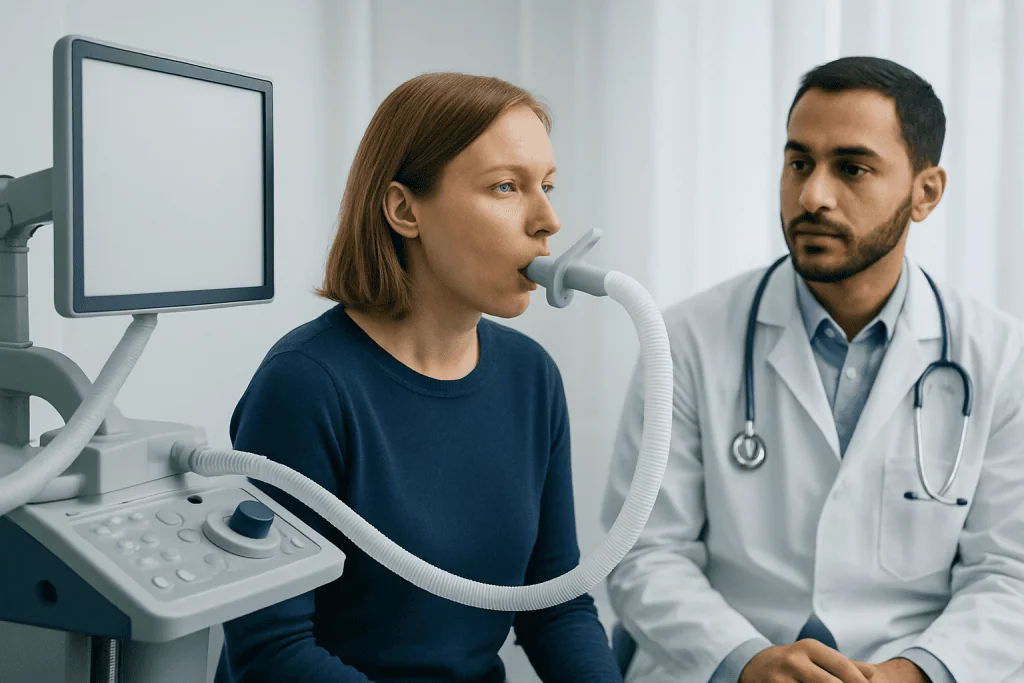
The most common valley fever symptoms include cough, fever, fatigue, chills, shortness of breath, and chest pain that may feel worse with deep breathing or coughing. Many people also report body aches, headaches, night sweats, and a general feeling of weakness. Fatigue can sometimes last longer than the fever or cough and may continue during recovery.
Some signs are less obvious but still important. A red, tender rash can appear, especially on the lower legs, and some people develop painful red bumps known as erythema nodosum. Joint pain, especially in the ankles or knees, may be prominent enough that the illness is sometimes informally called “desert rheumatism.”
Symptoms can vary from person to person. Some have mainly a dry cough and tiredness, while others feel as though they have a more significant chest illness, with fever and difficulty breathing. Because there is no single symptom pattern that confirms the diagnosis, the full clinical picture matters.
- Common: cough, fever, fatigue, chest pain, headache
- Also possible: rash, joint aches, muscle pain, chills, night sweats
- Sometimes absent: a person may have no symptoms despite exposure
What Triggers Valley Fever and Who Is More Likely to Get It

Valley fever symptoms begin after a person breathes in microscopic fungal spores from the air. These spores are often released when soil is disturbed by wind, dust storms, construction, farming, digging, or outdoor activities in dry areas. The condition is linked to specific geographic regions where the fungus naturally lives in the soil, especially parts of the southwestern United States and some areas of Central and South America.
Exposure does not always lead to illness, but certain situations increase the chance of infection. Working outdoors in dusty conditions, spending time in areas with recent soil disruption, or traveling to endemic regions can all raise risk. A recent trip is an important detail to share with a doctor if respiratory symptoms follow.
Some people are more likely to develop severe disease or complications. This includes people with weakened immune systems, pregnant women, older adults, and those with chronic medical conditions. In a smaller number of cases, infection can spread beyond the lungs to the skin, bones, joints, or nervous system, causing more serious complications such as meningitis.
Symptom Timing, Progression, and Red Flags
Valley fever symptoms usually start 1 to 3 weeks after exposure, although many people do not realize when that exposure happened. Early symptoms may seem like a mild viral illness and include fever, cough, and low energy. In uncomplicated cases, these symptoms gradually improve, but recovery can be slower than expected.
Some people continue to feel very tired for weeks or months, even after the initial fever settles. Others develop a more pneumonia-like illness with ongoing cough, weight loss, worsening chest pain, or shortness of breath. A doctor may suspect valley fever when symptoms do not follow the usual pattern of a routine cold or flu.
Red flags include trouble breathing, persistent high fever, confusion, severe headache, neck stiffness, coughing up blood, or symptoms that keep worsening instead of improving. Signs of spread beyond the lungs, such as severe bone pain, new skin lesions, or neurological symptoms, need prompt medical attention. These symptoms do not always mean severe valley fever, but they should not be ignored.
How Doctors Diagnose Valley Fever
Diagnosis starts with a medical history and physical examination. A clinician will usually ask about symptoms, recent travel, work or outdoor exposure, and whether the person lives in a dry or dusty region where the fungus is known to exist. This history is especially important because valley fever can resemble many other illnesses.
Blood tests are commonly used to look for antibodies or other signs of infection. Depending on the situation, doctors may also request a chest X-ray or CT scan to evaluate cough, chest pain, or suspected pneumonia. If sputum or tissue samples are needed, they are collected carefully to help identify the fungus.
Testing also helps distinguish valley fever from other causes of persistent respiratory symptoms, including bacterial pneumonia, viral infections, or other fungal illnesses. In some cases, a person with lingering symptoms may need chest imaging such as a CT scan or bronchoscopy if the diagnosis remains unclear and a closer look at the airways is needed.
Treatment Options and What Recovery May Look Like
Many people with mild valley fever symptoms improve with rest, fluids, and careful follow-up. Doctors may recommend supportive care while monitoring symptoms over time. Because the illness can mimic bacterial pneumonia, it is important not to self-diagnose; a clinician can decide whether observation alone is reasonable or whether antifungal treatment is needed.
Antifungal medicines may be used when symptoms are severe, prolonged, or affecting someone at higher risk of complications. Treatment decisions depend on overall health, immune status, symptom severity, imaging findings, and whether the infection appears limited to the lungs or has spread. Follow-up visits are important to make sure recovery is moving in the right direction.
If respiratory symptoms are significant, a doctor may also assess lung function and oxygen levels. In more complex cases, especially when chest symptoms persist, care may involve specialists familiar with pulmonary evaluation and fungal lung infections. Recovery varies: some people feel better within weeks, while others notice fatigue for much longer.
Prevention and Self-Care
It is not always possible to prevent valley fever completely in areas where the fungus is common, but reducing dust exposure can help. During dusty weather or activities that disturb soil, practical steps include staying indoors when possible, closing windows, wetting soil before digging, and using appropriate respiratory protection in higher-risk work settings.
For people recovering from valley fever, self-care focuses on gradual recovery. Rest is helpful, but so is returning to activity slowly as strength improves. Good hydration, balanced meals, and avoiding smoking or other lung irritants may support comfort while the body heals.
People with weakened immune systems or other conditions that increase risk should discuss travel, work exposure, and symptom monitoring with a healthcare professional. If symptoms return after seeming to improve, or if fatigue remains unusually severe, follow-up is sensible rather than simply waiting it out.
When to Seek Medical Care
Medical care is important if valley fever symptoms are persistent, worsening, or unusually severe. A person should contact a doctor if they have ongoing cough, fever, chest pain, or fatigue after travel to or residence in a region where valley fever occurs, especially if symptoms last longer than expected for a routine viral illness.
Urgent evaluation is needed for trouble breathing, severe weakness, dehydration, coughing up blood, confusion, severe headache, or neck stiffness. People who are pregnant, immunocompromised, older, or living with chronic illnesses should seek advice earlier because they may be at greater risk of complications.
Near the end of the care pathway, some patients benefit from coordinated specialist assessment if symptoms are complicated or prolonged. Acibadem International’s multidisciplinary specialists and JCI-accredited hospitals diagnose and treat respiratory and infectious conditions for international patients when further evaluation is needed.
Frequently asked questions
What are the first valley fever symptoms?
Early valley fever symptoms often resemble flu or a mild chest infection. Common first signs include cough, fever, tiredness, headache, and muscle or joint aches.
Can valley fever symptoms go away on their own?
Yes, many mild cases improve without specific antifungal treatment. Even so, symptoms can last longer than a typical cold, so a doctor should evaluate persistent or worsening illness.
How is valley fever different from a regular cold or flu?
Valley fever may start like a cold or flu, but it is caused by a fungus inhaled from soil rather than a common respiratory virus. A history of living in or traveling to dusty endemic regions and symptoms that linger are important clues.
Does everyone exposed to the fungus get sick?
No, many people who inhale the spores never develop symptoms. Others have mild illness, while a smaller group develops more significant lung disease or complications.
When should someone worry about valley fever symptoms?
Medical attention is important if symptoms are severe, continue for more than expected, or include shortness of breath, chest pain, high fever, or coughing up blood. People with weakened immune systems, pregnancy, or chronic illness should seek advice sooner.
Can valley fever spread to other parts of the body?
In some cases, yes. Although the lungs are usually affected first, the infection can rarely spread to the skin, bones, joints, or nervous system and requires prompt specialist care.
This article is for general information only and is not a substitute for professional medical advice. Please consult a qualified doctor about your individual situation.
Joint and spine care in Turkey — expert assessment & treatment
JCI-accredited · board-certified surgeons · reply within 24h
Add us as a Preferred Source to see more of our trusted health content across Google Search, AI Overviews and Discover.

More from the Health Library

How to Get Rid of Flies? A Doctor-Reviewed Answer

Can You Eat After a Filling? Here Is What the Evidence Says

Does Mustard Help with Cramps? A Doctor-Reviewed Answer

How to Prevent Stretch Marks During Body Changes

Can Teething Cause Runny Nose? A Doctor-Reviewed Answer

What Is Mosaic Down Syndrome? Causes, Explanations, and Next Steps
Infectious Diseases & Clinical Microbiology Specialists at Acibadem

Prof. Dr. Süda Tekin
Infectious Diseases & Clinical Microbiology
Prof. Dr. A. Çağrı Büke
Infectious Diseases & Clinical Microbiology
Dr. Ahmad Nejat Ghaffarı
Infectious Diseases & Clinical Microbiology
Assoc. Prof. Dr. Aslıhan Demirel
Infectious Diseases & Clinical Microbiology