Vein Ablation: A Complete Medical Overview
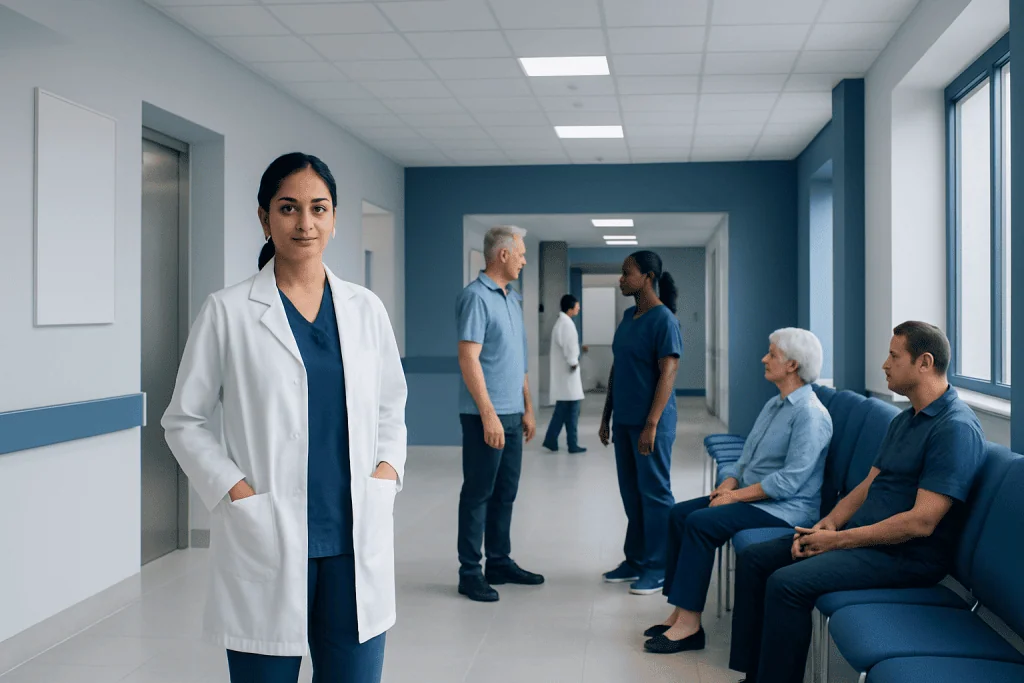
Vein ablation treats refluxing leg veins that allow blood to flow backward and pool in the legs. Thermal ablation uses heat from radiofrequency energy or laser energy to seal the targeted vein.
Key Takeaways
- Vein ablation treats refluxing leg veins that allow blood to flow backward and pool in the legs.
- Thermal ablation uses heat from radiofrequency energy or laser energy to seal the targeted vein.
- The procedure is usually performed with local anesthetic and ultrasound guidance, often as an outpatient treatment.
- Walking soon after treatment is commonly encouraged, while prolonged immobility and strenuous activity may be limited temporarily.
- Vein ablation does not remove all veins or impair overall circulation; it closes veins that are no longer working effectively.
- New varicose veins can develop over time, so follow-up and long-term vein health measures remain important.
Vein ablation is a minimally invasive procedure used to close poorly functioning veins, most often in the legs. It can reduce symptoms such as aching, swelling and heaviness caused by chronic venous insufficiency or varicose veins, while blood is redirected through healthier veins.
Vein Ablation: What It Is and How It Helps
Vein ablation is a minimally invasive treatment that closes an unhealthy vein, usually a superficial vein in the leg. It is most commonly used when valves inside a vein do not close properly. This problem, called venous reflux, allows blood to move backward and collect in the lower legs rather than returning efficiently to the heart.
The treatment is often recommended for people with symptomatic varicose veins or chronic venous insufficiency. Symptoms may include leg heaviness, aching, throbbing, itching, swelling around the ankles, nighttime cramps, skin changes, or discomfort that worsens after prolonged standing. For some people, treatment may also help reduce the risk of complications related to advanced venous disease, such as skin ulcers.
Although the word “ablation” can sound concerning, the purpose is to close a vein that is already not functioning well. The body naturally redirects blood through nearby healthy veins. The treated vein gradually shrinks and is absorbed by the body over time, while the deep veins continue to carry the main flow of blood back toward the heart.
Why Veins Become Faulty
Leg veins contain small one-way valves that help blood move upward against gravity. When these valves weaken or become damaged, blood can flow backward. Increased pressure then stretches the vein walls and may lead to visible varicose veins, smaller surface veins, swelling, and other symptoms of chronic venous disease.
Several factors can raise the likelihood of venous reflux. Family history is important, and risk may also increase with age, pregnancy, hormonal changes, excess body weight, previous blood clots, leg injury, and occupations or routines involving long periods of standing or sitting. Women are diagnosed with varicose veins more often, but people of any sex can develop venous insufficiency.
Not every visible vein needs treatment. Small spider veins are often mainly cosmetic and may be managed differently from larger refluxing veins. A vascular specialist considers symptoms, examination findings, skin health, and ultrasound results before deciding whether vein ablation is appropriate.
- Commonly treated veins include the great saphenous vein and small saphenous vein.
- Some enlarged side branches may require separate treatment after the main refluxing vein is addressed.
- Deep-vein conditions and arterial circulation should be assessed when clinically indicated before treatment.
Types of Vein Ablation
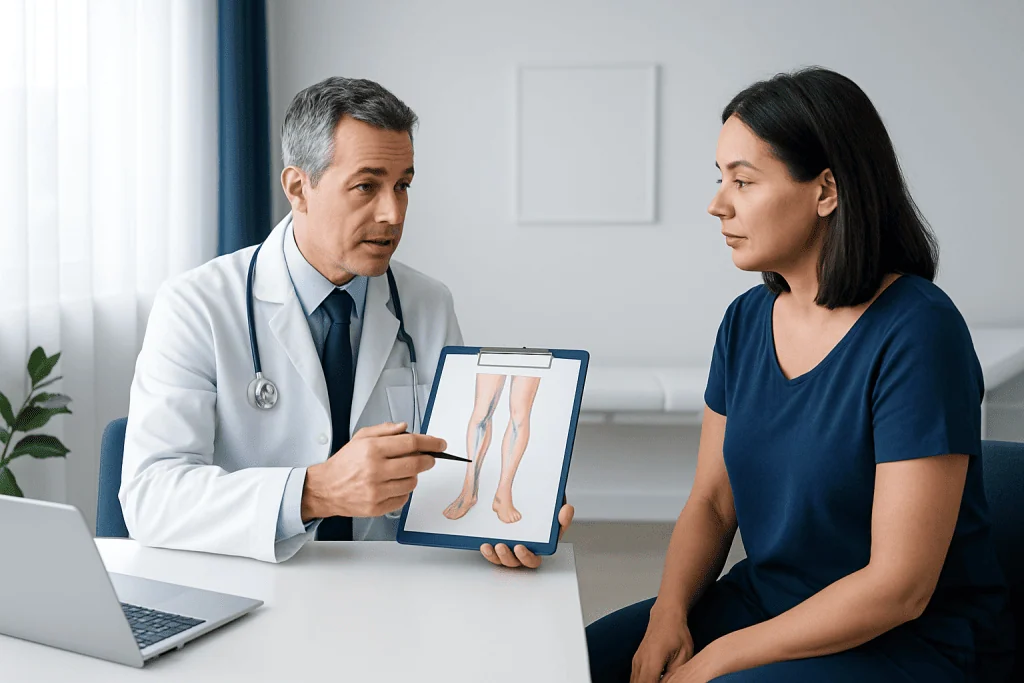
The most established forms of endovenous vein ablation use heat to close the vein from inside. Radiofrequency ablation delivers controlled radiofrequency energy through a thin catheter, while endovenous laser ablation uses laser energy. Both approaches create heat in the vein wall, causing it to seal shut.
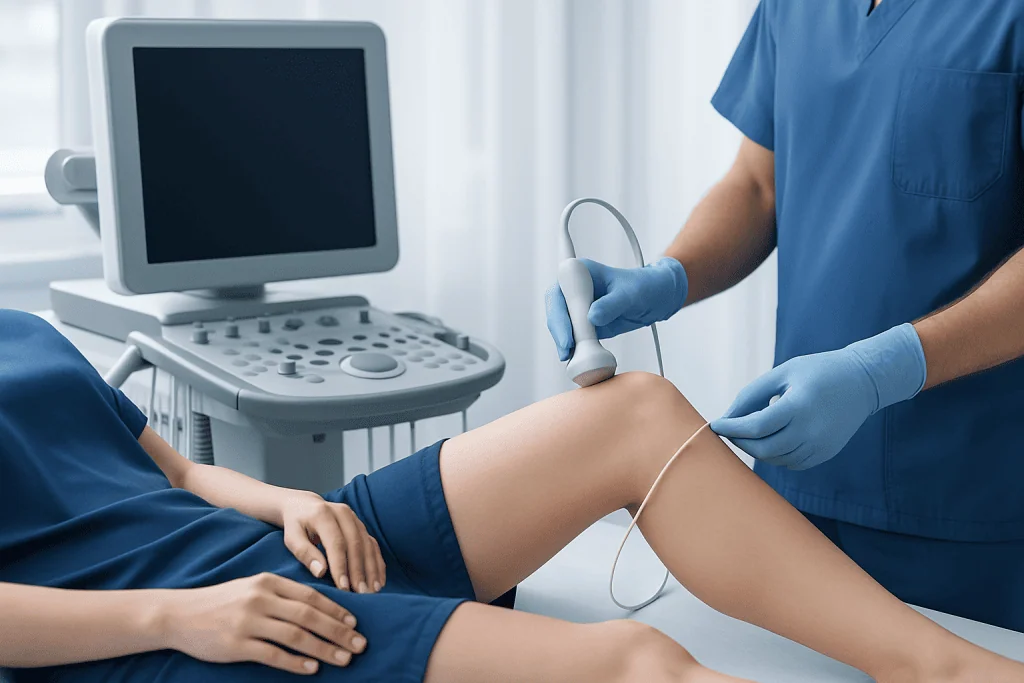
These procedures are generally performed under ultrasound guidance. Ultrasound helps the clinician map the vein, place the catheter accurately, and confirm closure after treatment. Local anesthetic is injected around the target vein, both to numb the area and to protect surrounding tissues from heat. Sedation is not always necessary, although individual needs can vary.
Non-thermal, non-tumescent approaches are also available in some settings. These may use medical adhesive or a medication-based technique to close the vein. The best option depends on the vein’s size and location, the pattern of reflux, medical history, preferences, and the expertise of the treating team. A clinician can explain the expected benefits and limitations of each approach.
Vein ablation is different from surgical vein stripping, which historically involved removing or tying off a vein through incisions. Modern endovenous methods are less invasive for many suitable patients and usually allow an earlier return to everyday activities.
Assessment and Diagnosis Before Treatment
A thorough assessment is important because leg pain, swelling, and visible veins can have more than one cause. A clinician usually asks about symptoms, their effect on daily life, previous clots or vein procedures, medications, pregnancy history where relevant, family history, and other health conditions.
The key test is usually a duplex ultrasound scan. This painless examination combines images of the veins with blood-flow information. It can show whether blood is flowing in the wrong direction, identify the veins involved, check for obstruction or previous clot-related changes, and help plan treatment.
Physical examination may include checking the legs for varicose veins, swelling, skin discoloration, eczema-like irritation, hardened skin, or ulcers. The clinician may also assess pulses and consider whether arterial disease, heart conditions, kidney disease, lymphedema, medication effects, or musculoskeletal problems could be contributing to symptoms.
Compression stockings, regular activity, leg elevation, and weight management may be advised before or alongside a procedure. However, conservative measures may not correct significant vein reflux. When symptoms persist or skin complications are present, vein ablation may be considered after individualized evaluation.
What Happens During and After Vein Ablation
Vein ablation is commonly performed in an outpatient clinic or procedure setting. The person lies down while the leg is cleaned and the target vein is identified with ultrasound. After local anesthetic is given, a small catheter is inserted through a tiny skin puncture and positioned inside the affected vein.
For radiofrequency or laser treatment, anesthetic fluid is placed around the vein before energy is delivered. The catheter is then withdrawn in a controlled way to seal the vein. The procedure itself often takes less than an hour for one vein, though appointment time may be longer to allow for preparation, ultrasound, and recovery instructions.
Afterward, the leg may be wrapped or a compression stocking may be recommended, depending on the technique and clinician’s plan. Walking soon after treatment is commonly encouraged because it supports circulation. Many people can return to light daily activities promptly, but they may be advised to avoid heavy lifting, high-impact exercise, hot baths, or prolonged travel for a short period.
A follow-up ultrasound may be arranged to confirm that the treated vein has closed and to check the deep veins. Bruising, mild soreness, tightness, pulling sensations, or temporary numbness can occur as the vein heals. These effects are usually manageable and tend to improve over time.
Benefits, Limits and Possible Risks
For appropriately selected patients, vein ablation can improve symptoms related to venous reflux and reduce the appearance or progression of varicose veins. People may notice less heaviness, aching, swelling, or fatigue in the legs. Improvements in skin symptoms and healing of venous ulcers may occur when treatment is part of a broader plan for chronic venous disease.
Results vary because symptoms can have multiple causes. Closing a refluxing vein may not resolve discomfort caused by arthritis, nerve problems, arterial disease, lymphedema, or another condition. In addition, treating a main diseased vein does not always eliminate every visible branch vein; additional procedures, such as phlebectomy or sclerotherapy, may be considered in some cases.
Vein ablation is generally considered safe when performed by trained clinicians, but all procedures carry potential risks. These can include bruising, bleeding, skin burns, infection, pigmentation changes, temporary nerve irritation, inflammation of a superficial vein, or an incomplete closure of the treated vein. Rarely, a blood clot can extend into the deep venous system or travel to the lungs.
Before treatment, the clinician should discuss individual risks, alternatives, and warning symptoms. People should provide a complete medical history, including previous deep vein thrombosis, known clotting disorders, anticoagulant use, allergies, pregnancy, active infection, and mobility limitations.
Self-Care, Long-Term Vein Health and When to Seek Medical Care
Healthy habits can support comfort and circulation whether or not a procedure is planned. Regular walking and calf-muscle activity help move blood upward through the legs. Avoiding long uninterrupted periods of sitting or standing, maintaining a weight that is appropriate for the individual, elevating the legs when resting, and using compression garments when advised may also help manage symptoms.
Vein ablation treats a specific faulty vein but cannot remove a person’s tendency to develop venous disease. New varicose veins may form over time, particularly when there is a strong family history or ongoing risk factors. Follow-up care can help identify recurrent symptoms, assess skin health, and discuss further treatment only when needed.
Medical assessment is advisable for persistent leg pain, swelling, heaviness, skin discoloration, itching around the ankles, or veins that are painful or increasingly prominent. Prompt medical care is important for sudden one-sided leg swelling, marked tenderness or redness, a hard painful vein, unexplained shortness of breath, chest pain, coughing blood, or fainting, as these symptoms can require urgent evaluation.
Acibadem International’s multidisciplinary specialists and JCI-accredited hospitals evaluate and treat venous conditions for international patients, with care plans based on clinical assessment and ultrasound findings. A qualified vascular clinician can help determine whether vein ablation, conservative care, or another approach is most suitable.
Frequently asked questions
Is vein ablation painful?
Vein ablation is usually performed with local anesthetic, so pain during the procedure is generally limited. Some people feel pressure, brief stinging from anesthetic injections, or warmth depending on the technique used. Mild soreness, bruising, or a pulling sensation can occur during recovery.
How long does recovery after vein ablation take?
Many people return to walking and light routine activities on the same day or within a day. The exact recovery plan varies by procedure type, the veins treated, and a person’s health needs. Strenuous exercise, heavy lifting, and long periods without movement may be restricted temporarily.
What is the difference between radiofrequency and laser vein ablation?
Both treatments use heat delivered through a catheter to close an unhealthy vein. Radiofrequency ablation uses radiofrequency energy, while laser ablation uses laser energy. Both can be effective, and the choice is based on vein anatomy, clinical factors, available techniques, and clinician recommendation.
Will blood circulation be worse after a vein is closed?
No, closing a refluxing superficial vein is not expected to reduce healthy overall circulation. The treated vein is already functioning poorly, and blood is redirected through other healthy superficial and deep veins. Ultrasound assessment helps confirm that treatment is suitable and that the deep venous system is functioning appropriately.
Can varicose veins return after vein ablation?
The successfully treated vein usually remains closed, but new varicose veins can develop elsewhere over time. This can happen because venous disease may progress or because of inherited and lifestyle-related risk factors. Follow-up, physical activity, and compression when recommended can support long-term vein health.
Who may not be suitable for vein ablation?
Suitability depends on ultrasound findings, symptoms, and overall health. Active infection, certain clotting problems, severe arterial circulation disease, some deep-vein disorders, pregnancy, or inability to walk after treatment may affect timing or treatment choice. A vascular specialist should review individual risks and alternatives.
References
- Society for Vascular Surgery
- American Venous Forum
- National Institute for Health and Care Excellence
- National Heart, Lung, and Blood Institute
- Cleveland Clinic
This article is for general information only and is not a substitute for professional medical advice. Please consult a qualified doctor about your individual situation.
Persistent digestive symptoms? Get evaluated in Turkey
JCI-accredited · board-certified surgeons · reply within 24h
Add us as a Preferred Source to see more of our trusted health content across Google Search, AI Overviews and Discover.