Vein Reflux Disease Treatment: How It Works, Results and What to Expect

Vein reflux occurs when leg-vein valves do not close properly, allowing blood to flow backward and pool in the legs. Compression, regular movement and weight management can help symptoms, but they do not repair severely damaged valves.
Key Takeaways
- Vein reflux occurs when leg-vein valves do not close properly, allowing blood to flow backward and pool in the legs.
- Compression, regular movement and weight management can help symptoms, but they do not repair severely damaged valves.
- Minimally invasive procedures such as endovenous thermal ablation, foam sclerotherapy and adhesive closure can treat selected refluxing veins.
- A duplex ultrasound examination is central to confirming reflux and planning treatment.
- Most people can continue normal daily activity soon after minimally invasive vein procedures, with individual recovery advice from their clinical team.
- Untreated venous insufficiency can progress in some people, so persistent swelling, skin changes or leg ulcers should be assessed.
Vein reflux disease treatment aims to reduce backward blood flow in leg veins by supporting circulation, closing damaged veins or, less commonly, removing them. The most suitable approach depends on symptoms, ultrasound findings, overall health and whether skin changes or ulcers are present.
Overview: How Vein Reflux Disease Treatment Works
Vein reflux disease treatment is designed to improve the direction of blood flow in the legs. In healthy leg veins, small one-way valves help blood return to the heart. When these valves weaken or become damaged, blood can move backward and collect in the veins, particularly when a person is standing. This is also called venous reflux or chronic venous insufficiency.
Treatment does not usually restore damaged valves to their original function. Instead, it supports circulation or closes the vein that is allowing backward flow, so blood is naturally redirected through healthier veins. The aim is to reduce heaviness, aching, swelling, visible varicose veins and skin complications while supporting long-term leg health.
Many people begin with conservative measures such as compression stockings, walking and leg elevation. If symptoms continue or ultrasound shows significant reflux, a vascular specialist may recommend a minimally invasive procedure. Varicose vein treatment may include endovenous techniques that are performed through a small puncture rather than open surgery.
Is Vein Reflux Serious?
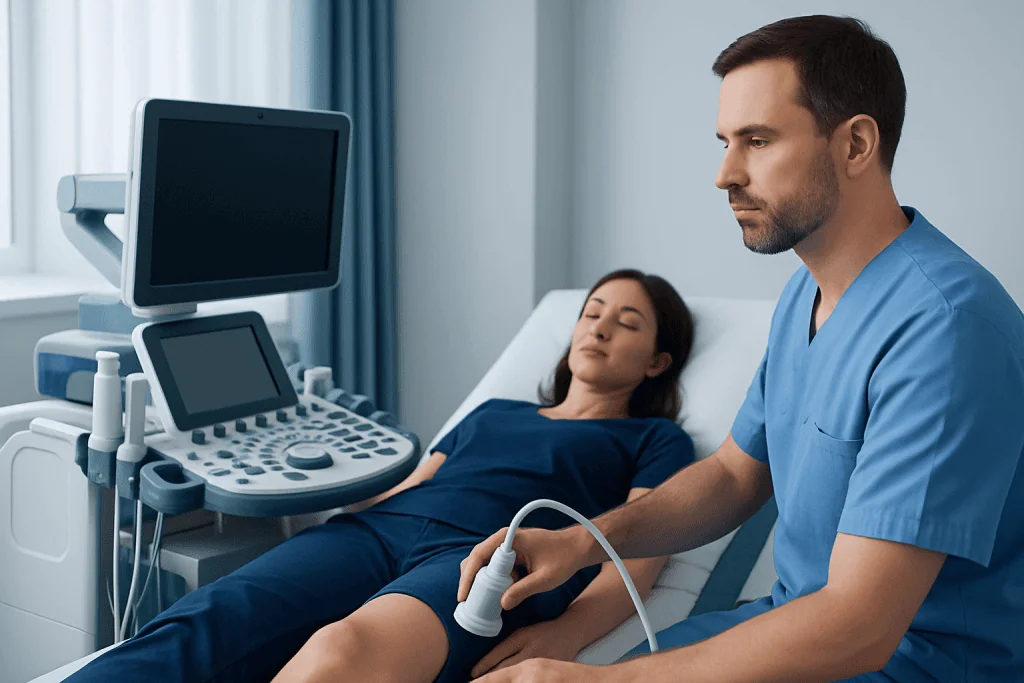
Vein reflux is not usually an immediate emergency, but it can become a significant long-term health issue if symptoms are persistent or the condition progresses. Pressure from pooled blood may lead to increasing swelling, discomfort, varicose veins, itching and changes in skin color or texture around the ankles.
In more advanced cases, chronic venous insufficiency can contribute to inflammation of the skin, thickened tissue and venous leg ulcers. These ulcers can be slow to heal and need professional assessment and care. A clot in a deep vein is a different condition, but sudden one-sided swelling, warmth, redness or pain should be assessed urgently to rule out deep vein thrombosis.
An early assessment can help clarify the cause of leg symptoms and identify whether treatment is likely to be beneficial. Not every visible vein requires a procedure, but skin changes, recurrent inflammation, bleeding from a varicose vein or an ulcer are important reasons to seek specialist advice.
Who May Benefit From Treatment?
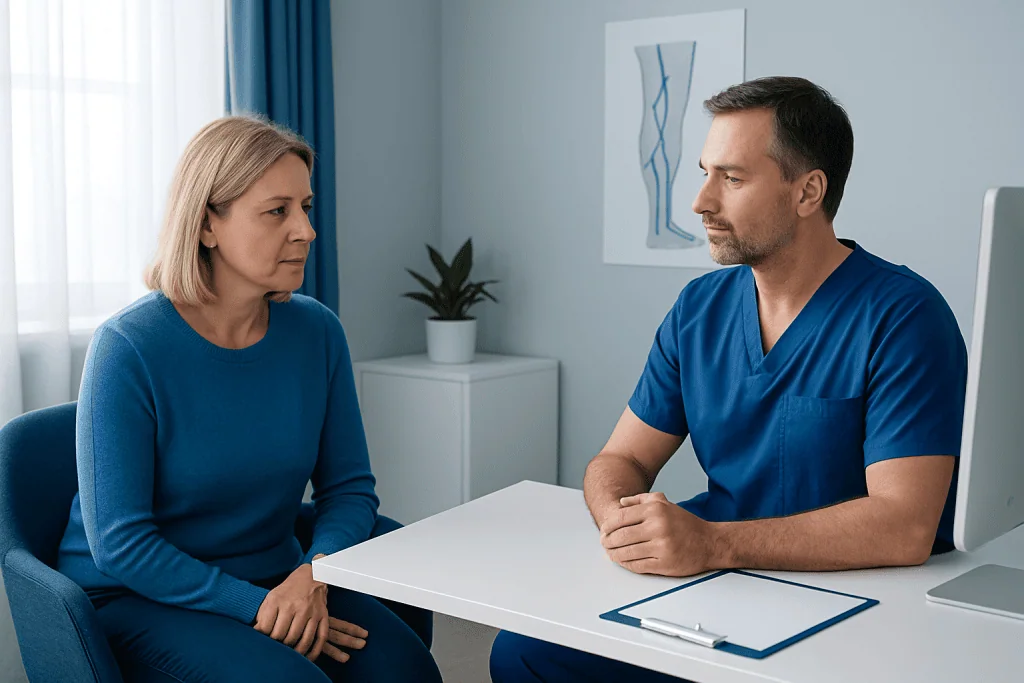
A person may be a candidate for vein reflux disease treatment when duplex ultrasound confirms reflux in superficial veins and symptoms affect comfort, mobility, work or quality of life. Treatment may also be considered for progressive skin changes, recurrent superficial vein inflammation, bleeding varicose veins or venous ulcers.
The assessment considers more than the appearance of veins. A clinician reviews symptoms, medical history, medications, prior blood clots, circulation in the leg arteries, pregnancy status and any history of vein procedures. Duplex ultrasound maps the veins, measures blood-flow direction and helps determine which vein or veins are responsible for the problem.
Pregnancy can temporarily worsen varicose veins and reflux symptoms, so elective procedures are commonly postponed until after delivery and recovery. People with significant arterial disease, active infection, certain clotting concerns or complex deep-vein obstruction may need a different approach. Individual planning is important because vein symptoms can have several causes.
Treatment Options and the Procedure Step by Step
Conservative treatment often includes graduated compression stockings, regular walking, avoiding prolonged sitting or standing where possible, elevating the legs when resting and managing factors that increase pressure in the leg veins. These measures can improve symptoms and may be used before or alongside a procedure. A clinician should advise on compression strength, particularly for people with diabetes, peripheral artery disease or reduced sensation in the feet.
For suitable veins, endovenous thermal ablation uses heat from laser or radiofrequency energy to seal the affected vein from within. Under ultrasound guidance, the specialist inserts a thin catheter through a small skin puncture, numbs the treatment area with local anesthetic and delivers energy along the vein. The closed vein is gradually absorbed by the body, while blood moves through other functioning veins.
Other options include ultrasound-guided foam sclerotherapy, in which a medication foam is injected to close a targeted vein, and medical adhesive closure in selected cases. Larger surface branches may sometimes be treated with phlebectomy through tiny skin openings. The choice depends on vein size, location, ultrasound findings, previous treatment and personal circumstances.
Most minimally invasive treatments are outpatient procedures. The care team confirms the treatment plan, prepares the skin, uses ultrasound throughout the procedure and gives walking and compression instructions afterward. Follow-up ultrasound may be arranged to confirm that the treated vein has closed appropriately and that blood flow in nearby deep veins is normal.
Benefits, Risks and Recovery Timeline
Potential benefits of treatment include less aching, heaviness, throbbing and swelling, as well as improvement in troublesome varicose veins. Treating clinically important reflux can also help manage venous skin changes and support healing when ulcers are related to superficial venous reflux. Results vary, and a procedure cannot prevent all future vein problems because new areas of reflux may develop over time.
Common short-term effects include bruising, tenderness, a pulling sensation along the treated vein, mild swelling or temporary skin discoloration. These typically improve over days to weeks. Most people are encouraged to walk soon after treatment and can often return to usual light activity quickly, although the timing of work, exercise, travel and compression use should follow the treating clinician’s instructions.
Less common risks include skin burns with thermal procedures, nerve irritation or numbness, infection, clot formation, pigmentation changes, allergic reactions and incomplete vein closure. Rarely, a clot can extend into a deep vein. Careful ultrasound planning, appropriate follow-up and prompt reporting of concerning symptoms help reduce risk.
After treatment, contact the clinical team promptly for worsening pain or swelling, significant bleeding, fever, spreading redness, chest pain or sudden shortness of breath. Chest symptoms require urgent medical attention. Follow-up is also useful because some people need treatment of remaining branches or further management of underlying venous disease.
Can You Live a Long Life With Venous Insufficiency?
Yes. Many people live long, active lives with venous insufficiency, particularly when symptoms are monitored and managed. The condition is usually chronic, meaning that it may require ongoing attention rather than a single permanent cure. Its effect on overall health varies according to severity, other medical conditions and the presence of complications.
Consistent self-care can make a meaningful difference. Regular activity helps the calf muscles pump blood upward, while prescribed compression can limit swelling and support venous return. Maintaining a weight that is appropriate for the individual, caring for the skin and attending follow-up appointments can help reduce the chance of progression.
Venous insufficiency should not be dismissed when there are skin changes, persistent swelling or wounds. Timely treatment can improve comfort and may lower the burden of chronic complications. A vascular specialist can explain the likely outlook based on ultrasound findings and the condition of both superficial and deep veins.
Can Venous Reflux Go Away?
Venous reflux caused by damaged vein valves does not usually resolve completely on its own. Symptoms may fluctuate, however, and may improve when a temporary trigger such as pregnancy, prolonged immobility or weight change is addressed. Compression and lifestyle measures can reduce pressure and discomfort but generally do not repair the valve.
Procedural treatment can eliminate reflux in a selected faulty superficial vein by closing it. This is different from restoring the valve; the treated vein is taken out of the circulation, and blood is redirected through healthier pathways. A successful procedure can provide durable symptom improvement, but it does not guarantee that reflux will never develop in another vein.
Long-term care may include periodic review, especially when symptoms return or new varicose veins appear. Duplex ultrasound remains the preferred way to determine whether ongoing symptoms are due to persistent reflux, new reflux, deep-vein disease or another cause.
Is Walking Good for Venous Reflux?
Walking is generally helpful for venous reflux because the calf muscles act as a natural pump, helping move blood from the legs toward the heart. Regular walking may reduce feelings of heaviness and swelling, especially for people who spend long periods sitting or standing. It is usually a useful part of both conservative care and recovery after a vein procedure.
Comfortable, frequent walks are often more practical than occasional strenuous exercise. A clinician may also recommend ankle movements during travel or desk work, regular breaks to stand and move, and leg elevation during rest. These strategies can complement, but do not replace, medical evaluation when symptoms are persistent.
People with severe pain, an open leg ulcer, significant peripheral artery disease, recent surgery or a suspected blood clot should ask a clinician what activity is appropriate. Sudden swelling or pain in one leg should not be treated as routine venous reflux until urgent causes have been excluded.
Acibadem International’s multidisciplinary specialists and JCI-accredited hospitals assess and treat venous conditions for international patients, using ultrasound-guided planning and individualized aftercare.
Frequently asked questions
What is the best treatment for vein reflux disease?
There is no single best option for everyone. Compression and lifestyle measures may be sufficient for mild symptoms, while ultrasound-confirmed significant superficial reflux may be treated with endovenous ablation, foam sclerotherapy, adhesive closure or phlebectomy. A duplex ultrasound assessment helps determine the most appropriate approach.
Is endovenous ablation painful?
Endovenous ablation is usually performed with local anesthetic, so people may feel pressure, brief injections or pulling rather than significant pain. Mild soreness, bruising or tightness afterward is common and usually temporary. The treating team can explain comfort measures and what to expect in recovery.
How long does it take to recover from vein reflux treatment?
Many people walk immediately after a minimally invasive vein procedure and return to light daily activities within a short time. Bruising and tenderness can last days to a few weeks, depending on the technique and extent of treatment. Individual advice about exercise, compression stockings and travel should be followed carefully.
Do compression stockings cure venous reflux?
Compression stockings can reduce swelling, aching and heaviness by supporting blood flow in the legs. They do not usually repair faulty vein valves or remove established reflux. They may be used as long-term symptom management or as part of care before and after a procedure.
Can vein reflux return after treatment?
A treated vein can remain successfully closed, but new varicose veins or reflux may develop in other veins over time. Follow-up, regular movement, skin care and use of compression when advised can help manage ongoing venous health. New or returning symptoms should be reviewed with a clinician.
When should someone seek medical care for venous reflux?
Medical assessment is recommended for persistent leg swelling, pain, heaviness, visible varicose veins, ankle skin discoloration, itching, thickened skin or a slow-healing wound. Urgent assessment is needed for sudden one-sided leg swelling or pain, unexplained shortness of breath, chest pain, or bleeding from a vein that does not stop with firm pressure and leg elevation.
References
- Society for Vascular Surgery
- American Venous Forum
- National Institute for Health and Care Excellence
- National Heart, Lung, and Blood Institute
- European Society for Vascular Surgery
This article is for general information only and is not a substitute for professional medical advice. Please consult a qualified doctor about your individual situation.
Reflux Disease in Turkey — costs, top hospitals & a free quote
JCI-accredited · board-certified surgeons · reply within 24h
Add us as a Preferred Source to see more of our trusted health content across Google Search, AI Overviews and Discover.

Gastroenterology
Diagnosis and treatment of the digestive system and liver, with advanced endoscopy.
46 specialists in this unitMore from the Health Library

Related Specialists
Dr. Sinan Aksu
Orthopedic Surgery & Traumatology
Prof. Dr. Uğur Işık
Pediatric Neurology
Dr. Hüseyin Maçika
Anesthesiology
Dr. Ioseb Gabunia
Inpatient Clinic Physicians Clinical Service