Ventriculitis: How Brain Ventricular Infections Are Detected and Treated

Ventriculitis is usually caused by bacteria and may develop after neurosurgery, head trauma, meningitis, or use of a ventricular drain or shunt. Symptoms can include fever, headache, confusion, neck stiffness, vomiting, reduced alertness, and signs of increased pressure in the brain.
Key Takeaways
- Ventriculitis is usually caused by bacteria and may develop after neurosurgery, head trauma, meningitis, or use of a ventricular drain or shunt.
- Symptoms can include fever, headache, confusion, neck stiffness, vomiting, reduced alertness, and signs of increased pressure in the brain.
- Diagnosis commonly involves brain imaging and testing of cerebrospinal fluid obtained through a lumbar puncture or ventricular device when appropriate.
- Treatment usually includes urgent intravenous antibiotics and sometimes removal or replacement of infected drains or shunts.
- Preventing ventriculitis involves careful sterile technique during neurosurgical care and early attention to possible infection symptoms.
Ventriculitis is an infection and inflammation of the fluid-filled spaces inside the brain called ventricles. It needs prompt medical attention because early diagnosis and treatment can help reduce the risk of complications.
Overview
Ventriculitis is an infection of the brain’s ventricular system, the connected spaces that contain cerebrospinal fluid. This fluid cushions the brain and spinal cord, helps remove waste, and supports normal nervous system function. When infection reaches the ventricles, it can cause inflammation, pus or debris in the fluid, and disturbance of normal cerebrospinal fluid flow.
In many cases, ventriculitis is not a community-acquired illness that starts on its own. It more often develops as a complication of another serious condition, such as <a href="https://acibademinternational.com/diseases/bacterial-meningitis/”>bacterial meningitis, brain surgery, penetrating head trauma, or placement of devices like external ventricular drains or shunts. Because of this, it is most often seen in hospital settings or in people already being treated for major neurological problems.
Ventriculitis is considered a medical emergency because infection in or around the brain can worsen quickly. However, the outlook improves when the condition is recognized early and treatment starts promptly. Care is usually provided by a team that may include neurologists, neurosurgeons, infectious disease specialists, intensive care doctors, and radiologists.
Symptoms of Ventriculitis
The symptoms of ventriculitis can vary depending on the person’s age, overall health, the cause of infection, and whether there is a drain, shunt, or other neurosurgical device in place. Some symptoms are similar to meningitis or other infections affecting the brain and spinal cord. In people already hospitalized after surgery or brain injury, the signs may be subtle at first.
Common symptoms may include fever, severe headache, nausea, vomiting, neck stiffness, sensitivity to light, confusion, drowsiness, or a decrease in alertness. Some people develop seizures or new neurological changes, such as weakness, speech difficulty, changes in behavior, or trouble staying awake. Infants and young children may show irritability, poor feeding, vomiting, or unusual sleepiness rather than clear verbal complaints.
If ventriculitis causes poor drainage of cerebrospinal fluid, pressure inside the skull may rise. This can lead to worsening headache, repeated vomiting, blurred vision, restlessness, and reduced consciousness. In patients with an external ventricular drain or shunt, redness around the site, cloudy fluid, or device malfunction may raise concern for infection.
- Fever or chills
- Headache or neck stiffness
- Confusion or reduced consciousness
- Nausea and vomiting
- Seizures
- New neurological symptoms after brain surgery or drain placement
Causes and Risk Factors

Most cases of ventriculitis are caused by bacteria, although fungal infections can occur in selected high-risk patients. Bacteria may reach the ventricles by spreading from meningitis, entering during neurosurgery, traveling along a ventricular drain or shunt, or following trauma that exposes brain tissue to outside contamination. Less commonly, infection may spread through the bloodstream from another part of the body.
Healthcare-associated ventriculitis is especially important because devices that drain cerebrospinal fluid can create a path for germs to enter. Common bacterial causes may include staphylococcal species and gram-negative organisms, though the exact germ varies by clinical setting and local hospital patterns. The type of organism matters because it influences the choice of antibiotic treatment.
Risk factors include recent brain surgery, placement of an external ventricular drain, ventriculoperitoneal shunt, penetrating head injury, skull fracture, prior or ongoing meningitis, prolonged intensive care stay, immune suppression, and recent infection elsewhere in the body. People with related central nervous system infections, such as meningitis, may be monitored closely because inflammation can spread into the ventricular system.
Not every person with these risk factors develops ventriculitis. Even so, careful observation is important because the condition may appear during recovery from another neurological illness. Early recognition of warning signs can make treatment more effective.
How Ventriculitis Is Diagnosed
Doctors diagnose ventriculitis by combining symptoms, examination findings, medical history, and test results. The history often includes recent neurosurgery, a ventricular device, trauma, or another infection involving the nervous system. Because symptoms can overlap with other neurological problems, diagnosis usually requires urgent investigation rather than relying on symptoms alone.
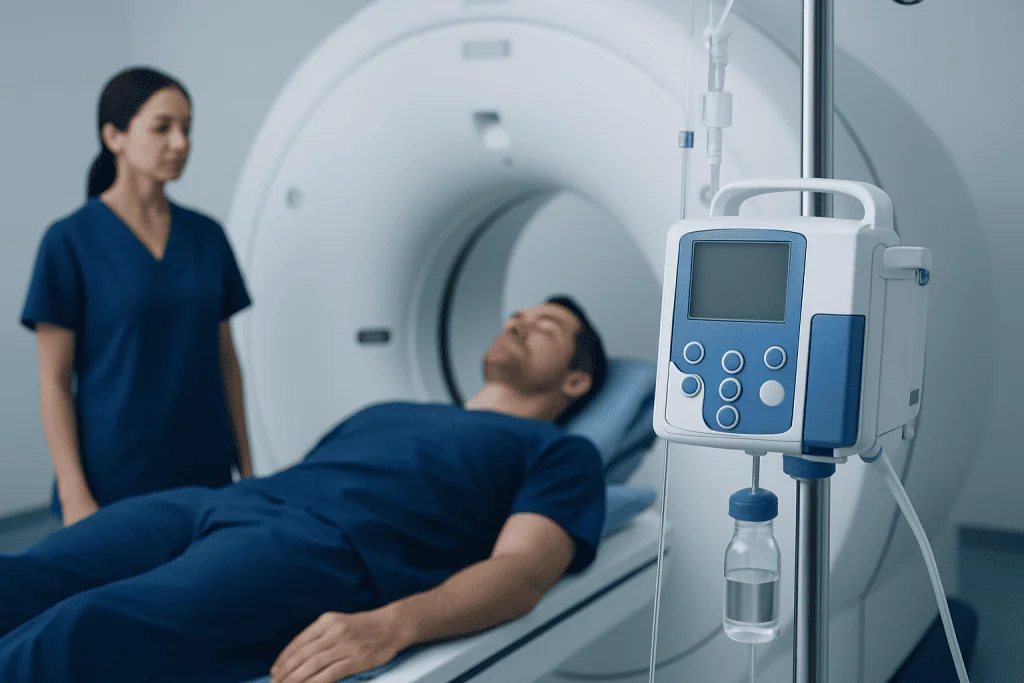
Brain imaging is an important step. Magnetic resonance imaging is often the most informative test because it can show debris, pus, inflammation, or abnormal lining enhancement within the ventricles. Computed tomography may also be used, especially in urgent situations or when doctors need a fast look for hydrocephalus, bleeding, or other structural problems. In some patients, imaging is performed repeatedly to monitor response to treatment. Natural evaluation of the brain and spinal fluid pathways may also involve advanced MRI scanning when available and appropriate.
Testing the cerebrospinal fluid is another key part of diagnosis. If it is safe to do so, a sample may be obtained through lumbar puncture or from an existing ventricular drain. The fluid can be checked for cell count, glucose, protein, Gram stain, and culture to identify the organism. Blood cultures are also often taken. Doctors interpret these tests carefully because prior antibiotic treatment can affect results, and device-related infections may sometimes require repeated sampling.
Other tests may include complete blood work, inflammatory markers, and evaluation for complications such as increased intracranial pressure or shunt malfunction. The goal is not only to confirm infection but also to understand its source, severity, and the safest way to treat it.
Treatment Options
Ventriculitis usually requires treatment in the hospital, often in a high-dependency or intensive care setting. Doctors typically start intravenous antibiotics as soon as infection is strongly suspected, even before final culture results are available. Once laboratory results identify the specific organism, treatment may be adjusted so the chosen antibiotic is better targeted.
The length and combination of treatment depend on the cause, the identified germ, the person’s response, and whether a drain or shunt is involved. In some cases, doctors may consider delivering antibiotics directly into the ventricular system, especially when device-related infection is difficult to control. This decision is individualized and made by specialists familiar with neurocritical care and infectious disease treatment.
If a ventricular drain or shunt is infected, it may need to be removed, replaced, or temporarily externalized. This is often an essential part of treatment because antibiotics alone may not fully clear bacteria attached to medical devices. When hydrocephalus or blocked cerebrospinal fluid flow is present, neurosurgical procedures may also be needed to relieve pressure and restore drainage, including care related to neurosurgery.
Supportive care is also important. This may include fluids, fever control, seizure management, monitoring of brain pressure, and treatment of complications such as altered consciousness. In complex cases, hospitalization in centers with expertise in neurology evaluation and critical care can help coordinate diagnosis, antimicrobial therapy, and neurosurgical decisions.
Recovery, Prevention, and Self-Care
Recovery from ventriculitis can take time and depends on how quickly treatment begins, what organism caused the infection, and whether there were complications such as hydrocephalus or seizures. Some people improve steadily after infection control, while others need rehabilitation for memory, movement, speech, or concentration problems. Follow-up visits may include repeat imaging, neurological assessment, and monitoring of any shunt or drain replacement.
There is no reliable home treatment for ventriculitis, and self-care should never replace urgent medical care. Still, patients and caregivers play an important role in noticing changes. After brain surgery or placement of a ventricular device, they should watch for fever, worsening headache, vomiting, unusual sleepiness, confusion, seizure activity, or changes around the device site and report these promptly.
Prevention focuses largely on reducing healthcare-associated infection risk. This includes strict sterile technique during placement and handling of ventricular drains, timely removal of devices when no longer needed, and close monitoring in the hospital. People with existing shunts or recent neurosurgical treatment should follow wound-care instructions carefully and attend all scheduled follow-up appointments. When other neurological infections are suspected, prompt assessment for conditions such as encephalitis or meningitis may help prevent progression and complications.
At the end of treatment, some patients need ongoing support to return to usual activities. This can include physical therapy, occupational therapy, or cognitive rehabilitation depending on the symptoms that remain. A gradual, medically supervised recovery plan is often the safest approach.
When to See a Doctor
Anyone with symptoms suggesting infection involving the brain or spinal fluid should seek urgent medical attention. This is especially important after recent neurosurgery, head injury, meningitis, or placement of a ventricular drain or shunt. Fever together with severe headache, confusion, neck stiffness, repeated vomiting, seizure, or reduced alertness should never be ignored.
People recovering at home after a neurosurgical procedure should contact their doctor immediately if symptoms worsen or if there are changes around a surgical wound or device site. Caregivers should be alert for drowsiness, personality changes, or difficulty waking the person, as these may be early signs of worsening infection or raised pressure in the brain.
Emergency evaluation is important if there is sudden deterioration, seizure activity, breathing changes, or loss of consciousness. Early treatment can reduce the chance of lasting neurological injury. For international patients who need coordinated specialist assessment, Acibadem International’s multidisciplinary teams in JCI-accredited hospitals diagnose and treat complex neuroinfectious conditions, including ventriculitis.
Frequently asked questions
Is ventriculitis the same as meningitis?
No. Meningitis is inflammation or infection of the membranes surrounding the brain and spinal cord, while ventriculitis affects the brain's fluid-filled ventricles. The two conditions can occur together, and one may spread to involve the other.
How serious is ventriculitis?
Ventriculitis is a serious medical condition because it involves infection inside the central nervous system. It requires urgent hospital treatment, but outcomes are generally better when diagnosis and treatment happen early.
Can ventriculitis happen after brain surgery?
Yes. One of the main risk factors is recent neurosurgery or the presence of a ventricular drain or shunt. These situations can allow bacteria to enter the cerebrospinal fluid, which is why careful sterile technique and close monitoring are so important.
What tests confirm ventriculitis?
Doctors usually rely on a combination of brain imaging and cerebrospinal fluid testing. MRI is often very helpful, and fluid samples may be analyzed for signs of infection and cultured to identify the specific germ.
How is ventriculitis treated?
Treatment usually begins with urgent intravenous antibiotics in the hospital. If a shunt or drain is infected, it may need to be removed or replaced, and some patients also need neurosurgical management for blocked fluid flow or raised brain pressure.
Can ventriculitis be prevented?
Some cases can be reduced by careful infection-control measures during and after neurosurgical procedures. Early treatment of meningitis, careful handling of ventricular devices, and prompt review of new symptoms may help lower the risk.
References
- World Health Organization
- Centers for Disease Control and Prevention
- National Institute of Neurological Disorders and Stroke
- Infectious Diseases Society of America
- European Association of Neurosurgical Societies
This article is for general information only and is not a substitute for professional medical advice. Please consult a qualified doctor about your individual situation.
Joint and spine care in Turkey — expert assessment & treatment
JCI-accredited · board-certified surgeons · reply within 24h
Add us as a Preferred Source to see more of our trusted health content across Google Search, AI Overviews and Discover.

More from the Health Library



Related Specialists

Assoc. Prof. Dr. Ahmet Küçükçelebi
Aesthetic Plastic & Reconstructive Surgery
Dr. Erkan Sarıyıldız
Internal Medicine
Dr. Sibel Özbek
Pediatrics
Assoc. Prof. Dr. Oğuz Durakbaşa
Orthopedic Surgery & Traumatology