Vwd Therapy: How It Works, Results and What to Expect

VWD therapy aims to prevent, reduce, or stop bleeding while supporting normal daily activities and safe medical care. The best treatment depends on the type and severity of VWD, bleeding history, laboratory results, and the planned procedure or life event.
Key Takeaways
- VWD therapy aims to prevent, reduce, or stop bleeding while supporting normal daily activities and safe medical care.
- The best treatment depends on the type and severity of VWD, bleeding history, laboratory results, and the planned procedure or life event.
- Desmopressin can be useful for some people, while others need von Willebrand factor-containing concentrates.
- Antifibrinolytic medicines may help with nosebleeds, dental work, heavy menstrual bleeding, and mouth bleeding.
- A personalized bleeding-management plan is important before surgery, dental treatment, pregnancy, delivery, or emergency care.
VWD therapy is individualized treatment for von Willebrand disease (VWD), a bleeding disorder caused by low levels or reduced function of von Willebrand factor. Depending on the VWD type and bleeding situation, therapy may include desmopressin, clotting-factor concentrates, medicines that protect blood clots, hormonal options, and planning for procedures or childbirth.
Overview: What Is VWD Therapy?
VWD therapy refers to the treatments used for von Willebrand disease, an inherited condition in which blood may not clot as effectively as it should. Von Willebrand factor is a blood protein that helps platelets attach to an injured blood vessel and also helps protect clotting factor VIII. When the factor is too low or does not work properly, bleeding can last longer than expected.
The aim of therapy for VWD is not necessarily daily treatment for every person. Many people with mild disease need support only for injuries, surgery, dental procedures, heavy menstrual bleeding, childbirth, or other situations that increase bleeding risk. People with more significant bleeding may need preventive treatment or prompt treatment when bleeding occurs.
VWD therapy is guided by the individual rather than by a single standard plan. Hematology teams consider VWD type, the person’s response to previous treatment, laboratory findings, current symptoms, and whether a procedure is planned. This approach helps balance bleeding protection with safe, appropriate use of medication.
How VWD Therapy Works
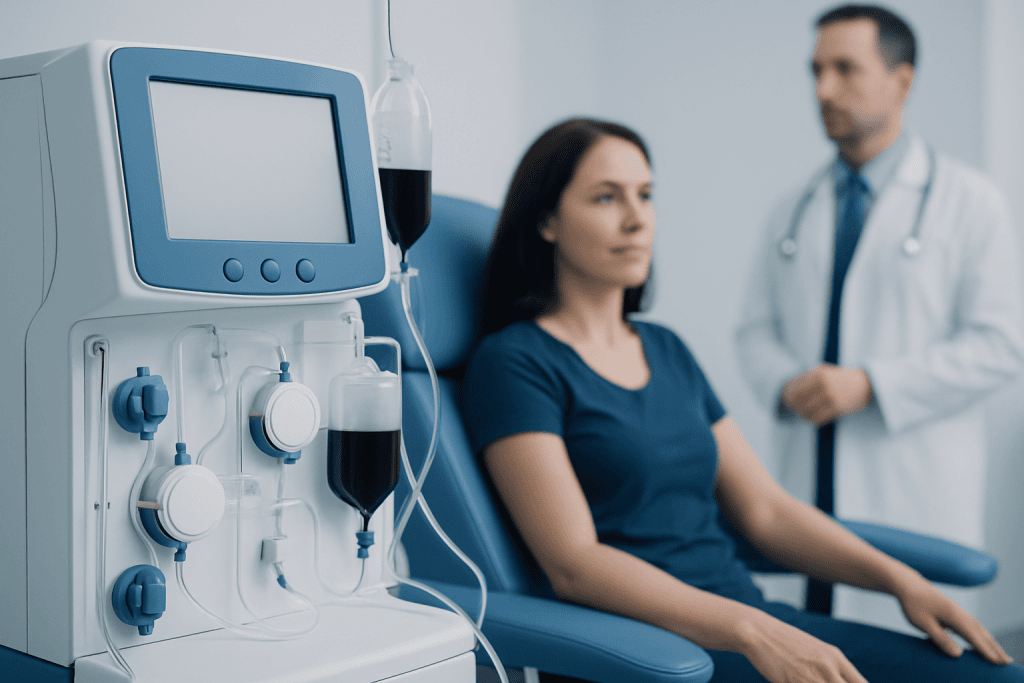
Several approaches can be used in treatment for VWD disease. Desmopressin is a medicine that can temporarily increase the body’s release of stored von Willebrand factor and factor VIII. It may be effective for many people with type 1 VWD and selected people with type 2 VWD, but it is not suitable for every subtype or every patient.
When desmopressin is not appropriate, does not work sufficiently, or bleeding is more serious, clinicians may use concentrates containing von Willebrand factor. Some products also contain factor VIII. These treatments are given into a vein and replace the clotting proteins needed to support stable clot formation.
Antifibrinolytic medicines can help preserve a clot after it forms. They are commonly considered for bleeding from the mouth or nose, dental procedures, and heavy menstrual bleeding. Hormonal therapies may also be helpful for some people with heavy periods. Iron supplementation may be recommended when repeated blood loss has caused iron deficiency or anemia.
Current vwd treatment guidelines emphasize matching therapy to the clinical situation. A treatment plan for a minor dental procedure may be very different from a plan for major surgery, gastrointestinal bleeding, pregnancy, or recurrent joint bleeding.
Who May Need Treatment and How Candidacy Is Assessed

People with VWD may need therapy when they have frequent, prolonged, or disruptive bleeding. Examples include recurring nosebleeds, easy bruising, prolonged bleeding after cuts, heavy or extended menstrual periods, bleeding after dental work, or excessive bleeding after surgery, injury, or childbirth. Some people learn they have VWD only after an unexpected bleeding episode.
A hematologist assesses candidacy by reviewing the person’s bleeding history, family history, medication use, medical conditions, and planned procedures. Blood tests may measure von Willebrand factor quantity and activity, factor VIII, platelet-related function, blood count, and iron levels. Results can vary over time, so repeat testing is sometimes needed.
A desmopressin trial may be performed in a monitored setting for people who may be candidates for this medicine. Blood samples are taken before and after treatment to see whether von Willebrand factor and factor VIII rise enough and remain elevated long enough for the intended purpose. This information helps clinicians select the safest and most reliable option for future bleeding events.
People should tell their care team about all medicines and supplements. Aspirin, nonsteroidal anti-inflammatory drugs such as ibuprofen, some anticoagulants, and certain supplements can increase bleeding risk or require individualized advice. No prescribed medicine should be stopped without speaking with the prescribing clinician.
What to Expect: Step-by-Step Treatment Planning
VWD therapy usually begins with a detailed assessment and a written plan. The plan identifies the VWD type when known, the preferred treatments, medicines to avoid or discuss, emergency contact information, and instructions for situations such as dental care, surgery, injury, or pregnancy. Patients may be encouraged to carry a medical alert card or wear medical identification.
For a planned procedure, the hematology team coordinates with the surgeon, dentist, anesthesiologist, gynecologist, or obstetric team. They estimate bleeding risk, choose an appropriate medicine, and determine when it should be given. Blood testing may be repeated around major procedures to confirm that factor levels are adequate.
Desmopressin may be given as an injection or nasal formulation in selected circumstances, while factor concentrates are infused through a vein in a hospital, clinic, or sometimes at home after proper training. Antifibrinolytic medicines are often used for a defined period around a procedure or a mucosal bleeding episode. The duration depends on the location and severity of bleeding and the healing process.
For ongoing concerns such as heavy menstrual bleeding, care may involve both hematology and gynecology. A coordinated approach can address bleeding control, anemia prevention, reproductive goals, and contraception preferences. This is often more effective than treating symptoms in isolation.
Expected Results, Recovery Timeline, and Follow-Up
The expected result of VWD therapy is better bleeding control. For a nosebleed, dental procedure, or minor injury, treatment may reduce bleeding within hours, although the exact response depends on the cause, location, and severity of bleeding. After surgery, support may be needed for several days or longer to protect healing tissues.
There is no single recovery timeline because VWD treatment is often event-based rather than a one-time procedure. A person may return to usual activities quickly after a minor bleeding episode, while recovery after major surgery follows the normal surgical healing timeline and includes ongoing attention to bleeding prevention.
Follow-up may include checking for continued bleeding, bruising, low iron, anemia, or treatment side effects. For people receiving factor concentrate around major surgery, laboratory monitoring helps guide continued dosing. Keeping a record of bleeding episodes and treatments can help refine future care.
Online searches for vwd reviews can be useful for learning about patient experiences, but they cannot determine the right therapy for an individual. Responses vary by VWD subtype, bleeding pattern, other health conditions, and access to specialist monitoring. Advice from a hematology team should guide decisions.
Benefits, Limitations, and Possible Risks
The main benefit of VWD therapy is reducing the likelihood or severity of bleeding while making necessary medical, dental, and reproductive care safer. Effective planning may also reduce missed school, work, sports, and social activities caused by recurring symptoms or uncertainty about bleeding.
Every treatment has possible limitations and risks. Desmopressin may not be effective for all types of VWD and can affect fluid balance and sodium levels, particularly if fluids are not managed as instructed. It may not be appropriate for people with certain cardiovascular conditions, a history of low sodium, or other specific health concerns.
Factor concentrates can be highly effective when replacement is needed, but they require intravenous administration and clinician-directed monitoring in some settings. Allergic reactions are uncommon but possible. Antifibrinolytic medicines are not suitable for everyone, especially in certain clotting, kidney, or urinary tract situations, so medical advice is important before use.
Patients should seek individualized recommendations before using over-the-counter pain relievers. Acetaminophen may be an option for many people, but the appropriate choice depends on the person’s health history. Aspirin and some anti-inflammatory medicines can worsen bleeding tendency and should only be used if a clinician advises it.
Daily Self-Care and Preparing for Bleeding Risks
Daily self-care focuses on prevention, preparation, and early communication. People with VWD can often take part in normal activities, but may benefit from discussing higher-impact sports, occupation-related injury risks, or travel plans with their healthcare team. Wearing a medical alert identifier and keeping an updated medication list can be helpful in an emergency.
Before dental work, surgery, endoscopy, childbirth, or invasive testing, patients should inform the clinician well in advance that they have VWD. This gives the care team time to coordinate hematology input and arrange appropriate therapy. Elective procedures should not be delayed unnecessarily, but they should be planned carefully.
For heavy menstrual bleeding, tracking cycle length, flow, clots, fatigue, and symptoms of anemia can support productive discussions with clinicians. Eating a balanced diet with iron-containing foods is helpful, but diet alone may not correct significant iron deficiency. Blood testing and prescribed iron treatment may be needed.
Acibadem International’s multidisciplinary specialists and JCI-accredited hospitals can support diagnosis and coordinated treatment planning for international patients with VWD, including hematology care around procedures and reproductive health needs.
When to Seek Medical Care
Urgent medical assessment is appropriate for bleeding that is heavy, does not slow with usual first-aid measures, follows a significant injury, or is accompanied by weakness, fainting, shortness of breath, chest discomfort, confusion, or severe headache. Emergency evaluation is also important after a head injury, even if symptoms initially seem mild, particularly for a person with a known bleeding disorder.
Contact a healthcare professional promptly for black or bloody stools, vomiting blood, blood in the urine, unusually heavy menstrual bleeding, persistent nosebleeds, rapidly expanding bruising, or bleeding after a procedure that is more than expected. Pregnant people with VWD should have a coordinated plan before delivery and should seek advice promptly for any concerning bleeding.
Routine hematology follow-up is useful even when symptoms are mild. It allows the care plan to be updated before travel, surgery, dental work, new medications, pregnancy, or changes in bleeding pattern. A clinician can also explain whether genetic counseling or family testing may be appropriate.
Frequently asked questions
Is VWD therapy a cure for von Willebrand disease?
VWD therapy does not usually cure the inherited condition. It helps prevent or control bleeding by increasing available clotting proteins, replacing missing or poorly functioning factor, or helping blood clots remain in place. The plan is adjusted according to the person’s VWD type and bleeding needs.
What is the first-line treatment for VWD?
There is no single first-line option for every person. Desmopressin may be considered for suitable patients, especially some people with type 1 VWD, while others need von Willebrand factor concentrate or supportive medicines. A hematologist can determine the preferred option based on laboratory testing and bleeding history.
Can VWD treatment be used before dental work or surgery?
Yes. Planning before dental procedures, surgery, or invasive tests is one of the most important uses of VWD therapy. The treatment type, timing, and duration depend on the procedure and the person’s individual bleeding risk.
How quickly does therapy for VWD work?
The timing depends on the treatment and the reason it is being used. Some treatments raise clotting factor levels within hours, while treatment around surgery may continue for days to support healing. The care team will explain the expected timeline for the specific situation.
Can people with VWD take ibuprofen or aspirin?
Aspirin and some nonsteroidal anti-inflammatory drugs, including ibuprofen, can affect platelet function and may increase bleeding in some people with VWD. A person should ask their hematologist or primary clinician which pain medicines are appropriate. They should not stop a prescribed medication without medical advice.
Does everyone with VWD need regular treatment?
No. Many people with mild VWD only need treatment before procedures or during a significant bleeding event. Those with frequent or serious bleeding may need more regular prevention and follow-up. A personalized plan is more useful than applying the same schedule to everyone.
References
- American Society of Hematology
- National Heart, Lung, and Blood Institute
- Centers for Disease Control and Prevention
- World Federation of Hemophilia
- National Bleeding Disorders Foundation
This article is for general information only and is not a substitute for professional medical advice. Please consult a qualified doctor about your individual situation.
Explore treatments in Turkey — costs, top hospitals & a free quote
JCI-accredited · board-certified surgeons · reply within 24h
Add us as a Preferred Source to see more of our trusted health content across Google Search, AI Overviews and Discover.

More from the Health Library



Related Specialists

Assoc. Prof. Dr. Ahmet Ifran
Hematology
Pdg. Ayşe Günsay
Podiatry & Foot Health
Prof. Dr. Güldin Bingöl
Pediatric Allergy
Prof. Dr. Meriç Şengöz
Radiation Oncology