Cankles: Causes, Symptoms and When to Seek Care

Cankles are a descriptive term, not a medical diagnosis. Ankle appearance may be influenced by natural anatomy, body-fat distribution, swelling, pregnancy, medications, or vein and lymphatic conditions.
Key Takeaways
- Cankles are a descriptive term, not a medical diagnosis.
- Ankle appearance may be influenced by natural anatomy, body-fat distribution, swelling, pregnancy, medications, or vein and lymphatic conditions.
- Swelling in both ankles is often related to fluid retention, while swelling in one leg needs particular attention.
- New, sudden, painful, red, or one-sided swelling should be assessed promptly.
- Elevation, regular movement, and limiting prolonged sitting or standing may help mild swelling, but persistent symptoms need medical advice.
“Cankles” is an informal term for ankles that appear less defined because the lower leg and ankle blend together. This may reflect normal body shape or fatty tissue, but it can also result from temporary or persistent swelling that deserves medical assessment.
What Are Cankles?
“Cankles” is a non-medical, informal word used when there is little visible narrowing between the calf and the ankle. The term combines “calf” and “ankle.” It describes an appearance rather than a health condition, and it should not be used to judge a person’s health, fitness, or body size.
For some people, this appearance is simply part of their inherited body shape. The size of the bones, muscles, tendons, and soft tissue around the ankle varies naturally. In other cases, the ankle area may look broader because fluid has built up in the tissues. This type of swelling is medically called edema.
Whether ankle fullness is new or long-standing is important. A stable appearance present for many years is more likely to reflect normal anatomy or fat distribution. New swelling, a noticeable change over days or weeks, or swelling accompanied by discomfort should be discussed with a qualified clinician.
Common Signs and Symptoms
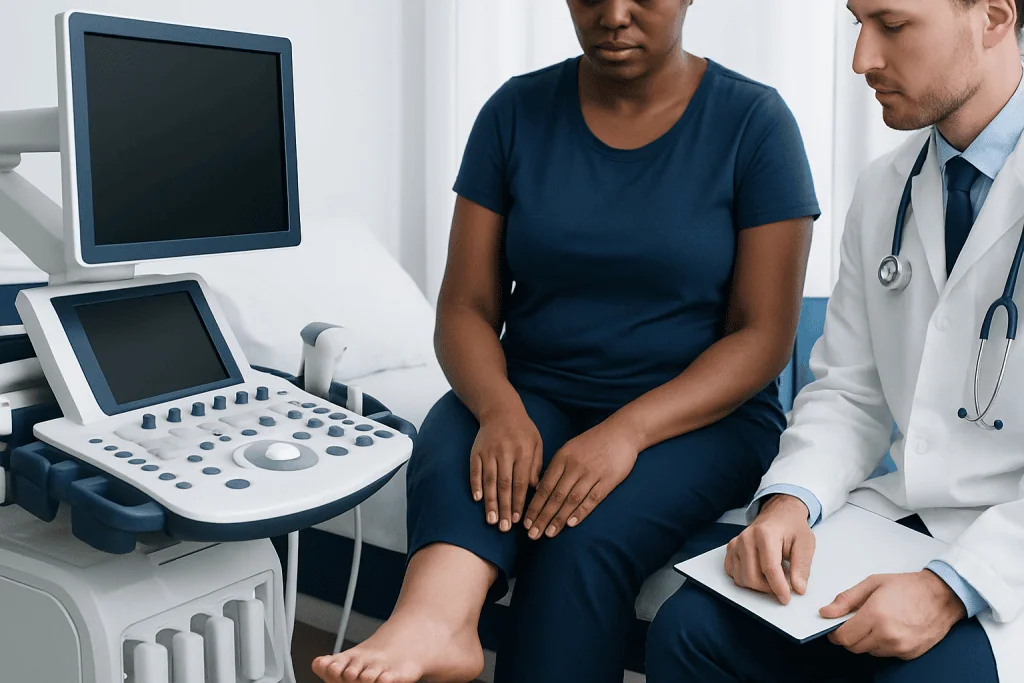
When cankles are related to swelling, the ankles, feet, or lower legs may appear puffy or enlarged. Shoes, socks, or straps may feel tighter than usual, and sock marks may remain on the skin. Some people notice that swelling is more obvious by the end of the day, after travel, or during hot weather.
Fluid-related swelling can sometimes be “pitting.” After pressing gently on the swollen area for several seconds, a small indentation may remain briefly. This is one feature clinicians may check, but it does not identify the cause on its own.
Associated symptoms can provide helpful clues. These may include a feeling of heaviness, skin tightness, aching, visible veins, or changes in skin color. Symptoms such as pain, warmth, redness, shortness of breath, chest pain, fever, or swelling that affects only one leg require more urgent medical attention.
- Fullness around both ankles may occur with prolonged sitting, standing, heat, or pregnancy.
- One-sided swelling may have a local cause, such as injury, infection, vein blockage, or lymphatic obstruction.
- Persistent swelling with skin changes can occur with chronic vein or lymphatic problems.
Causes and Risk Factors

Normal anatomy and body-fat distribution are common reasons for less ankle definition. Genetics can influence where the body stores fat and the overall contour of the lower legs. These features are not necessarily caused by weight gain, and they may not change substantially with exercise alone.
Temporary fluid retention is another frequent cause. Sitting for long periods, standing throughout the day, long-distance travel, warm weather, high salt intake, hormonal changes, and pregnancy can all contribute to ankle swelling. Minor injuries, such as a sprain, may also cause swelling near one ankle.
Medical conditions can sometimes cause persistent edema. Problems with leg veins, including chronic venous insufficiency, may make it harder for blood to return efficiently from the legs to the heart. Lymphedema occurs when the lymphatic system cannot drain fluid normally. Heart, kidney, liver, and thyroid conditions can also contribute to swelling, as can low protein levels in some circumstances.
Some medicines may cause ankle swelling as a side effect. Examples include certain blood pressure medicines, anti-inflammatory medicines, steroid medicines, hormone treatments, and some diabetes medicines. A person should not stop a prescribed medicine without speaking with the clinician who prescribed it.
How Doctors Assess Ankle Swelling
A healthcare professional will ask when the ankle changes began, whether one or both legs are affected, and what makes the swelling better or worse. They may ask about recent travel, injury, surgery, pregnancy, infections, medical conditions, and current medicines. Information about breathlessness, chest symptoms, pain, and urine changes can also be important.
During the examination, the clinician may look for pitting, tenderness, warmth, skin changes, varicose veins, pulses, and differences between the two legs. They may assess the feet and calves as well as the ankles. This helps distinguish fluid retention from normal tissue shape, injury, circulation concerns, or lymphatic swelling.
Tests are not always necessary. If the cause is unclear or concerning features are present, blood and urine tests may assess kidney, liver, thyroid, or heart-related factors. An ultrasound scan may be used to evaluate veins and rule out a blood clot. Further heart or vascular assessment may be recommended when symptoms and examination findings suggest it.
Treatment Options
Treatment depends on the cause. If ankle fullness reflects natural anatomy or fat distribution and there are no concerning symptoms, medical treatment may not be needed. A clinician can help determine whether there is true swelling and whether a health condition should be investigated.
For mild fluid-related swelling, addressing daily triggers can be useful. This may include taking regular walking breaks, avoiding long periods in one position, elevating the legs when resting, and following a balanced eating pattern that does not contain excessive salt. Supportive footwear can also improve comfort.
If a medical condition is responsible, treatment focuses on that condition. For example, management of vein disease may include exercise, leg elevation, medical-grade compression when appropriate, and specialist care. Lymphedema treatment often involves individualized skin care, movement, compression, and lymphatic therapy under professional guidance. Lymphedema should be assessed so that the care plan matches its cause and severity.
Diuretics, sometimes called water tablets, are helpful for selected causes of fluid retention but are not suitable for every type of ankle swelling. They should only be used when prescribed and monitored by a clinician. Self-treating with diuretics or unregulated supplements can lead to dehydration or electrolyte problems.
Prevention and Self-Care for Mild Swelling
Many people can reduce occasional ankle swelling by moving regularly. Calf muscles help return blood upward from the legs, so short walks, ankle circles, and gentle heel raises can be helpful during long workdays or travel. People with limited mobility should ask their healthcare team about suitable exercises.
Leg elevation may help when resting. Ideally, the legs can be supported comfortably so the feet are raised above heart level for a period of time. Avoid placing cushions directly behind the knees for prolonged periods, as this can be uncomfortable and may restrict movement.
Compression socks may help some people with travel-related or vein-related swelling, but they are not right for everyone. People with known artery disease, reduced circulation, severe heart failure, numbness in the feet, or uncertain causes of swelling should seek medical advice before using compression garments.
Keeping skin clean and moisturized, checking the feet for cracks or sores, and wearing well-fitting shoes are sensible steps when swelling is recurrent. These measures are particularly important for people with diabetes, reduced sensation, or known circulation problems.
When to See a Doctor
A non-urgent medical appointment is appropriate for ankle swelling that lasts more than a few days, keeps returning, is getting worse, or has no obvious explanation. It is also sensible to seek advice if swelling interferes with walking, shoe fitting, sleep, or daily activities, or if there are skin changes such as discoloration, scaling, itching, or ulcers.
Urgent medical assessment is needed for sudden swelling of one leg, especially when it is painful, warm, red, or tender. These symptoms can occur with a deep vein thrombosis, a blood clot in a deep vein, and require prompt evaluation. Sudden swelling after an injury may also need assessment to check for a fracture or significant soft-tissue injury.
Emergency care is important if leg swelling occurs with chest pain, shortness of breath, coughing up blood, fainting, or severe new weakness. These symptoms may indicate a serious circulation or heart-lung problem.
Acibadem International’s multidisciplinary specialists and JCI-accredited hospitals can assess persistent ankle swelling and coordinate appropriate diagnostic and treatment care for international patients. The first step is a careful medical evaluation rather than assuming that ankle appearance is purely cosmetic.
Frequently asked questions
Are cankles always caused by being overweight?
No. Cankles can reflect natural ankle shape, genetics, muscle and fat distribution, or fluid swelling. People of any body size can have less visible ankle definition or develop swollen ankles.
Can cankles go away?
If the appearance is caused by temporary fluid retention, it may improve when the trigger resolves and with appropriate self-care. If it is mainly due to inherited body shape or tissue distribution, it may be a stable physical feature. Persistent or new swelling should be medically assessed.
Why are my ankles swollen at the end of the day?
Gravity can allow fluid to collect in the lower legs after long periods of sitting or standing, especially in warm weather. This can also occur during pregnancy or after travel. Recurrent swelling may also be linked to vein problems, medicines, or other health conditions.
Is swelling in one ankle more concerning than swelling in both?
One-sided swelling can occur after an injury, but it can also be associated with infection, vein blockage, or lymphatic problems. Sudden one-sided swelling, particularly with pain, warmth, redness, or tenderness, should be evaluated urgently. Swelling in both ankles can also need review when it is persistent or accompanied by other symptoms.
Should a person take water tablets for swollen ankles?
Water tablets are not appropriate for all causes of ankle swelling and should not be started without medical guidance. They may be prescribed for certain heart, kidney, or liver-related causes, but they can cause side effects and require monitoring. A clinician should identify the reason for swelling first.
Do compression socks help cankles?
Compression socks may help some people with mild swelling related to prolonged standing, travel, or vein problems. However, they are not suitable for everyone, particularly people with certain circulation conditions. It is best to ask a healthcare professional which type and level of compression, if any, is appropriate.
References
- National Health Service
- Mayo Clinic
- American Heart Association
- National Institute of Diabetes and Digestive and Kidney Diseases
- Society for Vascular Medicine
This article is for general information only and is not a substitute for professional medical advice. Please consult a qualified doctor about your individual situation.
Joint and spine care in Turkey — expert assessment & treatment
JCI-accredited · board-certified surgeons · reply within 24h
Add us as a Preferred Source to see more of our trusted health content across Google Search, AI Overviews and Discover.
Check your numbers in seconds
BMI, calories, due date, blood pressure and 30+ more clinical calculators — free, instant, doctor-reviewed ranges.