

What Are the Causes of Hair Thinning? A Doctor-Reviewed Answer

Hair thinning can result from genetics, hormonal changes, stress, illness, nutritional deficiencies, scalp disorders, or medication effects. Many cases are not dangerous, but sudden shedding, patchy loss, scalp inflammation, or symptoms elsewhere in the body deserve medical assessment.
Key Takeaways
- Hair thinning can result from genetics, hormonal changes, stress, illness, nutritional deficiencies, scalp disorders, or medication effects.
- Many cases are not dangerous, but sudden shedding, patchy loss, scalp inflammation, or symptoms elsewhere in the body deserve medical assessment.
- Doctors diagnose the cause by reviewing the pattern of thinning, medical history, scalp findings, and sometimes blood tests or a scalp evaluation.
- Treatment depends on the cause and may include lifestyle changes, correction of deficiencies, treatment of scalp disease, or targeted hair-loss therapies.
- Early evaluation can help identify reversible causes and improve the chance of preserving hair density.
Hair thinning is very common and is often linked to normal aging, genetics, temporary stress on the body, or treatable scalp and health conditions. A medical review is most important when thinning is sudden, patchy, associated with scalp symptoms, or accompanied by other signs such as fatigue, weight change, or menstrual irregularities.
Overview: Why Hair Thinning Happens
For many people, the answer to what are the causes of hair thinning is reassuring: hair often thins gradually because of genetics, aging, temporary stress, or hormonal shifts rather than a dangerous illness. Hair naturally cycles through growth, rest, and shedding, so a mild increase in daily hair fall may happen from time to time without leading to permanent loss.
Hair thinning is different from complete bald patches. It usually means the hair looks less dense, the ponytail feels smaller, the part line appears wider, or more scalp shows under bright light. Some people notice diffuse shedding all over, while others see thinning mainly at the crown, temples, or hairline.
The most common causes include inherited pattern hair loss, recent physical or emotional stress, thyroid problems, iron deficiency, menopause, pregnancy-related hormonal change, certain medications, and inflammatory scalp conditions. Because the causes are varied, the pattern and timing of thinning offer important clues.
The key concern is not to panic, but also not to ignore warning signs. Sudden shedding, patchy hair loss, scalp pain or scaling, and hair thinning that comes with fatigue, unintended weight change, acne, excess facial hair, or heavy menstrual changes should prompt a professional review.
Common Symptoms and Patterns of Hair Thinning
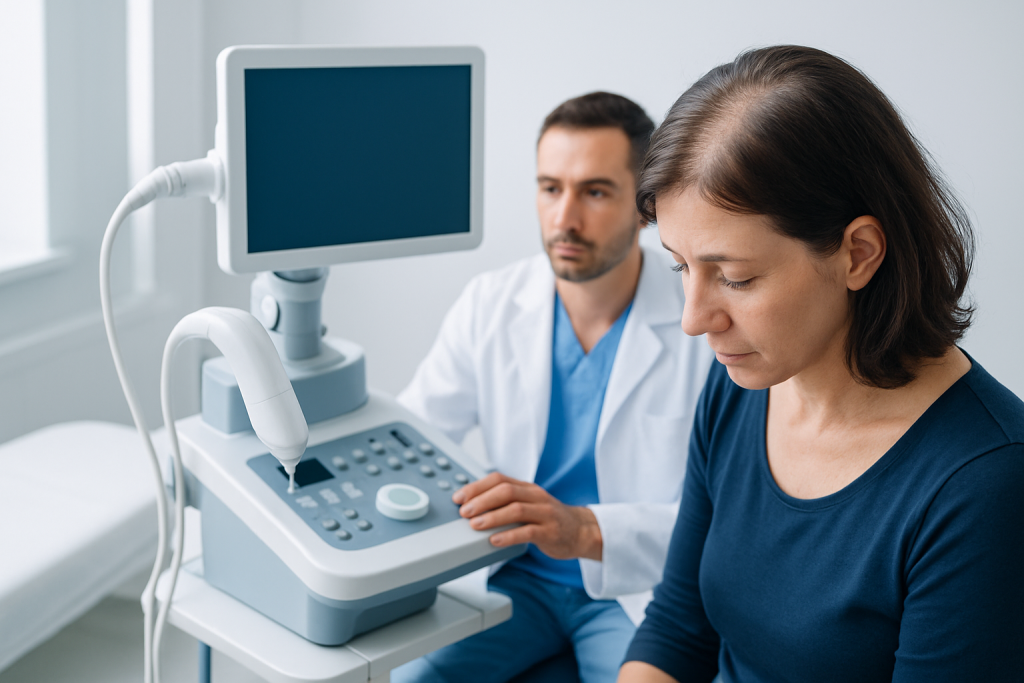
Hair thinning can appear in different ways depending on the cause. In inherited hair loss, men often notice a receding hairline or thinning at the crown, while women more often develop widening of the central part with preserved frontal hairline. This type usually develops slowly over months to years.
Diffuse shedding, where hair seems to fall out from all over the scalp, is often seen after a major stress on the body. This can include fever, surgery, childbirth, rapid weight loss, or a severe emotional event. The shedding may be dramatic in the shower or on the pillow, but the scalp itself may look normal.
Patchy areas of loss can suggest an autoimmune process such as alopecia areata, traction from tight hairstyles, or fungal or inflammatory scalp disease. Scalp itching, redness, tenderness, scaling, or flaking may point to a dermatologic cause rather than simple pattern hair loss.
Other symptoms can help narrow the cause. For example:
- Fatigue, shortness of breath, or pale skin may suggest iron deficiency or anemia.
- Cold intolerance, constipation, or weight gain may suggest hypothyroidism.
- Irregular periods, acne, or increased facial hair may suggest androgen-related hormonal imbalance.
- Brittle nails, restricted eating, or digestive problems may raise concern for nutrient deficiency.
What Are the Causes of Hair Thinning?
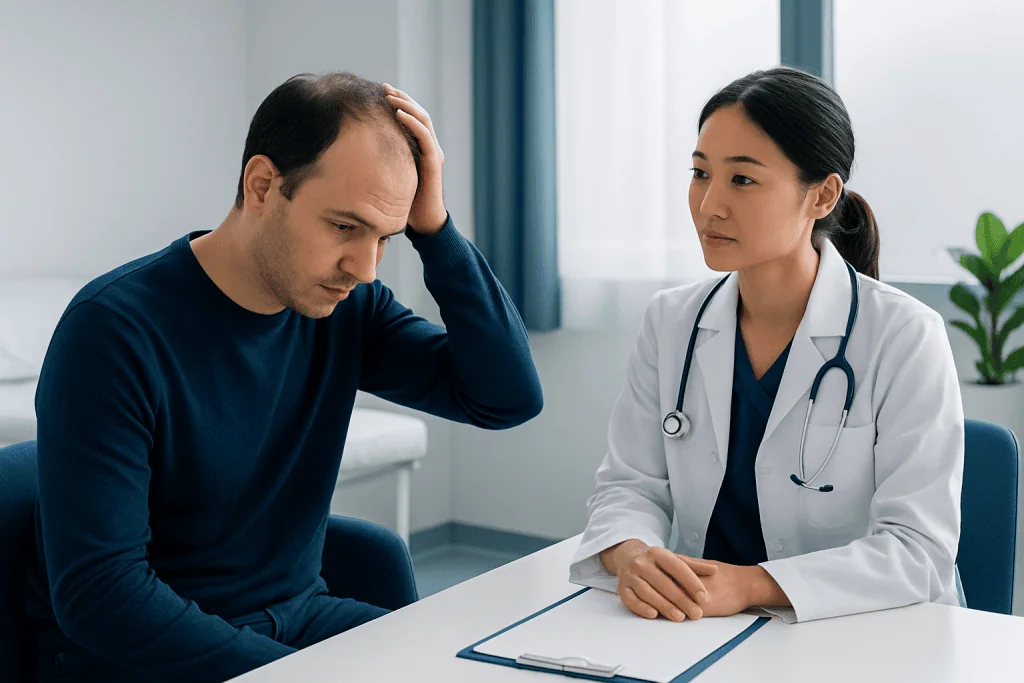
Inherited or pattern hair loss is one of the leading answers to the question what are the causes of hair thinning. This form is influenced by genes and hormones and may affect both men and women. It tends to be gradual and progressive, though early treatment may help slow it down.
Another major cause is a disruption in the hair growth cycle, often called telogen effluvium. This can happen after childbirth, high fever, surgery, severe illness, major emotional stress, rapid dieting, or significant weight loss. In many cases, shedding starts several weeks to a few months after the trigger and improves once the body recovers.
Hormonal and medical conditions are also important. Thyroid disorders, iron deficiency, low protein intake, vitamin and mineral deficiencies, menopause, and conditions such as polycystic ovary syndrome can contribute to thinning. Some chronic illnesses and autoimmune disorders may also affect hair growth directly or indirectly.
Scalp disorders can interfere with healthy hair growth. These include seborrheic dermatitis, psoriasis, fungal infections, and scarring forms of hair loss that damage follicles. Mechanical and external factors matter too: frequent heat styling, chemical treatments, bleaching, and tight hairstyles may lead to breakage or traction-related loss. Some medicines, including certain cancer treatments, anticoagulants, retinoids, mood medications, and hormone-related therapies, may also contribute to thinning. In selected cases, a doctor may discuss medical options such as hair transplant when hair loss is stable and appropriate for restoration.
Risk Factors That Make Hair Thinning More Likely
Age is one of the strongest risk factors. As people get older, individual hairs may become finer and spend less time in the active growth phase. Family history also plays a major role, especially in pattern hair loss, where thinning often follows recognizable patterns across generations.
Hormonal transitions can increase vulnerability. Pregnancy, the postpartum period, perimenopause, menopause, and endocrine disorders may all affect the hair cycle. In women, heavy periods can contribute to iron deficiency, while androgen-related hormonal changes may influence the scalp in a different way.
Nutrition and lifestyle also matter. Restrictive diets, inadequate protein intake, low iron stores, and poor overall nutritional balance can affect hair growth. Repeated stress, poor sleep, and smoking may worsen shedding or make existing thinning more noticeable, although they are not the only explanation in most cases.
Hair-care practices can also raise risk. Repeated bleaching, harsh straightening or perming, chronic traction from tight braids or ponytails, and frequent heat exposure may weaken the shaft or inflame the follicle. If the issue is long-standing or linked to scalp disease, doctors may also assess for related skin conditions and, when needed, treatments used in dermatology care or procedural options such as platelet-rich plasma (PRP) in suitable patients.
How Doctors Diagnose the Cause
Doctors usually begin by asking when the thinning started, whether it was sudden or gradual, and whether there were recent triggers such as illness, surgery, childbirth, stress, new medication, or major weight change. They also ask about family history, menstrual history, diet, hair-care routines, and any symptoms beyond the scalp.
A scalp and hair examination is central to diagnosis. The clinician looks at the pattern of thinning, checks for redness, scale, breakage, miniaturized hairs, scarring, or smooth bald patches, and may gently pull on small sections of hair to see whether active shedding is present. This often helps distinguish shedding from breakage and pattern loss from inflammatory disease.
Blood tests may be recommended when an underlying medical cause is suspected. These commonly look for thyroid dysfunction, iron deficiency, anemia, or selected nutritional deficiencies. If hormonal imbalance is possible, additional tests may be considered based on symptoms and the patient’s age and sex.
Sometimes diagnosis requires a closer scalp assessment by a dermatologist. In selected cases, dermoscopy or a small scalp biopsy is used to clarify whether follicles are inflamed or scarred. If hair thinning appears to be part of a broader disorder, the doctor may also evaluate for related conditions such as thyroid disease.
Treatment Options and What Helps Most
Treatment depends entirely on the cause, which is why self-diagnosing can be misleading. If shedding follows illness, childbirth, or stress, reassurance and time may be the main approach while the hair cycle resets. If a nutritional deficiency or medical disorder is identified, treating the underlying issue is the priority.
For pattern hair loss, doctors may recommend evidence-based topical or oral treatments depending on the person’s age, sex, overall health, and pregnancy status. These therapies aim to slow progression and support regrowth, but they usually need consistent use and realistic expectations. Early treatment often gives better results than waiting until thinning is advanced.
If scalp inflammation is present, treatment may include medicated shampoos, anti-inflammatory therapies, or treatment for fungal or other skin disorders. When hair breakage is the problem, changing styling habits, reducing heat and chemical exposure, and addressing shaft damage can improve appearance and prevent further loss.
Some patients benefit from procedural options when medical therapy alone is not enough or when there is stable pattern loss. In carefully selected cases, doctors may discuss surgical restoration or supportive options such as PRP therapy. Near the end of the care pathway, international patients may also seek assessment at Acibadem International, where multidisciplinary specialists in JCI-accredited hospitals evaluate and treat hair and scalp conditions.
Prevention and Self-Care Measures
Not every form of hair thinning can be prevented, especially when genetics are involved, but scalp-friendly habits can help protect hair quality and reduce avoidable shedding or breakage. Gentle washing, avoiding excessive traction, limiting harsh chemicals, and reducing frequent high-heat styling all support the hair shaft and scalp barrier.
General health habits also matter. A balanced diet with adequate protein, iron, and other essential nutrients supports normal hair growth. Sudden crash diets and rapid weight loss can trigger diffuse shedding, so gradual, sustainable nutrition changes are usually better for both hair and overall health.
Stress management is worthwhile, even though stress is rarely the only factor. Good sleep, regular physical activity, and realistic recovery time after major illness or childbirth may help the body return to a healthier hair cycle. People should also review any new medications with their doctor if thinning begins after a treatment change, but they should not stop prescribed medicine on their own.
Over-the-counter supplements are not always harmless or necessary. Taking high doses of vitamins without confirmed deficiency may be unhelpful and, in some cases, can worsen hair shedding or interfere with tests and medicines. A clinician can advise whether supplements are needed and which investigations are more useful.
When to Seek Medical Care
Medical review is appropriate if hair thinning is sudden, rapidly worsening, or clearly more than normal daily shedding. It is also important to seek care if the loss is patchy, leaves smooth bald areas, or comes with scalp redness, scaling, pain, burning, or pus, because these features may indicate inflammation or infection that needs treatment.
People should also arrange an assessment if hair thinning occurs along with fatigue, dizziness, unexplained weight change, bowel changes, menstrual irregularities, acne, increased facial hair, or signs of poor nutrition. These symptoms can point to an underlying condition that affects the whole body, not just the scalp.
Children and teenagers with noticeable hair thinning should be evaluated rather than managed only at home. Early review is also advisable when tight hairstyles, compulsive hair pulling, or recent medication changes may be involved, because addressing the cause early can reduce the risk of persistent loss.
Even when the cause is not serious, many people benefit from a professional diagnosis because treatment differs so much from one cause to another. A doctor can confirm whether the problem is likely temporary shedding, inherited thinning, scalp disease, or another condition and guide the next steps safely.
Frequently asked questions
Is hair thinning always a sign of illness?
No. Hair thinning is often related to genetics, aging, temporary stress on the body, or normal hormonal changes rather than a serious disease. However, sudden, patchy, or symptomatic hair loss should still be assessed by a doctor.
Can stress really cause hair thinning?
Yes, significant physical or emotional stress can trigger a temporary form of shedding called telogen effluvium. This often starts weeks to months after the trigger and may improve gradually once the body recovers.
What deficiencies can cause hair thinning?
Iron deficiency is one of the most common medical contributors. Depending on the person and their diet or health history, other nutritional issues such as low protein intake or selected vitamin and mineral deficiencies may also play a role.
How do doctors tell the difference between shedding and pattern hair loss?
Doctors look at the timing, amount of hair fall, and the pattern on the scalp. They also ask about triggers such as illness or childbirth and may examine the scalp closely or order blood tests if a medical cause is suspected.
Can hair thinning grow back?
It can, especially if the cause is temporary shedding, nutritional deficiency, medication-related, or due to a treatable scalp condition. Regrowth usually takes time because hair grows slowly, and results depend on how long the follicles have been affected.
When should someone worry about hair thinning?
They should seek medical advice if thinning is sudden, rapidly worsening, patchy, or associated with scalp redness, pain, or scaling. It also deserves attention if it happens with fatigue, weight change, menstrual changes, or other new symptoms.
References
- American Academy of Dermatology
- National Institute of Arthritis and Musculoskeletal and Skin Diseases
- Mayo Clinic
- National Health Service
- British Association of Dermatologists
This article is for general information only and is not a substitute for professional medical advice. Please consult a qualified doctor about your individual situation.
Hair transplant in Turkey — costs, graft counts & a free assessment
JCI-accredited · board-certified surgeons · reply within 24h
Add us as a Preferred Source to see more of our trusted health content across Google Search, AI Overviews and Discover.
Check your numbers in seconds
BMI, calories, due date, blood pressure and 30+ more clinical calculators — free, instant, doctor-reviewed ranges.

More from the Health Library



Related Specialists
Dr. Murat Karakoç
Internal Medicine
Asst. Prof. Dr. Berkhan Yilmaz
Aesthetic Plastic & Reconstructive Surgery
Dt. Gökhan Töre
Oral & Dental Health
Prof. Dr. Alp Yentür
Anesthesiology