

What Are the Most Common Neurodegenerative Diseases?

Neurodegenerative diseases involve the progressive loss of nerve cell function. Common examples include Alzheimer's disease, Parkinson's disease, ALS, and Huntington's disease.
Key Takeaways
- Neurodegenerative diseases involve the progressive loss of nerve cell function.
- Common examples include Alzheimer's disease, Parkinson's disease, ALS, and Huntington's disease.
- Symptoms vary but may affect memory, movement, speech, swallowing, mood, and independence.
- Diagnosis usually combines medical history, neurological examination, imaging, and other supportive tests.
- While many cannot yet be cured, treatment can help manage symptoms and improve quality of life.
- Early medical evaluation can help with planning, symptom control, and supportive care.
Neurodegenerative diseases are conditions in which nerve cells in the brain or spinal cord gradually lose function over time. The most common examples include Alzheimer's disease, Parkinson's disease, amyotrophic lateral sclerosis (ALS), and Huntington's disease, each affecting movement, memory, behavior, or daily functioning in different ways.
Overview of Neurodegenerative Diseases
Neurodegenerative diseases are a group of disorders that gradually damage or destroy nerve cells, also called neurons. These cells are essential for thinking, memory, movement, sensation, speech, and many automatic body functions. When neurons become injured and cannot repair themselves effectively, symptoms tend to develop slowly and often worsen over time.
The term includes several different conditions rather than one single disease. Some mainly affect memory and thinking, such as Alzheimer's disease, while others mostly affect movement, such as Parkinson's disease. Still others can involve both the brain and the nerves that control muscles, as seen in amyotrophic lateral sclerosis (ALS).
These conditions are more common with increasing age, but they are not considered a normal part of aging. Their course, symptoms, and treatment needs can differ widely from person to person. A clear diagnosis is important because support, medicines, rehabilitation, and long-term planning often depend on the specific type of disease.
The Most Common Neurodegenerative Diseases
Alzheimer’s disease is the most common cause of dementia. It usually begins with subtle memory problems, especially difficulty learning or recalling recent information. As it progresses, it may affect language, judgment, orientation, and the ability to manage daily activities independently.
Parkinson’s disease is a common movement disorder caused by the loss of dopamine-producing nerve cells in specific parts of the brain. Typical symptoms include tremor at rest, slowness of movement, stiffness, and balance changes. Some people also develop sleep problems, constipation, mood changes, or memory difficulties over time.
Amyotrophic lateral sclerosis, often called ALS or motor neuron disease, affects the nerve cells that control voluntary muscles. It can lead to muscle weakness, cramps, twitching, speaking or swallowing difficulties, and eventually breathing problems. Huntington’s disease is less common but well known because it is inherited; it can cause uncontrolled movements, changes in mood and behavior, and decline in thinking skills.
Other neurodegenerative conditions include frontotemporal dementia, dementia with Lewy bodies, multiple system atrophy, progressive supranuclear palsy, and certain forms of cerebellar degeneration. Although these conditions are less common, they are important because symptoms can overlap, and specialist evaluation may be needed to tell them apart.
Symptoms and How They May Appear

Symptoms depend on which parts of the nervous system are affected. In diseases that involve the brain areas responsible for memory and thinking, a person may notice forgetfulness, confusion, poor concentration, difficulty finding words, or trouble handling familiar tasks. Family members sometimes notice these changes before the person does.
When movement pathways are involved, symptoms may include tremor, slowed movement, muscle stiffness, poor coordination, changes in handwriting, frequent falls, or difficulty walking. In conditions affecting motor neurons, signs can include weakness in the hands or legs, muscle wasting, twitching, slurred speech, and swallowing problems.
Many neurodegenerative diseases also cause non-motor symptoms. These may include depression, anxiety, sleep disturbances, constipation, changes in smell, fatigue, personality changes, or visual hallucinations in some disorders. Because symptoms often develop gradually, they may be mistaken at first for stress, aging, or another health issue.
- Memory loss that disrupts daily life
- Tremor, stiffness, or slowness of movement
- Muscle weakness or trouble swallowing
- Behavior, mood, or personality changes
- Speech or balance difficulties
Causes and Risk Factors
The exact cause of many neurodegenerative diseases is not fully understood. In general, they are linked to abnormal changes inside nerve cells, such as the buildup of misfolded proteins, problems with energy production, inflammation, or damage to the connections between neurons. Over time, these changes interfere with normal brain or nerve function.
Age is one of the strongest risk factors for many of these conditions, especially Alzheimer’s disease and Parkinson’s disease. Family history can also be important. Huntington’s disease is a clear example of an inherited neurodegenerative disorder, while some cases of Alzheimer’s disease, Parkinson’s disease, and ALS may also have genetic contributions.
Environmental and lifestyle factors may play a role in some people, although they rarely explain the whole picture. Researchers continue to study head injury, vascular health, toxin exposure, sleep quality, and metabolic factors. In most cases, a neurodegenerative disease develops through a combination of genetic susceptibility and biological processes that are still being investigated.
How Doctors Diagnose These Conditions
Diagnosis begins with a detailed medical history and neurological examination. The doctor asks about the pattern of symptoms, how they affect daily life, family history, current medicines, and any changes in mood, memory, walking, speech, or swallowing. Input from a family member or caregiver can be very helpful, especially if symptoms are subtle or have progressed slowly.
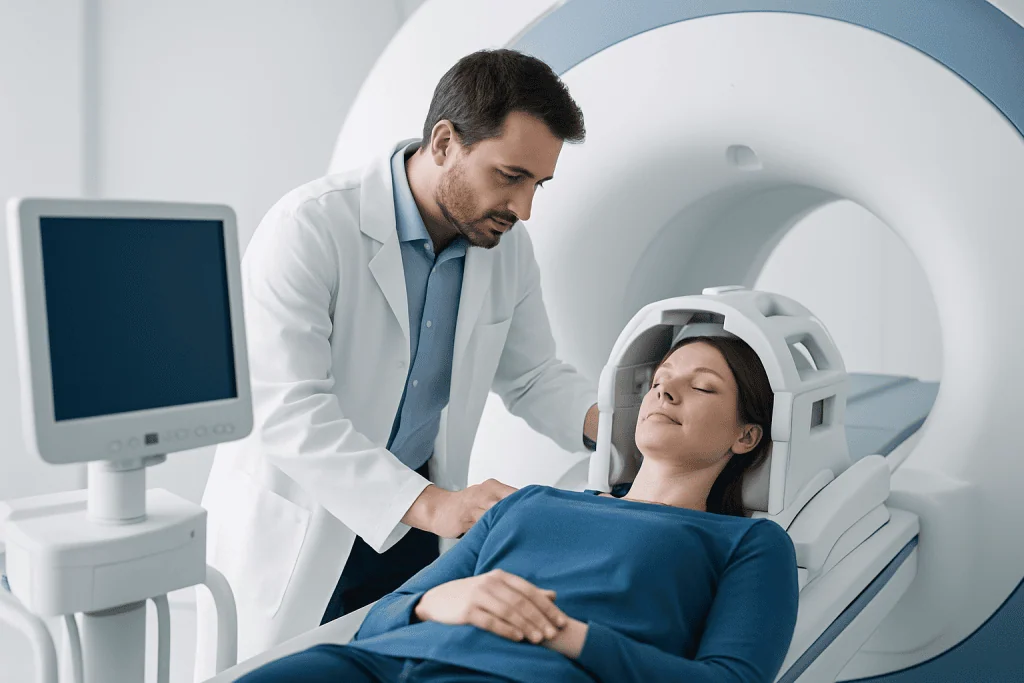
Testing may include blood tests to rule out other causes of cognitive or neurological symptoms, such as vitamin deficiencies, thyroid problems, or infections. Brain imaging, often with MRI or CT, can help identify structural changes and exclude other conditions such as stroke, bleeding, or tumors. In selected cases, doctors may use more specialized scans, neuropsychological testing, genetic testing, or nerve and muscle studies.
Because many neurodegenerative diseases share similar symptoms, diagnosis is sometimes a step-by-step process rather than a single test result. Follow-up visits may be needed to see how symptoms evolve over time. In centers with multidisciplinary expertise, patients may also benefit from movement disorder specialists, memory clinics, speech therapists, rehabilitation physicians, and nutrition professionals.
Treatment Options and Supportive Care
Treatment depends on the specific diagnosis, the stage of disease, and the symptoms that are most troubling. At present, many neurodegenerative diseases cannot be fully cured, but treatment can often slow symptom progression in some cases, relieve discomfort, support independence, and improve quality of life. A care plan often combines medication, rehabilitation, lifestyle support, and regular monitoring.
For conditions that affect movement, medicines may help reduce tremor, stiffness, or slowness. For memory-related conditions, some drugs may help support thinking or daily functioning for a period of time. In addition, physical therapy, occupational therapy, and speech therapy can help a person stay mobile, communicate more clearly, and manage swallowing or daily tasks. In selected situations, advanced care may include deep brain stimulation for certain movement disorders, physical therapy and rehabilitation, or speech and language therapy.
Nutrition support, mental health care, sleep management, and caregiver education are also important. As symptoms progress, home adaptations, mobility aids, and planning for future needs can make daily life safer and less stressful. Near the end of the care journey, palliative and supportive services may help focus on comfort, dignity, and symptom relief.
For international patients seeking specialist evaluation, Acibadem International’s multidisciplinary teams in JCI-accredited hospitals diagnose and treat neurodegenerative diseases with coordinated neurological, rehabilitation, and supportive care when appropriate.
Prevention, Brain Health, and Daily Self-care
There is no guaranteed way to prevent all neurodegenerative diseases, but some habits may support long-term brain and nerve health. Managing blood pressure, diabetes, and cholesterol, staying physically active, avoiding tobacco, limiting alcohol, and getting adequate sleep are sensible steps for overall neurological well-being. These measures are especially important because vascular health can influence memory and thinking later in life.
Mental and social activity may also be helpful. Reading, learning new skills, maintaining social connections, and staying engaged in meaningful routines can support cognitive function. For people already diagnosed with a neurodegenerative disease, regular exercise tailored to ability may help mobility, balance, mood, and fatigue.
Daily self-care should also include practical safety planning. This may involve reviewing driving, reducing fall risks at home, organizing medicines, using calendars or reminders, and asking for help early rather than waiting for a crisis. Caregivers also need support, rest, and reliable medical guidance, since long-term care can be emotionally and physically demanding.
When to See a Doctor
A person should see a doctor if there is persistent memory loss, repeated confusion, new tremor, slowing of movement, frequent falls, unexplained muscle weakness, speech changes, or trouble swallowing. While these symptoms do not always mean a neurodegenerative disease is present, they should not be ignored. Early assessment can identify treatable causes and help clarify what is happening.
Urgent medical attention is needed if symptoms come on suddenly, such as abrupt weakness, facial drooping, severe confusion, sudden trouble speaking, or rapid loss of balance, because these may suggest a stroke or another emergency rather than a slowly progressive neurological condition. Rapidly worsening swallowing or breathing problems also need prompt care.
Even when symptoms are mild, early diagnosis can help a person and family make informed decisions, begin treatment sooner, and access therapy and community support. A neurologist can guide the process and advise whether specialist testing or longer-term follow-up is needed.
Frequently asked questions
What are neurodegenerative diseases?
Neurodegenerative diseases are disorders in which nerve cells gradually become damaged and lose function over time. Depending on which areas are affected, they can cause problems with memory, thinking, movement, speech, swallowing, behavior, or muscle strength.
What are the most common neurodegenerative diseases?
The most commonly recognized neurodegenerative diseases include Alzheimer's disease, Parkinson's disease, amyotrophic lateral sclerosis (ALS), and Huntington's disease. Other important conditions include frontotemporal dementia, dementia with Lewy bodies, and multiple system atrophy.
Are neurodegenerative diseases hereditary?
Some are strongly hereditary, while others may have only a partial genetic contribution. Huntington's disease is a classic inherited disorder, whereas Alzheimer's disease, Parkinson's disease, and ALS can be linked to family history in some cases but often occur without a clear inherited pattern.
Can neurodegenerative diseases be cured?
Many neurodegenerative diseases cannot currently be cured. However, treatment can often help manage symptoms, support daily functioning, improve safety, and enhance quality of life through medicines, therapy, and ongoing care.
How are neurodegenerative diseases diagnosed?
Diagnosis usually involves a neurological examination, detailed symptom history, and tests to rule out other causes. Doctors may also use brain imaging, memory or thinking assessments, genetic testing in selected cases, and follow-up over time to confirm the diagnosis.
At what age do neurodegenerative diseases usually start?
Many begin later in life, especially Alzheimer's disease and Parkinson's disease, but they can also appear earlier depending on the condition. Huntington's disease often starts in mid-adulthood, and some forms of dementia or ALS can affect younger adults as well.
References
- World Health Organization
- National Institute on Aging
- National Institute of Neurological Disorders and Stroke
- Alzheimer's Association
- Parkinson's Foundation
This article is for general information only and is not a substitute for professional medical advice. Please consult a qualified doctor about your individual situation.
Neurodegenerative Diseases in Turkey — costs, top hospitals & a free quote
JCI-accredited · board-certified surgeons · reply within 24h
Add us as a Preferred Source to see more of our trusted health content across Google Search, AI Overviews and Discover.

Physical Medicine & Rehabilitation
Restoring movement and function after injury, surgery or neurological conditions.
150 specialists in this unitMore from the Health Library



Related Specialists

Prof. Dr. İbrahim Tuncay
Orthopedic Surgery & Traumatology
Dt. Eda Özdere
Oral & Dental Health
Dr. Duygu Demirbaş Keskin
Ear Nose & Throat
Prof. Dr. Resul Arisoy
Gynecology & Obstetrics