What Causes Brain Aneurysm Rupture? Risk Factors Doctors Watch Closely

A brain aneurysm rupture is a medical emergency that causes bleeding around the brain. Not all brain aneurysms rupture, but certain features make rupture more likely.
Key Takeaways
- A brain aneurysm rupture is a medical emergency that causes bleeding around the brain.
- Not all brain aneurysms rupture, but certain features make rupture more likely.
- Important risk factors include uncontrolled high blood pressure, smoking, age, family history, and aneurysm size or location.
- A sudden severe headache is a classic warning sign and needs urgent medical attention.
- Imaging tests such as CT, MRI, and angiography help diagnose aneurysms and bleeding.
- Treatment and follow-up aim to prevent rupture, control complications, and reduce future risk.
Brain aneurysm rupture occurs when a weak area in a brain artery bursts and bleeds into the space around the brain. Doctors watch closely for risk factors such as high blood pressure, smoking, aneurysm size, and family history because early evaluation can help prevent serious complications.
Overview
A brain aneurysm is a weak or bulging area in the wall of an artery in the brain. Many aneurysms are small and never cause symptoms. However, if the wall becomes too fragile, the aneurysm can rupture, leading to bleeding in the space around the brain, often called a subarachnoid hemorrhage.
When a brain aneurysm rupture happens, it is a medical emergency. The bleeding can suddenly raise pressure inside the skull, irritate the brain and its surrounding tissues, and reduce normal blood flow. Fast diagnosis and treatment are important because early care can improve outcomes and lower the chance of further complications.
Doctors pay close attention to rupture risk because some aneurysms are more likely to bleed than others. The overall risk depends on a combination of factors, including the aneurysm’s size, shape, and location, as well as the person’s age, blood pressure, smoking history, and family background.
What Causes a Brain Aneurysm to Rupture?
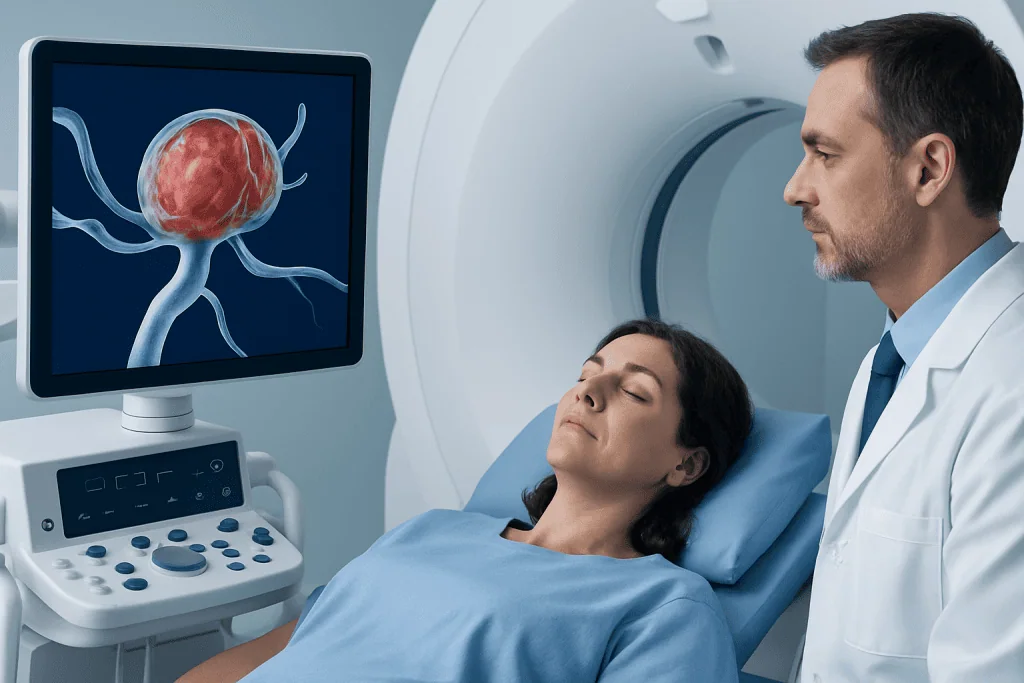
A rupture happens when the wall of an aneurysm can no longer withstand the force of blood flowing through it. Over time, constant pressure inside the artery may stress the weakened area. If the vessel wall becomes thinner or more unstable, it may tear and bleed.
In many cases, rupture is not caused by one single event but by a gradual combination of vessel weakness and ongoing strain. High blood pressure is especially important because it increases force against the artery wall. Smoking also appears to damage blood vessels and increase inflammation, making rupture more likely.
Doctors also look at the aneurysm itself. Larger aneurysms generally have a higher chance of rupture than very small ones, although small aneurysms can rupture too. Irregularly shaped aneurysms, such as those with small outpouchings or uneven walls, may be considered less stable and need careful monitoring.
Some ruptures happen during routine daily activity, while others occur during sudden physical strain or emotional stress. Still, many people cannot identify a clear trigger. This is why preventive evaluation is based more on underlying risk factors than on trying to predict one exact moment of rupture.
Risk Factors Doctors Watch Closely

Doctors assess both personal health factors and aneurysm-related features. Uncontrolled high blood pressure is one of the most important concerns because it places continuous stress on already weakened blood vessels. Smoking is another major risk factor and is strongly linked to aneurysm formation, growth, and rupture.
Family history matters as well. A person may have a higher risk if close relatives have had a brain aneurysm or aneurysm rupture. Certain inherited conditions that affect blood vessels or connective tissue may also increase risk. In addition, aneurysms are seen more often in adults than in children, and risk patterns can change with age and sex.
The aneurysm’s size and location are central to decision-making. Aneurysms in some areas of the brain circulation may carry higher rupture risk than others. Doctors may be especially cautious if the aneurysm is growing over time, has an irregular shape, or has caused symptoms such as headaches, eye pain, or nerve compression.
Other factors that may contribute include heavy alcohol use, stimulant drug use, and a history of previous aneurysm rupture. Risk is usually assessed individually rather than by one factor alone. The goal is to balance the natural risk of rupture against the risks and benefits of treatment.
- High blood pressure
- Smoking or tobacco exposure
- Family history of aneurysm
- Larger size or irregular shape
- Certain aneurysm locations
- Growth seen on follow-up imaging
- Heavy alcohol use or stimulant drugs
- Certain inherited vessel or connective tissue disorders
Symptoms of Rupture and Warning Signs
The classic symptom of brain aneurysm rupture is a sudden, severe headache that may be described as the worst headache of a person’s life. This headache often begins abruptly and may be accompanied by nausea, vomiting, neck stiffness, sensitivity to light, or blurred vision. Some people may collapse, become confused, or lose consciousness.
A rupture can also cause seizures, weakness, trouble speaking, or changes in alertness. Symptoms vary depending on the amount of bleeding and how the brain is affected. Because the situation can worsen quickly, any sudden severe headache or new neurological symptom should be treated as urgent.
Not all aneurysms rupture without warning. Some cause symptoms before bleeding because they press on nearby nerves or brain structures. These symptoms can include pain around the eye, a drooping eyelid, double vision, or unusual headaches. These signs do not always mean rupture is about to happen, but they do need prompt medical assessment.
Sometimes a small leak may occur before a major rupture. This can cause a sudden unusual headache days or weeks earlier. Although not everyone has this warning, doctors take these reports seriously because early evaluation may identify an aneurysm before a larger bleed occurs.
How Doctors Diagnose Brain Aneurysm Rupture
Diagnosis starts with emergency evaluation and brain imaging. A CT scan is often the first test because it can quickly show bleeding around the brain. If the first scan does not fully explain symptoms, doctors may order additional testing based on how recent the headache was and how strongly a rupture is suspected.
To look for the aneurysm itself, specialists may use CT angiography, MR angiography, or catheter angiography. These tests help show the blood vessels in detail and can reveal the aneurysm’s size, shape, and exact location. This information is important for deciding on treatment and reducing the risk of another bleed.
If bleeding is confirmed, the care team also watches for complications such as narrowing of blood vessels, fluid buildup, or changes in brain pressure. In some patients, advanced neurological monitoring is needed in an intensive care setting. Care may involve neurologists, neurosurgeons, and interventional neuroradiology specialists working together.
When an aneurysm is found before rupture, doctors focus on estimating future risk. They consider symptoms, aneurysm characteristics, family history, and overall health. In some cases, regular imaging follow-up is appropriate; in others, preventive treatment may be recommended. Related conditions such as stroke are also considered when symptoms overlap or bleeding affects blood flow to the brain.
Treatment Options
Treatment depends on whether the aneurysm has ruptured, how stable the patient is, and the aneurysm’s anatomy. A ruptured aneurysm usually needs urgent treatment to prevent rebleeding. The two main approaches are surgical clipping and endovascular treatment, such as brain aneurysm coiling. The best option depends on the aneurysm’s size, neck shape, and location in the brain.
Surgical clipping involves placing a small clip across the base of the aneurysm through an operation on the skull. Endovascular techniques reach the aneurysm from inside the blood vessels, usually through a catheter. Depending on the case, specialists may also use interventional neuroradiology techniques to seal or stabilize the aneurysm with minimally invasive methods.
After rupture, treatment also focuses on managing complications. This may include careful blood pressure control, monitoring in intensive care, support for breathing if needed, and treatment for vessel spasm, hydrocephalus, or seizures. Recovery varies widely, and rehabilitation may be helpful if the bleed causes lasting neurological effects.
For unruptured aneurysms, treatment decisions are more individualized. Some aneurysms are monitored with repeat imaging and risk-factor control, while others are treated proactively if the estimated rupture risk is high. In complex cases, teams in neurosurgery and vascular brain care review imaging together to choose the safest plan.
Prevention and Self-care
It is not always possible to prevent a brain aneurysm from forming, but certain steps may lower the chance of rupture. The most important are controlling blood pressure and avoiding smoking. Following a treatment plan for hypertension, attending regular medical appointments, and taking prescribed medicines as directed can make an important difference.
General vascular health also matters. Limiting heavy alcohol use, avoiding stimulant drugs, staying physically active within a doctor’s guidance, and eating a balanced diet all support blood vessel health. People with a known aneurysm should speak with their doctor before making major changes to exercise routines or activities if they are unsure what is safe.
If there is a strong family history of aneurysm, screening may sometimes be discussed, especially when more than one close relative has been affected. Screening decisions are individualized because imaging has benefits and limitations. The goal is to identify people who may benefit from closer surveillance without causing unnecessary procedures.
Near the end of the care journey, patients often need ongoing follow-up even after treatment. Some aneurysms require repeat imaging to confirm they remain sealed or unchanged. Acibadem International’s multidisciplinary specialists in JCI-accredited hospitals diagnose and treat brain aneurysms for international patients, with care plans based on the aneurysm’s features and the person’s overall health.
When to See a Doctor
Immediate emergency care is needed for a sudden severe headache, especially if it is unlike any previous headache. Emergency help is also important for fainting, seizure, sudden confusion, weakness, trouble speaking, double vision, or a stiff neck with a severe headache. These symptoms can be caused by a ruptured aneurysm or another serious brain condition and should not be ignored.
A person should also arrange prompt medical evaluation for unusual headaches that are new, severe, or associated with eye pain, drooping eyelid, or vision changes. People who know they have an unruptured aneurysm should keep scheduled follow-up visits and ask what warning signs to watch for at home.
Individuals with strong family history, uncontrolled high blood pressure, or active smoking may benefit from discussing aneurysm risk with a qualified doctor. Early advice does not always lead to treatment, but it can help identify who needs imaging, monitoring, or lifestyle changes. Reassuringly, many aneurysms can be managed successfully when they are identified and assessed in time.
Frequently asked questions
What is the most common cause of brain aneurysm rupture?
There is usually not one single cause. Rupture most often happens when a weakened artery wall is exposed to ongoing stress, especially from high blood pressure and smoking. The aneurysm's size, shape, and location also affect risk.
Can a small brain aneurysm rupture?
Yes, a small brain aneurysm can rupture, although the risk is often lower than with larger aneurysms. Size is important, but it is not the only factor doctors consider. Shape, growth over time, symptoms, and family history also matter.
What does a ruptured brain aneurysm feel like?
Many people describe it as a sudden, extremely severe headache. It may come with nausea, vomiting, neck stiffness, light sensitivity, confusion, or loss of consciousness. Any sudden severe headache needs urgent medical attention.
Can stress cause a brain aneurysm to rupture?
Emotional or physical stress may temporarily raise blood pressure, which can add strain to a vulnerable aneurysm. However, stress alone is usually not the whole explanation. Doctors focus more on the underlying aneurysm and ongoing risk factors such as hypertension and smoking.
How do doctors know if an aneurysm is likely to rupture?
Doctors use imaging tests and a detailed risk assessment. They look at aneurysm size, location, shape, any change over time, symptoms, and the person's overall health and family history. This helps them decide whether monitoring or treatment is the safer option.
Can brain aneurysm rupture be prevented?
Prevention is not always possible, but risk can often be reduced. Controlling blood pressure, stopping smoking, avoiding stimulant drugs, and following up on known aneurysms are key steps. In some people, preventive treatment is recommended to lower the chance of rupture.
References
- World Health Organization
- American Heart Association
- National Institute of Neurological Disorders and Stroke
- Brain Aneurysm Foundation
- National Health Service
This article is for general information only and is not a substitute for professional medical advice. Please consult a qualified doctor about your individual situation.
Explore treatments in Turkey — costs, top hospitals & a free quote
JCI-accredited · board-certified surgeons · reply within 24h
Add us as a Preferred Source to see more of our trusted health content across Google Search, AI Overviews and Discover.
Check your numbers in seconds
BMI, calories, due date, blood pressure and 30+ more clinical calculators — free, instant, doctor-reviewed ranges.

More from the Health Library



Related Specialists

Asst. Prof. Dr. Sibel Yıldırım Moral
Otorhinolaryngology
Dr. Nalyan Shener Gulagiz
Emergency Service
Dr. İkbale Yılmaz Can
Pediatrics
Dr. Nevin Sarıgüzel
Infectious Diseases & Clinical Microbiology