What Does a Collapsed Lung Feel Like?

A collapsed lung commonly feels like sudden, sharp chest pain with shortness of breath. Symptoms may be mild or severe, depending on the size and cause of the collapse.
Key Takeaways
- A collapsed lung commonly feels like sudden, sharp chest pain with shortness of breath.
- Symptoms may be mild or severe, depending on the size and cause of the collapse.
- A collapsed lung can happen after injury, lung disease, or sometimes without a clear trigger.
- Diagnosis usually involves a physical exam and imaging such as a chest X-ray or CT scan.
- Treatment may range from observation to procedures that remove air and allow the lung to re-expand.
- Urgent medical care is important for sudden chest pain, breathing trouble, or worsening symptoms.
A collapsed lung, also called pneumothorax, often causes sudden chest pain and shortness of breath. The feeling can range from mild discomfort to more noticeable breathing difficulty, depending on how much of the lung has collapsed and why it happened.
Overview: What is a collapsed lung?
A collapsed lung, medically called a pneumothorax, happens when air enters the space between the lung and the chest wall. This space is known as the pleural space. When air collects there, it can press on the lung and prevent it from fully expanding.
Many people use the phrase “collapsed lung” to describe this condition because part or all of the lung may shrink inward. The amount of collapse can vary. In some cases, only a small portion of the lung is affected and symptoms are mild. In others, the collapse is larger and breathing becomes much more difficult.
A collapsed lung may happen suddenly after an injury, after a medical procedure, or as a complication of lung disease. It can also occur in otherwise healthy people, especially tall, thin young adults, without an obvious cause. Because chest pain and breathlessness can have several causes, it is important to have these symptoms assessed by a qualified doctor.
What does a collapsed lung feel like?
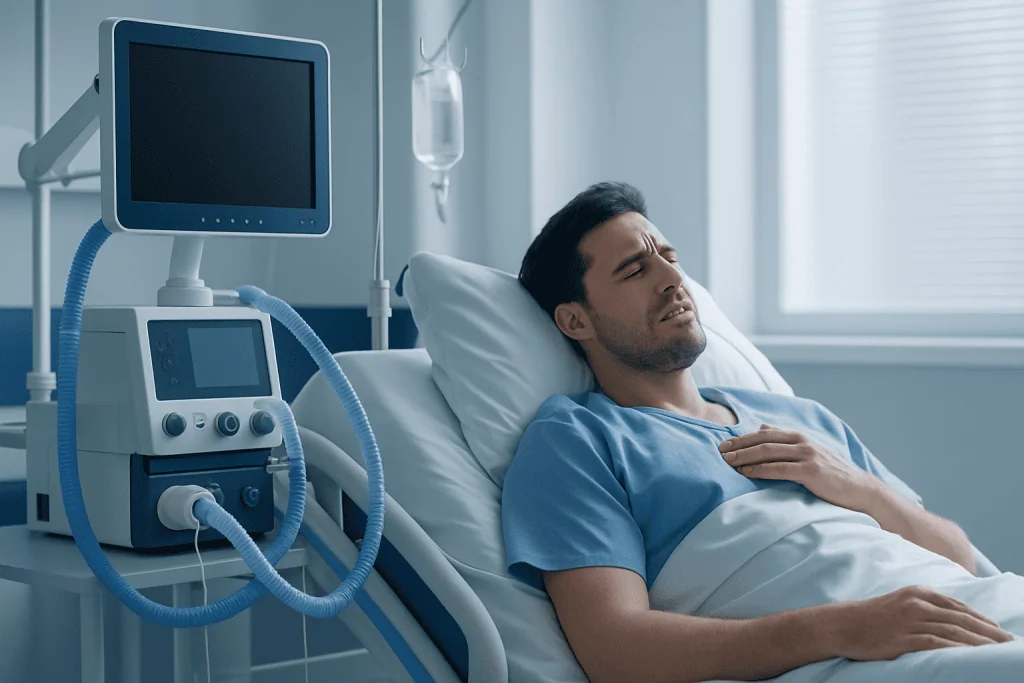
For many people, a collapsed lung feels like a sudden, sharp pain on one side of the chest. The pain may begin at rest or during activity and is often described as stabbing or worse with a deep breath. Some people also notice tightness in the chest or discomfort in the shoulder or back.
Shortness of breath is another common symptom. This may feel like being unable to take a full breath, breathing faster than usual, or becoming winded with little effort. If the collapse is small, symptoms may be subtle. If it is larger, breathing can feel clearly difficult and uncomfortable.
Other symptoms can include a dry cough, a racing heartbeat, fatigue, or a sense of anxiety related to trouble breathing. In more serious cases, the skin may look pale or bluish, and a person may feel dizzy or faint. A severe form called tension pneumothorax is a medical emergency because pressure builds inside the chest and affects both breathing and circulation.
- Sudden sharp chest pain, often on one side
- Shortness of breath or rapid breathing
- Chest tightness
- Dry cough
- Fast heart rate
- Dizziness or faintness in severe cases
Causes and risk factors
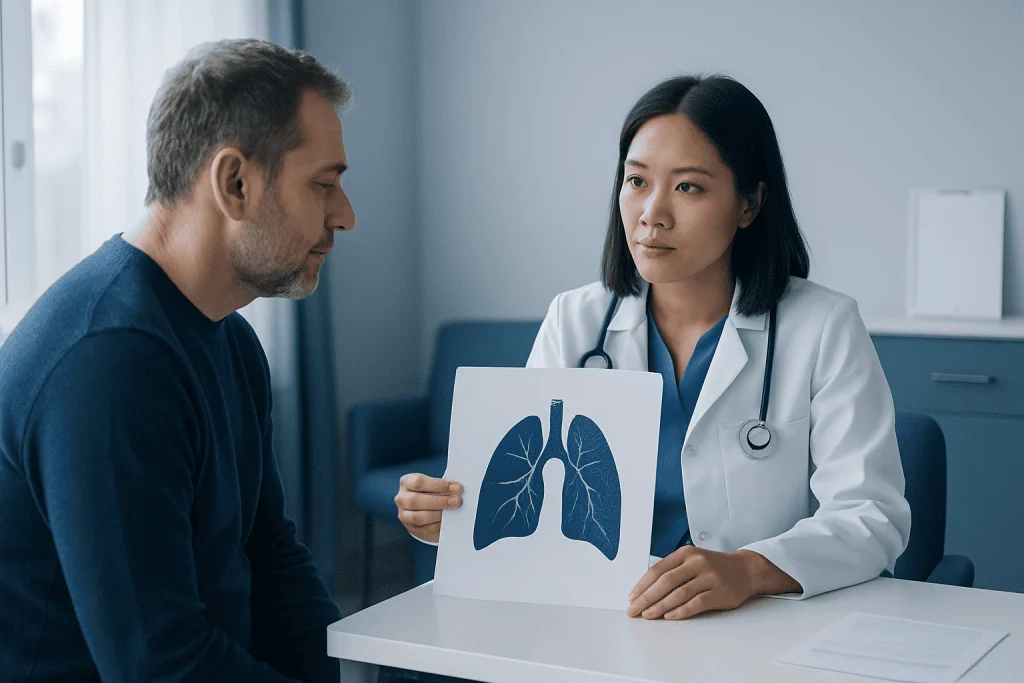
A collapsed lung can happen for several reasons. A spontaneous pneumothorax occurs without a major injury. This may happen when a small air blister on the lung surface, called a bleb, ruptures. It is more often seen in tall, thin people and in those who smoke. Smoking increases the risk because it can damage lung tissue and promote bleb formation.
Secondary pneumothorax happens in people who already have lung disease. Conditions such as chronic obstructive pulmonary disease, severe asthma, cystic fibrosis, pneumonia, tuberculosis, or lung cancer can weaken the lungs and make collapse more likely. In these situations, even a smaller pneumothorax may cause more noticeable symptoms because the lungs are already less able to work efficiently.
Traumatic pneumothorax can result from chest injuries, such as a car accident, a fall, sports trauma, or a fractured rib. It may also occur after certain medical procedures involving the chest or lungs, including biopsy, ventilation, or line placement. Changes in air pressure, such as during flying or diving, may also be relevant in some situations, particularly for people with an untreated pneumothorax.
Risk factors may include smoking, underlying lung disease, previous pneumothorax, family history, and certain connective tissue disorders. Some people are more likely to have repeat episodes, especially if the underlying cause remains.
How a collapsed lung is diagnosed
Doctors begin by asking about symptoms, when they started, and whether there was any recent injury, illness, or procedure. During the physical exam, they may listen to the chest with a stethoscope. Breath sounds may be reduced on the affected side, although this finding alone is not enough to confirm the diagnosis.
Imaging tests are usually needed. A chest X-ray is the most common first test and can often show air in the pleural space and how much of the lung is affected. In some cases, an ultrasound can help identify a pneumothorax quickly, especially in emergency settings. A CT scan may be used when the diagnosis is uncertain, when the pneumothorax is small, or when doctors want more detail about the lungs.
If symptoms are severe, doctors will also check oxygen levels, heart rate, blood pressure, and signs of breathing distress. This helps determine whether urgent treatment is needed right away. Because chest pain and shortness of breath may also occur with conditions such as pulmonary embolism, pneumonia, asthma, or heart problems, careful assessment is important.
Treatment options for a collapsed lung
Treatment depends on the size of the pneumothorax, the cause, the severity of symptoms, and whether it has happened before. A very small collapsed lung with minimal symptoms may only need observation, rest, and follow-up imaging. Sometimes the trapped air is reabsorbed by the body over time, allowing the lung to re-expand on its own.
If symptoms are more noticeable or the collapse is larger, doctors may remove the air from the pleural space. This can be done with a needle or a chest tube, which helps the lung expand again. In some patients, additional support such as oxygen may be given while recovery is monitored. Patients with trauma, significant breathing difficulty, or an underlying lung condition may need hospital care.
When pneumothorax comes back repeatedly or there is a persistent air leak, further treatment may be recommended. This can include procedures to help seal the leak or surgery to prevent recurrence, such as thoracic surgery. If an underlying condition is contributing, doctors will also address that problem, whether it involves lung cancer treatment or management of chronic lung disease.
Recovery time varies. Some people improve quickly after treatment, while others need longer follow-up. Doctors usually advise avoiding air travel, scuba diving, and heavy exertion for a period of time until the lung has fully healed and imaging confirms recovery.
Prevention and self-care after treatment
Not every collapsed lung can be prevented, but some steps may lower the risk of a first episode or recurrence. The most important is avoiding smoking and vaping. Tobacco smoke and inhaled irritants can damage the lungs and increase the chance of future pneumothorax.
People with chronic lung disease should follow their treatment plan closely and attend regular medical appointments. Good control of conditions such as asthma or COPD can help protect lung function. After a collapsed lung, it is also important to follow instructions about activity, travel, and repeat imaging.
Self-care during recovery usually includes resting as advised, taking medications only as directed, and watching for any return of symptoms. A person should seek medical advice before returning to strenuous exercise, flying, or diving. In suitable cases, specialists may evaluate related lung issues with tools such as bronchoscopy if there is a concern about airway or lung disease contributing to symptoms.
When to see a doctor
Sudden chest pain and shortness of breath should always be taken seriously. Anyone who develops these symptoms should seek prompt medical attention, even if they seem mild at first. A collapsed lung cannot be confirmed based on symptoms alone, and early evaluation can help prevent complications.
Emergency care is especially important if breathing becomes harder, chest pain worsens, the lips or skin appear bluish, or the person feels faint or confused. These may be signs of a more severe problem, including tension pneumothorax, which needs urgent treatment.
People who have had a collapsed lung before should be alert for recurrence, because repeat episodes can happen. Near the end of treatment planning, some patients may benefit from coordinated care from chest physicians, surgeons, and imaging specialists. Acibadem International’s multidisciplinary specialists in JCI-accredited hospitals diagnose and treat collapsed lung and related respiratory conditions for international patients.
Frequently asked questions
Does a collapsed lung always cause severe pain?
Not always. Some people have sudden sharp pain, while others notice only mild discomfort or shortness of breath. The symptoms often depend on how much of the lung has collapsed and whether there is an underlying lung condition.
Can a collapsed lung heal on its own?
Yes, a small collapsed lung may sometimes heal on its own with careful monitoring. However, a doctor still needs to evaluate it and decide whether observation is safe. Larger or more symptomatic cases often need a procedure to remove the trapped air.
Is a collapsed lung the same as difficulty breathing from asthma?
No. Asthma and a collapsed lung can both cause shortness of breath, but they are different conditions. Because the symptoms can overlap, medical evaluation is important to find the exact cause and choose the right treatment.
Can a collapsed lung happen without an injury?
Yes. This is called a spontaneous pneumothorax, and it can occur without trauma. It is sometimes linked to small blebs on the lung surface, smoking, body build, or underlying lung disease.
How long does recovery from a collapsed lung take?
Recovery varies depending on the size of the collapse, the cause, and the treatment used. Some people recover in days, while others need longer follow-up and repeat imaging. A doctor will advise when normal activity, travel, and exercise can safely resume.
Can a collapsed lung come back?
Yes, recurrence is possible. The risk may be higher in people who smoke, have certain lung diseases, or have had a previous pneumothorax. Following medical advice and addressing risk factors can help reduce the chance of another episode.
References
- National Heart, Lung, and Blood Institute
- American Lung Association
- National Health Service
- Merck Manual
- American College of Chest Physicians
This article is for general information only and is not a substitute for professional medical advice. Please consult a qualified doctor about your individual situation.
Explore treatments in Turkey — costs, top hospitals & a free quote
JCI-accredited · board-certified surgeons · reply within 24h
Add us as a Preferred Source to see more of our trusted health content across Google Search, AI Overviews and Discover.
Check your numbers in seconds
BMI, calories, due date, blood pressure and 30+ more clinical calculators — free, instant, doctor-reviewed ranges.