What Is a Dangerously Low Oxygen Level? A Doctor-Reviewed Answer

For many adults, an oxygen saturation below 90% is generally considered dangerously low and needs prompt medical evaluation. A single low pulse oximeter reading is not always accurate; cold hands, nail polish, movement, or poor device fit can affect the result.
Key Takeaways
- For many adults, an oxygen saturation below 90% is generally considered dangerously low and needs prompt medical evaluation.
- A single low pulse oximeter reading is not always accurate; cold hands, nail polish, movement, or poor device fit can affect the result.
- Low oxygen can be caused by lung, heart, blood, sleep-related, or circulation problems, as well as infections such as pneumonia.
- Emergency warning signs include severe shortness of breath, chest pain, confusion, bluish lips or face, or rapidly worsening symptoms.
- Doctors confirm low oxygen with a medical history, examination, pulse oximetry, and sometimes blood gas testing, imaging, or lung and heart tests.
In most adults, a dangerously low oxygen level usually means an oxygen saturation below 90%, especially if it is persistent or accompanied by symptoms such as shortness of breath, chest pain, confusion, or blue lips. Brief or borderline low readings can sometimes happen for harmless reasons, but a doctor should assess readings that stay low or do not match how the person feels.
Overview: What counts as dangerously low oxygen?
For most adults, oxygen saturation is measured as a percentage called SpO2, usually with a fingertip pulse oximeter. A normal reading is often around 95% to 100%, although a person’s usual baseline can vary. In general, a reading below 90% is considered low enough to need prompt medical assessment, especially if it persists or comes with symptoms.
That said, not every unexpectedly low reading means there is an emergency. Home pulse oximeters can be affected by cold fingers, dark nail polish, artificial nails, skin perfusion, movement, and improper placement. Sometimes a person feels well and the reading improves after warming the hands, sitting still, and repeating the test correctly.
The safest way to think about oxygen readings is to combine the number with the whole picture. A mild drop that quickly corrects may not be serious, but a sustained reading under 90%, or a reading that keeps falling, deserves urgent medical review. Even readings in the low 90s can be concerning in someone with breathing symptoms, fever, chest discomfort, or known heart or lung disease.
Why oxygen levels matter in the body
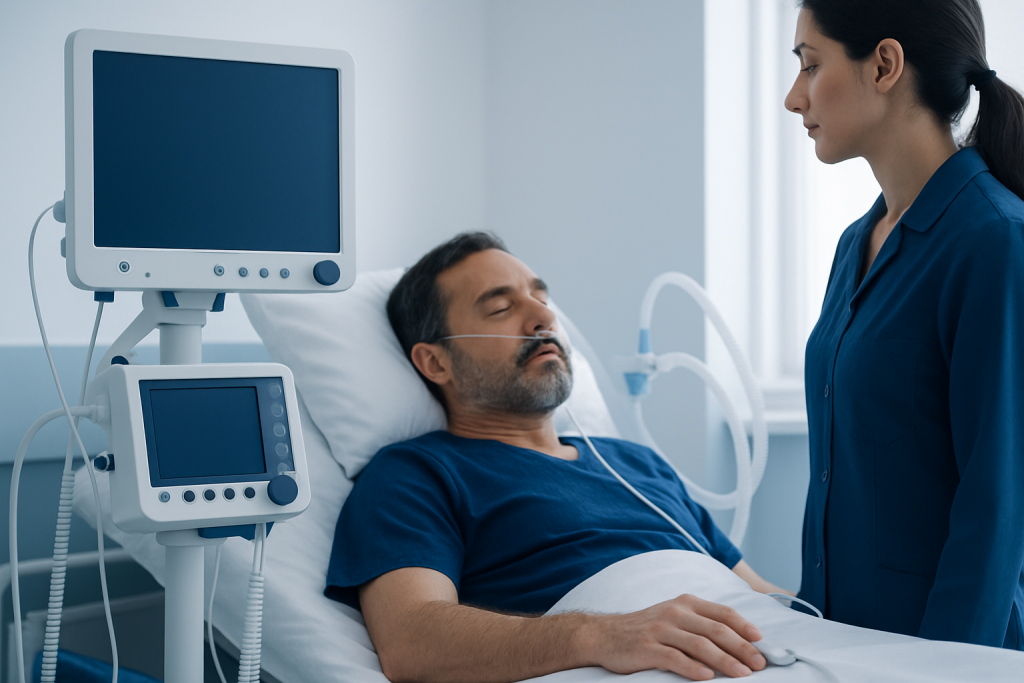
Oxygen is needed by every organ, especially the brain, heart, and muscles. The lungs move oxygen into the bloodstream, and the heart and blood vessels deliver it around the body. If blood oxygen falls too low, tissues may not get what they need to function normally.
When oxygen levels drop, the body often tries to compensate by increasing breathing rate and heart rate. A person may notice breathlessness, fatigue, a racing heart, or trouble thinking clearly. If the drop is more significant, symptoms can become more obvious and urgent.
Doctors also distinguish between oxygen saturation on a pulse oximeter and the deeper cause of low oxygen, called hypoxemia. The reading is a clue, not a diagnosis by itself. The important next step is understanding why the oxygen is low and whether the person needs immediate treatment.
Symptoms and warning signs of low oxygen

Low oxygen does not always feel dramatic at first. Some people notice only mild shortness of breath, faster breathing, tiredness, headache, or feeling less able to exercise. Others may feel anxious, lightheaded, or unusually sleepy.
More concerning symptoms can suggest that the oxygen level is low enough to affect vital organs. These include chest pain, confusion, trouble speaking in full sentences, severe breathlessness at rest, bluish or gray lips, face, or fingertips, and fainting. In children, signs may include flaring nostrils, chest pulling in with breathing, poor feeding, or unusual sleepiness.
It is also possible to have low oxygen with less obvious symptoms, particularly in older adults or people with chronic lung disease. That is why the trend matters. A reading that keeps dropping, or symptoms that are steadily worsening, should not be ignored.
- Mild possible signs: tiredness, headache, shortness of breath with activity, faster pulse
- More urgent signs: breathlessness at rest, blue lips, confusion, chest pain, fainting
- Special caution: older adults, infants, and people with chronic lung or heart conditions may present differently
Common causes and who may be at risk
Low oxygen can happen for many reasons. Common causes include asthma flares, chronic obstructive pulmonary disease, pneumonia, sleep apnea, severe allergic reactions, blood clots in the lungs, heart failure, and some heart rhythm or structural heart problems. Lung scarring, fluid in the lungs, and certain neuromuscular conditions can also interfere with normal breathing.
Temporary low readings may happen at high altitude, during acute respiratory infections, or after heavy exertion in someone who is already unwell. Problems with blood flow to the fingers or a device issue can also create readings that look lower than they truly are. A person with chronic lung disease may live with a lower baseline than average, but that baseline should be discussed with their doctor rather than guessed.
Doctors also think about risk factors. Smoking, older age, obesity, recent surgery, immobility, chronic heart or lung disease, and recent infection can all raise concern. If there are symptoms of infection or chest symptoms, a doctor may investigate problems such as pneumonia or a flare of COPD.
How a doctor checks a low oxygen reading
If a home pulse oximeter shows a low number, a doctor will first ask whether the reading seems reliable and whether there are symptoms. They may repeat pulse oximetry under better conditions, compare it with the person’s appearance and breathing, and review any known medical conditions. The pattern matters: a stable reading, a falling trend, and oxygen levels during activity or sleep can point to different causes.
A medical evaluation often includes listening to the lungs and heart, measuring respiratory rate, temperature, pulse, and blood pressure, and checking for signs of distress. In some situations, a doctor may order an arterial blood gas test, which directly measures oxygen and carbon dioxide in the blood and can be more precise than a home device.
Further tests depend on the suspected cause. These may include a chest X-ray or CT scan, blood tests, an electrocardiogram, lung function testing, or studies for sleep-disordered breathing. If the doctor suspects a more specific problem, treatment may involve bronchoscopy to examine the airways or pulmonary function tests to assess how well the lungs are working.
Treatment options and what happens next
Treatment focuses on both the oxygen level and the reason it is low. If the person is significantly short of breath, unwell, or persistently under 90%, medical teams may give supplemental oxygen while they identify the cause. Oxygen can help support the body, but it is not the only treatment and is not always enough by itself.
Specific treatment depends on the diagnosis. Infections may need appropriate medicines and monitoring. Asthma or COPD flares may require inhaled treatments, steroids, or other supportive care. Heart-related causes may need their own work-up and management, while a blood clot in the lungs needs urgent assessment and treatment.
Some people with chronic disease need a longer-term plan rather than emergency care alone. This may include inhaler review, pulmonary rehabilitation, sleep apnea evaluation, or home oxygen in selected cases after formal testing. Near the end of the diagnostic pathway, some patients may be referred for oxygen therapy if a specialist confirms it is appropriate and beneficial.
When to seek medical care
Emergency care is appropriate if oxygen saturation is below 90% and the person has severe shortness of breath, chest pain, confusion, blue or gray lips, fainting, or rapidly worsening symptoms. Immediate help is also important if the reading stays low despite repeating the test correctly, or if the person has a known heart or lung condition and feels significantly worse than usual.
Urgent same-day medical advice is sensible for repeated readings in the low 90s, especially if there is fever, cough, wheezing, new fatigue, or breathlessness with little activity. A doctor can decide whether the issue is a temporary error, a mild illness that can be monitored, or something that needs prompt treatment.
If a person feels well but notices one unexpectedly low home reading, it is reasonable to sit down, warm the hands, remove nail polish if possible, place the device properly, and repeat the test after a few minutes. If the number returns to normal and there are no symptoms, it may have been a measurement problem. If it remains low or there is any doubt, medical advice is the safest next step.
Self-care, monitoring, and living with oxygen concerns
Home pulse oximeters can be useful, but they work best when used consistently and correctly. Readings should be interpreted in context, not in isolation. Keeping a simple record of symptoms, oxygen levels at rest, and any changes with walking or sleep can help a doctor understand the pattern more clearly.
General self-care measures support lung and heart health. These include avoiding smoking, staying up to date with vaccinations when recommended, managing asthma or COPD treatment plans carefully, and seeking early care for chest infections. People with chronic conditions should ask their doctor what oxygen range is normal for them and when they should seek help.
For international patients who need specialist assessment, Acibadem International’s multidisciplinary teams in JCI-accredited hospitals evaluate and treat low-oxygen conditions with lung, heart, and imaging support when needed. The goal is to identify the cause accurately and create a treatment plan that matches the individual’s health needs.
Frequently asked questions
What is considered a dangerously low oxygen level on a pulse oximeter?
For most adults, an oxygen saturation below 90% is generally considered dangerously low and should be assessed promptly. The exact level of concern also depends on symptoms, the person’s usual baseline, and whether the reading is persistent or falling.
Can a pulse oximeter give a false low reading?
Yes. Cold hands, movement, poor circulation, nail polish, artificial nails, and incorrect placement can all interfere with the reading. If the number seems unexpected, it is sensible to repeat the test calmly after warming the hands and sitting still.
Is 92% oxygen level dangerous?
A reading of 92% is not automatically an emergency, but it is lower than expected for many healthy adults. It may need prompt medical advice if it is persistent, if the person has symptoms, or if they have heart or lung disease.
What symptoms suggest low oxygen needs urgent medical attention?
Warning signs include severe shortness of breath, chest pain, confusion, bluish or gray lips, fainting, or symptoms that are rapidly worsening. These symptoms matter even if the pulse oximeter reading is uncertain.
Can someone have low oxygen without feeling very short of breath?
Yes. Some people, especially older adults or those with chronic lung disease, may not feel dramatic breathlessness at first. Fatigue, headache, sleepiness, or confusion can sometimes be the main clues.
What will a doctor do if oxygen levels are low?
A doctor will review symptoms, repeat oxygen measurements, examine the lungs and heart, and decide whether oxygen is needed right away. They may also order tests such as blood work, imaging, lung function tests, or blood gas analysis to find the cause.
References
- American Thoracic Society
- National Heart, Lung, and Blood Institute
- Centers for Disease Control and Prevention
- National Health Service
- World Health Organization
This article is for general information only and is not a substitute for professional medical advice. Please consult a qualified doctor about your individual situation.
Explore treatments in Turkey — costs, top hospitals & a free quote
JCI-accredited · board-certified surgeons · reply within 24h
Add us as a Preferred Source to see more of our trusted health content across Google Search, AI Overviews and Discover.
Check your numbers in seconds
BMI, calories, due date, blood pressure and 30+ more clinical calculators — free, instant, doctor-reviewed ranges.