

What Is a Hysterectomy: Procedure, Recovery and Results

Hysterectomy removes the uterus and permanently ends the ability to carry a pregnancy. It may be recommended for fibroids, severe abnormal bleeding, endometriosis, prolapse, chronic pelvic pain in selected cases, or gynecologic cancer.
Key Takeaways
- Hysterectomy removes the uterus and permanently ends the ability to carry a pregnancy.
- It may be recommended for fibroids, severe abnormal bleeding, endometriosis, prolapse, chronic pelvic pain in selected cases, or gynecologic cancer.
- The uterus may be removed through the vagina, small abdominal incisions, or an open abdominal incision.
- Recovery commonly takes about 2 to 6 weeks, depending largely on the surgical approach and the person’s overall health.
- Removing the ovaries can trigger menopause if a person has not already reached menopause, while removing the uterus alone does not usually do so.
A hysterectomy is an operation that removes the uterus (womb), so menstrual periods stop and pregnancy is no longer possible. The type of surgery, expected recovery, and whether the ovaries or cervix are removed depend on the reason for treatment and the individual’s health needs.
Overview: What Is a Hysterectomy?
What is a hysterectomy? A hysterectomy is a surgical procedure to remove the uterus, also called the womb. After the uterus is removed, a person no longer has menstrual periods and cannot become pregnant or carry a pregnancy.
The procedure may be performed to treat noncancerous conditions that significantly affect quality of life, including uterine fibroids, heavy menstrual bleeding, endometriosis, adenomyosis, pelvic organ prolapse, or persistent pelvic pain when other causes and treatments have been carefully considered. It is also an important treatment for some cancers of the uterus, cervix, ovary, or nearby reproductive tissues.
A hysterectomy is permanent, so the decision is usually made after a discussion of symptoms, future fertility wishes, alternatives, expected benefits, and possible risks. In some situations, less invasive treatments may be appropriate; in others, surgery offers the most effective or safest option.
Types of Hysterectomy and What Is Removed
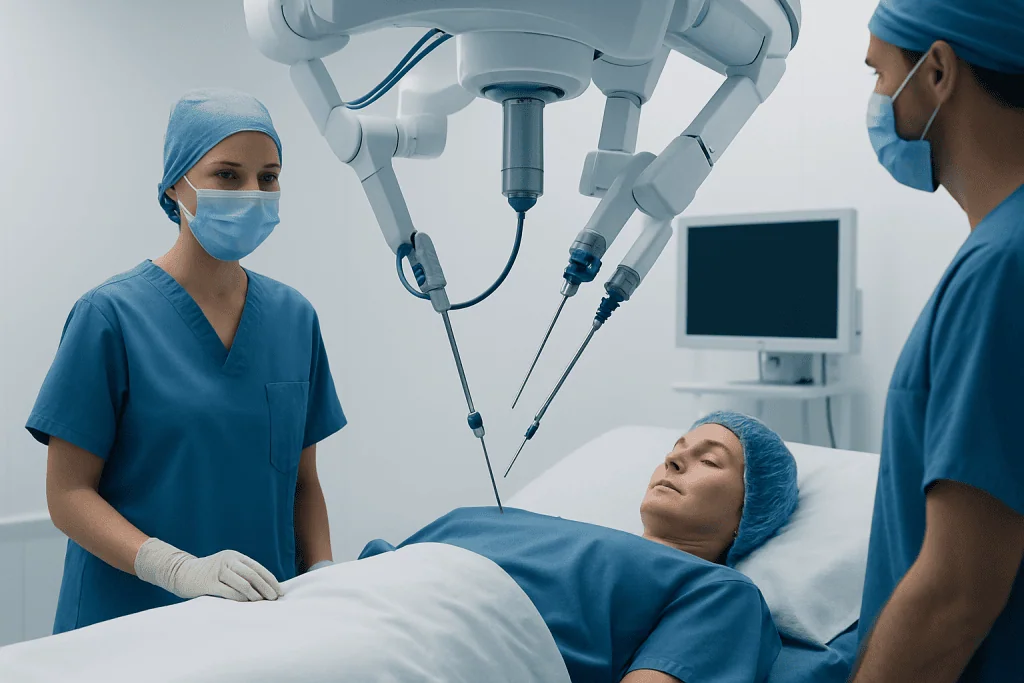
The extent of surgery depends on the diagnosis. In a total hysterectomy, the uterus and cervix are removed. In a subtotal or supracervical hysterectomy, the upper part of the uterus is removed while the cervix remains. A radical hysterectomy removes the uterus, cervix, upper vagina, and supporting tissues, and is generally used for certain gynecologic cancers.
The fallopian tubes and ovaries may be removed at the same time, but this is a separate decision from removing the uterus. Removal of the fallopian tubes is called salpingectomy, and removal of one or both ovaries is called oophorectomy. The ovaries produce hormones, so removing both ovaries before natural menopause usually causes sudden menopause symptoms.
Keeping the ovaries means that natural hormone production can continue, although menopause may occur somewhat earlier for some people after hysterectomy. Keeping the cervix may mean that cervical screening remains necessary. The surgeon can explain which organs are planned for removal and why before consent is given.
- Vaginal hysterectomy: the uterus is removed through the vagina, without a visible abdominal incision.
- Laparoscopic or robotic-assisted hysterectomy: surgery is performed through several small abdominal incisions using a camera and specialized instruments.
- Abdominal hysterectomy: the uterus is removed through a larger incision in the abdomen.
Who May Need a Hysterectomy?

Hysterectomy may be considered when symptoms are severe, when a condition is large or advanced, when medication or less invasive procedures have not provided adequate relief, or when cancer is diagnosed or strongly suspected. The right approach varies widely, and surgery is not automatically the first treatment for every uterine condition.
Common reasons include symptomatic uterine fibroids, uncontrolled heavy menstrual bleeding, uterine prolapse, severe endometriosis or adenomyosis, and some precancerous or cancerous conditions. For some people with fibroids, medication, uterine artery embolization, or myomectomy may be options that preserve the uterus. For abnormal bleeding, hormonal treatment or procedures that treat the uterine lining may sometimes be considered.
Before recommending surgery, the care team usually reviews medical history, symptoms, pelvic examination findings, imaging, laboratory results, and prior treatment. Fertility plans, menopause status, previous abdominal surgery, and conditions such as anemia, diabetes, heart disease, or blood-clotting disorders also help guide planning.
How the Hysterectomy Procedure Works, Step by Step
Hysterectomy is usually performed under general anesthesia, meaning the patient is asleep and does not feel the operation. Before surgery, the team confirms the planned procedure, reviews medications and allergies, and may arrange blood tests, imaging, or other assessments. Instructions about fasting and medicines such as blood thinners should be followed closely.
During the operation, the surgeon accesses the uterus through the vagina, small abdominal incisions, or a larger abdominal incision. The blood vessels and supporting tissues connected to the uterus are carefully sealed and divided. The uterus is removed, along with the cervix, tubes, ovaries, or other tissue only if these are included in the surgical plan.
When minimally invasive surgery is suitable, it often involves smaller incisions and may support an earlier return to daily activities. However, an abdominal approach may be the safest choice for a very enlarged uterus, extensive scarring, certain cancers, or other complex situations. The procedure is part of individualized hysterectomy treatment planning, with the approach selected for safety and clinical effectiveness rather than incision size alone.
After surgery, the patient is monitored while waking from anesthesia. Pain relief, fluids, prevention of blood clots, and early gentle walking are important parts of immediate care. Some patients go home the same day or after one night, while others need a longer hospital stay, especially after open surgery or cancer-related procedures.
Benefits, Risks, and Expected Results
The main potential benefit of hysterectomy is definitive treatment of uterine symptoms or disease. Heavy uterine bleeding stops, fibroids cannot return in a removed uterus, and uterine prolapse or cancer can be addressed according to the surgical plan. For people whose symptoms have been persistent and disruptive, this may improve daily comfort, sleep, energy, and participation in normal activities.
All surgery carries risks. Possible complications include bleeding, infection, blood clots, reactions to anesthesia, injury to the bladder, bowel, ureters, or blood vessels, wound problems, and the need for additional surgery. Risks vary according to the surgical route, reason for surgery, uterine size, prior operations, body weight, smoking status, and other health conditions.
There can also be emotional and sexual wellbeing considerations. Many people resume sexual activity comfortably after healing, but changes in comfort, vaginal dryness, body image, or mood can occur. Vaginal dryness is more likely if both ovaries are removed and menopause begins. Discussing concerns openly with the surgeon or gynecologist can help identify support and treatment options.
If both ovaries are removed before menopause, symptoms such as hot flashes, night sweats, sleep changes, and vaginal dryness may begin soon after surgery. Hormone therapy may be appropriate for some patients, but suitability depends on the person’s age, health history, and reason for hysterectomy.
What Is the Recovery Process After a Hysterectomy?
What is a hysterectomy recovery like? Recovery is gradual and differs between individuals. In the first few days, tiredness, abdominal discomfort, bloating, mild vaginal bleeding or discharge, and changes in bowel habits can occur. Pain is managed with the medicines recommended by the care team, and short, frequent walks are usually encouraged to support circulation and bowel function.
What is the recovery time for a hysterectomy surgery? Many people resume lighter activities within 2 to 4 weeks after vaginal, laparoscopic, or robotic surgery, although complete healing can take about 4 to 6 weeks. After an abdominal hysterectomy, recovery commonly takes around 6 to 8 weeks, sometimes longer. These are general timeframes; the surgeon’s individualized instructions should take priority.
During healing, patients are commonly advised to avoid heavy lifting, strenuous exercise, driving while using sedating pain medicine or while movement is limited, and vaginal intercourse or inserting anything into the vagina until cleared. If the cervix is removed, the top of the vagina needs time to heal securely. Follow-up appointments allow the team to assess recovery and advise when activities can safely resume.
Good recovery support includes adequate rest, protein-rich and fiber-containing meals, fluids, and stool-softening strategies if prescribed or advised. Constipation can make pelvic discomfort worse, so patients should contact their care team if bowel problems are persistent or severe. Acibadem International’s multidisciplinary specialists and JCI-accredited hospitals can support diagnosis and treatment planning for international patients who need hysterectomy care.
How Long Should You Rest After Having a Hysterectomy?
Rest is especially important during the first one to two weeks, but complete bed rest is usually not recommended unless a clinician specifically advises it. Short walks around the home, gradually increasing as comfort allows, can reduce stiffness and help lower the risk of blood clots. The goal is to balance recovery time with gentle movement.
Most people need several weeks away from physically demanding work. Desk-based work may be possible earlier after minimally invasive surgery, often with adjustments, whereas jobs involving lifting, prolonged standing, or strenuous activity may require a longer absence. Fatigue can last longer than expected, so planning a gradual return is often helpful.
The safest answer depends on the surgical approach, whether complications occurred, and the type of work or caregiving responsibilities involved. Patients should not compare their pace too closely with others and should ask their surgeon for personalized guidance before resuming exercise, lifting, driving, travel, or sexual activity.
What Is the Hardest Part of Hysterectomy Recovery?
The hardest part of hysterectomy recovery is often the combination of fatigue, temporary limits on independence, and the need to wait for internal healing even when the skin incisions look better. Some people are surprised that energy levels fluctuate for several weeks. Doing too much too soon can increase discomfort and delay recovery.
Constipation, sleep disruption, reduced mobility, and reliance on others for household tasks can also be challenging in the early phase. Emotional reactions are common as well, particularly if fertility loss was not expected or if surgery occurred because of cancer or severe longstanding symptoms.
Practical preparation and clear communication can make this period more manageable. A patient should let the care team know about persistent low mood, anxiety, sleep problems, pain that is not controlled, or worries about sexual wellbeing. Support may include medication adjustments, pelvic floor rehabilitation, counseling, or referral to other appropriate specialists.
How Painful Is a Hysterectomy on a Scale of 1 to 10?
Pain after hysterectomy cannot be predicted accurately with one number because pain experience is personal and affected by the surgical approach, existing pain conditions, anxiety, complications, and pain-management plan. Many people describe moderate pain or soreness in the first few days, which often improves steadily with prescribed treatment and rest. Open abdominal surgery may cause more incision-related discomfort than minimally invasive surgery.
Rather than expecting a fixed score, patients can discuss how pain will be assessed and treated. Care teams commonly use a combination of methods, which may include non-opioid pain medicines, limited stronger pain medicine when appropriate, movement, positioning, and treatment for nausea or constipation. The aim is not necessarily zero discomfort, but pain control sufficient for breathing deeply, walking gently, resting, and carrying out basic activities.
Severe pain that suddenly worsens, pain that is not improving as expected, or pain accompanied by fever, vomiting, faintness, heavy bleeding, or difficulty breathing requires prompt medical advice. Patients should not change prescribed medicines or add supplements without checking with their clinician.
What Do I Need at Home After a Hysterectomy?
Preparing the home before surgery can reduce strain during the first days after discharge. Helpful items may include easy-to-prepare meals, water within reach, comfortable loose clothing, sanitary pads for light vaginal spotting, a thermometer if advised, and a list of medicines and contact numbers. A pillow can provide comfort when changing position or during a car ride home.
It is useful to arrange practical support for shopping, meals, pets, childcare, laundry, and heavy household work. Frequently used items should be placed at waist height so the patient does not need to bend, reach, or lift. A clear pathway at home can lower the chance of tripping while tired or taking pain medicine.
Patients should follow discharge instructions about wound care, bathing, eating, activity, and follow-up. They should also know whom to contact outside normal clinic hours. Preparing questions before discharge can help ensure that the recovery plan is understood by both the patient and the person providing support at home.
When to Seek Medical Care
Patients should seek urgent medical advice after hysterectomy for heavy vaginal bleeding, fever or chills, worsening redness or drainage from an incision, severe or increasing abdominal pain, persistent vomiting, trouble passing urine, marked swelling or pain in one leg, chest pain, shortness of breath, or fainting. These symptoms do not always mean a serious complication, but they require timely assessment.
It is also important to contact the surgical team for pain that is not adequately controlled, constipation that does not improve, difficulty eating or drinking, or concerns about wound healing. Attending scheduled follow-up is important even when recovery seems to be progressing well.
Before surgery, a person should arrange a consultation promptly if they have heavy bleeding that causes weakness or dizziness, new pelvic pressure or a protruding vaginal bulge, persistent pelvic pain, bleeding after menopause, or symptoms that may suggest gynecologic cancer. A qualified gynecologist can identify the cause and discuss appropriate treatment options.
Frequently asked questions
Can a person get pregnant after a hysterectomy?
No. Because a hysterectomy removes the uterus, pregnancy cannot occur or be carried after the procedure. If preserving fertility is important, this should be discussed before surgery because alternatives may be available for some conditions.
Do you go through menopause after a hysterectomy?
Removing the uterus alone does not usually cause immediate menopause if the ovaries remain. However, removing both ovaries causes surgical menopause in people who have not already reached menopause. The care team can explain whether ovary removal is recommended and how menopause symptoms can be managed.
How long does a hysterectomy operation take?
The duration depends on the type of hysterectomy, surgical approach, reason for surgery, anatomy, and whether other procedures are needed. It may take a few hours, but patients should ask their surgeon what is expected in their specific case. Time in the recovery area and preparation time are additional.
Will a hysterectomy affect sex life?
Many people are able to have satisfying sexual activity after complete healing. Some notice improved comfort when surgery resolves bleeding, pressure, or pain, while others may experience vaginal dryness, emotional changes, or discomfort. Waiting until the surgeon confirms healing and discussing concerns early can help.
Can fibroids come back after a hysterectomy?
Fibroids grow in the uterus, so they cannot return after the uterus has been removed. Symptoms caused by fibroids should therefore not recur from uterine fibroids. However, pelvic symptoms can occasionally have other causes, which should be evaluated if they persist.
Is laparoscopic hysterectomy always better than abdominal hysterectomy?
Not always. Minimally invasive surgery may allow smaller incisions and a shorter recovery for suitable patients, but it is not the safest choice in every situation. The best approach depends on factors such as uterine size, previous surgery, suspected cancer, anatomy, and the surgeon’s assessment.
References
- American College of Obstetricians and Gynecologists
- National Health Service
- Mayo Clinic
- National Cancer Institute
- World Health Organization
This article is for general information only and is not a substitute for professional medical advice. Please consult a qualified doctor about your individual situation.
Hysterectomy in Turkey — costs, top hospitals & a free quote
JCI-accredited · board-certified surgeons · reply within 24h
Add us as a Preferred Source to see more of our trusted health content across Google Search, AI Overviews and Discover.

Gynecology & Obstetrics
Women’s health across pregnancy, gynecologic surgery and high-risk pregnancy care.
186 specialists in this unitMore from the Health Library



Related Specialists

Dr. Abdurrahman Yaycı
Anesthesiology
Dr. Bahriye Kılıç
Anesthesiology
Dr. Fikret Mert Acar
Cardiology
Prof. Dr. Süda Tekin
Infectious Diseases & Clinical Microbiology