

What Is a Trichologist and When Should You See One?

A trichologist focuses on the health of the hair and scalp and may help identify patterns behind hair and scalp concerns. Common reasons to seek help include increased shedding, thinning hair, dandruff, itching, scalp flaking, breakage, or patchy hair loss.
Key Takeaways
- A trichologist focuses on the health of the hair and scalp and may help identify patterns behind hair and scalp concerns.
- Common reasons to seek help include increased shedding, thinning hair, dandruff, itching, scalp flaking, breakage, or patchy hair loss.
- Some hair and scalp problems are linked to medical conditions, so a dermatologist or other doctor may also be needed.
- Early assessment can be helpful because hair loss may have many possible causes, from styling damage to hormonal, inflammatory, or nutritional factors.
- Urgent medical review is important for sudden patchy loss, scalp pain, scarring, bleeding, or signs of infection.
A trichologist is a specialist focused on hair and scalp health. They help assess concerns such as hair shedding, thinning, dandruff, breakage, and scalp irritation, and they can guide next steps, including medical evaluation when needed.
Overview: What Is a Trichologist?
A trichologist is a professional who specializes in hair and scalp health. In practical terms, they assess concerns such as hair thinning, excessive shedding, dandruff, scalp oiliness, dryness, itching, and breakage. Their role is to look at patterns, possible triggers, and everyday factors that may be affecting the scalp or hair shaft.
When people ask, “what is a trichologist,” they are usually trying to understand whether this specialist can help with hair loss. The answer is often yes, especially for initial assessment and guidance. A trichologist can help organize the problem, review hair care practices, and suggest whether the issue seems related to hair shaft damage, scalp inflammation, common pattern hair loss, or a concern that needs medical diagnosis.
It is also important to understand what a trichologist is not. A trichologist is not the same as a dermatologist, and not all trichologists are medical doctors. Dermatologists are physicians who diagnose and treat diseases of the skin, hair, and nails, can prescribe medicines, and may perform scalp biopsies or other medical procedures. For that reason, trichology support is often most useful alongside medical care rather than as a replacement for it.
What Does a Trichologist Do?
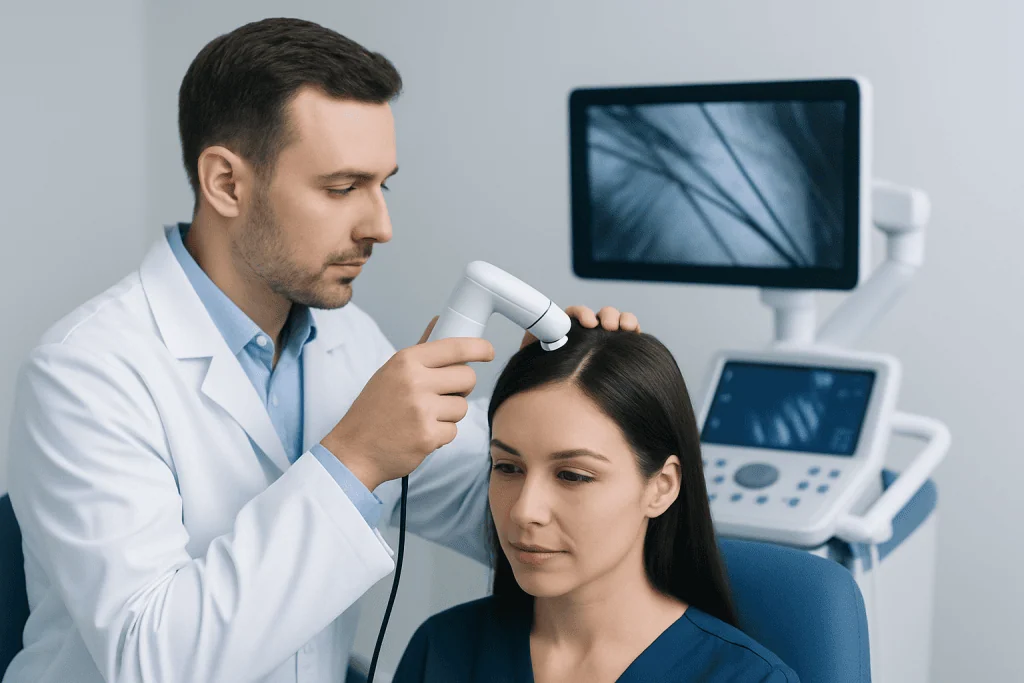
A trichologist typically begins with a detailed review of the person’s concerns. This often includes when the problem started, whether it is gradual or sudden, family history of hair loss, recent illness, stress, pregnancy, diet changes, medications, and hair care routines such as coloring, heat styling, tight hairstyles, or chemical treatments. These details can be important because hair responds to both internal health and external damage.
During the assessment, the scalp and hair are examined closely. A trichologist may look for signs of inflammation, flaking, excess oil, scaling, miniaturized hairs, breakage, or patchy hair loss. They may use magnification or scalp imaging to inspect the scalp surface and hair shafts in more detail. This can help distinguish between shedding, breakage, and thinning.
Based on the findings, a trichologist may recommend changes in hair care, scalp hygiene, product selection, styling habits, or stress management. If the pattern suggests a medical issue such as alopecia, scalp psoriasis, fungal infection, iron deficiency, thyroid disease, or hormone-related hair loss, referral to a dermatologist or another physician is appropriate. In people considering restoration options after medical causes have been assessed, a doctor may discuss hair transplant planning as part of longer-term care.
Common Reasons People See a Trichologist

Many people seek help because of visible changes in hair density or scalp comfort. Common concerns include increased daily shedding, widening of the part line, a receding hairline, a thinner ponytail, brittle strands, or hair that no longer grows as expected. Others are more troubled by scalp symptoms such as persistent dandruff, itching, tenderness, or a greasy or very dry scalp.
A trichologist may be helpful for concerns such as:
- Gradual thinning or diffuse hair loss
- Excessive shedding after stress, illness, surgery, or childbirth
- Patchy bald areas
- Dandruff and scalp flaking
- Hair breakage from heat, bleach, or tight styling
- Scalp itch, irritation, or buildup
- Questions about hair care after medical treatment or restoration procedures
Not every hair problem is true hair loss. Sometimes the main issue is breakage rather than shedding from the root. In other cases, normal daily shedding appears worse because the hair is longer or because density has slowly decreased over time. A careful evaluation can help make these differences clearer and guide the next step.
Possible Causes and Risk Factors Behind Hair and Scalp Problems
Hair and scalp concerns can have many causes. Genetics is one of the most common, especially in pattern hair loss affecting the hairline, crown, or central parting. Hormonal changes, including those related to menopause, pregnancy, polycystic ovary syndrome, or thyroid disorders, may also play a role. Temporary shedding can happen after a major physical or emotional stress, high fever, significant weight change, or surgery.
Scalp disorders are another important factor. Dandruff, seborrheic dermatitis, psoriasis, eczema, and fungal infections may lead to itching, flaking, or inflammation that affects hair quality. Some autoimmune conditions can cause sudden patchy loss, while scarring disorders may permanently damage follicles if treatment is delayed. This is one reason persistent or unusual symptoms should not be ignored.
Everyday habits can contribute too. Frequent heat styling, chemical processing, harsh brushing, tight braids, extensions, or headwear that creates friction may damage the hair shaft and, in some cases, stress the follicles. Nutritional factors, especially poor intake or conditions that reduce absorption, may affect normal hair growth. Because there are so many possible explanations, a single symptom such as shedding does not point to one cause on its own.
How Hair and Scalp Concerns Are Evaluated
Assessment usually starts with the history and scalp examination. A trichologist or physician looks for clues in the pattern of hair loss, the condition of the scalp, and whether hairs are miniaturized, broken, or absent from specific areas. They may ask about recent illness, medications, family history, and stress because timing matters: some forms of shedding appear weeks or months after a trigger.
If a medical cause is possible, a doctor may recommend tests such as blood work to check iron status, thyroid function, vitamin levels, or hormone-related factors when clinically appropriate. A dermatologist may perform dermoscopy or, less commonly, a scalp biopsy if the diagnosis is unclear or scarring hair loss is suspected. These steps help distinguish common pattern loss from inflammatory or autoimmune causes that need prompt treatment.
Imaging and examination may also be useful for planning treatment. For people exploring restoration, physicians may assess donor hair quality, scalp laxity, and long-term expectations before discussing options such as FUE hair transplant or DHI hair transplant. Any procedural discussion should come after a proper diagnosis, because active scalp disease or unstable hair loss may change the plan.
Treatment Options and Practical Next Steps
Treatment depends entirely on the cause. If the issue is dandruff or seborrheic dermatitis, care may focus on medicated shampoos or other doctor-recommended scalp treatments. If there is a medical condition such as inflammatory scalp disease, thyroid dysfunction, or autoimmune hair loss, treatment is directed at that underlying problem. For pattern hair loss, a physician may discuss evidence-based medical therapies and long-term monitoring.
When the main problem is hair shaft damage, simple measures can make a meaningful difference. These may include reducing heat exposure, spacing out chemical treatments, avoiding tight hairstyles, using gentler detangling methods, and protecting the scalp from sun exposure. A trichologist can often help tailor these habits to the person’s hair type and scalp condition.
Some people with stable hair loss consider procedural solutions after medical assessment. Hair restoration may be suitable in selected cases, especially when hair density has not improved with conservative measures and expectations are realistic. Toward the end of the care pathway, multidisciplinary specialists at Acibadem International and its JCI-accredited hospitals also assess and treat hair and scalp concerns for international patients when appropriate.
Prevention and Self-Care for Healthier Hair and Scalp
Not all hair loss can be prevented, especially when genetics is the main driver, but good scalp care and gentle hair practices can reduce avoidable damage. Washing frequency should suit the scalp type: some people do better with more frequent cleansing for oil and flaking, while others need milder routines for dryness or sensitivity. Products do not need to be overly complex; consistency and suitability matter more than trends.
Helpful self-care measures include:
- Avoiding excessive heat and using lower styling temperatures when possible
- Limiting bleach, perms, and repeated chemical processing
- Reducing tight ponytails, braids, or extensions that pull on the roots
- Eating a balanced diet and seeking medical advice if nutritional deficiency is suspected
- Managing stress and getting adequate sleep
- Protecting the scalp from sun exposure, especially in thinning areas
It is also wise to be cautious with supplements and heavily marketed hair products. More is not always better, and some ingredients may irritate the scalp or be unnecessary. If shedding is persistent or the scalp is uncomfortable, professional assessment is safer than self-treating for long periods without a diagnosis.
When to Seek Medical Care
A trichologist can be a useful first step for many non-urgent hair and scalp concerns, but some situations call for medical review sooner. A doctor should assess sudden patchy hair loss, scalp pain, sores, crusting, pus, bleeding, or signs of infection. Medical care is also important if there is burning, significant redness, scarring, or rapid change in hair density.
People should also seek medical attention when hair changes are accompanied by other symptoms such as fatigue, menstrual changes, unexpected weight change, acne, excess facial hair growth, fever, or a new rash. These may suggest an underlying health issue rather than an isolated hair problem. Children with hair loss or scalp scaling should also be evaluated by a qualified clinician.
If the cause is unclear, if self-care has not helped, or if the condition is causing distress, a dermatologist is often the most appropriate specialist. A trichologist can still play a helpful supportive role, but diagnosis and treatment planning for suspected disease should come from a licensed medical professional.
Frequently asked questions
Is a trichologist a doctor?
Not necessarily. A trichologist specializes in hair and scalp concerns, but many are not medical doctors. If a medical condition is suspected, a dermatologist or another licensed physician may be needed for diagnosis and treatment.
What is the difference between a trichologist and a dermatologist?
A trichologist focuses on assessing hair and scalp health and advising on care, triggers, and practical management. A dermatologist is a physician who can diagnose diseases, order tests, prescribe treatments, and perform procedures such as a scalp biopsy.
Can a trichologist help with hair loss?
Yes, a trichologist may help assess the pattern of hair loss and identify possible contributing factors such as stress, styling damage, scalp problems, or family history. However, because hair loss can have medical causes, doctor evaluation is often important, especially if the loss is sudden, patchy, painful, or progressing quickly.
When should someone see a trichologist?
It may be helpful to see a trichologist for ongoing shedding, thinning, dandruff, itching, breakage, or questions about scalp care. Early review can be useful when symptoms persist, because treatment and self-care work best when guided by a clear understanding of the cause.
Do trichologists treat scalp conditions?
They may provide guidance on scalp care and help identify patterns that suggest dandruff, irritation, buildup, or hair shaft damage. But conditions involving infection, significant inflammation, scarring, or autoimmune disease require medical diagnosis and treatment from a doctor.
Should someone see a trichologist before considering a hair transplant?
That can be helpful, especially if the person is unsure why hair loss is happening. Still, anyone considering a hair restoration procedure should also have a medical assessment to confirm the diagnosis, check scalp health, and discuss whether the hair loss pattern is stable enough for treatment.
References
- American Academy of Dermatology
- British Association of Dermatologists
- National Health Service
- Mayo Clinic
- National Institute of Arthritis and Musculoskeletal and Skin Diseases
This article is for general information only and is not a substitute for professional medical advice. Please consult a qualified doctor about your individual situation.
Hair transplant in Turkey — costs, graft counts & a free assessment
JCI-accredited · board-certified surgeons · reply within 24h
Add us as a Preferred Source to see more of our trusted health content across Google Search, AI Overviews and Discover.

More from the Health Library



Related Specialists

Dr. Burak Boynuk
Orthopedic Surgery & Traumatology
Dr. Gülseren Sağcan
Pulmonology
Prof. Dr. Mehmet Uğur Özbaydar
Orthopedic Surgery & Traumatology
Dr. Cüneyt Altunay
Otorhinolaryngology