What Is Dental Anesthesiology? Pain Control Options for Complex Dental Treatment

Dental anesthesiology helps control pain, anxiety, and movement during dental care. Options include local anesthesia, nitrous oxide, oral or IV sedation, and general anesthesia.
Key Takeaways
- Dental anesthesiology helps control pain, anxiety, and movement during dental care.
- Options include local anesthesia, nitrous oxide, oral or IV sedation, and general anesthesia.
- The safest choice depends on the procedure, medical history, age, and patient needs.
- Careful assessment, monitoring, and aftercare are essential for safe treatment.
- Patients should discuss medicines, allergies, and previous anesthesia experiences before treatment.
Dental anesthesiology focuses on preventing pain and improving comfort during dental procedures. It includes local anesthesia, sedation, and, in selected cases, general anesthesia for patients who need more support during complex dental treatment.
Overview of dental anesthesiology
Dental anesthesiology is the area of dental care focused on pain control, comfort, and safety before, during, and after treatment. Its main goal is to help patients receive needed dental care with as little pain, distress, and discomfort as possible. This is especially important for complex procedures, people with strong dental anxiety, and patients who have medical, developmental, or physical needs that make routine treatment more difficult.
In practice, dental anesthesiology may involve several levels of support. The most common is local anesthesia, which numbs a specific area of the mouth while the patient remains awake. Some patients also benefit from sedation, which can reduce fear, help them relax, and make lengthy treatment easier to tolerate. In selected situations, general anesthesia may be used so the patient is fully unconscious during care.
Dental anesthesiology is not only about comfort. Good pain control can also help the dentist work more precisely and efficiently. This can be useful during advanced procedures such as dental implants, complex restorative work, oral rehabilitation, or certain endodontic treatment sessions where staying still and comfortable matters.
Why pain control matters in complex dental treatment
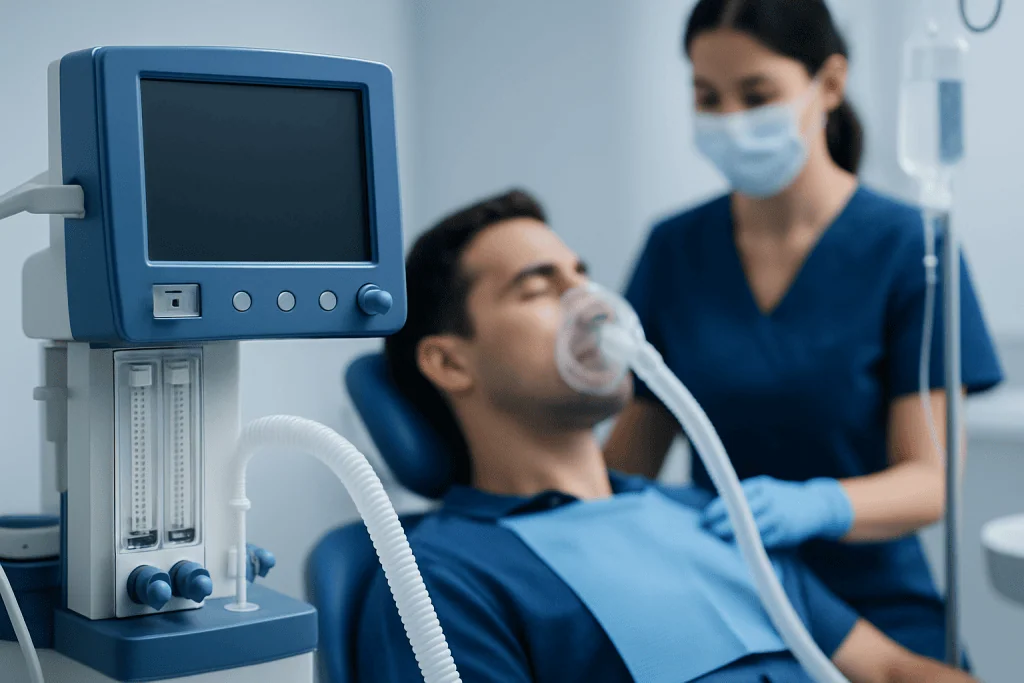
Modern dentistry aims to treat disease while preserving comfort and trust. Pain control matters because untreated pain can increase stress hormones, raise muscle tension, and make it harder for a person to keep the mouth open or remain still. Even when a procedure is technically possible without sedation, improved comfort may create a better overall experience and allow treatment to be completed more smoothly.
Complex dental treatment can include long appointments, multiple teeth being treated in one visit, severe gag reflex, jaw discomfort, traumatic dental injuries, or care for very young children and older adults with special needs. Patients who have had difficult dental experiences in the past may also need a tailored approach. In these situations, dental anesthesiology helps the team match the pain-control method to the patient and the procedure.
For some people, pain is not the only issue. Anxiety, panic, sensory sensitivity, movement disorders, or cognitive conditions may interfere with treatment. Sedation or anesthesia can support both the patient and the dental team by reducing fear, limiting unpleasant memories, and making necessary care possible, including treatment after dental emergency and trauma when urgent care cannot be delayed.
Main pain control options used in dentistry

Local anesthesia is the foundation of pain control in dentistry. A dentist injects a numbing medicine near the treatment area so pain signals from that part of the mouth are blocked. The patient stays awake and aware but should not feel sharp pain. Pressure, vibration, or pulling may still be noticed, but the area itself is numb. Local anesthesia is commonly used for fillings, gum treatment, crowns, and many routine procedures, including dental fillings.
Nitrous oxide sedation, often called laughing gas, is a mild form of inhaled sedation. It helps many patients feel calmer during treatment and usually works quickly. Its effects also wear off relatively fast once the gas is stopped. Oral sedation uses medication taken before the appointment to create a deeper sense of relaxation. Intravenous, or IV, sedation is given through a vein and allows the level of sedation to be adjusted more precisely during treatment.
General anesthesia is the deepest level of anesthesia and makes the patient fully unconscious. It is usually reserved for specific situations, such as extensive procedures, severe dental phobia, inability to cooperate safely, or special medical needs. Because it is more complex, it requires careful planning, dedicated equipment, and close monitoring.
- Local anesthesia: numbs one area; patient stays awake.
- Nitrous oxide: mild relaxation with quick recovery.
- Oral sedation: medicine taken before treatment for moderate calming effects.
- IV sedation: deeper, adjustable sedation with close monitoring.
- General anesthesia: full unconsciousness for selected cases.
Who may need sedation or general anesthesia
Not every patient needs more than local anesthesia. Many dental procedures can be completed comfortably with numbing medicine alone. However, sedation or general anesthesia may be considered when a patient has extreme anxiety, very low pain tolerance, a strong gag reflex, difficulty sitting still, or trouble understanding and cooperating with instructions.
Children sometimes need sedation or general anesthesia when they are very young, require extensive treatment, or cannot safely tolerate care while awake. Adults may also need additional support if they have movement limitations, neurological conditions, intellectual disabilities, or traumatic past dental experiences. Longer procedures, multiple treatments in one sitting, and complex rehabilitation may also make sedation a reasonable option.
Patients with related oral problems may benefit from a broader dental plan as well. For example, those who grind their teeth may also be evaluated for bruxism, and those with snoring or airway concerns may need discussion about breathing, sleep, and comfort during sedation. The decision is individualized and should balance benefits, risks, and patient preferences.
Assessment, safety, and how doctors choose the right option
Before any anesthesia or sedation, the dental team reviews the patient’s medical history carefully. This includes heart and lung conditions, sleep apnea, reflux, liver or kidney disease, current medicines, herbal supplements, allergies, pregnancy status, smoking or alcohol use, and any past problems with anesthesia. Patients should also mention loose teeth, jaw issues, or a history of difficult nausea after procedures.
The choice of pain-control method depends on several factors: the type and length of treatment, the expected level of discomfort, the patient’s age, body weight, airway features, anxiety level, and overall health. The team may also ask whether the patient can arrange transportation home, since deeper sedation and general anesthesia usually mean driving is not safe afterward.
Safety relies on good preparation and monitoring. Depending on the level of sedation, this may include checking blood pressure, heart rate, oxygen levels, and breathing throughout the procedure. Clear fasting instructions may be given before deeper sedation or general anesthesia. Patients should follow these instructions closely because eating or drinking when not allowed can increase the risk of complications.
In complex cases, planning may also involve digital imaging, staged treatment, or coordination with other specialists. This can be particularly helpful when treatment combines restorative, surgical, and cosmetic goals, such as in digitally planned dental care.
What to expect before, during, and after the procedure
Before treatment, patients usually receive instructions about food, drink, medicines, and arrival time. If sedation is planned, they may be told to wear comfortable clothing, avoid certain substances, and come with a responsible adult. The dental team explains the expected benefits, possible side effects, and what level of awareness the patient is likely to have during the procedure.
During treatment with local anesthesia, the mouth may feel numb, heavy, or swollen even though it is not actually enlarged. With sedation, patients may feel drowsy and relaxed and may remember little of the visit, depending on the technique used. Under general anesthesia, the patient is fully asleep and continuously monitored by trained professionals.
After the procedure, recovery time depends on the type of anesthesia used. Numbness from local anesthesia can last for several hours. Sedation may leave some patients sleepy, less coordinated, or forgetful for part of the day. Mild nausea, dry mouth, sore jaw muscles, or a minor sore throat can occur in some cases, especially after longer procedures or general anesthesia.
Patients should follow all discharge instructions, including pain relief advice, diet guidance, and activity restrictions. It is important to avoid biting the numb lip, cheek, or tongue until feeling returns. If there is increasing swelling, breathing difficulty, persistent vomiting, heavy bleeding, or severe pain not improving as expected, medical advice should be sought promptly.
Possible risks, side effects, and limitations
All medical and dental treatments have potential risks, and anesthesia is no exception. Local anesthesia may sometimes cause temporary tingling, bruising at the injection site, or incomplete numbness that requires an additional dose. Sedation can cause drowsiness, dizziness, nausea, or slowed reactions for a period after treatment. General anesthesia carries greater complexity and requires the highest level of preparation and monitoring.
Serious complications are uncommon but can happen, particularly in people with significant medical conditions or airway risks. That is why honest, detailed medical information is so important before treatment. A patient should never hide medicines, recreational substance use, pregnancy, or previous anesthesia problems, since these details directly affect safety.
There are also practical limitations. Sedation reduces awareness and anxiety, but it does not replace local anesthesia for procedures that would otherwise be painful. In many cases, the best comfort comes from a combination approach, such as local anesthesia plus light or moderate sedation. The exact plan should be personalized rather than based on fear alone.
Self-care, questions to ask, and when to seek professional help
Patients can support a smoother dental experience by preparing well. They should keep an up-to-date medication list, ask about fasting rules, mention any cold or breathing symptoms before the appointment, and arrange help getting home if sedation is planned. Good everyday oral care may also reduce the need for more invasive treatment in the future. Regular checkups and professional dental hygiene can help identify problems early.
Helpful questions to ask include: Which type of pain control is recommended and why? What will be felt during the procedure? What side effects are common? How long will recovery take? When can normal eating, work, or exercise resume? Clear answers can reduce uncertainty and help patients make informed decisions.
A dentist or doctor should be contacted if pain is not controlled, numbness lasts unusually long, fever develops, swelling worsens, or there are signs of an allergic reaction such as rash, wheezing, or facial swelling. Urgent help is needed for trouble breathing, chest pain, or reduced consciousness. Patients with repeated difficulty during dental treatment may benefit from formal evaluation by clinicians experienced in dental anesthesiology.
For international patients who need advanced dental care, Acibadem International’s multidisciplinary specialists and JCI-accredited hospitals diagnose and treat dental conditions using individualized anesthesia and sedation planning when appropriate.
Frequently asked questions
What is dental anesthesiology?
Dental anesthesiology is the part of dental care that focuses on preventing pain and improving comfort during treatment. It includes local anesthesia, sedation, and general anesthesia, depending on the patient’s needs and the type of procedure.
Is dental sedation the same as general anesthesia?
No. Sedation reduces anxiety and awareness to different degrees, but the patient may still respond to instructions depending on the level used. General anesthesia is deeper and means the patient is fully unconscious during treatment.
Who is a good candidate for sedation during dental treatment?
Sedation may help people with strong dental anxiety, a severe gag reflex, special healthcare needs, difficulty sitting still, or those having lengthy or complex procedures. A dentist decides suitability after reviewing medical history, medicines, and safety factors.
Will local anesthesia completely remove pain?
Local anesthesia is designed to block pain in the treated area, and it is highly effective for many procedures. A patient may still feel pressure, vibration, or movement, but sharp pain should be reported so the dentist can adjust the numbing plan.
How should a patient prepare for dental sedation or anesthesia?
Preparation depends on the method being used. Patients may be asked not to eat or drink for a certain period, to adjust some medicines only if instructed, and to arrange someone to take them home after the appointment.
How long does recovery take after dental anesthesia?
Recovery varies with the type of anesthesia. Numbness from local anesthesia may last a few hours, while sedation can cause sleepiness or slower reactions for the rest of the day. General anesthesia may require a longer observation and recovery period.
References
- American Dental Association
- American Society of Anesthesiologists
- National Institute of Dental and Craniofacial Research
- European Academy of Paediatric Dentistry
- World Health Organization
This article is for general information only and is not a substitute for professional medical advice. Please consult a qualified doctor about your individual situation.
Dental Anesthesiology in Turkey — costs, top hospitals & a free quote
JCI-accredited · board-certified surgeons · reply within 24h
Add us as a Preferred Source to see more of our trusted health content across Google Search, AI Overviews and Discover.

Dental & Oral Health
Full-scope dental care from implants and aesthetics to oral and maxillofacial surgery.
151 specialists in this unitRelated Treatments
More from the Health Library



Related Specialists

Assoc. Prof. Dr. Ferit Bayram
Oral & Dental Health
Assoc. Prof. Dr. Yeliz Çavuşoğlu Yüce
Oral & Dental Health
Assoc. Prof. Dr. Mutlu Keskin
Oral & Dental Health
Prof. Dr. Ülkü Noyan
Oral & Dental Health