What Is Hashimoto’s Thyroiditis? Symptoms, Antibodies, and Treatment

Hashimoto’s thyroiditis is the most common cause of hypothyroidism in many regions. It develops when the immune system targets the thyroid, often with positive thyroid antibodies.
Key Takeaways
- Hashimoto’s thyroiditis is the most common cause of hypothyroidism in many regions.
- It develops when the immune system targets the thyroid, often with positive thyroid antibodies.
- Symptoms may appear gradually and can be mild at first.
- Diagnosis usually involves thyroid blood tests and, in some cases, thyroid ultrasound.
- Treatment commonly includes thyroid hormone replacement and regular monitoring.
Hashimoto’s thyroiditis is an autoimmune condition in which the immune system gradually attacks the thyroid gland. Over time, this can reduce thyroid hormone production and lead to hypothyroidism, causing symptoms such as fatigue, cold intolerance, dry skin, and weight gain.
Overview of Hashimoto’s Thyroiditis
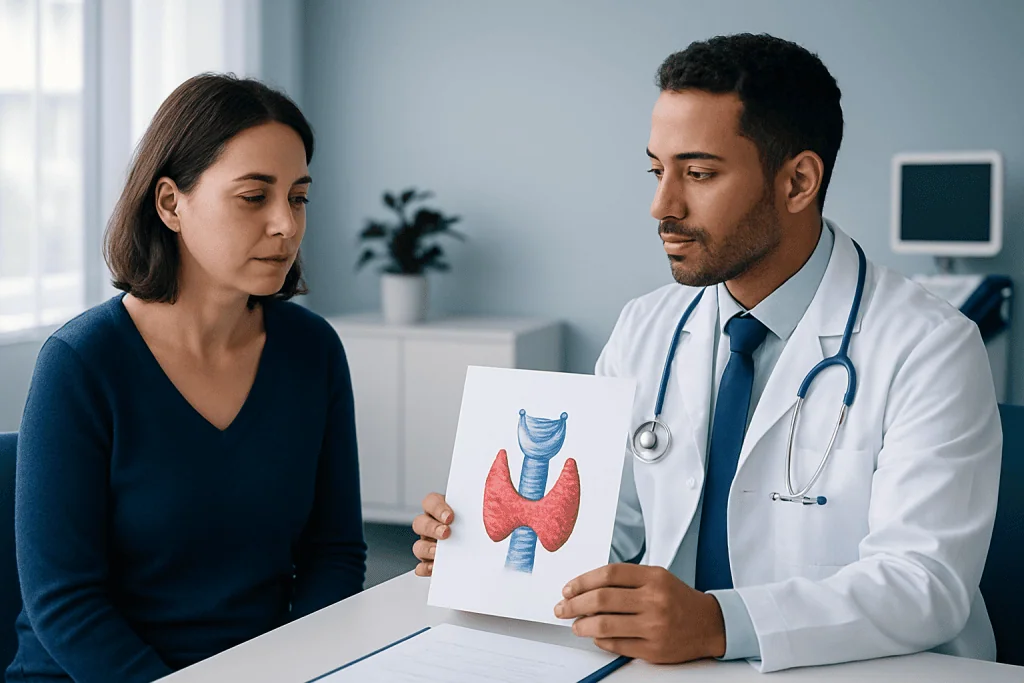
Hashimoto’s thyroiditis is a long-term autoimmune disease that affects the thyroid gland, a small butterfly-shaped gland at the front of the neck. The thyroid produces hormones that help regulate metabolism, energy use, body temperature, heart rate, and many other body functions. In Hashimoto’s disease, the immune system mistakenly attacks thyroid tissue, causing ongoing inflammation and gradual damage.
As the thyroid becomes less able to make enough hormone, hypothyroidism may develop. This means the body’s systems begin to slow down. The process is often gradual, so a person may feel well for some time before symptoms become noticeable. Some people are diagnosed after routine blood tests, even before they feel unwell.
Hashimoto’s thyroiditis can affect adults of any age and can also occur in children, though it is more common in women and becomes more frequent with age. It may occur on its own or together with other autoimmune conditions. With proper evaluation and treatment, most people can manage the condition well and maintain a good quality of life.
Symptoms and Signs
Symptoms of Hashimoto’s thyroiditis usually relate to an underactive thyroid rather than the inflammation itself. Because the disease often develops slowly, symptoms can be vague at first and may be mistaken for stress, aging, or other health issues. Common early concerns include tiredness, feeling cold more easily than others, constipation, dry skin, and difficulty concentrating.
As thyroid hormone levels fall further, additional symptoms may appear. These can include weight gain, puffiness in the face, hair thinning, hoarseness, muscle aches, slow heart rate, heavier or irregular menstrual periods, low mood, and reduced exercise tolerance. In children and teenagers, untreated hypothyroidism may affect growth, puberty, or school performance.
Some people also notice a goiter, which is an enlarged thyroid gland. This may cause a feeling of fullness in the neck or mild trouble swallowing, though many goiters are painless. In some phases, especially early on, the inflamed thyroid may briefly release extra hormone and cause temporary symptoms more typical of an overactive thyroid, but this is usually short-lived.
- Fatigue and low energy
- Cold intolerance
- Weight gain
- Dry skin and hair changes
- Constipation
- Brain fog or poor concentration
- Depressed mood
- Goiter or neck fullness
Causes, Antibodies, and Risk Factors
The exact cause of Hashimoto’s thyroiditis is not fully understood, but it is known to involve an autoimmune response. The immune system makes antibodies that target thyroid proteins, leading to inflammation and reduced hormone production over time. The antibodies most often measured are thyroid peroxidase antibodies, commonly called TPO antibodies, and sometimes thyroglobulin antibodies.
Having thyroid antibodies supports the diagnosis, but antibodies alone do not always mean a person has symptoms or needs treatment. Some people have positive antibodies for years before thyroid hormone levels become abnormal. This is why doctors consider both symptoms and blood test results when deciding on follow-up or treatment.
Several factors may increase the chance of developing Hashimoto’s thyroiditis. These include a family history of thyroid disease, female sex, other autoimmune disorders, pregnancy or the postpartum period, and increasing age. In some individuals, iodine intake, certain medications, radiation exposure, or genetic susceptibility may also play a role. People with autoimmune thyroid disease may also be evaluated for related conditions such as thyroid cancer only when there are suspicious nodules or other concerning findings, not because Hashimoto’s itself means cancer is present.
How Hashimoto’s Thyroiditis Is Diagnosed
Diagnosis usually begins with a medical history, symptom review, and physical examination. A doctor may look for signs such as a goiter, dry skin, slowed reflexes, or a slower heart rate. Because symptoms can overlap with many other conditions, blood tests are important for confirming whether the thyroid is underactive.
The main blood tests are thyroid-stimulating hormone, called TSH, and free thyroxine, known as free T4. In Hashimoto’s thyroiditis with hypothyroidism, TSH is often high and free T4 may be low. Testing for TPO antibodies can help confirm that the cause is autoimmune. In some cases, additional thyroid tests may be ordered depending on the clinical picture.
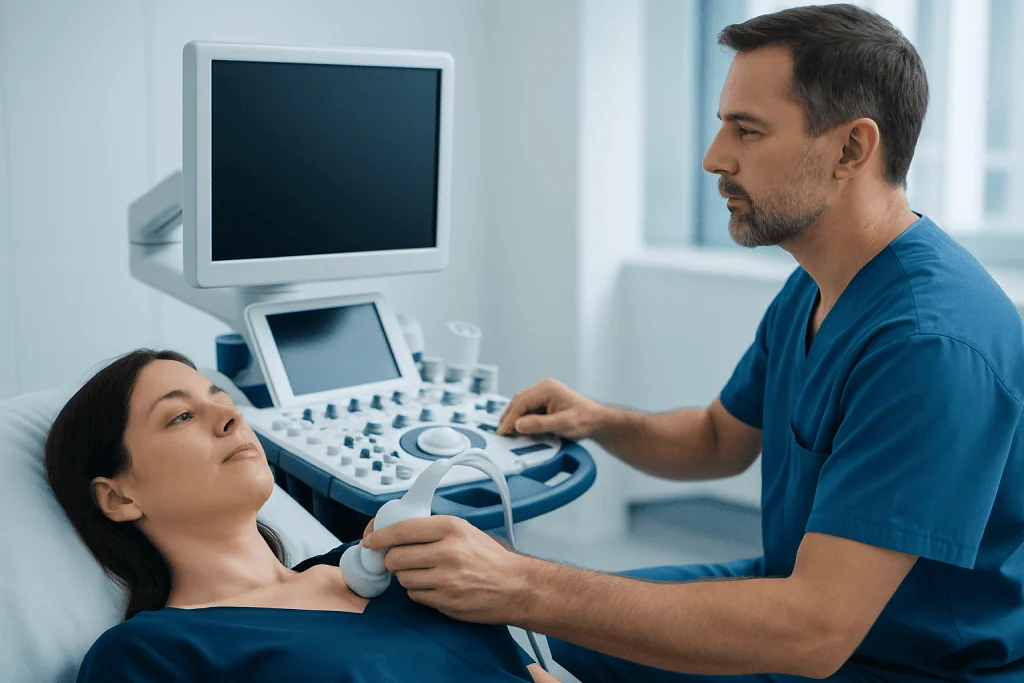
A thyroid ultrasound is not always required, but it may be helpful if the thyroid feels enlarged, uneven, or nodular. Ultrasound can show the typical appearance of chronic thyroid inflammation and can also identify nodules that need closer review. More advanced evaluation, such as thyroid biopsy, is usually considered only if a nodule has suspicious features rather than for Hashimoto’s alone.
Treatment Options
Treatment depends on whether the thyroid is still making enough hormone. If blood tests are normal and symptoms are minimal, a doctor may recommend observation with regular follow-up. If hypothyroidism is present, the standard treatment is thyroid hormone replacement, most commonly levothyroxine. This medicine replaces the hormone the thyroid can no longer produce in adequate amounts.
The goal of treatment is to restore normal thyroid hormone levels and relieve symptoms. Finding the right dose can take time, so repeat blood tests are usually needed after treatment begins or changes. Once levels are stable, monitoring continues at intervals recommended by the treating doctor. It is important to take thyroid medicine exactly as directed, because timing and consistency can affect absorption.
Not everyone with positive thyroid antibodies needs immediate medication. Treatment decisions are individualized based on TSH level, free T4 level, symptoms, age, pregnancy status, and overall health. If a large goiter or thyroid nodules cause pressure symptoms or raise concern for another thyroid condition, further management may involve endocrine and surgical evaluation, including options such as thyroid surgery when appropriate.
People with suspected complications or complex thyroid problems may also need assessment for related conditions, including goiter or other structural thyroid disorders. A specialist in endocrinology can help guide long-term care, especially during pregnancy, childhood, or when symptoms do not improve as expected.
Living With Hashimoto’s: Self-care and Monitoring
Most people with Hashimoto’s thyroiditis do well with regular medical follow-up and consistent treatment. Taking thyroid medication at the same time each day and following instructions about food, supplements, or other medicines can support stable hormone levels. Iron and calcium supplements, for example, may interfere with absorption if taken too close to thyroid medicine, so a doctor or pharmacist may advise on timing.
Healthy daily habits can also support overall wellbeing. Balanced nutrition, regular physical activity, good sleep, and stress management may help with energy, mood, and general health. However, no special diet has been proven to cure Hashimoto’s thyroiditis, and supplements should not replace medical treatment. It is wise to discuss any restrictive diet or supplement plan with a qualified clinician.
Routine follow-up is especially important during pregnancy, after childbirth, and when planning pregnancy, because thyroid hormone needs may change. Children and teenagers also need careful monitoring to support normal growth and development. Near the end of the care pathway, some international patients may choose centers such as Acibadem International, where multidisciplinary specialists in JCI-accredited hospitals evaluate and treat thyroid conditions.
When to See a Doctor
A person should consider medical evaluation if they have ongoing fatigue, unexplained weight gain, constipation, feeling unusually cold, menstrual changes, hair thinning, or swelling in the neck. These symptoms do not always mean Hashimoto’s thyroiditis, but they are good reasons to discuss thyroid testing with a doctor. Early assessment can help identify treatable hypothyroidism before symptoms become more troublesome.
Anyone already diagnosed with Hashimoto’s should seek follow-up if symptoms return, worsen, or fail to improve after treatment. New neck swelling, trouble swallowing, voice changes, or a newly felt thyroid lump should also be checked promptly. During pregnancy or when trying to conceive, thyroid monitoring is particularly important because thyroid hormone balance supports both maternal and fetal health.
Emergency care is not commonly needed for Hashimoto’s itself, but severe weakness, confusion, chest symptoms, or major worsening in general condition always needs urgent medical attention. A qualified healthcare professional can determine whether symptoms are due to thyroid disease or another medical problem and recommend the safest next steps.
Frequently asked questions
Is Hashimoto’s thyroiditis the same as hypothyroidism?
Not exactly. Hashimoto’s thyroiditis is an autoimmune disease that can damage the thyroid over time, while hypothyroidism means the thyroid is underactive and not making enough hormone. Hashimoto’s is a common cause of hypothyroidism, but not every person with Hashimoto’s has low thyroid hormone right away.
What antibodies are usually positive in Hashimoto’s thyroiditis?
The most common antibody found is the thyroid peroxidase antibody, often called TPO antibody. Thyroglobulin antibodies may also be present in some people. These tests can support the diagnosis, but doctors also look at thyroid hormone levels and symptoms.
Can Hashimoto’s thyroiditis be cured?
There is no cure that removes the autoimmune tendency itself. However, the resulting hypothyroidism can usually be managed very effectively with thyroid hormone replacement and regular monitoring. Many people live normal, active lives with proper treatment.
Do all people with Hashimoto’s need medication?
No. If thyroid hormone levels are still normal and symptoms are limited, a doctor may recommend observation and periodic blood tests instead of immediate treatment. Medication is commonly used when hypothyroidism is present or when a clinician believes treatment is appropriate based on the overall situation.
Can Hashimoto’s thyroiditis cause weight gain?
Yes, it can contribute to weight gain when thyroid hormone levels are low and metabolism slows down. Weight changes are often gradual and may occur along with fatigue, constipation, and feeling cold. Treating hypothyroidism can help, although weight is influenced by many factors beyond the thyroid.
Is Hashimoto’s thyroiditis dangerous during pregnancy?
It can be important during pregnancy because thyroid hormone needs may change, and untreated hypothyroidism may affect both parent and baby. This is why thyroid levels should be checked and monitored closely in pregnancy and when planning pregnancy. With proper medical care, many people with Hashimoto’s have healthy pregnancies.
This article is for general information only and is not a substitute for professional medical advice. Please consult a qualified doctor about your individual situation.
Explore treatments in Turkey — costs, top hospitals & a free quote
JCI-accredited · board-certified surgeons · reply within 24h
Add us as a Preferred Source to see more of our trusted health content across Google Search, AI Overviews and Discover.
Check your numbers in seconds
BMI, calories, due date, blood pressure and 30+ more clinical calculators — free, instant, doctor-reviewed ranges.

More from the Health Library

When to Get a Second Opinion for a Serious Diagnosis

Kidney Stones: Flank Pain, Urine Tests, and Prevention Strategies

Urinary Incontinence: Types, Causes, and Treatment Options

Peripheral Neuropathy: Numbness, Tingling, and Nerve Testing

Common Medical Conditions That May Qualify for FMLA Leave