What Is Heart Disease? Types, Causes, and How Doctors Classify It

Heart disease includes many conditions, not just heart attacks. Common categories include coronary artery disease, heart rhythm disorders, valve disease, heart failure, and congenital heart disease.
Key Takeaways
- Heart disease includes many conditions, not just heart attacks.
- Common categories include coronary artery disease, heart rhythm disorders, valve disease, heart failure, and congenital heart disease.
- Symptoms vary widely and may include chest discomfort, shortness of breath, palpitations, fatigue, or swelling.
- Risk factors include high blood pressure, high cholesterol, diabetes, smoking, obesity, family history, and aging.
- Early diagnosis and treatment can improve symptoms, reduce complications, and support long-term heart health.
Heart disease is a general term for several conditions that affect how the heart and blood vessels work. Doctors classify heart disease by the part of the heart involved and the underlying problem, which helps guide diagnosis, treatment, and long-term care.
Overview: what heart disease means
Heart disease is an umbrella term used for conditions that affect the heart and, in some cases, the blood vessels closely connected to it. Although many people use the phrase to mean blocked arteries or a heart attack, doctors use it much more broadly. It can refer to problems with the heart muscle, heart valves, electrical system, blood supply, or heart structure present from birth.
The heart works by pumping blood through the body in a steady, coordinated way. To do this, it relies on healthy coronary arteries, strong muscle walls, well-functioning valves, and a regular electrical rhythm. If any of these systems are damaged or do not work properly, symptoms may develop and the risk of complications can rise.
Doctors often classify heart disease into major groups such as coronary artery disease, arrhythmias, heart failure, valvular heart disease, cardiomyopathy, inflammatory heart disease, and congenital heart disease. A person may have more than one type at the same time. For example, long-standing coronary artery disease can weaken the heart muscle and later lead to heart failure.
Understanding the type of heart disease matters because treatment is not the same for every patient. Some people need lifestyle changes and medication, while others may benefit from procedures such as coronary angiography, angioplasty and stent treatment, or coronary artery bypass surgery.
Main types of heart disease and how doctors classify them
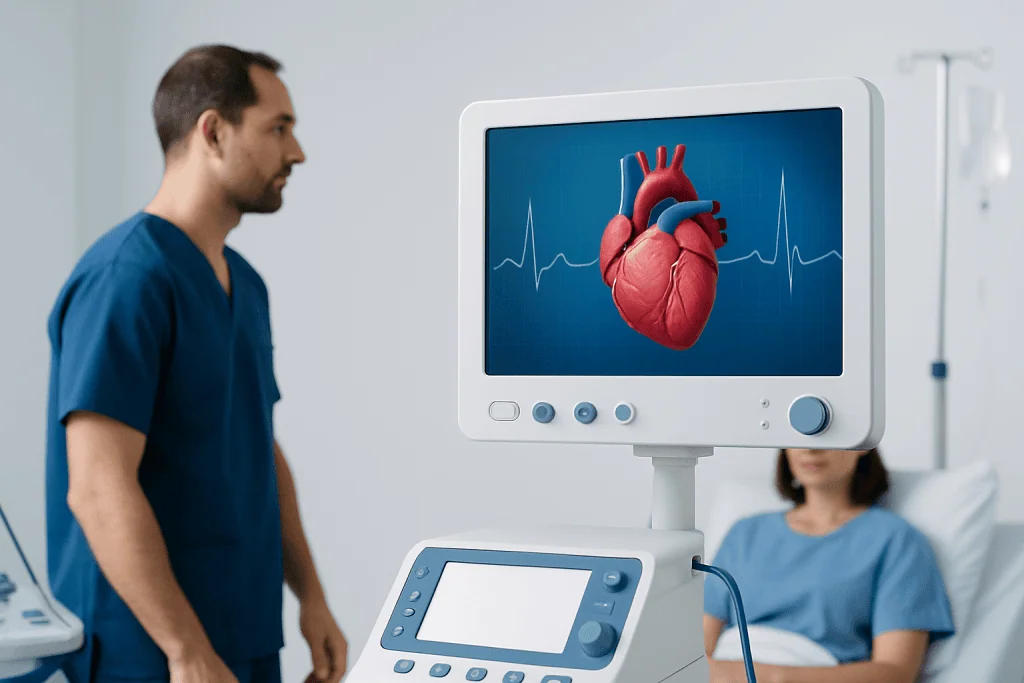
One of the most common forms is coronary artery disease. This happens when the arteries that supply the heart muscle become narrowed or blocked, usually because of a buildup of fatty deposits called plaque. Reduced blood flow can cause chest pain, shortness of breath, or a heart attack. This form is closely related to the broader process of atherosclerosis.
Another important category is arrhythmia, which means an abnormal heart rhythm. The heart may beat too fast, too slowly, or irregularly. Some rhythm problems are harmless, while others need careful monitoring or treatment. Doctors also classify valvular heart disease separately, because problems such as narrowing or leakage in the heart valves can change how blood moves through the heart.
Heart failure is a condition in which the heart cannot pump blood as effectively as the body needs. It does not mean the heart has stopped, but rather that it has become weaker or stiffer. Cardiomyopathy refers to diseases of the heart muscle itself, and these may be inherited, caused by infections, linked to alcohol or certain medicines, or develop for reasons that are not fully clear.
Doctors also recognize congenital heart disease, which is present at birth, and inflammatory conditions such as myocarditis or pericarditis. In practice, classification may be based on anatomy, function, symptoms, cause, or severity. This structured approach helps the care team choose the most appropriate tests and treatment plan.
Symptoms of heart disease

Heart disease does not always cause the same symptoms in every person. Some people notice clear warning signs, while others have mild symptoms or no symptoms until a problem is found during a routine checkup. The symptoms depend on the type of heart disease and how advanced it is.
Possible symptoms include chest pain, pressure, tightness, or discomfort, especially during activity or stress. Shortness of breath can occur with exercise, when lying flat, or even at rest in more advanced disease. Some people feel palpitations, which may be described as a racing, fluttering, pounding, or skipped heartbeat.
Other symptoms may include unusual fatigue, dizziness, fainting, swelling in the legs or ankles, reduced exercise tolerance, and sudden sweating or nausea. In valvular or heart failure conditions, fluid buildup may cause swelling or a persistent cough. Inflammatory heart conditions can sometimes cause sharp chest pain or symptoms after a recent viral illness.
A heart attack is a medical emergency and can present with severe chest pressure, pain spreading to the arm, back, jaw, or stomach, shortness of breath, or a cold sweat. Symptoms can differ in women, older adults, and people with diabetes, who may have less typical signs such as fatigue, indigestion-like discomfort, or breathlessness. Sudden or concerning symptoms should be assessed by a doctor without delay.
Causes and risk factors
The causes of heart disease vary by type. Coronary artery disease most often develops over time as cholesterol-rich plaque builds up in the artery walls. High blood pressure can strain the heart and blood vessels, while diabetes can damage circulation and raise the risk of plaque formation. Smoking, obesity, physical inactivity, and an unhealthy diet can also contribute.
Some forms of heart disease are related to age, inherited traits, or a family history of early cardiovascular illness. People with a parent or sibling who developed heart disease at a younger age may have a higher risk themselves. Certain valve disorders and cardiomyopathies can also run in families, which is why doctors sometimes recommend screening for close relatives.
Other causes include infections, autoimmune diseases, thyroid disorders, kidney disease, sleep apnea, heavy alcohol use, stimulant drugs, and side effects of some medications or cancer treatments. Congenital heart disease develops before birth as the heart forms. In some cases, no single cause is identified, even after a full evaluation.
Doctors also look at risk factors that can be changed and those that cannot. While age and genetics cannot be changed, blood pressure, cholesterol, blood sugar, smoking status, weight, activity level, and sleep habits can often be improved. Identifying these factors early is a practical step toward prevention and better long-term heart health.
How heart disease is diagnosed
Diagnosis begins with a medical history and physical examination. The doctor asks about symptoms, family history, smoking, exercise, diet, sleep, and existing conditions such as high blood pressure or diabetes. During the examination, they may listen for murmurs, check the pulse, measure blood pressure, and look for signs such as swelling or fluid retention.
Basic tests often include an electrocardiogram to assess heart rhythm and blood tests to check cholesterol, glucose, kidney function, markers of heart strain, or signs of heart damage. An echocardiogram uses ultrasound to show the heart’s structure and pumping function. Exercise stress testing can help reveal problems that appear when the heart is working harder.
When doctors suspect blocked coronary arteries, they may use advanced imaging such as CT coronary angiography or invasive coronary angiography to view blood flow directly. Depending on the situation, monitoring devices may record the heart rhythm over a day or longer to detect intermittent arrhythmias. Cardiac MRI and other specialized tests can also be helpful in cardiomyopathy or inflammatory disease.
The diagnosis is not just about naming the disease. Doctors also assess its severity, whether it is stable or urgent, and whether there are related problems such as heart failure or kidney impairment. This full picture helps guide treatment choices and follow-up planning.
Treatment options
Treatment depends on the type of heart disease, its cause, and the person’s overall health. Many patients start with a combination of lifestyle measures and medication. Depending on the condition, medicines may be used to lower blood pressure, reduce cholesterol, prevent clotting, control blood sugar, remove extra fluid, or improve heart rhythm and pumping function.
For coronary artery disease, treatment may involve medications alone or procedures to improve blood flow. In selected patients, angioplasty and stent treatment can open a narrowed artery, while coronary artery bypass grafting may be recommended for more extensive disease. Rhythm disorders may be treated with medicines, monitoring, catheter-based procedures, or devices such as pacemakers in appropriate cases.
Valve disease can range from mild and monitored to severe and requiring repair or replacement. Heart failure treatment usually combines medication, salt and fluid guidance when appropriate, treatment of the underlying cause, and regular follow-up. Some cardiomyopathies and congenital conditions require long-term specialist care.
Successful treatment often means managing the whole person rather than only the heart. This includes controlling blood pressure, cholesterol, diabetes, body weight, and sleep disorders, as well as supporting physical activity and smoking cessation. Near the end of the care pathway, patients may seek evaluation at centers such as Acibadem International, where multidisciplinary specialists in JCI-accredited hospitals diagnose and treat heart conditions for international patients.
Prevention and self-care
Not all heart disease can be prevented, but many cases can be delayed, reduced, or better controlled through healthy habits. One of the most effective steps is to avoid smoking and secondhand smoke. Regular physical activity, balanced eating patterns, and maintaining a healthy weight can support blood pressure, cholesterol, and blood sugar control.
Self-care also means keeping up with routine health checks. Many people feel well even when blood pressure, cholesterol, or diabetes is not well controlled. Regular checkups can detect these issues early so treatment can begin before complications develop.
Practical heart-healthy habits include:
- Eating plenty of vegetables, fruits, whole grains, legumes, and healthy fats
- Limiting highly processed foods, excess salt, trans fats, and added sugars
- Staying physically active most days of the week
- Sleeping well and seeking help for possible sleep apnea
- Managing stress in sustainable ways
- Taking prescribed medicines consistently and attending follow-up visits
For people who already have heart disease, self-care is just as important as medical treatment. Tracking symptoms, knowing personal risk factors, and understanding when to seek help can reduce complications and improve quality of life over time.
When to see a doctor
A doctor should evaluate ongoing symptoms such as chest discomfort, shortness of breath, frequent palpitations, reduced exercise tolerance, unexplained fatigue, or swelling in the legs. Even if symptoms seem mild, they can provide important clues about an underlying heart problem. Early assessment often makes diagnosis and treatment more straightforward.
People with major risk factors such as high blood pressure, diabetes, high cholesterol, smoking, obesity, kidney disease, or a strong family history of early heart disease should also discuss prevention and screening with a healthcare professional. This is especially important if there has been a recent change in stamina, new breathlessness, or episodes of dizziness.
Urgent medical attention is needed for symptoms that could suggest a heart attack or a dangerous rhythm disturbance. These include severe or persistent chest pain, sudden shortness of breath, fainting, new weakness, or symptoms that spread to the arm, jaw, or back. It is safest not to ignore sudden symptoms or wait to see if they pass.
Heart disease is common, but it is also highly manageable in many cases when recognized early. A qualified doctor can help identify the cause of symptoms, explain the type of heart disease present, and build a care plan that fits the individual’s needs and goals.
Frequently asked questions
Is heart disease the same as cardiovascular disease?
The terms are closely related, but they are not always used in exactly the same way. Heart disease usually refers to conditions affecting the heart itself, while cardiovascular disease can include diseases of both the heart and blood vessels. In everyday use, people and even health sources may sometimes use the terms interchangeably.
What is the most common type of heart disease?
Coronary artery disease is one of the most common types of heart disease. It happens when the arteries that supply the heart muscle become narrowed or blocked, usually because of plaque buildup. This can lead to chest pain, reduced blood flow, or a heart attack.
Can someone have heart disease without symptoms?
Yes, some people have heart disease without obvious symptoms, especially in the early stages. Problems such as high blood pressure, early coronary artery disease, or some valve disorders may be found during routine testing. This is one reason regular health checks are important.
Are heart disease risk factors reversible?
Some are modifiable and some are not. Age and family history cannot be changed, but smoking, high blood pressure, high cholesterol, poor blood sugar control, inactivity, and excess weight can often be improved. Managing these factors can lower risk and support better outcomes.
How do doctors know which type of heart disease a person has?
Doctors use a combination of symptoms, medical history, physical examination, blood tests, electrocardiograms, echocardiography, stress testing, and imaging studies. The exact tests depend on what problem is suspected. The goal is to identify the cause, location, and severity of the condition.
Can heart disease be treated successfully?
Many forms of heart disease can be managed very effectively with lifestyle changes, medication, monitoring, and procedures when needed. Success depends on the type of disease, how early it is diagnosed, and how well treatment is followed. Regular follow-up with a qualified doctor is an important part of long-term care.
References
- World Health Organization
- American Heart Association
- European Society of Cardiology
- National Heart, Lung, and Blood Institute
- Centers for Disease Control and Prevention
This article is for general information only and is not a substitute for professional medical advice. Please consult a qualified doctor about your individual situation.
Heart care in Turkey — expert evaluation and treatment
JCI-accredited · board-certified surgeons · reply within 24h
Add us as a Preferred Source to see more of our trusted health content across Google Search, AI Overviews and Discover.

More from the Health Library



Related Specialists

Prof. Dr. Mustafa Herdem
Orthopedic Surgery & Traumatology
Dt. Gözde Kaya
Oral & Dental Health
Dr. Melih Gündüz
Gynecology & Obstetrics
Prof. Dr. Erdoğan Ertüngealp
Gynecology & Obstetrics