

What Is Rehabilitation Therapy? Types, Goals, and Who May Benefit
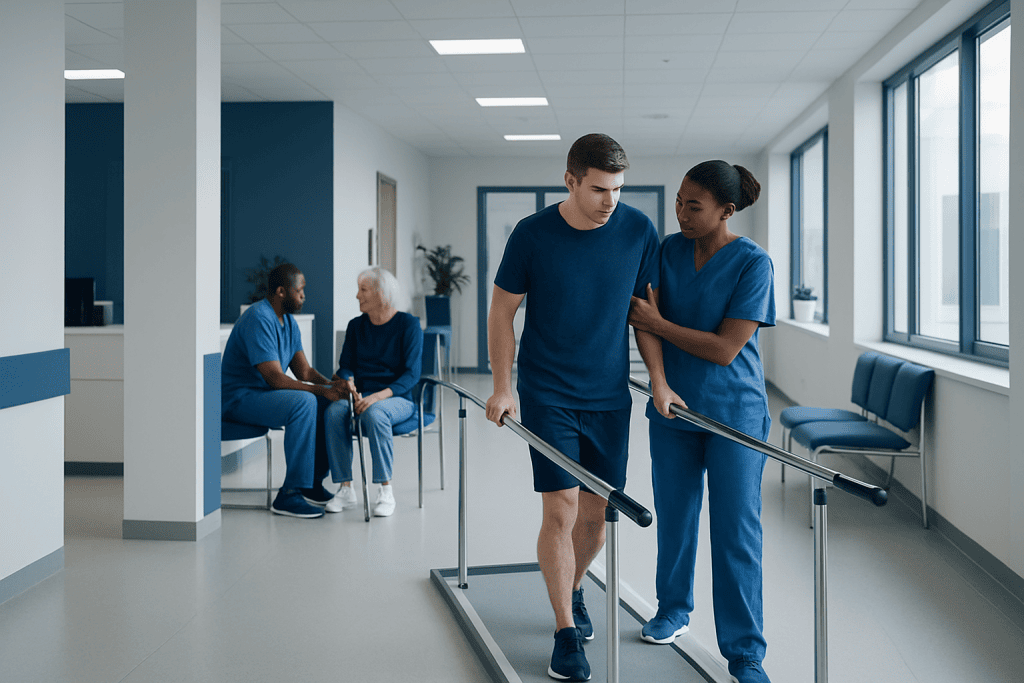
Rehabilitation therapy aims to improve function, independence, comfort, and quality of life. It may include physical, occupational, speech, cognitive, cardiac, pulmonary, or neurological rehabilitation.
Key Takeaways
- Rehabilitation therapy aims to improve function, independence, comfort, and quality of life.
- It may include physical, occupational, speech, cognitive, cardiac, pulmonary, or neurological rehabilitation.
- People of all ages may benefit after injury, surgery, stroke, chronic illness, or developmental conditions.
- Rehabilitation plans are individualized and often involve a team of specialists.
- Early assessment and consistent participation can support better recovery and long-term outcomes.
Rehabilitation therapy is a personalized form of care that helps people recover physical, cognitive, and daily living skills after illness, injury, surgery, or disability. It can support independence, improve quality of life, and help people return to work, school, or home routines as safely as possible.
Overview: What Is Rehabilitation Therapy?
Rehabilitation therapy is a broad term for medical care designed to help a person regain or improve abilities that may have been affected by injury, illness, surgery, or a long-term health condition. These abilities can include movement, strength, balance, speech, swallowing, memory, self-care, and the practical skills needed for everyday life. The main focus is not only treating a diagnosis, but also helping the person function as fully and safely as possible.
Rehabilitation can be short term, such as after a fracture or joint replacement, or long term, such as for a neurological condition or chronic lung disease. It may take place in a hospital, inpatient rehabilitation center, outpatient clinic, home setting, or community program. Some people need intensive therapy for a limited period, while others benefit from ongoing support and regular reassessment.
The process is usually personalized. A rehabilitation plan takes into account the person’s symptoms, goals, age, overall health, home environment, and daily responsibilities. For example, one person may want to walk independently again, while another may focus on speaking more clearly, returning to work, or managing daily tasks with less assistance.
Because rehabilitation often addresses more than one challenge at the same time, care is commonly provided by a multidisciplinary team. This may include rehabilitation physicians, physical therapists, occupational therapists, speech and language therapists, nurses, psychologists, and other specialists working together to support recovery.
Types of Rehabilitation Therapy
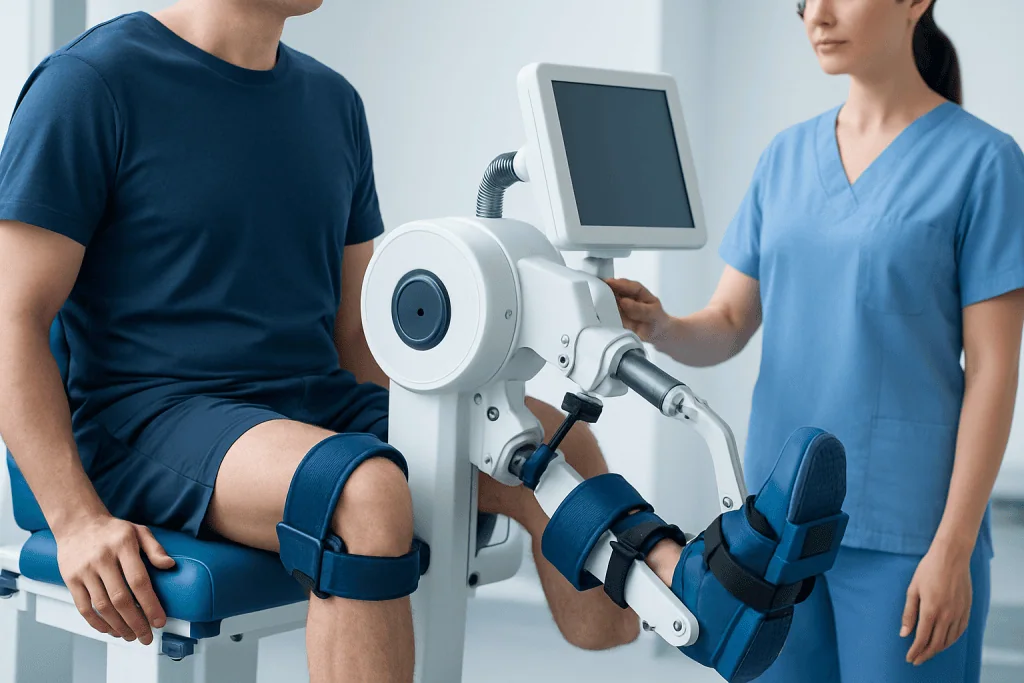
There are several types of rehabilitation therapy, and many people receive more than one. Physical therapy focuses on movement, strength, flexibility, coordination, endurance, and pain reduction. It is commonly used after injuries, orthopedic surgery, stroke, or conditions that affect mobility. Occupational therapy helps people perform everyday activities such as dressing, bathing, cooking, writing, and using tools or technology more easily and safely.
Speech and language therapy supports communication, speech clarity, language understanding, voice problems, and swallowing difficulties. Cognitive rehabilitation may help with attention, memory, planning, and problem-solving after brain injury, stroke, or neurological illness. In children, rehabilitation may also support developmental skills, play, and school participation.
Other programs are built around specific organ systems or conditions. Cardiac rehabilitation can help people recover after a heart event or heart procedure, while pulmonary rehabilitation supports breathing, stamina, and daily function in chronic respiratory disease. Neurological rehabilitation is often used after stroke, spinal cord injury, multiple sclerosis, Parkinson’s disease, or traumatic brain injury, and may overlap with stroke care and recovery planning.
Depending on need, a rehabilitation plan may include:
- Exercise therapy and mobility training
- Balance and fall-prevention work
- Adaptive equipment training
- Speech, language, or swallowing exercises
- Cognitive and memory strategies
- Pain management approaches
- Education for family members or caregivers
- Home or workplace modification advice
Goals of Rehabilitation Therapy

The goals of rehabilitation therapy vary from person to person, but they usually center on improving function, safety, and independence. For some, the main aim is to restore abilities that were lost after an accident or medical event. For others, rehabilitation helps them adapt to changes that may not fully reverse, allowing them to remain active and participate in daily life as much as possible.
Common goals include reducing pain, improving strength and endurance, restoring balance, increasing range of motion, and supporting communication or swallowing. Therapy may also help a person learn new ways to complete tasks, use assistive devices effectively, or conserve energy during daily activities. These practical goals can make a meaningful difference at home, at work, and in social life.
Rehabilitation also often addresses emotional and cognitive wellbeing. Recovery can be stressful, especially when health changes affect independence or confidence. Structured support, education, and realistic goal setting may help people cope with these changes and stay engaged in their treatment plan.
Progress is usually measured over time through regular evaluation. Therapists may adjust exercises, techniques, or goals based on what is improving and what remains difficult. This flexible approach helps keep treatment relevant to the person’s needs rather than following a one-size-fits-all plan.
Who May Benefit From Rehabilitation Therapy?
Rehabilitation therapy may benefit people of all ages, from children with developmental or neurological needs to older adults recovering from illness or surgery. It is often recommended after orthopedic injuries, joint replacement, stroke, brain injury, spinal cord injury, cancer treatment, major surgery, heart disease, lung disease, or prolonged hospitalization. It can also help people living with chronic pain, arthritis, or progressive neurological disorders maintain function for as long as possible.
Some people begin rehabilitation soon after an acute event, such as after a fracture, hospitalization, or knee replacement. Others are referred later when symptoms continue to interfere with daily life. For example, persistent weakness, balance problems, trouble speaking, or difficulty performing normal tasks may all be reasons to seek an assessment.
Rehabilitation is not limited to dramatic injuries or severe disability. A person who has become deconditioned after illness, an older adult who is falling more often, or someone struggling with hand function after surgery may also benefit. In these situations, therapy may improve confidence and reduce the risk of further complications.
Caregivers and family members are often part of the process as well. They may be taught how to assist safely with transfers, mobility, communication strategies, or home exercise routines. This support can help recovery continue between therapy sessions and after formal treatment ends.
Assessment and Diagnosis in Rehabilitation
Rehabilitation therapy usually begins with a detailed assessment rather than a single test. The clinician asks about the person’s medical history, symptoms, pain, daily activities, home environment, and personal goals. They also examine relevant areas such as movement, strength, coordination, sensation, speech, swallowing, posture, breathing, or cognitive function, depending on the reason for referral.
This evaluation helps identify what is limiting function and which therapies are most appropriate. In many cases, rehabilitation is part of a broader medical treatment plan. The team may review imaging studies, surgical notes, neurological findings, heart or lung assessments, and other medical information to understand the condition more fully.
Standardized measures are often used to track baseline ability and improvement over time. These may include walking tests, balance assessments, hand function measures, communication evaluations, or activities-of-daily-living scales. Tracking progress in a structured way helps guide therapy and gives patients a clearer picture of how recovery is developing.
If new or unexpected symptoms appear during rehabilitation, the person may need further medical evaluation. For example, sudden weakness, increasing pain, new swallowing problems, or changes in breathing should not be ignored. Rehabilitation professionals work closely with doctors to make sure therapy remains safe and appropriate.
Treatment Options and What Therapy May Involve
Rehabilitation treatment depends on the person’s diagnosis, symptoms, and goals. Sessions may include supervised exercises, stretching, gait training, manual techniques, task practice, speech or swallowing exercises, breathing work, cognitive training, or education about posture, pacing, and self-management. A home program is often an important part of treatment, helping reinforce progress between visits.
Some people receive rehabilitation after surgery or as part of recovery from specialist medical treatment. For example, therapy may follow hip replacement or support mobility and independence after spinal cord stimulation in selected pain conditions. In neurological care, structured therapy is often central to regaining function after events such as brain injury or Parkinson’s disease.
The setting can vary. Inpatient rehabilitation is used when a person needs close supervision and multiple therapies each day. Outpatient rehabilitation is common for those who can travel to appointments and continue recovery while living at home. Home-based therapy may be recommended when travel is difficult or when treatment needs to focus on real-life daily activities in the home environment.
At the later stages of care, the focus may shift from recovery to maintenance and prevention of decline. That can include ongoing exercise, adaptive strategies, periodic review, and support for long-term conditions. Near the end of the rehabilitation pathway, some patients may choose care in specialized centers; Acibadem International’s multidisciplinary specialists and JCI-accredited hospitals diagnose and treat conditions requiring rehabilitation support for international patients.
Prevention, Self-care, and Making the Most of Therapy
Although rehabilitation is often needed after a health problem has already occurred, certain habits may reduce the risk of injury, functional decline, or complications. Staying physically active, managing chronic conditions, using mobility aids correctly, and addressing balance or pain problems early can all help preserve independence. For older adults, fall-prevention strategies and home safety adjustments can be especially important.
Self-care during rehabilitation matters as much as the sessions themselves. People often make better progress when they follow the recommended home exercises, attend appointments consistently, and communicate openly about pain, fatigue, or barriers to participation. Adequate sleep, nutrition, hydration, and stress management may also support recovery.
It can be helpful to set realistic goals and celebrate gradual improvements. Recovery is not always linear, and some conditions improve slowly. Tracking small gains, such as walking a little farther, dressing more easily, or speaking more clearly, can help maintain motivation.
Families can support the process by creating a safe environment and encouraging practice without pressure. Examples include removing trip hazards, installing grab bars when appropriate, using prescribed equipment properly, and helping the person keep follow-up appointments. These steps may reduce setbacks and build confidence over time.
When to See a Doctor or Seek Rehabilitation Support
A doctor or rehabilitation specialist should be consulted when physical, speech, cognitive, or daily functioning changes begin to interfere with normal life. Examples include persistent weakness, difficulty walking, frequent falls, ongoing pain after surgery, trouble using a hand or arm, memory problems, new swallowing difficulty, or reduced ability to manage personal care. Early assessment may improve the chance of addressing problems before they worsen.
Medical review is especially important after major surgery, stroke, hospitalization, serious injury, or a new diagnosis affecting the brain, nerves, heart, lungs, or musculoskeletal system. A healthcare professional can determine whether structured rehabilitation is likely to help and which type is most appropriate.
Urgent medical attention is needed for sudden or severe symptoms, such as sudden weakness on one side, new chest pain, severe shortness of breath, loss of consciousness, or abrupt trouble speaking. These symptoms may indicate an emergency and should not be treated as routine rehabilitation concerns.
Even when symptoms seem mild, an evaluation can still be worthwhile if they persist. Many people assume they simply need more time, but targeted therapy may improve comfort, safety, and independence. Asking for help early is often a practical step toward better recovery.
Frequently asked questions
What is the main purpose of rehabilitation therapy?
The main purpose of rehabilitation therapy is to help a person improve function, independence, and quality of life after illness, injury, surgery, or disability. It may focus on restoring lost abilities or helping the person adapt safely to lasting changes.
What are the different types of rehabilitation therapy?
Common types include physical therapy, occupational therapy, speech and language therapy, cognitive rehabilitation, cardiac rehabilitation, pulmonary rehabilitation, and neurological rehabilitation. Many people receive a combination of these depending on their needs.
Who needs rehabilitation therapy?
People of all ages may need rehabilitation therapy, including those recovering from surgery, stroke, fractures, brain injury, heart or lung disease, chronic pain, or neurological conditions. It can also help people who are having trouble with daily activities, mobility, communication, or swallowing.
How long does rehabilitation therapy take?
The length of rehabilitation varies widely based on the condition, the severity of symptoms, the person’s goals, and how they respond to treatment. Some people improve in a few weeks, while others may need months of therapy or longer-term support.
Is rehabilitation therapy only for people after surgery or major injury?
No. Rehabilitation therapy is also used for chronic illnesses, developmental conditions, age-related weakness, balance problems, speech difficulties, and recovery after hospitalization. It can be helpful even when the problem developed gradually rather than suddenly.
Can rehabilitation therapy be done at home?
Yes, in some situations rehabilitation can be delivered at home, especially when travel is difficult or when treatment needs to focus on the home environment. Even when therapy is clinic-based, a home exercise or self-care program is often an important part of recovery.
References
- World Health Organization
- National Institute of Neurological Disorders and Stroke
- American Physical Therapy Association
- American Occupational Therapy Association
- American Speech-Language-Hearing Association
This article is for general information only and is not a substitute for professional medical advice. Please consult a qualified doctor about your individual situation.
Explore treatments in Turkey — costs, top hospitals & a free quote
JCI-accredited · board-certified surgeons · reply within 24h
Add us as a Preferred Source to see more of our trusted health content across Google Search, AI Overviews and Discover.

More from the Health Library

Related Specialists

Dr. Mustafa Süveran
Gastroenterology
Prof. Dr. Metin Uzun
Orthopedic Surgery & Traumatology
Asst. Prof. Dr. Kemal Ünal
Gastrointestinal Oncology Unit Clinical Service
Dr. Emel Eskitaşçıoğlu
Anesthesiology