When a Second Opinion Can Change a Treatment Plan

A second opinion is a normal and accepted part of medical care. It can confirm a diagnosis or suggest different tests or treatments.
Key Takeaways
- A second opinion is a normal and accepted part of medical care.
- It can confirm a diagnosis or suggest different tests or treatments.
- Second opinions are especially useful before major surgery, cancer treatment, or lifelong therapy.
- Bringing records, scan reports, and a medication list makes the process smoother.
- The goal is informed decision-making, not distrust of the first doctor.
A second opinion can help a person better understand a diagnosis and feel more confident about treatment choices. It may confirm the original plan or open the door to different options, tests, or specialists.
Overview: What a Second Opinion Means
A second opinion for treatment plan decisions means asking another qualified doctor to review the diagnosis, test results, and recommended care. This is a common step in modern medicine and is often encouraged, especially when treatment is complex, long-term, or life-changing. Seeking another expert view does not mean a patient is being difficult or disloyal. It means they want to make a careful, informed decision.
In many cases, the second doctor agrees with the first. Even then, the process can still be very valuable because it reassures the patient that the plan is appropriate. In other situations, the second opinion may suggest a different diagnosis, more testing, another treatment sequence, or a less invasive option.
Second opinions can be helpful across many areas of care, including cancer, heart disease, orthopedic surgery, neurological conditions, fertility treatment, and chronic illnesses. They may also help when symptoms have not improved, when the diagnosis is uncertain, or when the proposed treatment carries significant risk or recovery time.
When a Second Opinion Can Make the Biggest Difference
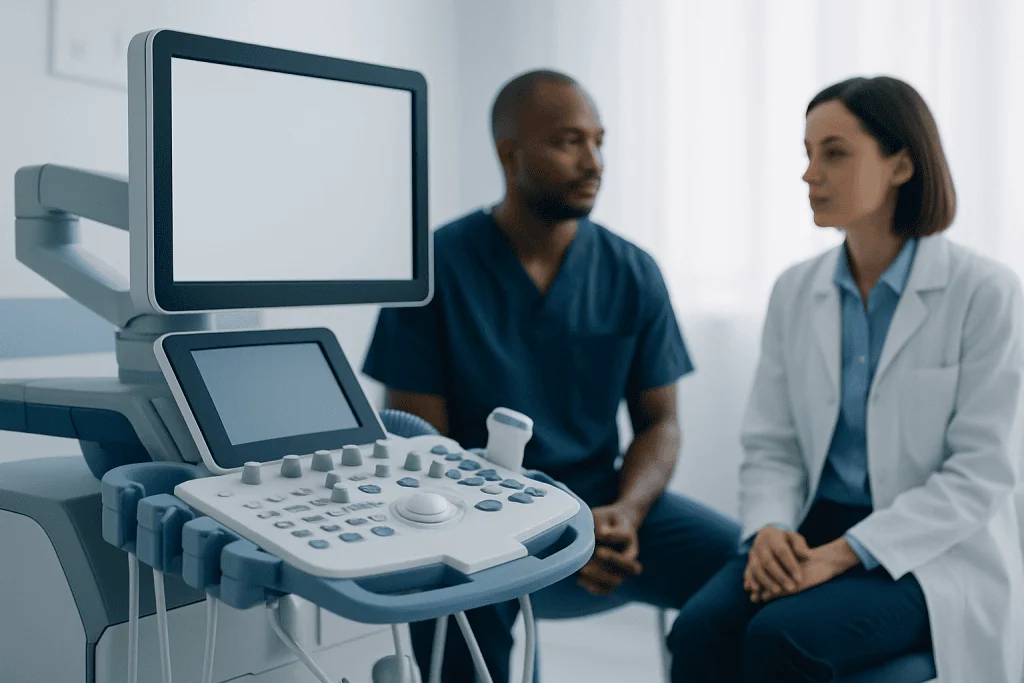
Some medical situations are more likely than others to benefit from a second review. A person may want another opinion if they have been told they need major surgery, a high-risk procedure, chemotherapy, radiation therapy, or a treatment they may need for many years. It can also be useful if the condition is rare, symptoms do not match the diagnosis, or several treatment paths are available.
A second opinion may also change a treatment plan when the original diagnosis is based on imaging, pathology, or other tests that can be interpreted in more than one way. For example, a specialist may recommend repeating a scan, reviewing biopsy slides, or ordering tests that better define the condition. This is often seen in complex fields such as oncology treatment, spine care, and advanced heart procedures.
Common reasons to seek a medical second opinion include:
- A serious or newly diagnosed condition
- Recommendation for surgery or another invasive treatment
- Unclear diagnosis or conflicting test results
- Symptoms that are not improving with treatment
- Desire to understand all available options, including conservative care
- Need for more confidence before making a major decision
Sometimes the most important change is not the treatment itself, but the timing, goals, or order of care. For one person, this may mean trying physical therapy before surgery. For another, it may mean seeing a subspecialist, considering genetic testing, or joining a structured follow-up program.
How a Second Opinion Can Change a Treatment Plan

A second opinion can influence care in several ways. It may confirm the original plan, which often brings peace of mind and helps a patient move forward with fewer doubts. It may also refine the diagnosis, especially when symptoms overlap with another condition. Sometimes what appears to be one disorder may actually be a related problem that needs a different approach.
Another specialist may recommend a less invasive treatment, a different type of surgery, another medicine class, or a watch-and-wait strategy with close monitoring. In some cases, they may identify that additional tests are needed before treatment starts. This can prevent unnecessary procedures and make treatment more precise.
For example, a patient told they need immediate surgery may learn that a trial of rehabilitation or image-guided treatment is reasonable first. A person facing cancer care may be advised to have pathology reviewed before beginning therapy. Someone with ongoing abdominal symptoms may be assessed differently after a detailed gastroenterology evaluation. In other cases, a second doctor may identify an associated condition such as thyroid cancer or another underlying issue that changes the treatment pathway.
Even when no major change occurs, the discussion often improves understanding. Patients may learn the likely benefits, possible side effects, expected recovery, and alternatives in clearer terms. That deeper understanding can help them choose a plan that fits their health goals and daily life.
What to Prepare Before Seeking Another Opinion
Good preparation makes a second opinion more useful. Patients should try to gather all relevant medical records before the visit. This usually includes clinic notes, discharge summaries, pathology reports, blood test results, imaging reports, and, when possible, the actual scans on a disc or secure digital system. A full list of medicines, allergies, previous treatments, and past surgeries is also helpful.
It can be useful to write down a short medical timeline. This might include when symptoms started, what treatments have been tried, what improved, and what did not. Bringing a list of questions also helps keep the appointment focused. Many patients find it helpful to ask whether the diagnosis is certain, what alternatives exist, what the risks are, and whether any urgent action is truly needed.
Questions to consider asking include:
- Do you agree with the diagnosis?
- Are any additional tests needed?
- What are the treatment options, including non-surgical ones?
- What are the expected benefits and risks of each option?
- What happens if treatment is delayed or monitored for a period?
- Would a different specialist also need to be involved?
Patients should also check practical details such as insurance coverage, referral requirements, and whether records need to be translated if care is being sought abroad. If the issue is urgent, the first doctor’s office can often help transfer records quickly so another specialist can review them without delay.
Choosing the Right Specialist for a Second Opinion
The best second opinion usually comes from a doctor with experience in the exact condition or procedure being considered. For a general diagnosis, this may be another physician in the same specialty. For a rare or complicated problem, it may be better to consult a subspecialist at a center that regularly treats that condition.
Multidisciplinary care can be especially valuable when several body systems are involved or when there is more than one reasonable treatment path. A team discussion may include radiology, pathology, surgery, medical treatment specialists, and rehabilitation professionals. This approach is common in areas such as neurosurgery, cancer care, and complex digestive disorders.
Patients may wish to look for a specialist who explains options clearly, reviews records carefully, and is comfortable discussing both the benefits and the limits of treatment. A good second opinion should feel informative and balanced rather than rushed. The aim is to support decision-making with expertise, not to pressure the patient in one direction.
Near the end of the process, some patients choose a center that can provide both diagnosis and treatment if needed. Acibadem International’s multidisciplinary specialists and JCI-accredited hospitals evaluate and treat international patients across a wide range of conditions, which can be helpful when coordinated opinions and follow-up are important.
What Happens If the Two Opinions Differ
Different opinions do not always mean that one doctor is wrong. Medicine often involves judgment calls based on symptoms, imaging, personal risk factors, and a patient’s goals. Two experienced specialists may agree on the diagnosis but recommend different paths, such as surgery now versus close monitoring first. In other cases, the disagreement may involve how certain the diagnosis is.
When opinions differ, patients can ask each doctor to explain the reasoning in simple terms. It helps to compare the proposed benefits, risks, side effects, recovery time, and the consequences of waiting. Asking whether the recommendations are based on clear evidence, clinical experience, or uncertainty can also provide useful context.
If the difference is major, a third opinion may be appropriate, particularly for complex conditions such as suspected brain tumor, uncommon autoimmune disease, or advanced heart and cancer treatment. Sometimes the most practical next step is to have pathology slides re-read or imaging reviewed by a specialist radiologist rather than repeating all tests immediately.
Patients should remember that they remain at the center of the decision. A treatment plan should match not only the medical facts but also the person’s overall health, values, responsibilities, and preferences. Clear communication and careful comparison often lead to the most confident choice.
Self-Advocacy, Timing, and When to Act Quickly
Asking for a second opinion is a form of self-advocacy. It helps patients take an active role in care, understand options, and avoid feeling rushed into decisions they do not fully understand. For many non-emergency conditions, taking a short period to review the plan is safe and appropriate.
However, timing matters. Some situations require prompt treatment, such as rapidly worsening neurological symptoms, severe infection, heavy bleeding, signs of stroke, or conditions where delay could cause harm. In these cases, emergency care should come first. A second opinion can still be requested afterward, once the person is stable or the immediate risk has been addressed.
It may be wise to seek urgent review if symptoms are getting worse despite treatment, if serious side effects have appeared, or if there is uncertainty before a major procedure such as robotic surgery. If there are ongoing concerns about whether the current diagnosis fully explains the symptoms, a timely re-evaluation is reasonable.
In general, patients should not stop prescribed medicines or postpone recommended urgent care without speaking to a qualified doctor. A second opinion works best when it is part of coordinated care, with accurate records and open communication between teams whenever possible.
Frequently asked questions
Is it rude to ask for a second opinion?
No. Asking for a second opinion is a normal part of healthcare and many doctors expect it, especially for major decisions. Most clinicians want patients to feel informed and comfortable with their treatment plan.
When should someone get a second opinion?
It is often helpful before major surgery, cancer treatment, long-term medication use, or when the diagnosis is unclear. It can also be useful if symptoms are not improving or if there are several possible treatment options.
Can a second opinion really change treatment?
Yes, it can. Another specialist may confirm the original plan, suggest more testing, recommend a less invasive option, or refine the diagnosis. Even when the plan does not change, the patient often gains clarity and confidence.
What records should be brought to a second opinion appointment?
Patients should bring clinic notes, imaging reports, scan files if available, blood test results, pathology reports, and a list of medicines and allergies. A short timeline of symptoms and prior treatments can also help the doctor review the case more accurately.
Will insurance cover a second opinion?
Coverage depends on the insurer, the country, and the type of care involved. Some plans cover second opinions routinely, while others may require a referral or pre-authorization. It is best to check with the insurer before the appointment.
Should treatment ever be delayed to get a second opinion?
Sometimes a short delay is reasonable, but urgent or emergency conditions should be treated promptly. If there is concern that waiting could be harmful, the patient should follow urgent medical advice first and seek another opinion as soon as safely possible.
References
- World Health Organization
- U.S. National Library of Medicine
- National Cancer Institute
- Mayo Clinic
- American Medical Association
This article is for general information only and is not a substitute for professional medical advice. Please consult a qualified doctor about your individual situation.
Explore treatments in Turkey — costs, top hospitals & a free quote
JCI-accredited · board-certified surgeons · reply within 24h
Add us as a Preferred Source to see more of our trusted health content across Google Search, AI Overviews and Discover.