When Do You Need a Neuroradiologist? Symptoms That May Lead to Specialized Imaging

Neuroradiologists are radiology specialists focused on the brain, spine, nerves, head, and neck. Symptoms such as severe headaches, weakness, numbness, balance problems, seizures, or sudden vision changes may lead to specialized imaging.
Key Takeaways
- Neuroradiologists are radiology specialists focused on the brain, spine, nerves, head, and neck.
- Symptoms such as severe headaches, weakness, numbness, balance problems, seizures, or sudden vision changes may lead to specialized imaging.
- Common tests include MRI, CT, MR angiography, CT angiography, and sometimes image-guided procedures.
- A neuroradiologist often works with neurologists, neurosurgeons, stroke specialists, and ENT doctors to clarify diagnosis and plan care.
- Not every headache or back pain needs advanced imaging, but red-flag symptoms should be assessed promptly by a doctor.
A neuroradiologist is a doctor who specializes in interpreting imaging of the brain, spine, head, neck, and nervous system. Specialized imaging may be recommended when symptoms suggest a neurological problem that needs a more detailed and expert evaluation.
Overview: What a Neuroradiologist Does
A neuroradiologist is a medical doctor with advanced training in imaging of the nervous system. This includes the brain, spinal cord, spine, nerves, and the blood vessels of the head and neck. Their role is to interpret scans in detail and help other doctors understand whether symptoms may be linked to a structural, inflammatory, vascular, degenerative, or traumatic condition.
Many people first hear the term after a neurologist, emergency physician, neurosurgeon, or spine specialist recommends a scan. A neuroradiologist may review tests such as MRI, CT, angiography, or specialized studies that look at blood flow, tissue changes, or spinal structures. In some centers, they also perform image-guided procedures, depending on their subspecialty training.
Specialized imaging is not always the first step for every symptom. However, it becomes especially helpful when symptoms are persistent, unexplained, severe, sudden, or associated with concerning neurological signs. In these situations, expert interpretation can support an accurate diagnosis and guide treatment decisions more confidently.
Symptoms That May Lead to Specialized Imaging
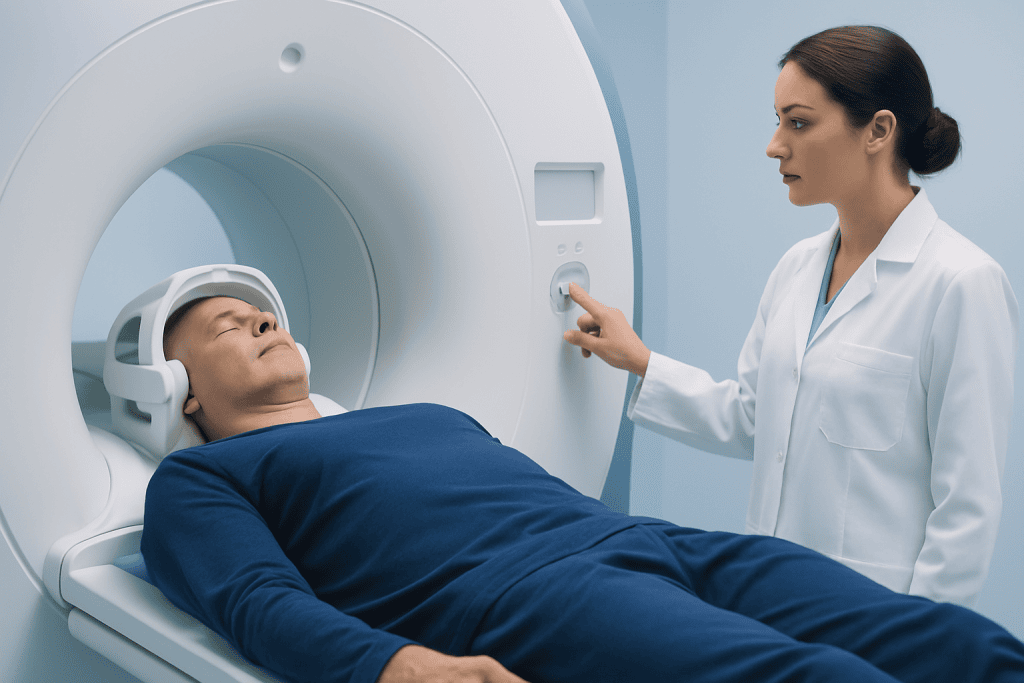
A doctor may involve a neuroradiologist when symptoms suggest a problem in the brain, spine, or nerves. Common reasons include severe or unusual headaches, repeated dizziness, fainting, seizures, weakness, numbness, trouble speaking, memory changes, double vision, hearing changes, facial pain, or difficulty with balance and coordination. Persistent neck pain or back pain with nerve symptoms may also need focused spine imaging.
Some symptoms are especially important because they can point to a time-sensitive condition. These include sudden weakness on one side of the body, sudden trouble speaking, a sudden severe headache unlike previous headaches, sudden confusion, loss of vision, new seizures, or symptoms after a head or spine injury. In these cases, imaging may help doctors look for stroke, bleeding, swelling, spinal cord compression, or other urgent problems.
Imaging may also be used when symptoms change gradually over time. Examples include increasing headaches, worsening balance, progressive numbness, walking difficulty, changes in bladder control, or symptoms that do not improve as expected. Specialized scans can help assess conditions such as brain tumors, inflammation, multiple sclerosis, nerve compression, or vascular abnormalities.
- New or worsening neurological symptoms
- Persistent symptoms without a clear cause
- Symptoms after trauma
- Signs that may suggest stroke or bleeding
- Spine pain with weakness, numbness, or bowel or bladder changes
When Routine Evaluation May Not Be Enough
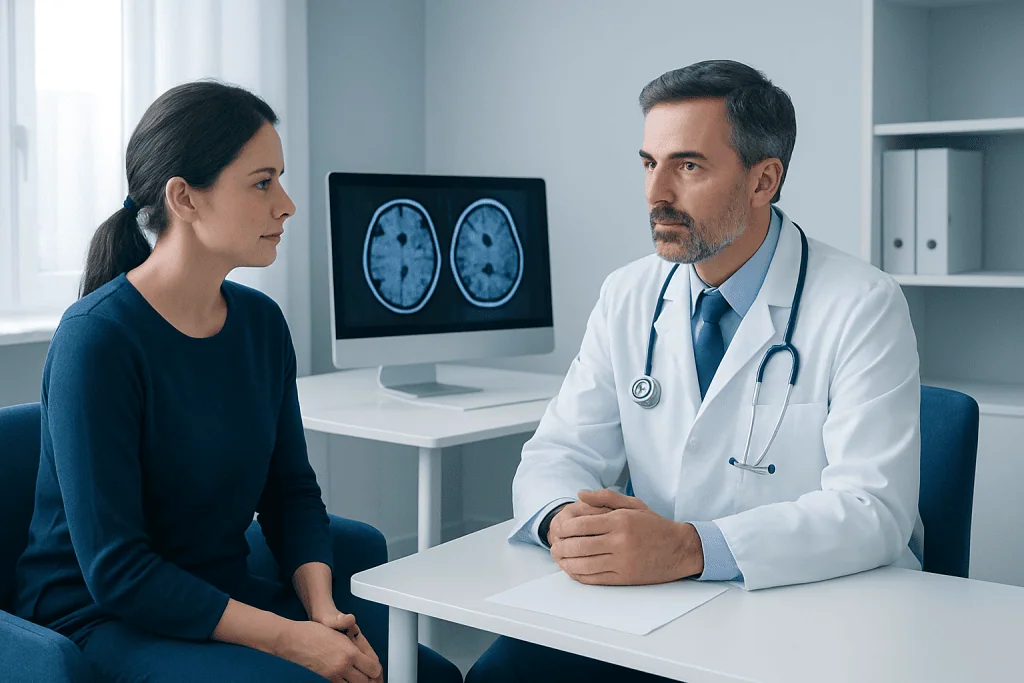
Many neurological complaints begin with a physical examination, medical history, and sometimes basic tests. For example, common headaches, uncomplicated dizziness, or simple back strain may not require advanced imaging right away. Doctors often look first for patterns, triggers, and examination findings that suggest whether symptoms are likely to be benign, musculoskeletal, vascular, or neurological.
A neuroradiologist becomes especially important when routine evaluation leaves unanswered questions or when imaging findings are subtle and need specialist review. Very small changes in the brain, spine, or blood vessels can be difficult to interpret without subspecialty expertise. The neuroradiologist helps distinguish normal variation from disease and may recommend the most useful next imaging study.
This expert input can be valuable for complex problems such as unexplained headaches, suspected demyelinating disease, difficult seizure evaluation, nerve root compression, and abnormalities involving arteries or veins in the brain. In some cases, specialized imaging can help avoid unnecessary procedures by clarifying what is and is not causing the symptoms.
Common Conditions a Neuroradiologist Helps Evaluate
Neuroradiologists help evaluate a wide range of conditions. In emergency care, they may assess suspected stroke, brain hemorrhage, traumatic brain injury, or spinal emergencies. In outpatient settings, they frequently review scans for chronic headaches, seizures, memory problems, movement symptoms, facial pain, and degenerative spine disease.
They also contribute to the diagnosis and follow-up of conditions such as multiple sclerosis, infection, hydrocephalus, congenital abnormalities, pituitary disorders, and nerve compression in the neck or lower back. When blood vessel problems are suspected, imaging can help identify aneurysms, narrowing, clots, or other vascular changes.
For spine-related symptoms, specialized imaging may show disc herniation, spinal canal narrowing, inflammation, fractures, or pressure on the spinal cord or nerve roots. If symptoms involve severe lower back pain with leg weakness or numbness, a specialist may coordinate imaging alongside evaluation for spinal surgery when needed. The goal is not simply to find an abnormality on a scan, but to match imaging findings with the person’s symptoms and examination.
Which Imaging Tests May Be Recommended
The most appropriate test depends on the symptoms and the clinical question. MRI is often preferred for detailed views of the brain, spinal cord, nerves, discs, and soft tissues. It is especially helpful for evaluating stroke after the earliest emergency phase, inflammation, tumors, demyelinating disease, and many causes of persistent neurological symptoms. CT is faster and may be used first in emergencies, especially to look for bleeding, fractures, or major structural problems.
Blood vessel imaging may be added when stroke, aneurysm, vessel narrowing, or vascular malformation is suspected. This can include CT angiography, MR angiography, or other specialized studies. In some situations, contrast dye is used to improve visibility of inflammation, tumors, or blood vessels. Doctors decide this based on the person’s age, kidney function, allergy history, and the purpose of the scan.
Some people may also need advanced procedures or treatment planning based on imaging results. For example, a person with a suspected cerebrovascular problem may be referred for interventional neuroradiology, while someone with symptoms concerning for stroke may need urgent review linked to stroke treatment. Imaging is chosen carefully to answer a specific medical question as clearly and safely as possible.
How Diagnosis and Specialist Collaboration Work
Neuroradiology is usually part of team-based care. A neuroradiologist often works closely with neurologists, neurosurgeons, stroke physicians, ENT specialists, ophthalmologists, and rehabilitation teams. The scan findings are interpreted together with the person’s symptoms, examination, laboratory tests, and medical history. This helps reduce the chance of over-interpreting an incidental finding that may not be related to symptoms.
Sometimes imaging gives a direct answer, such as showing a stroke, disc herniation, or bleeding. In other cases, it helps narrow the possibilities and guide the next step. A normal scan can also be useful because it may rule out serious causes and support a different diagnosis, such as a primary headache disorder or a non-structural cause of dizziness.
If a complex brain or spine problem is identified, the person may be referred for further care. Depending on the findings, this could include medications, monitoring, rehabilitation, neurosurgery, or minimally invasive procedures. Near the end of the care pathway, some international patients seek multidisciplinary evaluation at centers such as Acibadem International, where JCI-accredited hospitals and specialist teams diagnose and treat neurological and neuroradiological conditions.
When to Seek Medical Attention
Medical review is important when neurological symptoms are new, unusual, severe, or progressive. People should not ignore recurrent headaches that are different from their usual pattern, persistent numbness or weakness, repeated fainting, new seizures, or changes in speech, vision, memory, or balance. These symptoms do not always mean a serious illness, but they deserve proper assessment.
Urgent or emergency care is especially important for sudden stroke-like symptoms, a very severe headache that reaches maximum intensity quickly, confusion, sudden loss of consciousness, major head injury, or back and neck symptoms with rapidly worsening weakness. Trouble walking, loss of bladder or bowel control, or severe pain with fever can also be warning signs that need prompt evaluation.
People with ongoing symptoms should keep track of when symptoms started, what makes them better or worse, and whether there are associated changes such as nausea, visual symptoms, or weakness. This information helps the doctor decide whether specialized imaging is needed and which test is likely to be most useful.
Frequently asked questions
What is the difference between a radiologist and a neuroradiologist?
A radiologist interprets many types of medical imaging across the body. A neuroradiologist is a radiologist with additional subspecialty training focused on the brain, spine, head, neck, nerves, and related blood vessels. This expertise is especially useful when symptoms are neurological or when scan findings are complex.
Does every headache need a neuroradiologist or brain scan?
No. Many headaches can be diagnosed clinically and do not require imaging. A doctor is more likely to request specialized imaging when headaches are new, unusually severe, changing in pattern, associated with neurological symptoms, or not responding as expected.
Which symptoms suggest that specialized imaging may be urgent?
Symptoms that begin suddenly and include weakness, trouble speaking, severe confusion, loss of vision, new seizures, or an extreme headache may need urgent imaging. These symptoms can have several causes, but doctors may need to rule out stroke, bleeding, or other serious conditions quickly.
Is MRI better than CT for neurological problems?
Neither test is universally better; each has specific strengths. CT is often faster and useful in emergencies, especially for bleeding or fractures. MRI provides more detailed views of soft tissues, the spinal cord, nerves, and many brain conditions.
Can a neuroradiologist help with back or neck pain?
Yes, especially when pain is accompanied by numbness, weakness, tingling, or signs of nerve compression. Neuroradiologists interpret spine imaging to look for disc herniation, spinal narrowing, inflammation, fractures, or pressure on nerve roots and the spinal cord.
What should a person expect during specialized imaging?
The experience depends on the test. MRI usually takes longer and requires lying still in a scanner, while CT is quicker. Some studies use contrast dye, and the healthcare team will explain preparation, safety checks, and what the scan is meant to evaluate.
References
- World Health Organization
- American College of Radiology
- Radiological Society of North America
- National Institute of Neurological Disorders and Stroke
- American Association of Neurological Surgeons
This article is for general information only and is not a substitute for professional medical advice. Please consult a qualified doctor about your individual situation.
Joint and spine care in Turkey — expert assessment & treatment
JCI-accredited · board-certified surgeons · reply within 24h
Add us as a Preferred Source to see more of our trusted health content across Google Search, AI Overviews and Discover.