When Should Swelling During Pregnancy Be a Concern? Causes, Explanations, and Next Steps

Gradual swelling in both feet and ankles is often a normal result of pregnancy-related fluid retention and pressure on leg veins. Sudden swelling of the face, hands, or around the eyes can be a warning sign, especially after 20 weeks of pregnancy.
Key Takeaways
- Gradual swelling in both feet and ankles is often a normal result of pregnancy-related fluid retention and pressure on leg veins.
- Sudden swelling of the face, hands, or around the eyes can be a warning sign, especially after 20 weeks of pregnancy.
- One-sided leg swelling, pain, warmth, or redness needs urgent assessment because it may indicate a blood clot.
- Preeclampsia can cause swelling together with high blood pressure, headache, visual symptoms, or pain below the ribs.
- A clinician may check blood pressure, urine, blood tests, and the baby's wellbeing to identify the cause safely.
- Comfortable movement, leg elevation, hydration, and avoiding prolonged sitting or standing can help with uncomplicated swelling.
Mild, gradual swelling of the feet and ankles is common during pregnancy, particularly later in the day and in the third trimester. Swelling should be assessed promptly if it starts suddenly, is severe or one-sided, or occurs with symptoms such as headache, vision changes, upper abdominal pain, shortness of breath, or reduced fetal movements.
Overview: Common Swelling and Important Warning Signs
Swelling during pregnancy, also called edema, is very common and is usually harmless when it develops gradually in both feet, ankles, and lower legs. It often becomes more noticeable later in pregnancy, after a long day, in warm weather, or after standing or sitting for a prolonged period. In many cases, it improves with rest and overnight elevation of the legs.
The answer to when should swelling during pregnancy be a concern is that medical review is needed when swelling is sudden, severe, clearly worse than usual, or affects the face, hands, or eyes. It also needs prompt assessment if it occurs with headache, visual disturbance, pain in the upper abdomen, breathlessness, chest pain, or a swollen painful leg.
Although most pregnancy swelling reflects normal body changes, it is important not to diagnose its cause at home. Pregnancy care teams expect questions about new symptoms and can help distinguish ordinary fluid retention from conditions that require monitoring or treatment.
Why Swelling Happens in Pregnancy
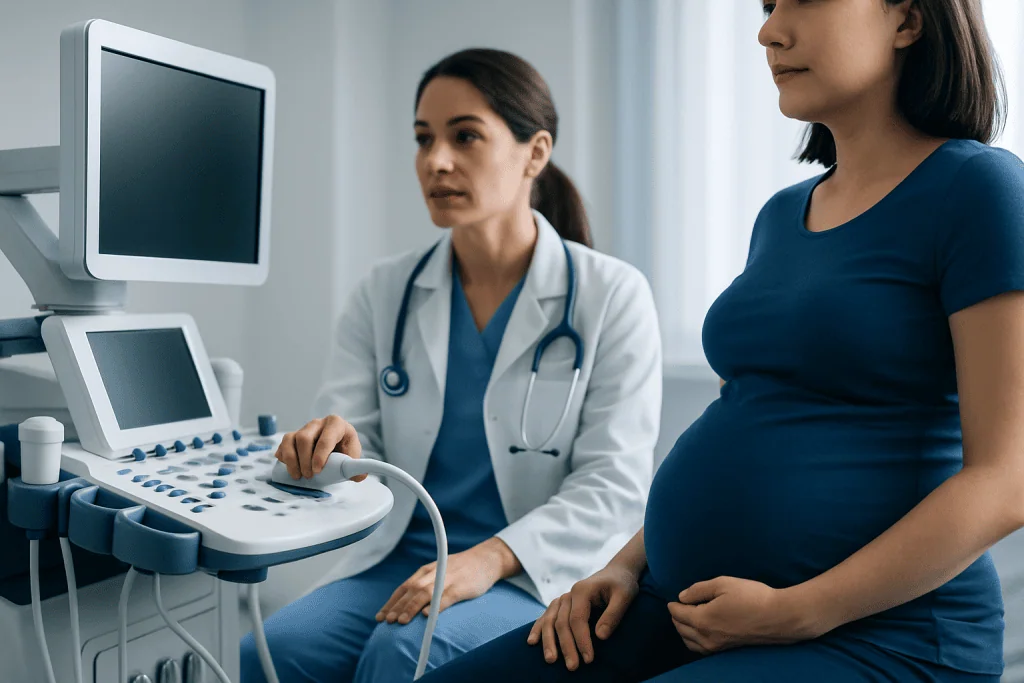
During pregnancy, the body makes more blood and other fluids to support the developing baby and the placenta. Some of this additional fluid moves into body tissues, especially in the lower legs and feet. Hormonal changes can relax blood vessel walls, which also contributes to fluid collecting in surrounding tissues.
As the uterus grows, it can place pressure on the veins that carry blood from the legs back toward the heart. This may slow return of blood from the lower body and make ankle and foot swelling more noticeable. The effect is often greater in the evening, during hot weather, and in people who spend much of the day standing or sitting.
Normal edema is generally symmetrical, meaning it affects both sides similarly. The skin may feel tight and leave a temporary indentation after gentle pressure, but there should not be significant pain, redness, heat, or sudden progression. Even when swelling appears typical, it should be mentioned at routine prenatal visits.
Patterns of Swelling That Need Attention
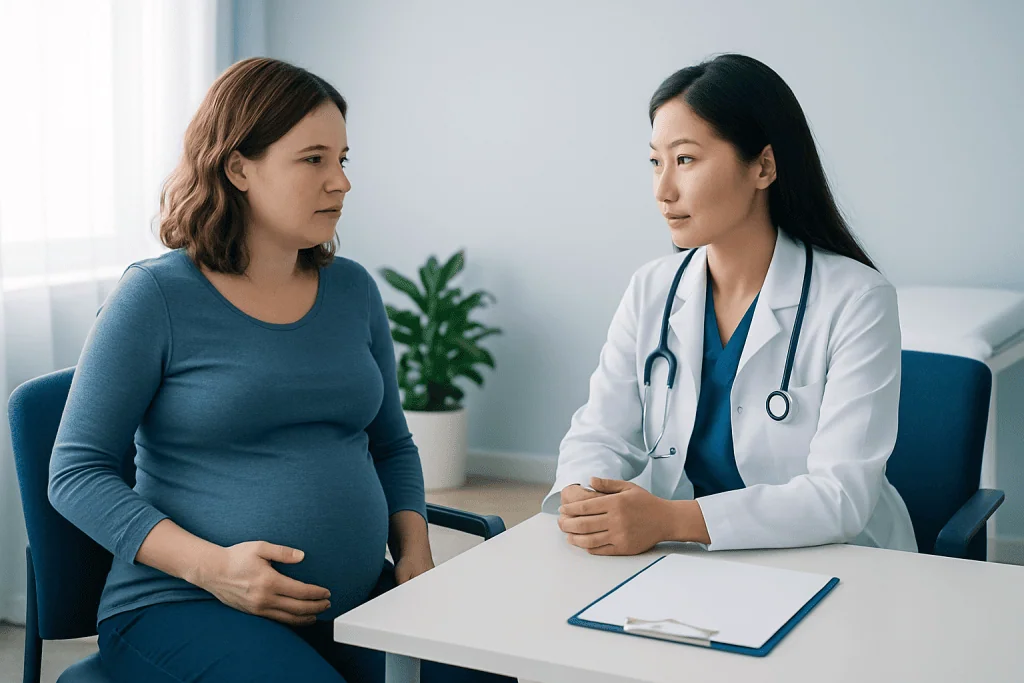
Not all swelling has the same meaning. A gradual increase in both ankles is usually less concerning than a rapid change over hours or a day. Swelling of the hands, face, or eyelids can occur for benign reasons, but new or sudden facial or hand swelling deserves advice from the maternity team, particularly after 20 weeks of pregnancy.
Swelling may be associated with preeclampsia, a pregnancy-related condition involving high blood pressure and possible effects on organs such as the kidneys, liver, brain, and placenta. Swelling alone does not confirm preeclampsia, and many people with ordinary edema do not have it. However, swelling combined with persistent headache, blurred vision or flashing lights, new nausea or vomiting, pain under the right ribs, or sudden weight gain should be checked without delay.
A different concern is deep vein thrombosis, or DVT, a blood clot in a deep vein. It may cause swelling in one leg rather than both, along with tenderness, pain, warmth, redness, or a feeling of heaviness. Pregnancy increases the tendency for blood to clot, so these symptoms require urgent medical assessment rather than massage, exercise, or self-treatment.
- Gradual swelling of both feet and ankles: often related to normal pregnancy changes.
- Sudden swelling of the face, hands, or eyes: contact a maternity clinician promptly.
- One swollen, painful, warm, or red leg: seek urgent same-day medical advice.
- Swelling with chest pain, coughing blood, fainting, or severe breathlessness: seek emergency care immediately.
How a Doctor Evaluates Pregnancy Swelling
A clinician will begin by asking when the swelling started, whether it is affecting one or both sides, how quickly it has changed, and whether other symptoms are present. They may ask about prior blood pressure readings, medical conditions, medications, previous pregnancies, recent travel or immobility, and a personal or family history of blood clots.
Assessment usually includes measuring blood pressure and examining the hands, face, legs, and lungs. A urine test may be performed to look for protein, which can be relevant when preeclampsia is suspected. Blood tests may assess kidney function, liver function, platelet levels, and other markers, depending on the clinical picture.
If one-sided leg symptoms suggest a clot, an ultrasound scan of the leg veins may be arranged. If preeclampsia or another pregnancy complication is a concern, the care team may also check the baby’s growth, movements, heart rate, and amniotic fluid using appropriate obstetric monitoring. These checks help guide care while avoiding unnecessary treatment when swelling is uncomplicated.
Treatment and Everyday Comfort Measures
Treatment depends on the cause. Normal pregnancy edema usually does not require medication and is managed with practical measures that support circulation and comfort. Diuretics, sometimes called water tablets, are not routinely used for ordinary pregnancy swelling unless a doctor identifies a specific medical reason.
For uncomplicated swelling, regular gentle movement can help. Walking, ankle circles, and calf exercises encourage blood flow from the legs. Resting with the feet raised when possible, avoiding crossing the legs for long periods, and changing position regularly during travel or desk work may also reduce discomfort. Support stockings may be appropriate for some people, but they should be selected with advice from a clinician or midwife.
Drinking enough water and eating a balanced diet are sensible during pregnancy. Restricting fluids or severely limiting salt without medical advice is not recommended. Comfortable shoes and loose clothing can be helpful, while tight socks, straps, or clothing around the ankles and calves may worsen pressure and discomfort.
If swelling is due to a condition such as preeclampsia or a blood clot, care is individualized and may include closer monitoring, medication, hospital assessment, or planning around the timing of birth. The aim is to protect the pregnant person and baby while using treatment appropriate to the stage of pregnancy and the underlying cause.
When to Seek Medical Care
Contact the obstetrician, midwife, or maternity unit promptly for sudden or marked swelling, especially in the hands, face, or around the eyes. The same applies to swelling that is worsening quickly or feels different from the gradual ankle swelling experienced earlier in pregnancy. It is always appropriate to call if there is uncertainty.
Seek urgent same-day assessment for one-sided leg swelling or calf pain, particularly if the area is warm, red, or tender. Emergency care is needed for chest pain, severe shortness of breath, coughing blood, collapse, or fainting, as these can be signs of a serious clot-related complication.
Immediate obstetric advice is also important if swelling occurs with a severe or persistent headache, changes in vision, pain in the upper abdomen or beneath the ribs, sudden nausea or vomiting later in pregnancy, confusion, or reduced fetal movements. These symptoms do not always indicate a serious problem, but they should be evaluated quickly.
Acibadem International’s multidisciplinary specialists and JCI-accredited hospitals can assess pregnancy-related symptoms and provide coordinated obstetric care for international patients. For any urgent symptoms, the nearest appropriate emergency or maternity service should be contacted without delay.
Prevention and Planning for Prenatal Visits
Normal pregnancy swelling cannot always be prevented, but healthy circulation habits can reduce its impact. Regular pregnancy-appropriate activity, breaks from sitting or standing, comfortable footwear, and leg elevation can all be incorporated into daily routines. During longer journeys, moving the legs frequently and taking walking breaks when safe may be useful.
Routine prenatal appointments are an important safeguard because blood pressure and urine checks may identify changes before noticeable symptoms develop. Keeping scheduled visits and sharing any new swelling pattern with the care team supports early assessment. People with a history of high blood pressure, kidney disease, diabetes, autoimmune disease, preeclampsia, or blood clots may need a more individualized monitoring plan.
It can be helpful to note when swelling occurs, whether it is equal on both sides, and any symptoms that accompany it. This information can make a clinical assessment clearer. However, home observations should complement—not replace—professional advice when warning signs are present.
Frequently asked questions
Is ankle swelling normal in pregnancy?
Yes. Mild swelling of both ankles and feet is common, particularly in the later stages of pregnancy and toward the end of the day. It is usually related to increased body fluid and pressure from the growing uterus on leg veins.
When should swelling during pregnancy be a concern?
It should be assessed promptly if it appears suddenly, becomes severe, affects the face or hands, or is accompanied by headache, vision changes, upper abdominal pain, or breathlessness. One-sided leg swelling with pain, warmth, or redness also needs urgent evaluation.
Can swelling be a sign of preeclampsia?
Swelling alone is not enough to diagnose preeclampsia, since edema is common in healthy pregnancies. However, sudden swelling of the face or hands alongside high blood pressure symptoms, headache, visual changes, or pain below the ribs should be reviewed urgently.
How can pregnancy swelling be relieved safely?
Gentle regular movement, elevating the legs, avoiding long periods in one position, and wearing comfortable shoes may help. A maternity clinician can advise whether compression stockings are suitable; fluid restriction or medicines should not be started without medical guidance.
Why is one leg more swollen than the other during pregnancy?
Minor differences can occasionally occur because of body position or pressure on veins. However, noticeable one-sided swelling, especially with calf pain, tenderness, warmth, or redness, can signal a blood clot and should be assessed urgently.
Should swelling improve overnight?
Typical lower-leg swelling often improves after rest, sleep, or raising the feet. Swelling that persists, progresses rapidly, or occurs with other concerning symptoms should be discussed with the pregnancy care team regardless of whether it improves overnight.
This article is for general information only and is not a substitute for professional medical advice. Please consult a qualified doctor about your individual situation.
Explore treatments in Turkey — costs, top hospitals & a free quote
JCI-accredited · board-certified surgeons · reply within 24h
Add us as a Preferred Source to see more of our trusted health content across Google Search, AI Overviews and Discover.
Check your numbers in seconds
BMI, calories, due date, blood pressure and 30+ more clinical calculators — free, instant, doctor-reviewed ranges.

Gynecology & Obstetrics Specialists at Acibadem

Dr. Ecem Eren
Gynecology & Obstetrics
Dr. Edıs Kahraman
Gynecology & Obstetrics
Dr. Elif Avşaroğlu
Gynecology & Obstetrics
Dr. Elif Demir
Gynecology & Obstetrics
Assoc. Prof. Dr. Elif Ganime Aygün
Gynecology & ObstetricsMore from the Health Library

Why Do I Sweat So Easily? Here Is What the Evidence Says

Valley Fever Symptoms Explained: Common Triggers and Red Flags

When to Take Zinc? Causes, Explanations, and Next Steps

Herpes Rash: Common Causes, Related Conditions, and When to See a Doctor
Why Does My Foot Ache on Top? A Doctor-Reviewed Answer